You smell something extraordinary on a friend — warm, intimate, impossible — and you buy the same thing. On you, it smells completely different. Not bad. Just not that. This is not a flaw in the fragrance. It is skin chemistry, and it is the reason every person who wears a scent creates their own version of it.
What skin chemistry actually means
Your skin is not a neutral surface. It has a pH level (slightly acidic, around 4.5–5.5), natural oils called sebum, bacteria that are entirely your own, and a temperature that fluctuates through the day. All of these interact with fragrance molecules and change how they develop, how quickly they evaporate, and which notes come forward.
A vanilla-heavy fragrance on someone with oilier skin will read richer and sweeter — the oils amplify the base notes. On dry skin, the same formula might feel more powdery, lighter, more fleeting. Neither is wrong. Both are real.
The role of pH
Skin pH affects how fragrance molecules bond to the skin. More acidic skin (common after certain medications, during hormonal shifts, or in people who eat high-acid diets) can make some fragrances sharper or more medicinal than intended. More alkaline skin tends to soften top notes and amplify the warmth of base notes.
Why some people seem to "eat" fragrance
Some skin types simply absorb scent faster than others — usually dry skin, which lacks the oil layer that helps fragrance molecules linger on the surface. If you find fragrance disappears on you within an hour, the issue is almost certainly skin moisture, not the fragrance itself. Moisturise first. Always.
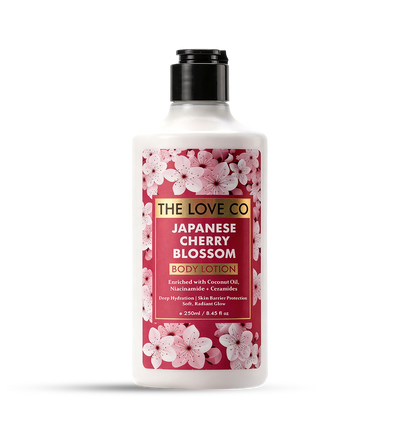
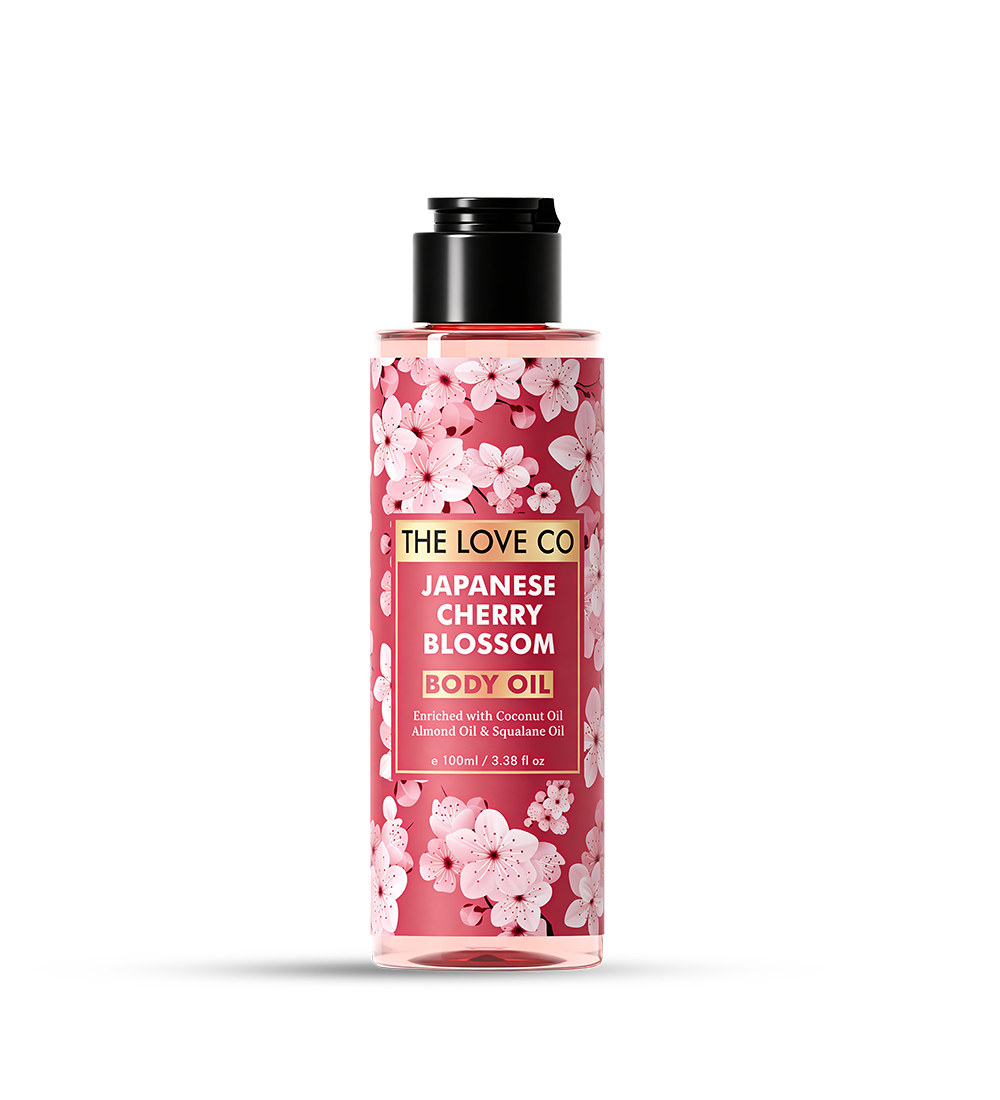
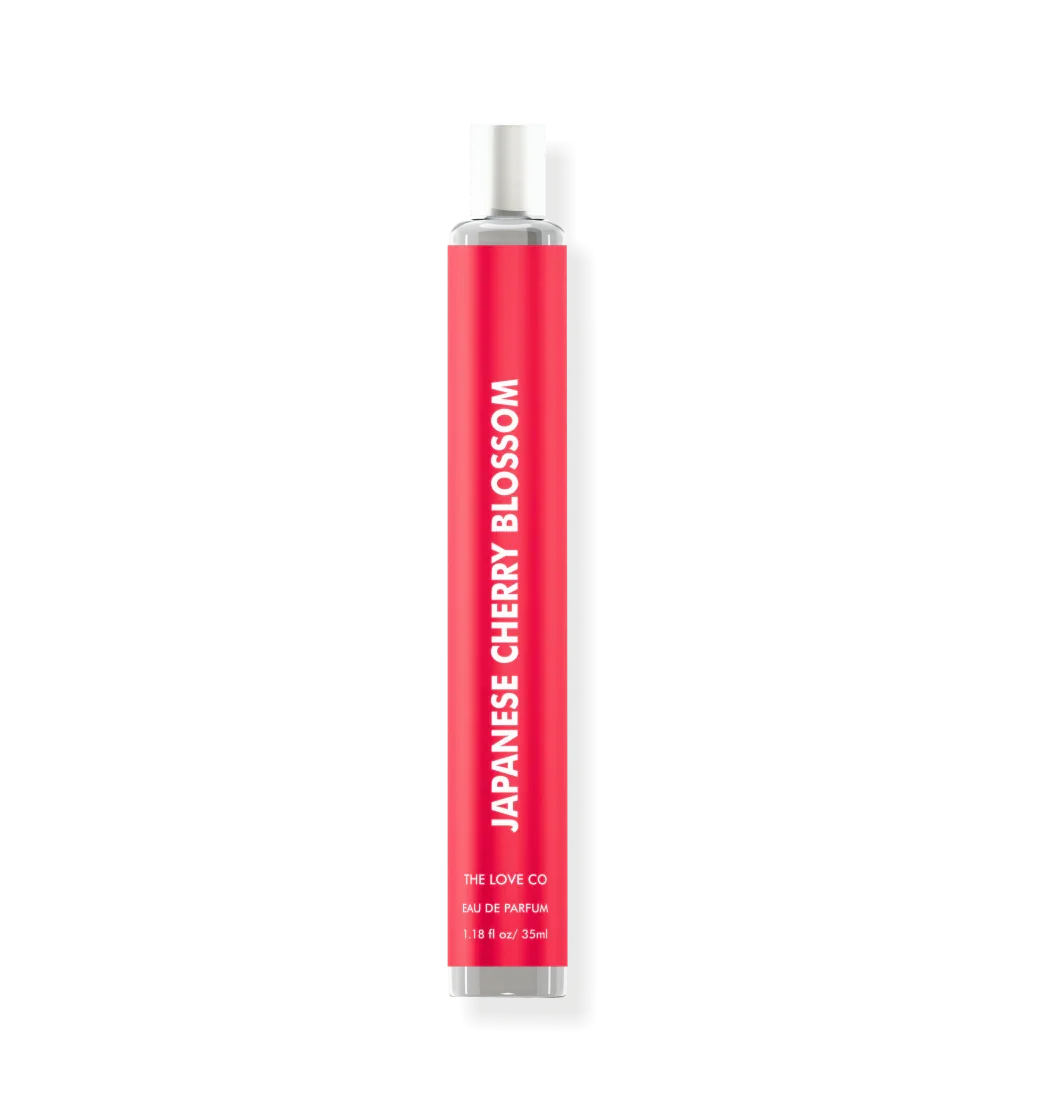
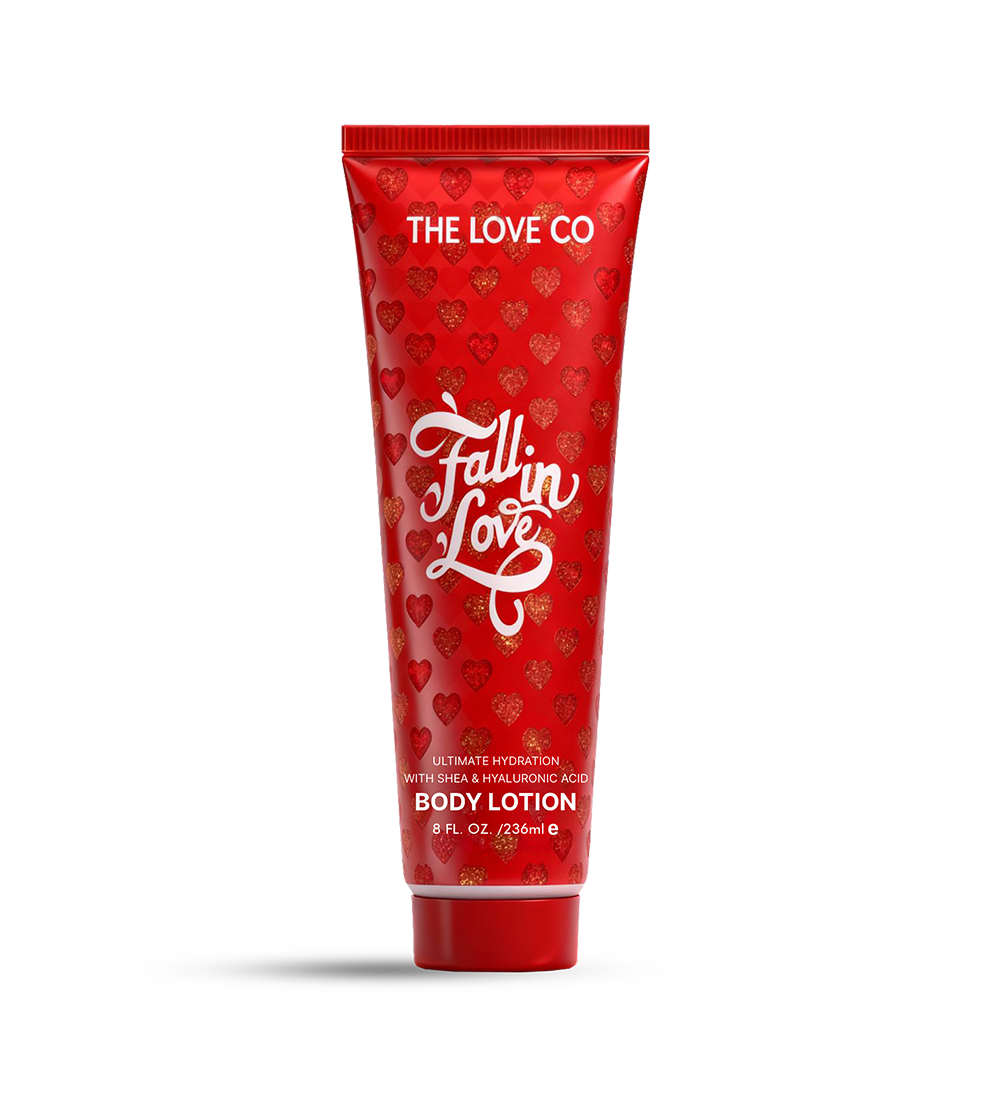
Our Skin Lock lotions are built exactly for this: to provide the hydrated surface fragrance needs to stay.
Hormones change your scent
Oestrogen and testosterone levels influence how fragrance develops on skin. Many people find their scent preferences shift with age, with medication, or at different points in their cycle. A fragrance that felt perfect at 22 can feel strange at 32 — not because your taste changed, but because your skin's chemistry did.
Diet, health, and fragrance
What you eat affects how you smell — and how fragrances perform on you. Spicy foods, garlic, and alcohol can temporarily intensify how fragrance projects (not always pleasantly). A clean diet keeps the body's natural scent neutral, which gives a fragrance a cleaner canvas to work on.
How to find a fragrance that works for your skin
Test on skin, not paper. Apply and wait 30 minutes. Test during your normal day — not after coffee or a heavy meal. Test the same fragrance on different days, at different points in your cycle if relevant. The fragrance that consistently feels right is the one your skin chemistry is compatible with.
You cannot wear someone else's scent. You can only find your own version of it. That is not a limitation. It is the point.
Japanese Cherry Blossom Body Wash
Scent Trail Step 1 · soft floral body wash Start the Scent Trail here. A pH 5.5, SLS-free cleanser that protects your skin barrier while it washes —...
A ritual is the smallest love you give yourself, daily.
— Anaya Rao · 02 May 2026