

Unisex Fragrance: Why More Indians Are Skipping the Gendered Aisle
The 'for him' and 'for her' divisions in fragrance are largely a 20th-century marketing invention. The classical Indian and Arabic fragrance traditions never made the distinction.
Why Gender in Fragrance Is Recent
Until the 1880s, fragrance was unisex. Then Western marketing introduced 'feminine florals' and 'masculine fougères' to double sales.
Indian attar tradition never made this split — oud, rose, sandalwood were worn by everyone.
Notes That Work for Anyone
Sandalwood, vetiver, vanilla, musk, oud, citrus, light florals — none of these are biologically gendered. Skin chemistry varies more between individuals than between sexes.
If you like how a fragrance smells on your skin, that is the only test that matters.
The Modern Unisex Movement
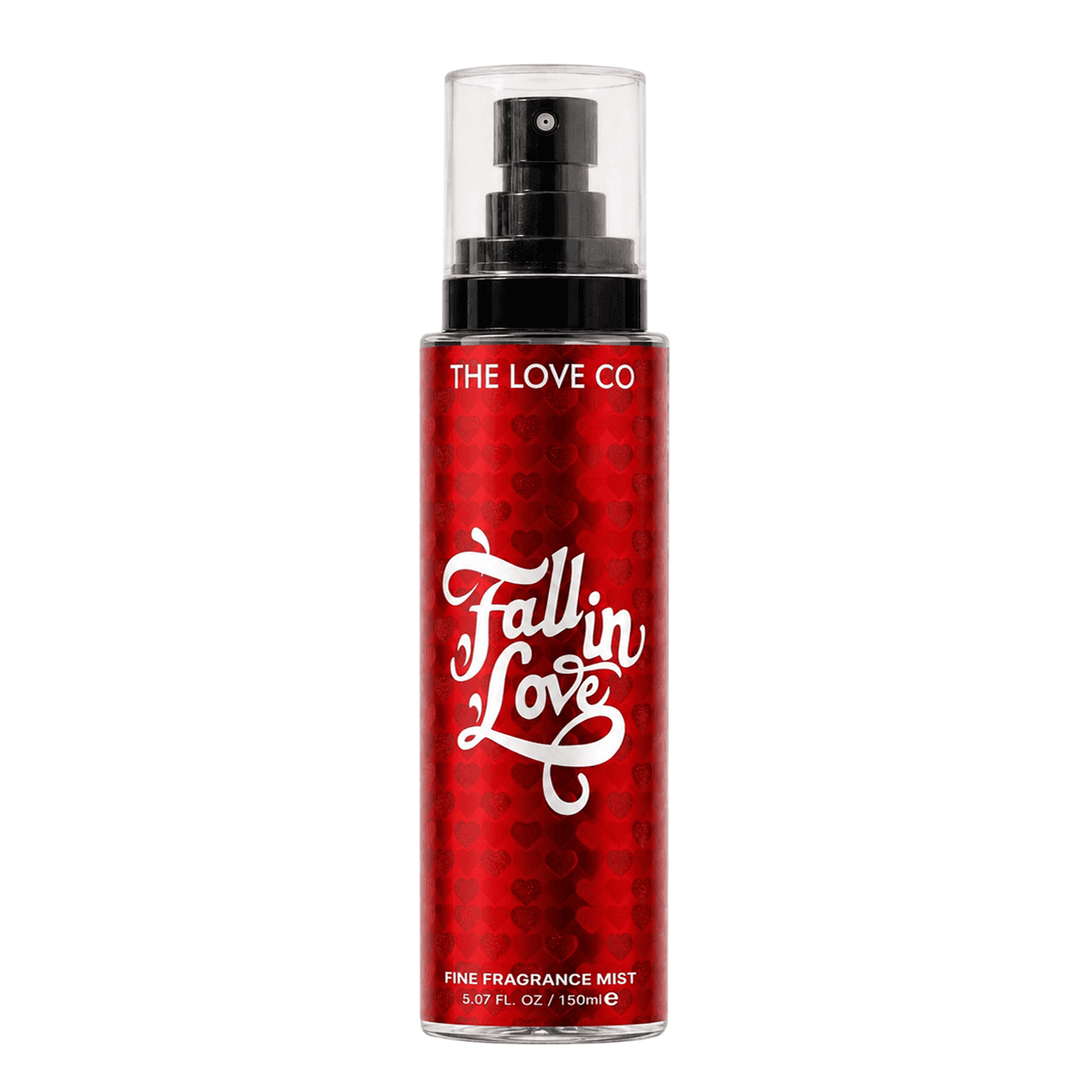
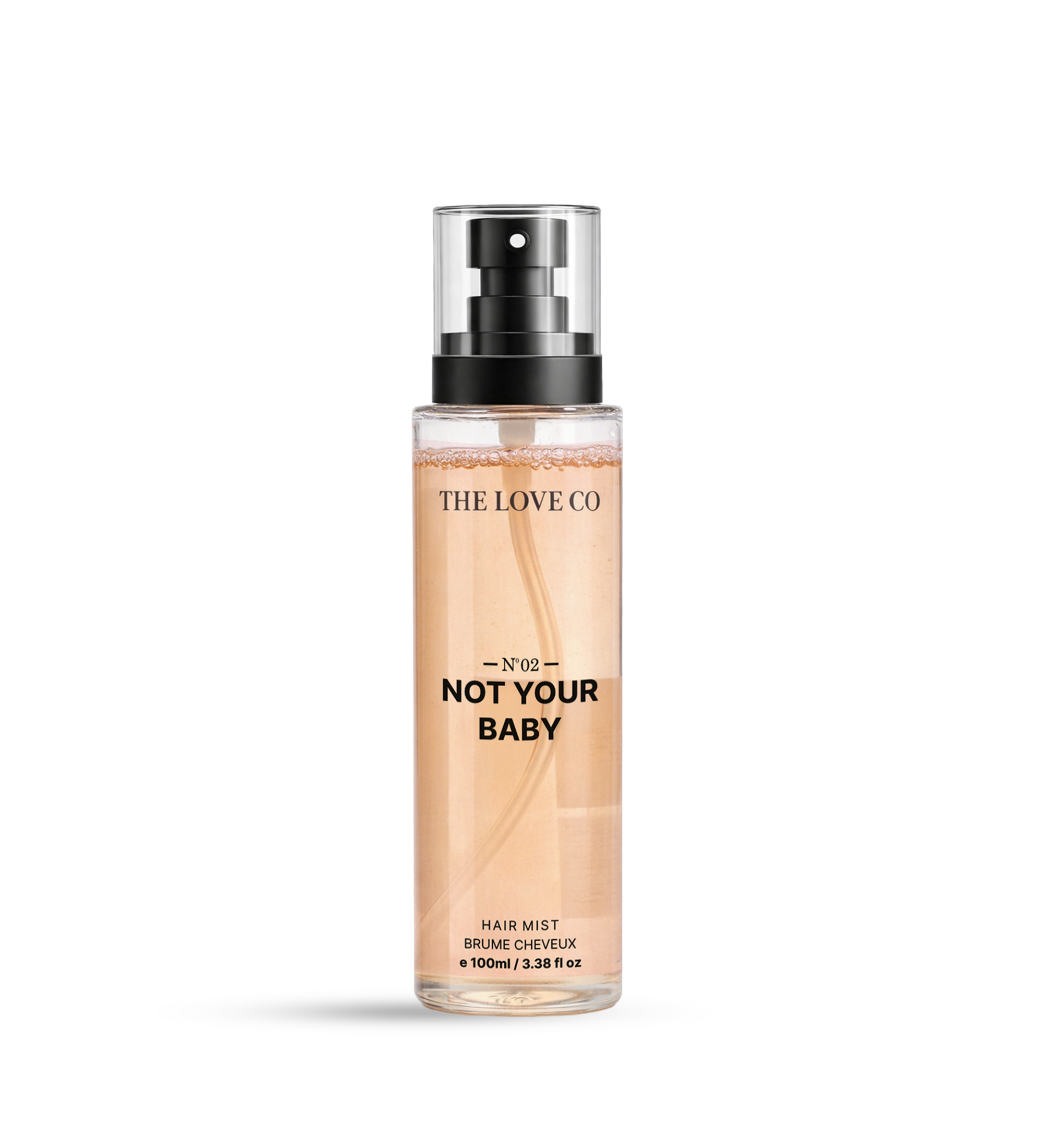
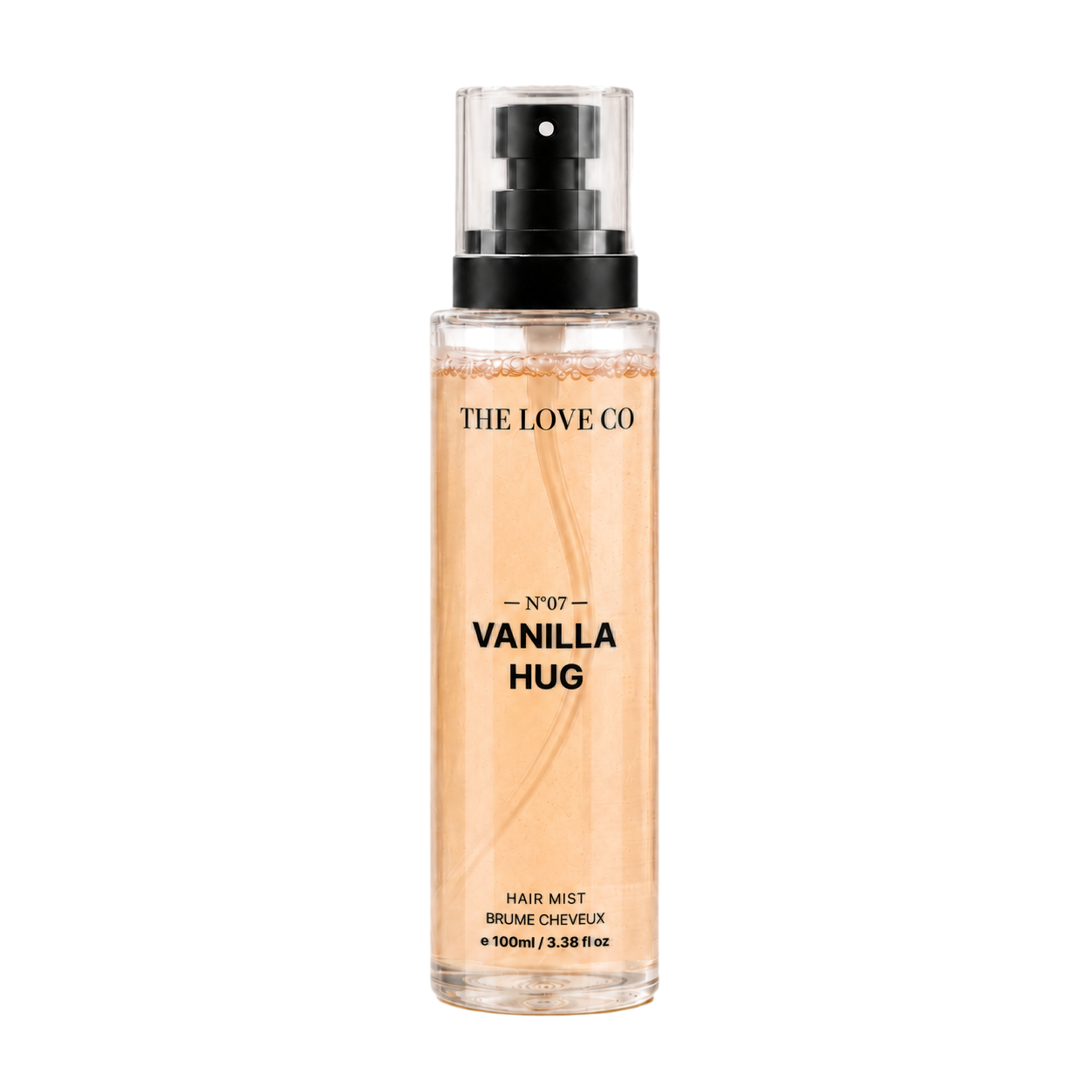
Niche perfumery (Le Labo, Byredo, Maison Margiela) led the unisex shift; Indian D2C brands have followed. Most modern body mists are formulated to be genderless.
Notice how few Indian D2C brands now label products 'for men' or 'for women'.
How to Choose Unisex
Skip the section labels. Pick a family you respond to (woody, oriental, fresh) and test on your own skin. The fragrance that smells like 'you' is the right one — regardless of who it was marketed to.
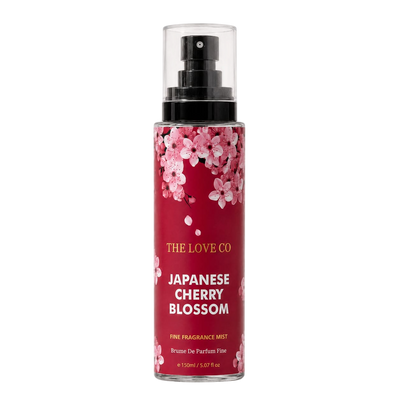
Shop the body mist collection.
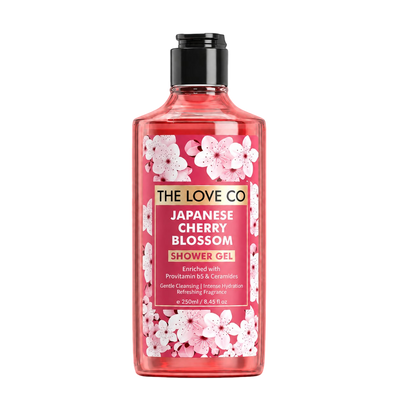
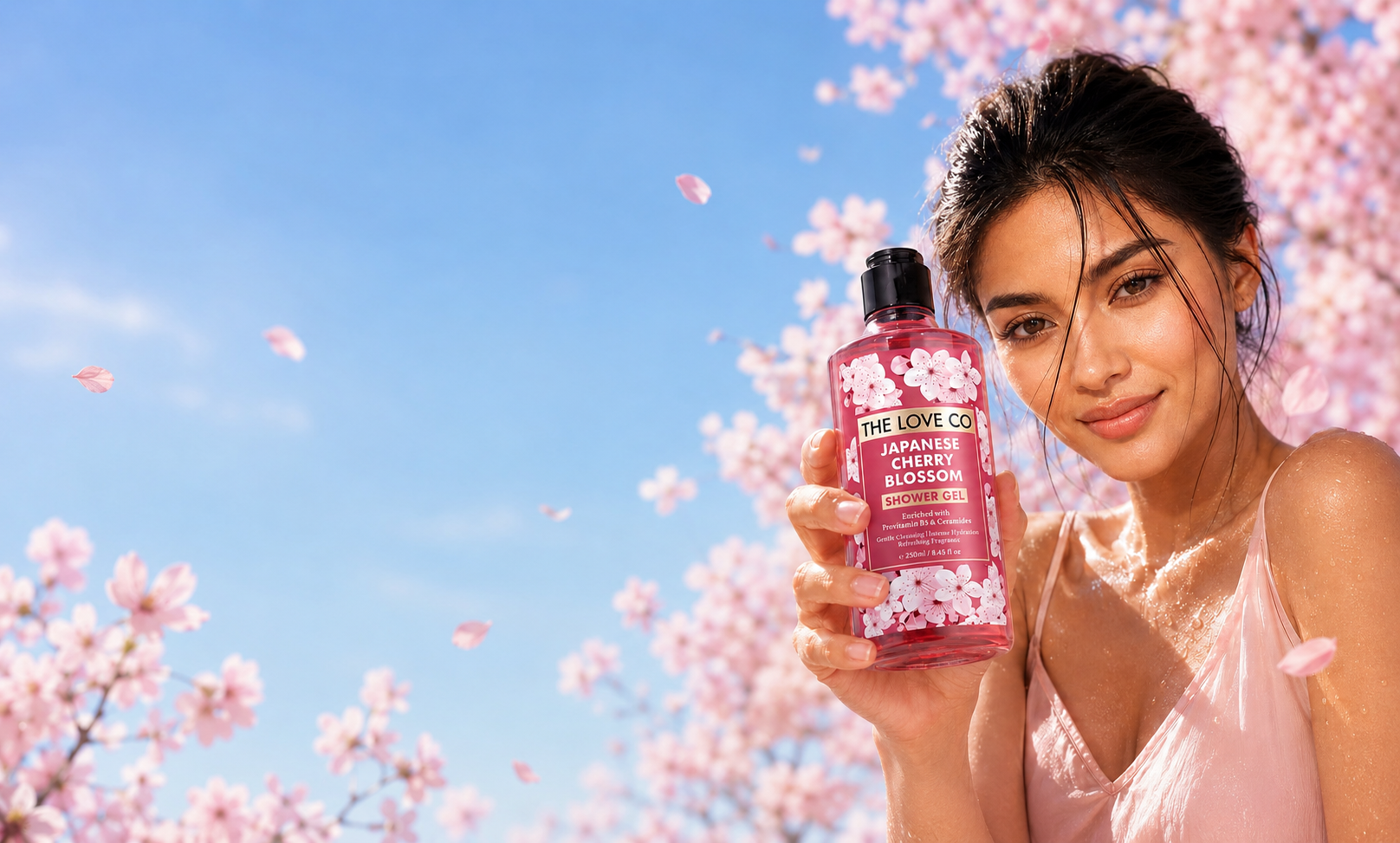
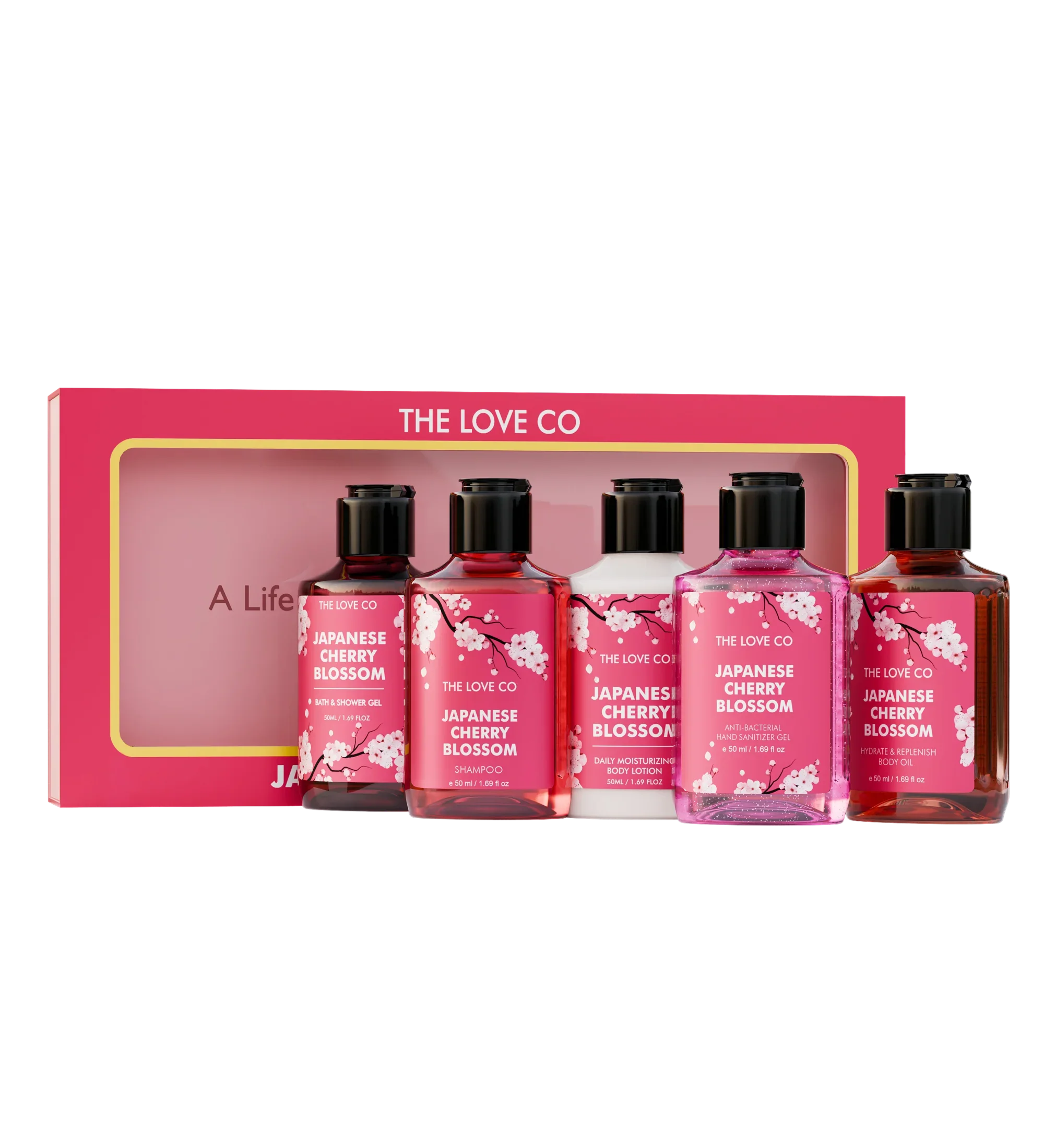
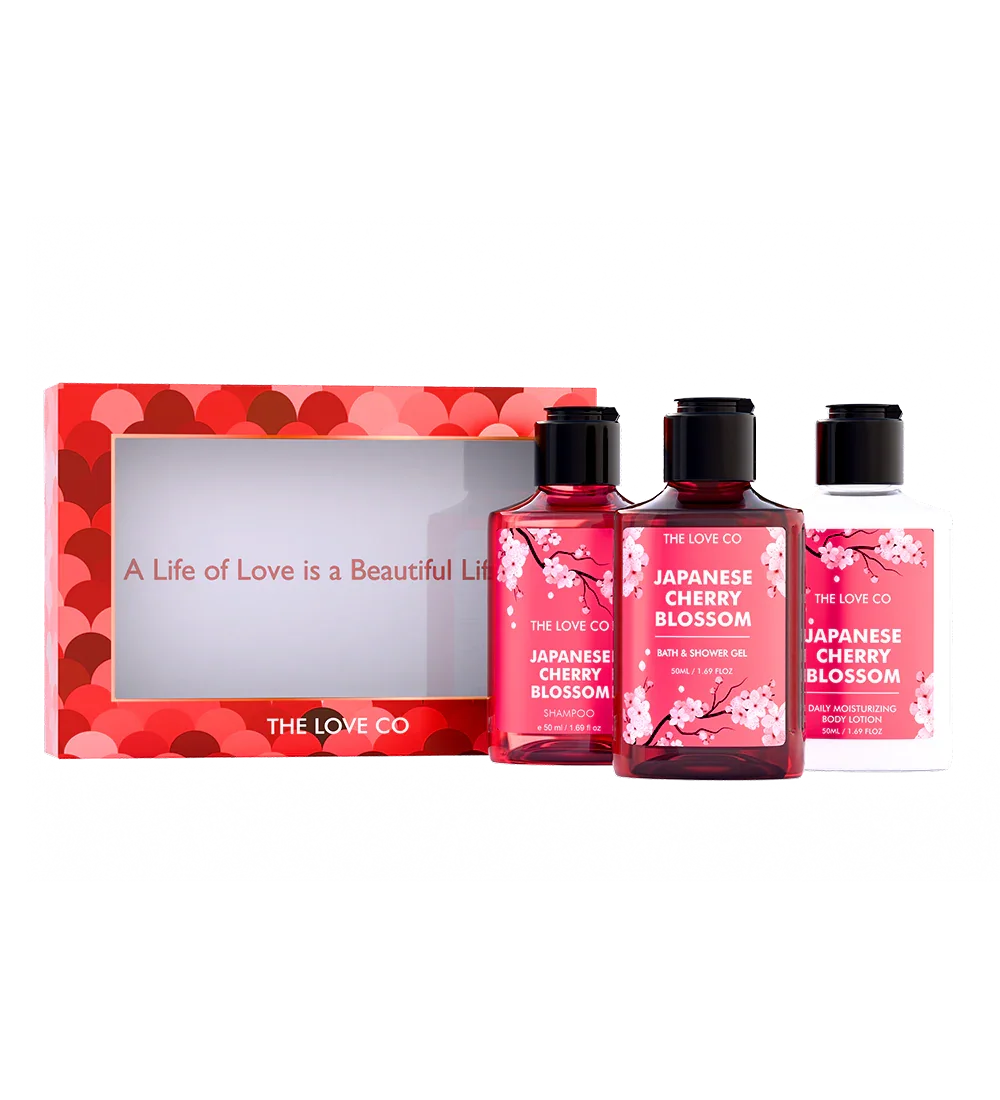
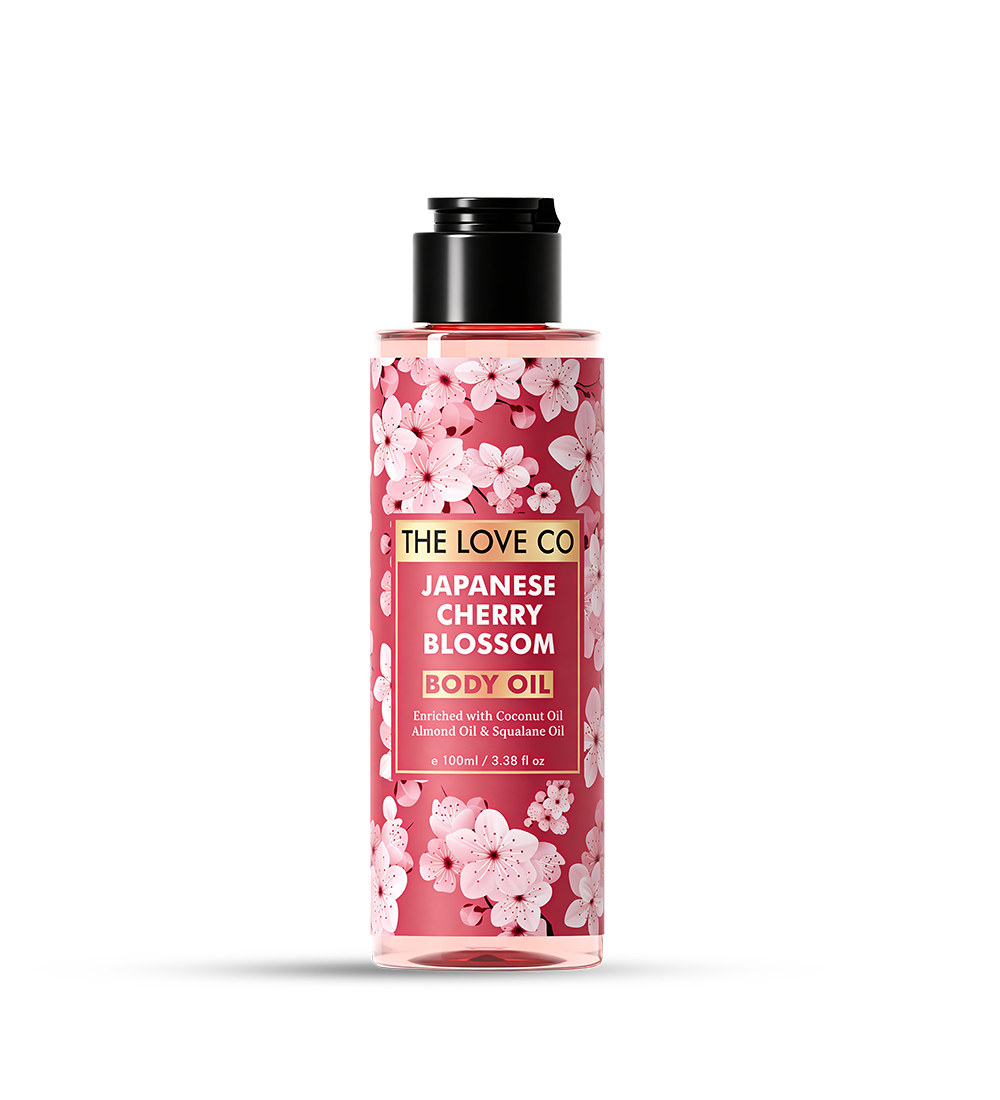
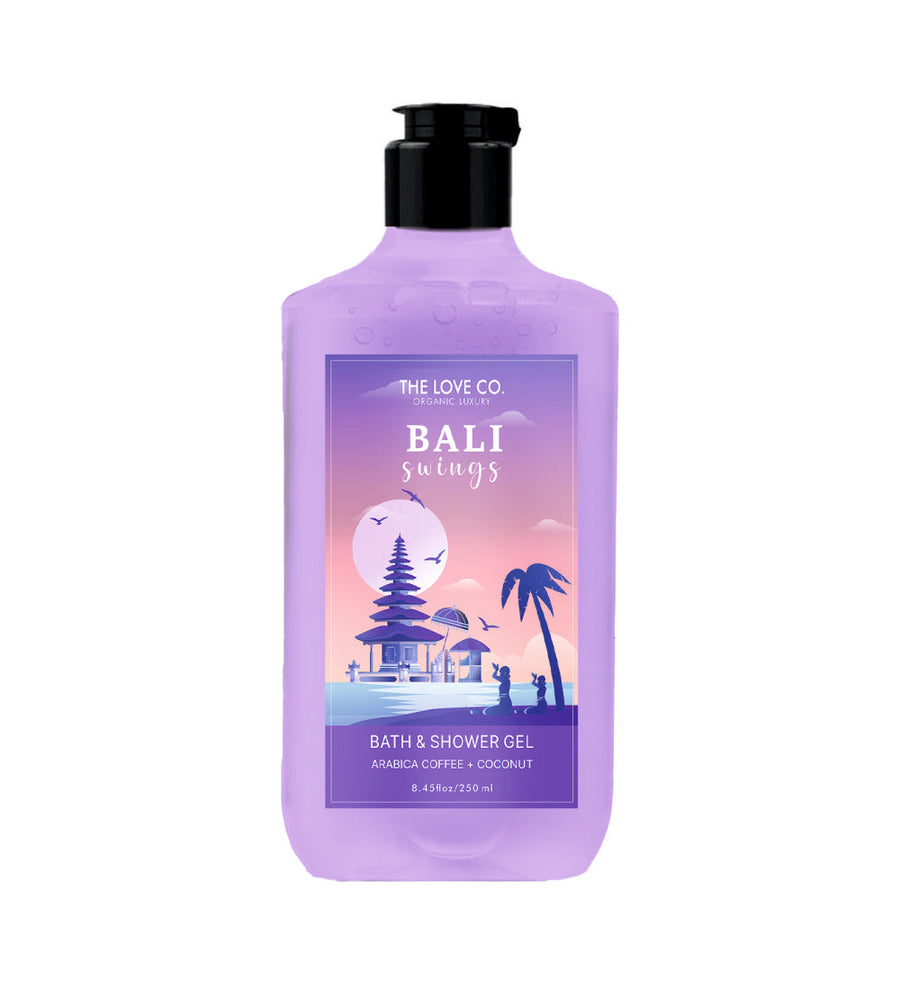
Japanese Cherry Blossom Body Wash
Scent Trail Step 1 · soft floral body wash Start the Scent Trail here. A pH 5.5, SLS-free cleanser that protects your skin barrier while it washes —...
A ritual is the smallest love you give yourself, daily.
— Shopify API · 10 May 2026