Zinc PCA for Acne: How It Works
Quick answer: Zinc PCA (zinc L-pyrrolidone carboxylate) is the most bioavailable form of topical zinc. It cuts sebum production by binding to 5-alpha-reductase, suppresses Cutibacterium acnes growth, and reduces follicular inflammation — three of the four core drivers of body acne. It works best paired with salicylic acid, which clears the existing plug while zinc PCA stops the next one from forming.
What is zinc PCA?
Zinc PCA is a chelated form of zinc — zinc bonded to pyrrolidone carboxylic acid (PCA), a natural moisturising factor already present in human skin. The chelation matters: free zinc salts (zinc oxide, zinc sulfate) sit on top of skin. Zinc PCA penetrates the stratum corneum and reaches the sebaceous gland.
This is why “zinc for acne” in clinical literature almost always refers to zinc PCA or zinc gluconate, not the white zinc oxide in sunscreen. Different molecule, different job.
How does zinc PCA fight acne?
Three mechanisms, all dermatologically documented:
| Mechanism | What it does | Why it matters for body acne |
|---|---|---|
| 5-alpha-reductase inhibition | Blocks the enzyme that converts testosterone to DHT, the hormone that drives sebum | Reduces oil production at the follicle — addresses the root, not the symptom |
| Antimicrobial action | Suppresses C. acnes (the acne bacteria) without antibiotic resistance | Safer than long-term clindamycin/erythromycin on the body |
| Anti-inflammatory | Calms the cytokine cascade that turns a clogged pore into a red papule | Existing breakouts heal faster; less post-inflammatory pigmentation |
Compare this to benzoyl peroxide, which only does the second job (antimicrobial) — and does it by oxidative damage that also bleaches fabric and irritates skin. Zinc PCA is the gentler, multi-mechanism alternative for body skin.
Why pair zinc PCA with salicylic acid?
Salicylic acid is keratolytic — it dissolves the keratin plug that blocks the follicle. But once that plug is cleared, the sebaceous gland will refill the pore with the same oil that caused the original block. Unless something tells the gland to slow down.
That’s zinc PCA’s job. Salicylic clears; zinc regulates. Together they break the cycle instead of treating each new breakout as a fresh problem.
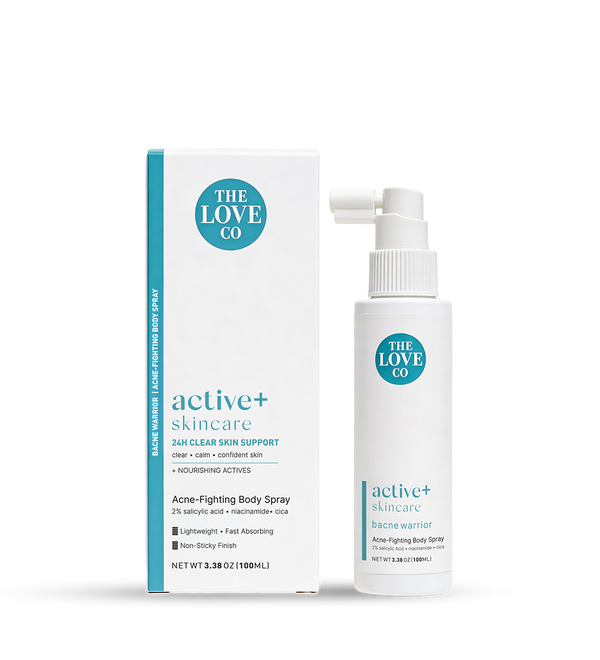
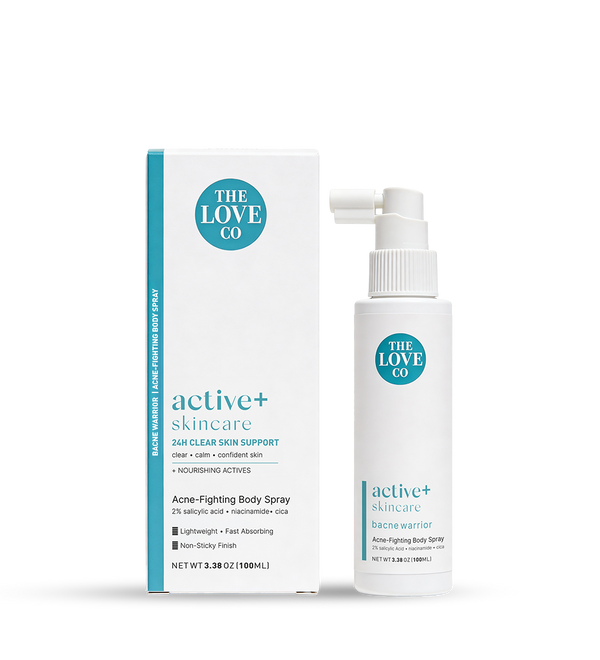
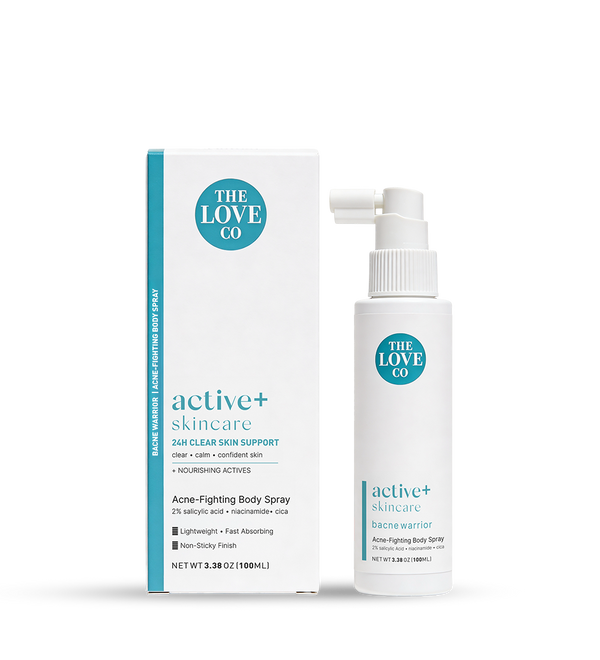
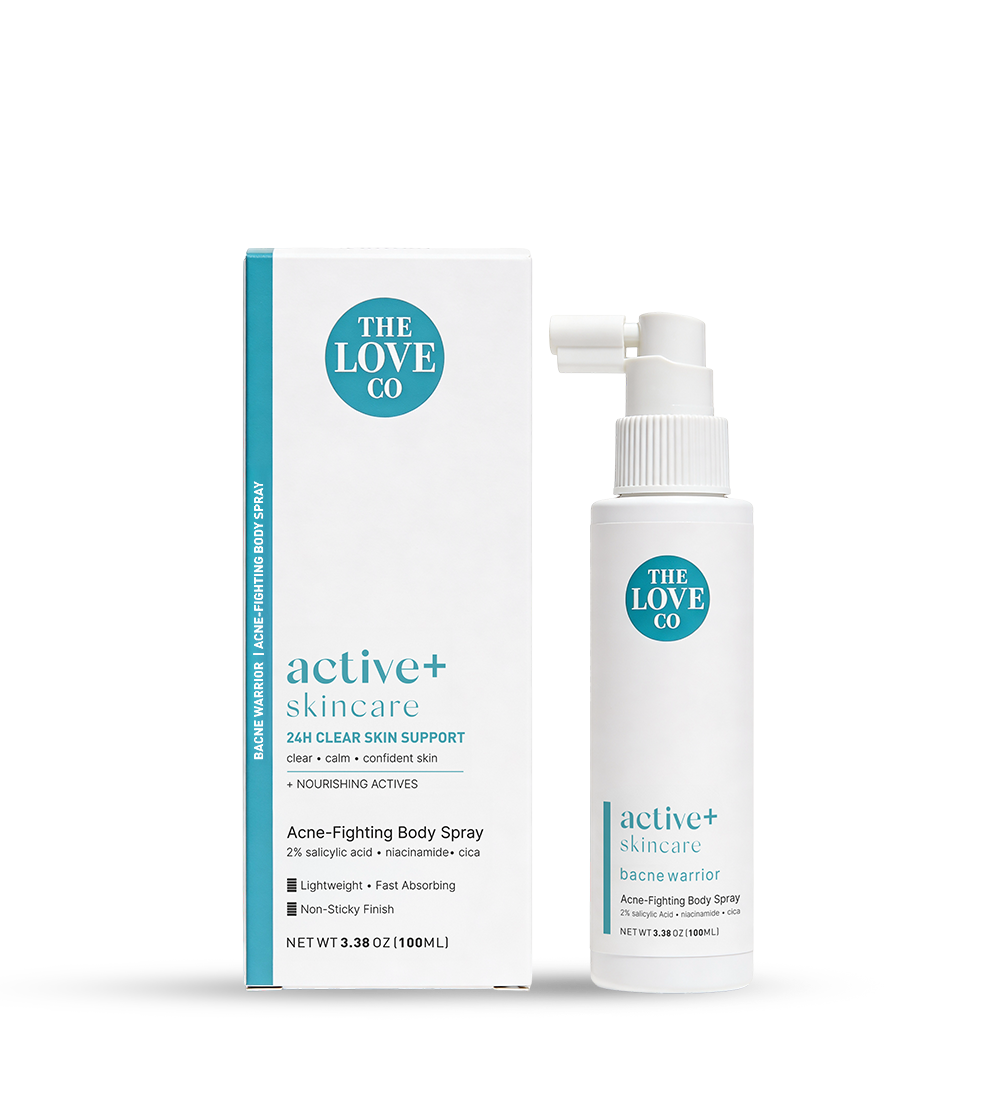
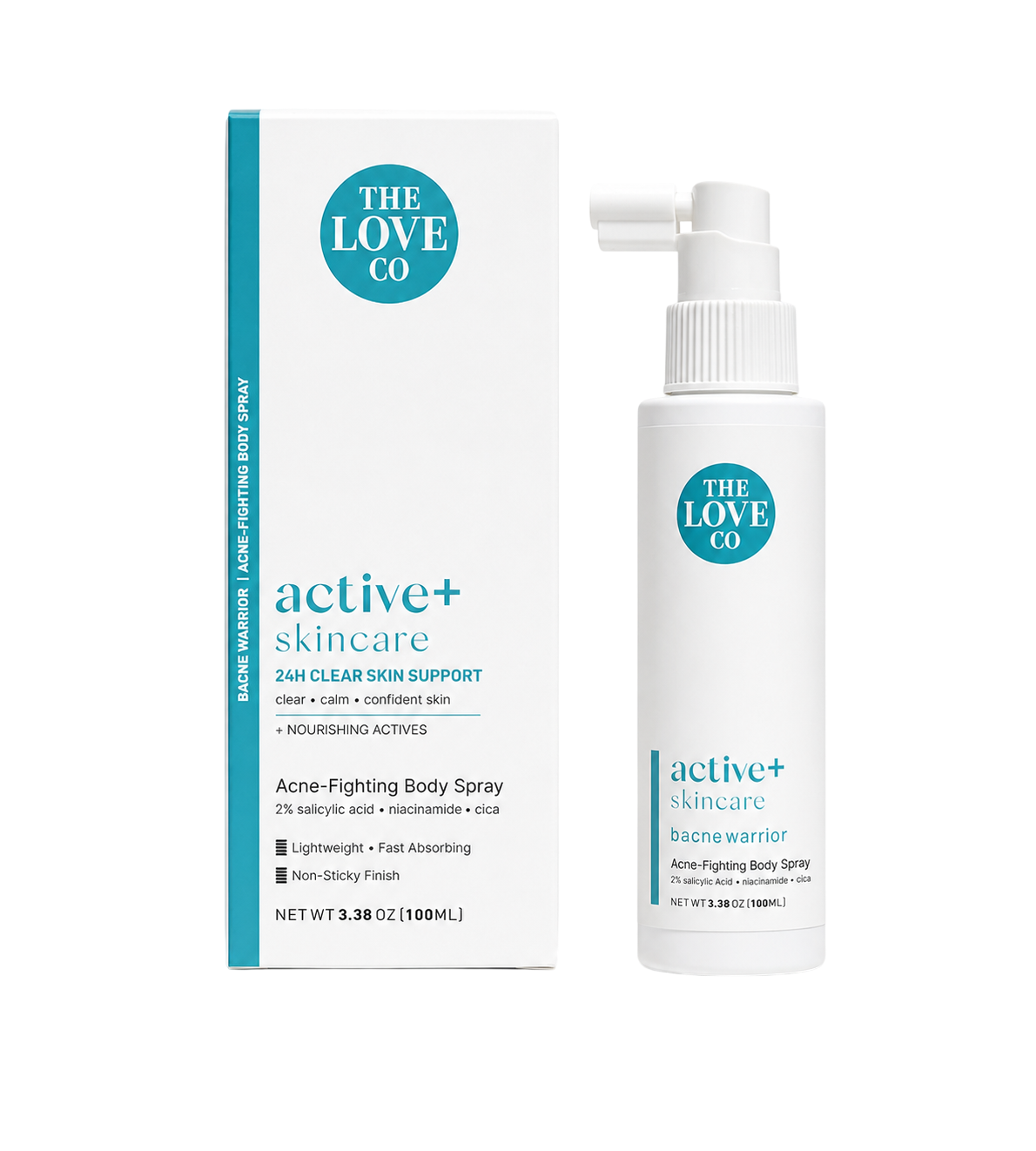
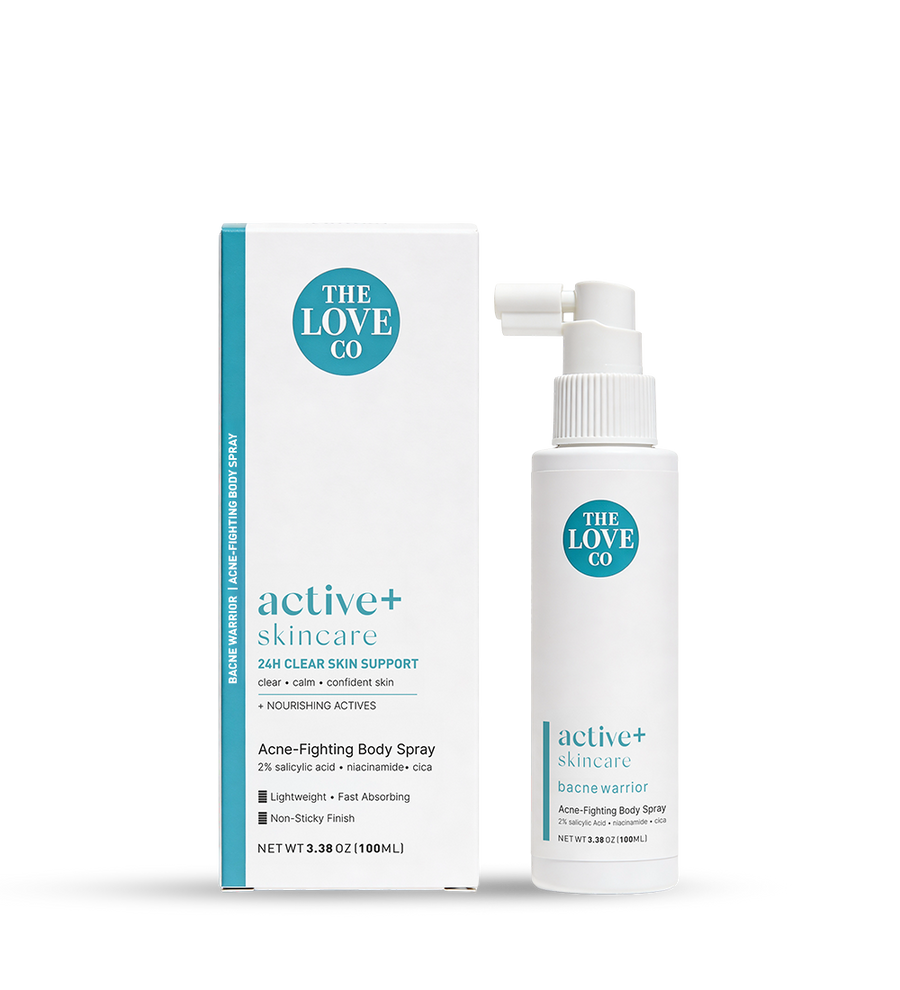
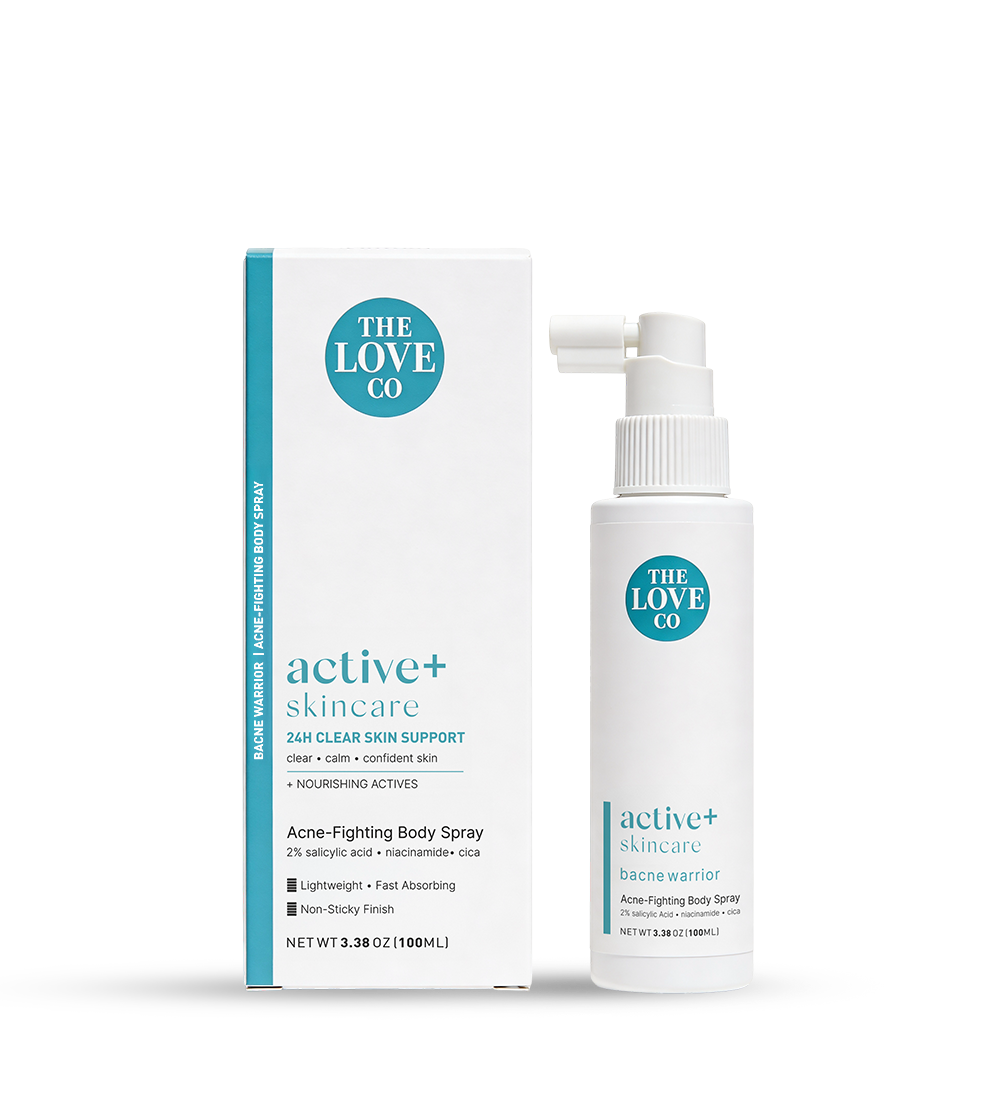
This is the exact pairing in Bacne Warrior by The Love Co — 2% salicylic acid + 4% niacinamide + zinc PCA + cica. At ~1% zinc PCA, the concentration sits at the upper end of the clinically effective range (0.5%–2%) without crossing into the dry/stinging zone.
Is zinc PCA safe for daily use?
Yes. Zinc PCA is one of the most tolerable acne actives in the dermatology toolkit:
- No purge phase. Unlike retinoids or benzoyl peroxide, zinc PCA doesn’t push existing micro-comedones to the surface in week 1.
- No photosensitivity. Safe to use during the day, no extra sun precaution needed beyond your normal SPF.
- Non-comedogenic at acne-treatment concentrations.
- Pregnancy-safe at topical body concentrations — confirm with your obstetrician, but it’s one of the few actives most derms permit during pregnancy.
- Doesn’t bleach fabric. Indian cottons, silks, and pastel blouses stay intact.
For Indian skin in monsoon humidity — where sebum output spikes and every clogged follicle inflames faster — zinc PCA’s sebum-regulating action is genuinely useful, not just marketing.
When zinc PCA alone won’t work
Zinc PCA is a supporting active, not a solo treatment. If you’re using a product that lists zinc PCA but no salicylic acid, glycolic acid, or retinoid — the formula is incomplete. You’ll get sebum regulation but no follicle clearing.
Likewise, zinc PCA doesn’t treat:
- Fungal acne (malassezia folliculitis) — needs ketoconazole or similar antifungal
- Cystic acne >1 cm — needs in-clinic intervention (cortisone shot, oral isotretinoin)
- Hormonal acne driven by PCOS — needs systemic treatment alongside topicals
If you’ve used a zinc PCA product for 6+ weeks with no improvement, the issue isn’t the zinc. It’s the diagnosis.
What concentration actually works?
Clinical efficacy starts at 0.5% zinc PCA. Most well-formulated products land between 0.5% and 2%. Higher than 2% gives diminishing returns and starts to feel astringent on skin. Bacne Warrior sits at ~1% — paired with 2% salicylic acid (the keratolytic) and 4% niacinamide (the pigment + barrier active) — which is the configuration our formulator landed on after testing six variants.
FAQ
Is zinc PCA the same as zinc oxide? No. Zinc oxide is the white mineral sunscreen UV filter — it sits on skin. Zinc PCA is a water-soluble salt that penetrates and acts on the sebaceous gland. Different molecule, different function entirely.
Can I take a zinc supplement instead of using a topical? Oral zinc helps mild acne in some studies, but it takes 8–12 weeks and the body-acne benefit is small compared to a targeted topical. Use the topical for the spot; supplement only if your dermatologist confirms a deficiency.
Will zinc PCA help dark marks left behind by acne? Indirectly — by reducing the inflammation that causes the marks in the first place. For existing post-inflammatory hyperpigmentation, the niacinamide in Bacne Warrior does the fade work. Zinc PCA prevents the next set of marks from forming.
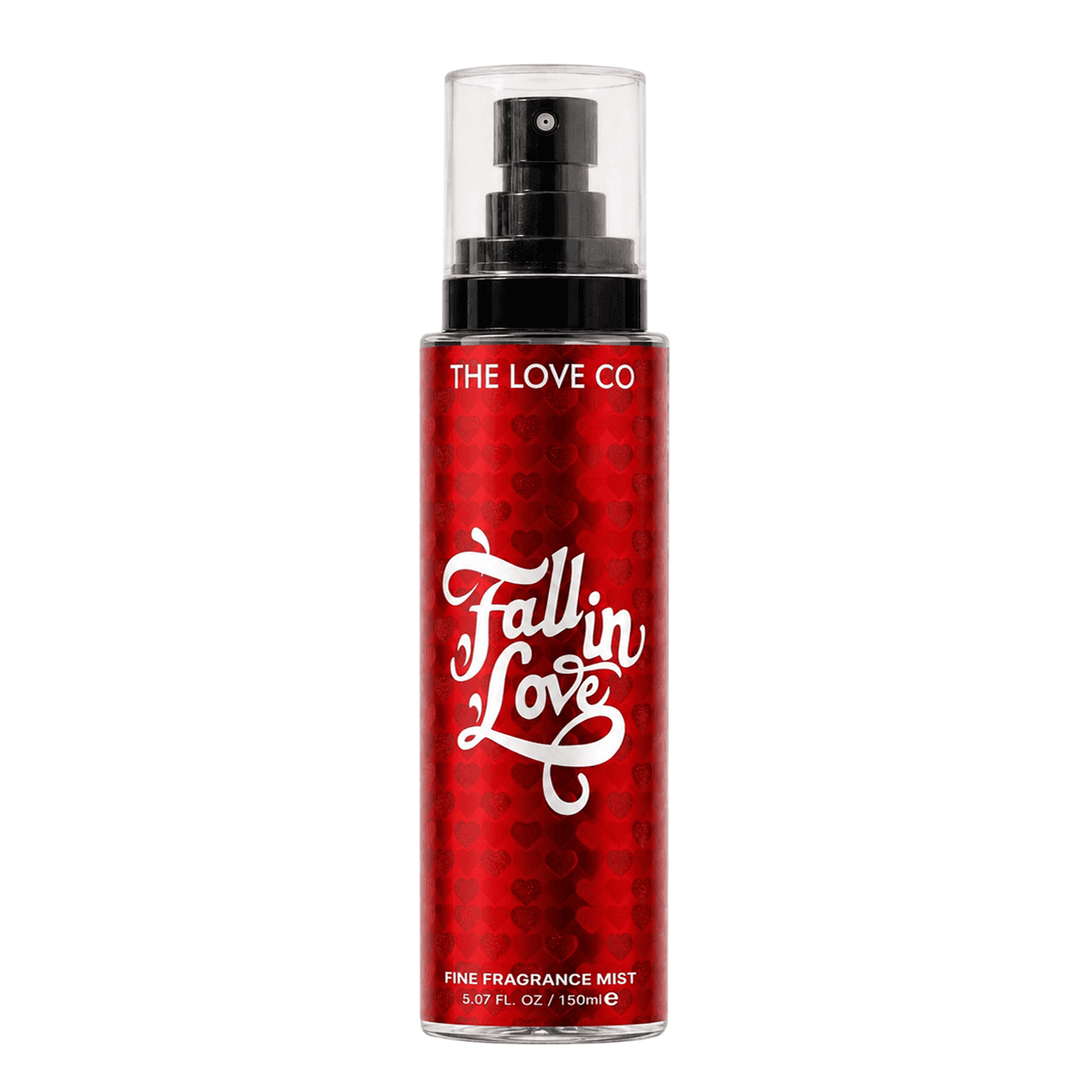
Is it okay with my body mist or perfume? Yes. Apply Bacne Warrior — 2% salicylic acid + 4% niacinamide + zinc PCA + cica — first on body skin, wait 5 minutes, then layer fragrance on the neck and wrists. Zones don’t overlap.
TLC signature line
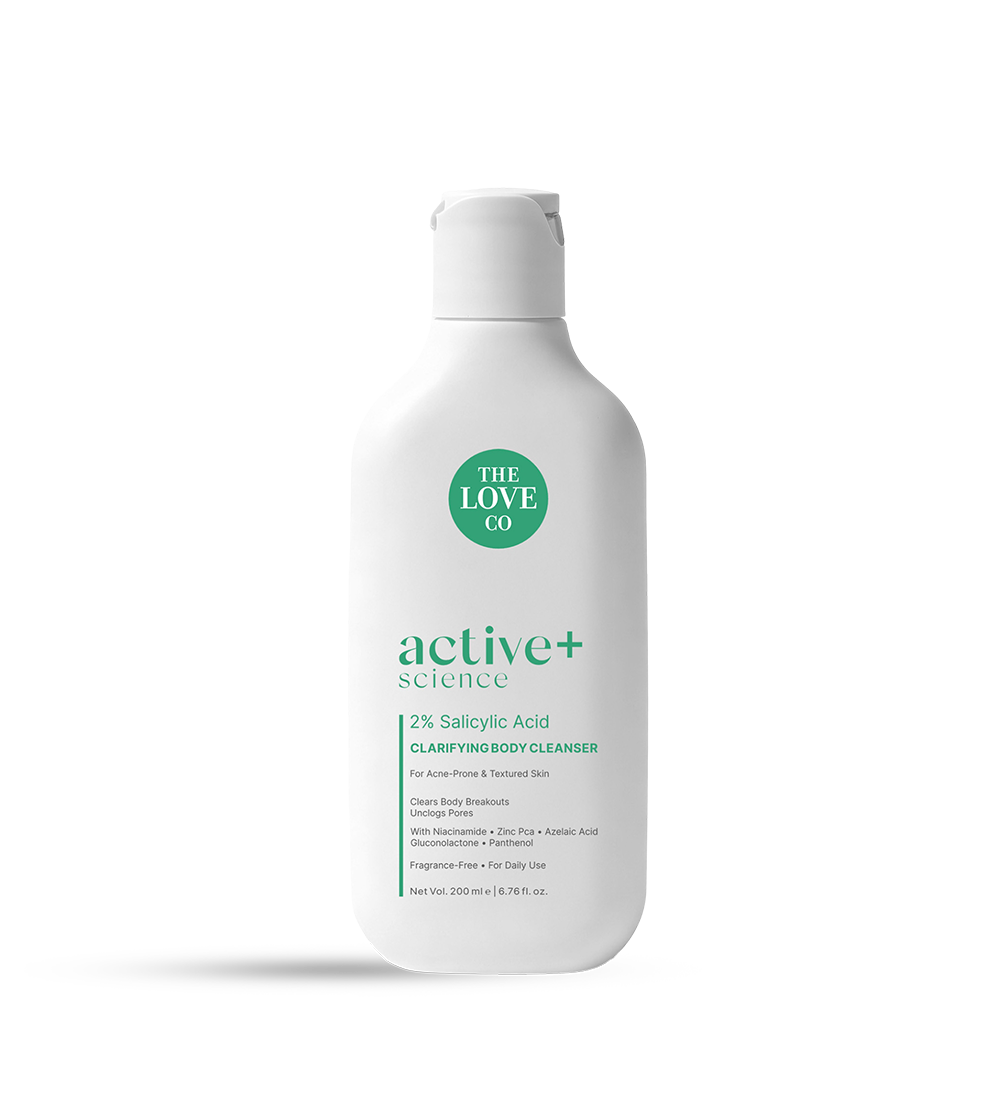
“My wife — she’s a dermatologist — kept asking why every Indian acne brand maxes out the salicylic and skips the zinc. The honest answer was cost. We put the zinc back in. Pair it with the body wash from your TLC ritual; keep the mist for the neck.”
— Hemang Jain, Founder, The Love Co.
→ Get Bacne Warrior → · ₹449 · ships in 24h.
See also: - The full back & body acne guide → - Cica (Centella Asiatica) for acne-prone skin → - Salicylic acid vs benzoyl peroxide for body acne →
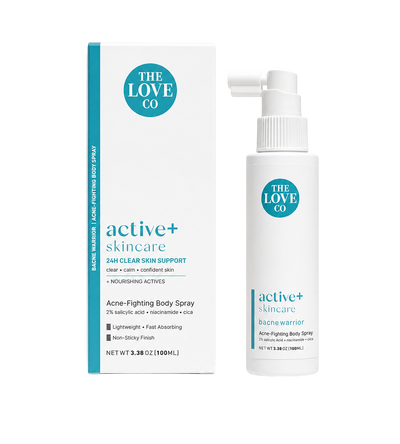
Bacne Spray – 2% Salicylic Acid Body Spray
A leave-on 2% salicylic acid body spray for back, chest, shoulder, and post-workout body acne. Designed for hard-to-reach zones, fast absorption, and daily use under clothes without a...
A ritual is the smallest love you give yourself, daily.
— Hemang Jain · 28 May 2026