
Active Body Wash for Body Odour: What Ingredients Actually Fight Sweat
Body odour isn't caused by sweat itself. Sweat is mostly water — it's odourless when it leaves your pores. The smell comes from bacteria on your skin metabolising compounds in sweat and producing volatile fatty acids as a by-product.
Understanding this changes how you approach the problem. Masking odour with fragrance is temporary. Addressing the bacterial activity at the source is what works long-term — and that's exactly what an active body wash can do.
Where Body Odour Actually Comes From
There are two types of sweat glands: eccrine glands (found all over the body, producing mostly water and salt) and apocrine glands (concentrated in the armpits, groin, and chest, producing a thicker, protein-rich secretion).
It's the apocrine glands that contribute most to body odour. The bacteria most responsible — primarily Corynebacterium species and Staphylococcus hominis — are resident skin bacteria that feed on the proteins and lipids in apocrine sweat and produce compounds like thioalcohols and androstenone as metabolic waste. These compounds have a distinctly strong, unpleasant scent even in tiny amounts.
The solution is reducing this bacterial population on skin — not permanently or aggressively, but enough that the metabolic activity producing odour-causing compounds is significantly reduced.
Ingredients That Work
Tea Tree Oil
One of the most evidence-supported natural antibacterials for skin. Tea tree oil disrupts the cell membranes of Corynebacterium and related bacteria at concentrations of 1–5%. It doesn't eliminate all bacteria (which would be counterproductive — the skin microbiome is complex) but reduces the specific populations most associated with odour. Regular use in a body wash provides meaningful, cumulative reduction in underarm and groin odour.
Zinc Compounds (Zinc Gluconate, Zinc PCA)
Zinc has a well-established antibacterial and sebum-regulating effect. In body wash formulations, zinc compounds reduce the bacterial load on skin while also reducing the rate of sebum production that feeds odour-causing bacteria. Zinc PCA additionally has a mild astringent effect that reduces sweating slightly.
Salicylic Acid
Works indirectly but effectively: by exfoliating the surface layer of dead skin cells and keeping pores clear, salicylic acid removes the accumulated dead cell material that bacteria feed on. Cleaner skin surface = less bacterial food = less odour production over time.
Activated Charcoal
Functions as an adsorbent — it binds to compounds on the skin surface and removes them during rinsing. While activated charcoal doesn't kill bacteria directly, it removes odour-causing compounds and excess oils that contribute to bacterial proliferation. Best as a complementary ingredient rather than a standalone solution.
Neem Extract
Used in Indian skincare for centuries, neem has documented antibacterial activity against skin pathogens. In a body wash, neem extract provides a natural but genuinely functional antibacterial action particularly relevant for apocrine-dense areas.
What About Fragrance?
Fragrance in body wash contributes to the overall olfactory experience of being clean and fresh, but it doesn't address the underlying bacterial activity. A well-fragranced body wash that lacks antibacterial actives will smell good for an hour or two before odour from ongoing bacterial activity reasserts itself.
The most effective approach is a body wash that does both: contains active ingredients that reduce bacterial odour production, and uses fragrance that complements clean skin. This is the difference between masking and treating.
Technique Matters
For maximum effect in odour-prone areas, apply active body wash directly to the underarms and groin, work into a light lather, and leave for 30–60 seconds before rinsing. This dwell time allows the antibacterial actives to interact with the bacterial population rather than simply sliding over it and rinsing away.
Rinse thoroughly — residue from any body wash (active or not) can cause irritation in skin folds.
The Role of Diet and Hydration
Active body wash addresses the bacterial side of the equation. But apocrine sweat composition is affected by diet — certain foods (red meat, processed foods, alcohol) produce compounds that intensify body odour when metabolised. Hydration affects sweat concentration. These are worth addressing alongside the right body wash for comprehensive odour management.
Shop The Love Co's body wash collection — active formulations that clean deeply, treat consistently, and leave you genuinely fresh rather than just fragranced.
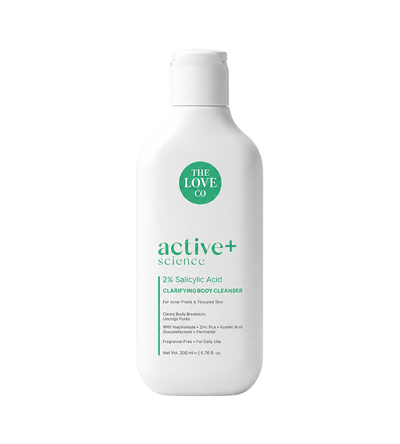
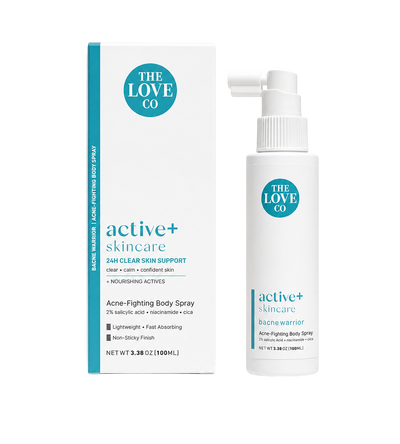
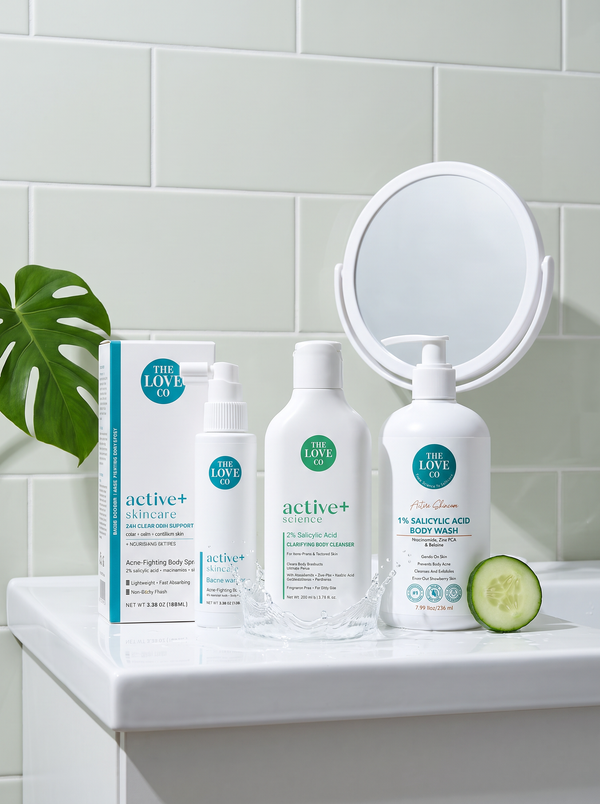
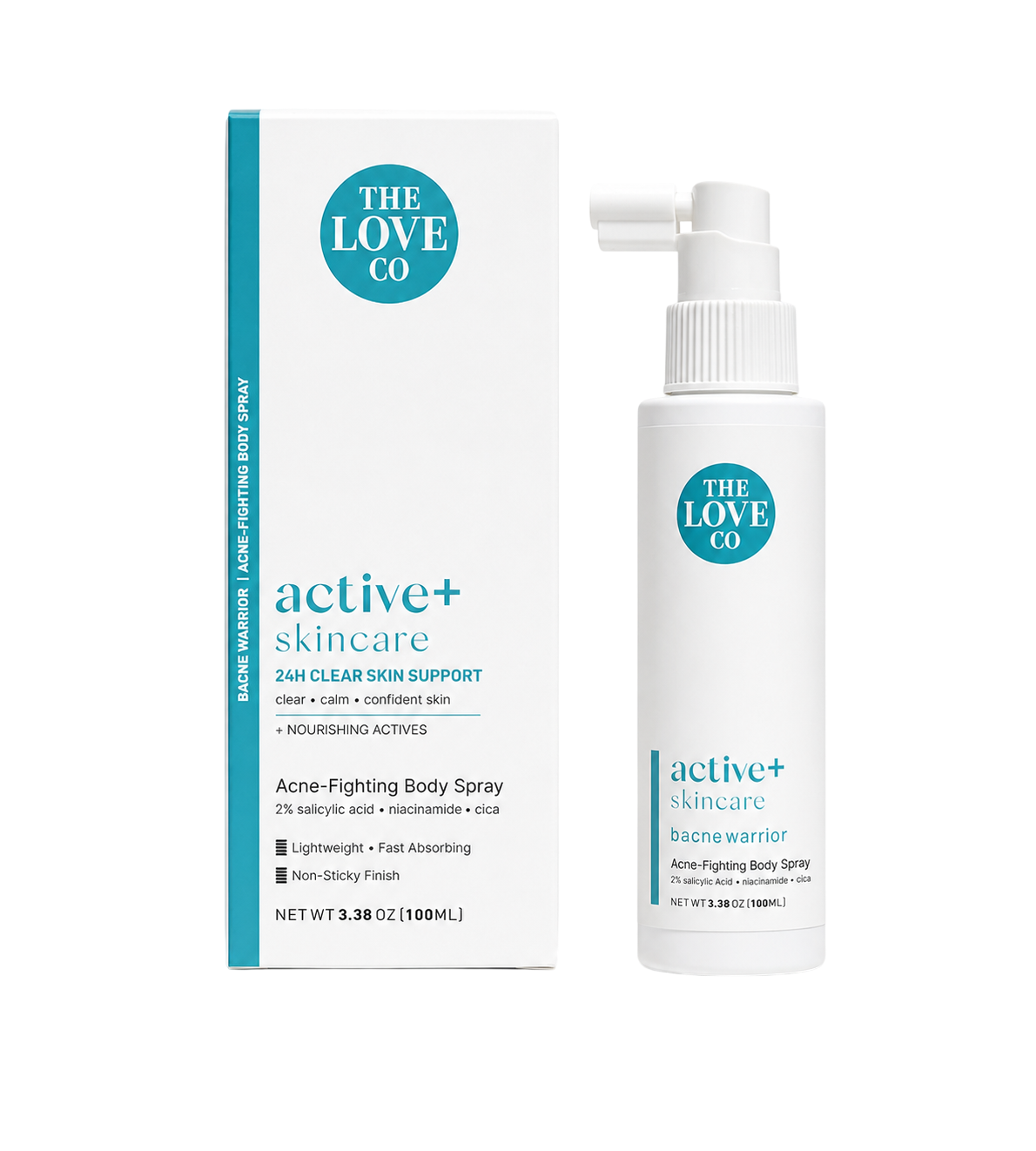
2% salicylic acid body cleanser
The step-up salicylic cleanser for skin that has tolerated 1% BHA and needs stronger pore-clearing support for stubborn bacne, clogged pores, and KP-prone texture. How To Use Start...
A ritual is the smallest love you give yourself, daily.
— Shopify API · 07 May 2026