

Body Wash vs Soap India: The Active Ingredient Argument You Need to Hear
India is predominantly a soap country — the sabun bar is a household fixture. But the rise of active ingredient body washes has created a genuine debate worth having. This isn't brand preference. It's chemistry.
The pH Argument
This is where the conversation starts and ends for most dermatologists. Skin's natural pH is 4.5–5.5 — mildly acidic. This acidity:
- Maintains the skin microbiome (beneficial bacteria need acidic environment)
- Activates skin barrier enzymes
- Prevents pathogenic bacterial growth
Traditional soap is made by saponification — fat + alkali = soap. This process creates a product with pH 9–11. Every time you use bar soap, you're disrupting your skin's pH balance significantly. Skin recovers, but the disruption is repeated daily.
Body washes are formulated to pH 4.5–5.5 — matching skin's natural acidity.
Active Ingredients: The Body Wash Advantage
Bar soap can't effectively carry active ingredients like:
- Salicylic acid (unstable in bar format at effective concentrations)
- Niacinamide (requires specific pH range to be stable)
- Hyaluronic acid (doesn't survive the alkaline soap-making process)
- Vitamin C (highly unstable in alkaline conditions)
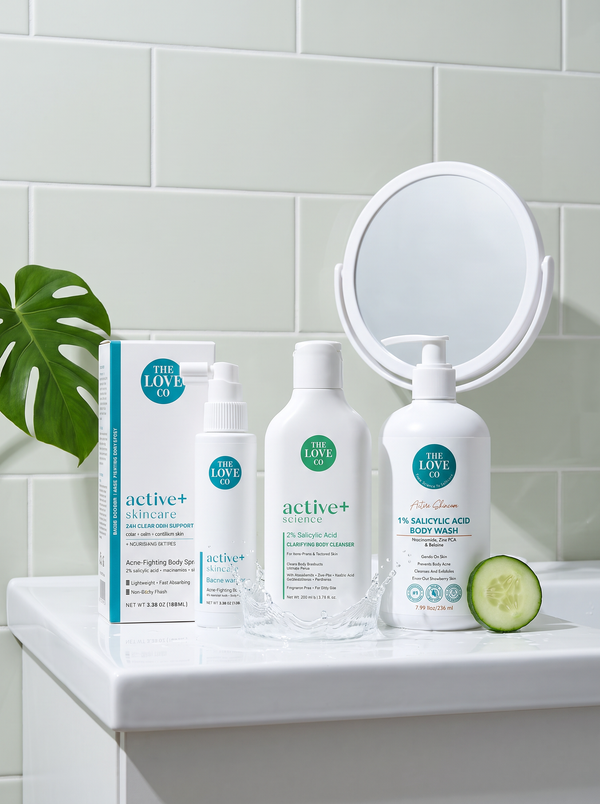
Body wash can. This is why every dermatologist-recommended "medicated" cleanser is a wash, not a bar.
Where Bar Soap Wins
Environmental footprint: Bar soap requires less packaging and has lower water content. If sustainability is the primary concern, bar soap is more appropriate.
Price: A basic bar soap costs ₹20–₹30. A quality body wash costs ₹400–₹1,200. For cost-only comparison, soap wins.
Travel: Bar soap is not liquid and passes through security without issue. Practical advantage.
The Hybrid Approach
For households with budget constraints, a compromise: use a gentle SLS-free bar soap (pH 6–7 "syndet bars") for basic cleansing, but keep an active body wash for targeted treatment 3–4 times a week on problem areas.
For Indian Hard Water
Hard water is a specific Indian problem — high mineral content reacts with soap to form "soap scum" that leaves a film on skin. This film clogs pores and dulls skin appearance. Body wash is significantly less reactive with hard water minerals. If you live in Delhi, Bengaluru, or Mumbai with hard water supply, body wash is the functionally superior choice.
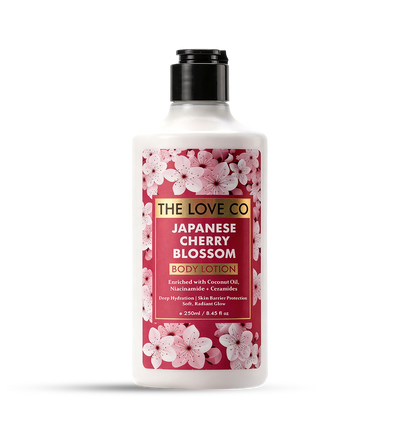
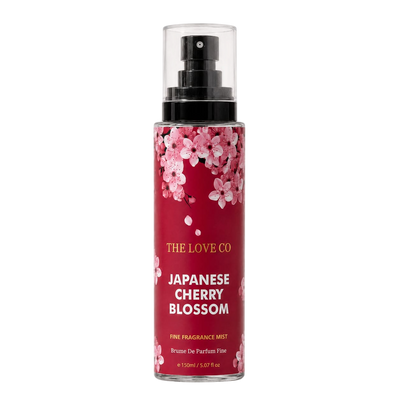
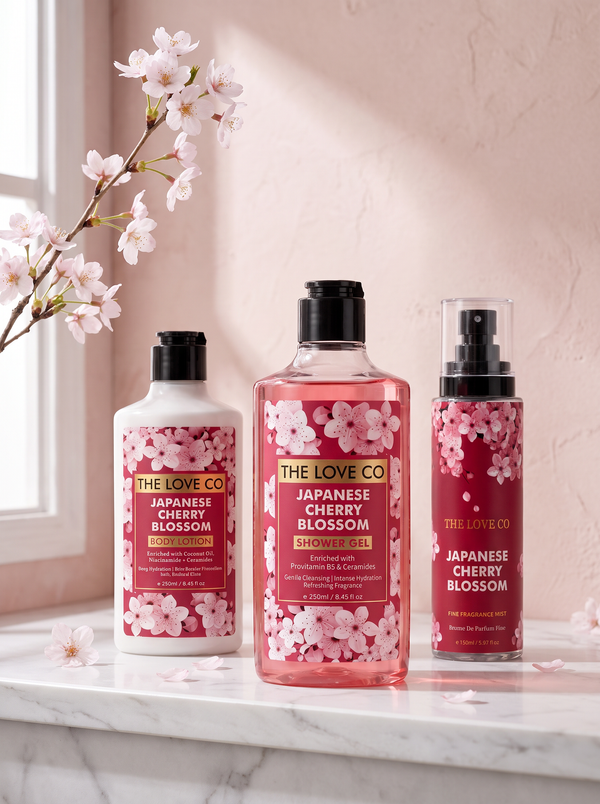
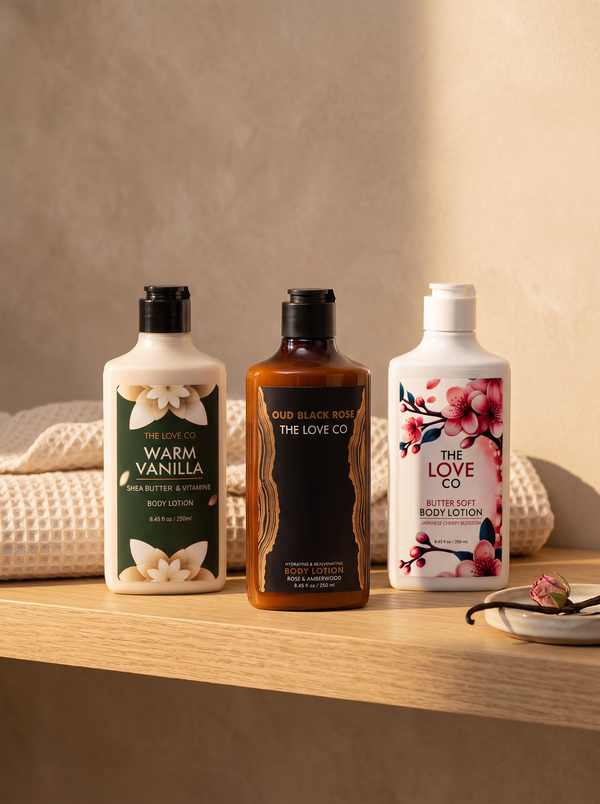
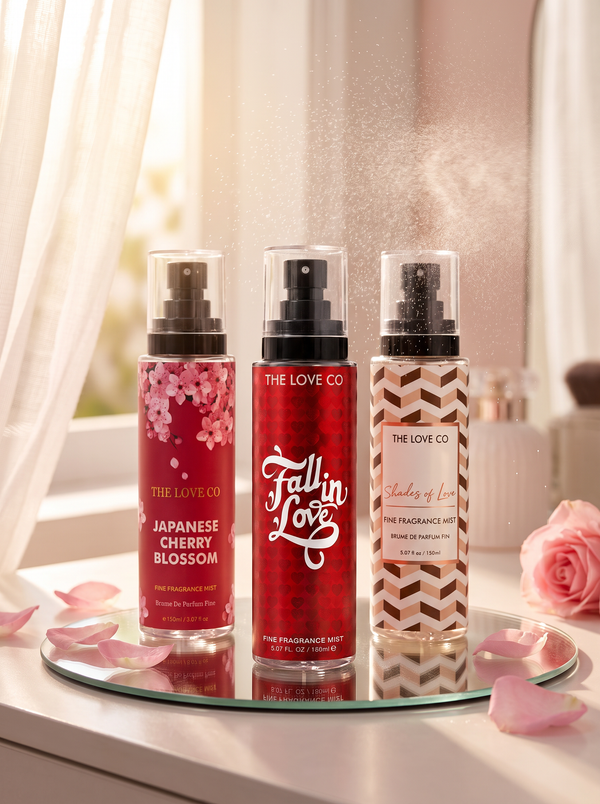
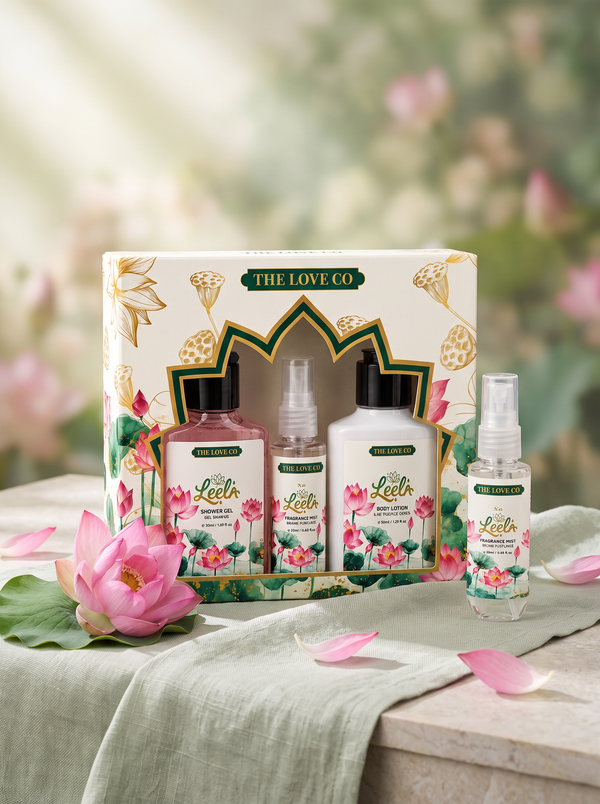
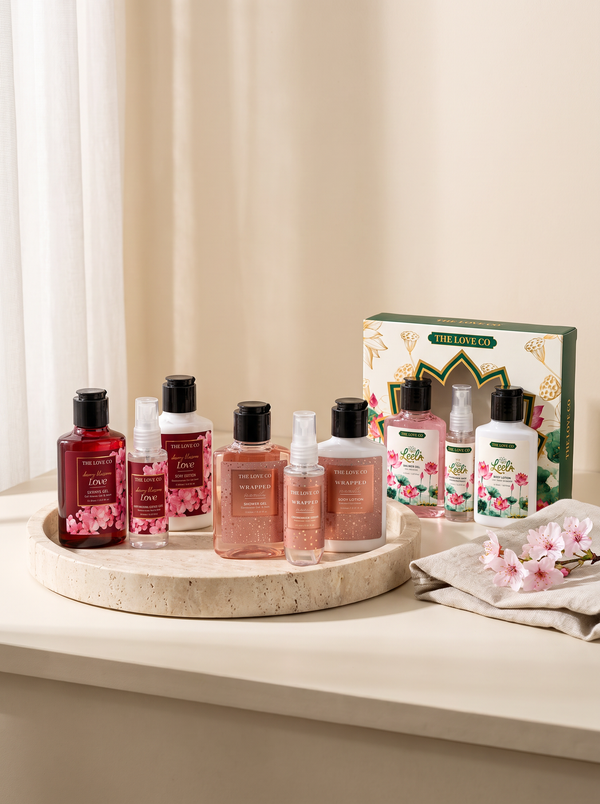
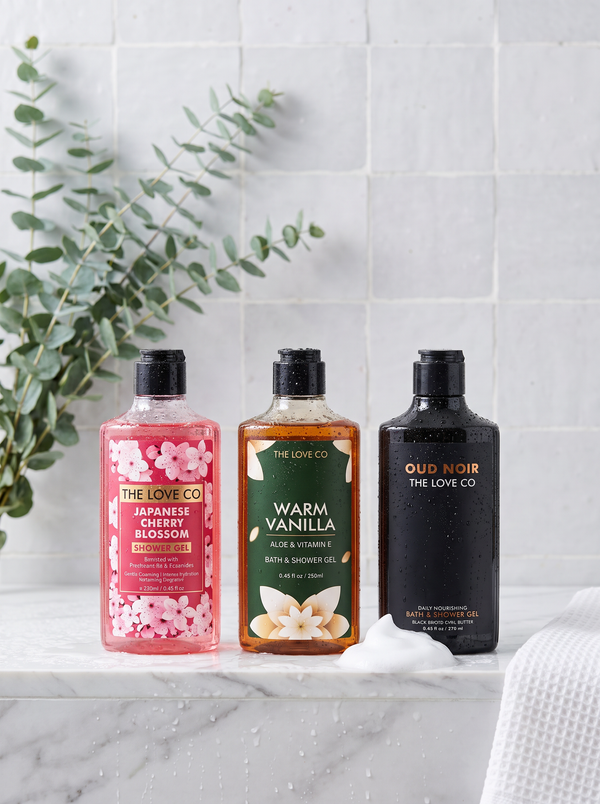
Explore the active body wash range at The Love Co — and see the complete routine with body lotion and body mist.
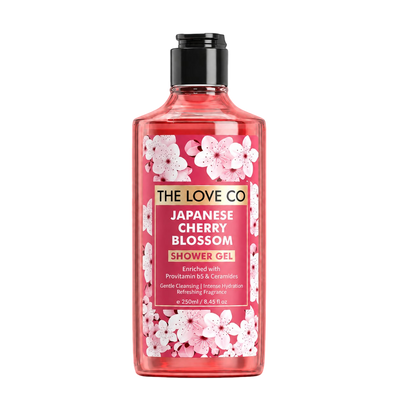
Japanese Cherry Blossom Shower Gel
Scent Trail Step 1 · soft floral body wash Start the Scent Trail here. A pH 5.5, SLS-free cleanser that protects your skin barrier while it washes —...
A ritual is the smallest love you give yourself, daily.
— Shopify API · 08 May 2026