





How Fragrance Affects Mood: The Science of Smell and Emotion
Smell is the only sense wired directly to the brain's emotional centres. This is not poetic — it is anatomical. Here is what that means for choosing a fragrance.
The Olfactory Bypass
Smell signals travel from the nose directly to the amygdala (emotion) and hippocampus (memory) — bypassing the conscious processing layers other senses go through.
This is why smell triggers emotional memories more vividly than sight or sound.
Notes Linked to Specific Moods
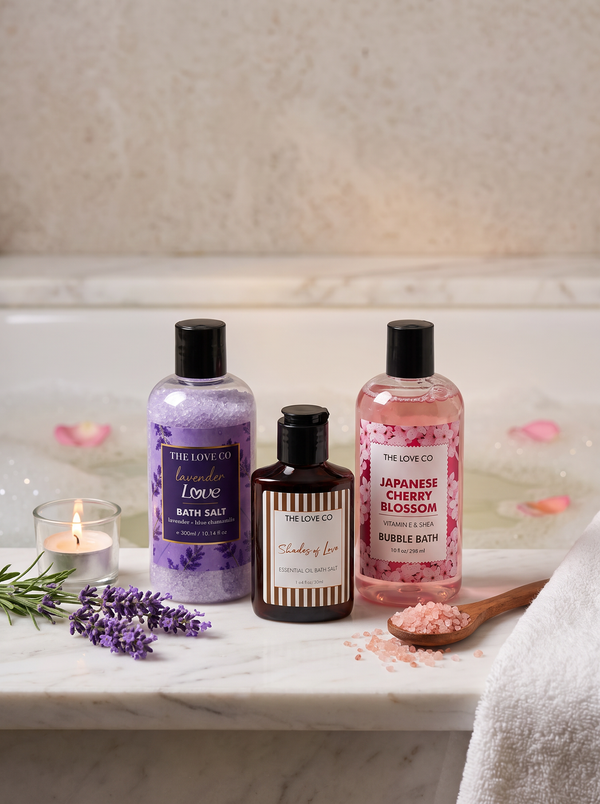
Citrus and mint: alertness, focus, energy. Lavender and chamomile: calm, lower stress hormones. Vanilla and amber: comfort, perceived warmth.
Rose and jasmine: increased perceived attractiveness in clinical studies.
Building a Daily Mood Palette
Citrus or vetiver mist for morning energy. Floral or musk for daytime confidence. Vanilla or sandalwood for evening calm.
Many people use fragrance as a deliberate mood tool — this is well-supported by aromatherapy research.
The Memory Connection
If you wear a specific mist consistently during a meaningful period, the smell becomes anchored to that period. Years later, the same scent will trigger the same emotional state.
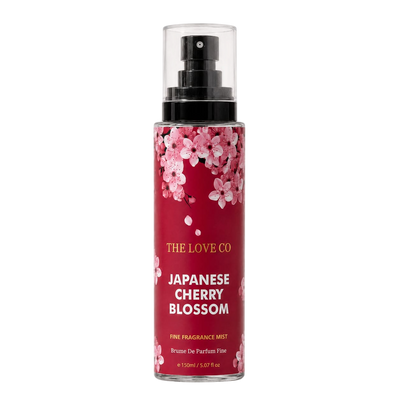
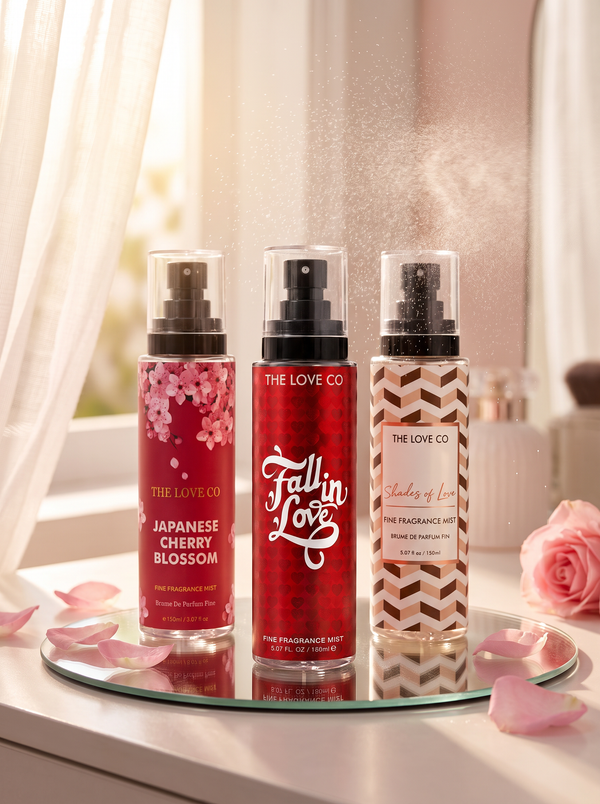
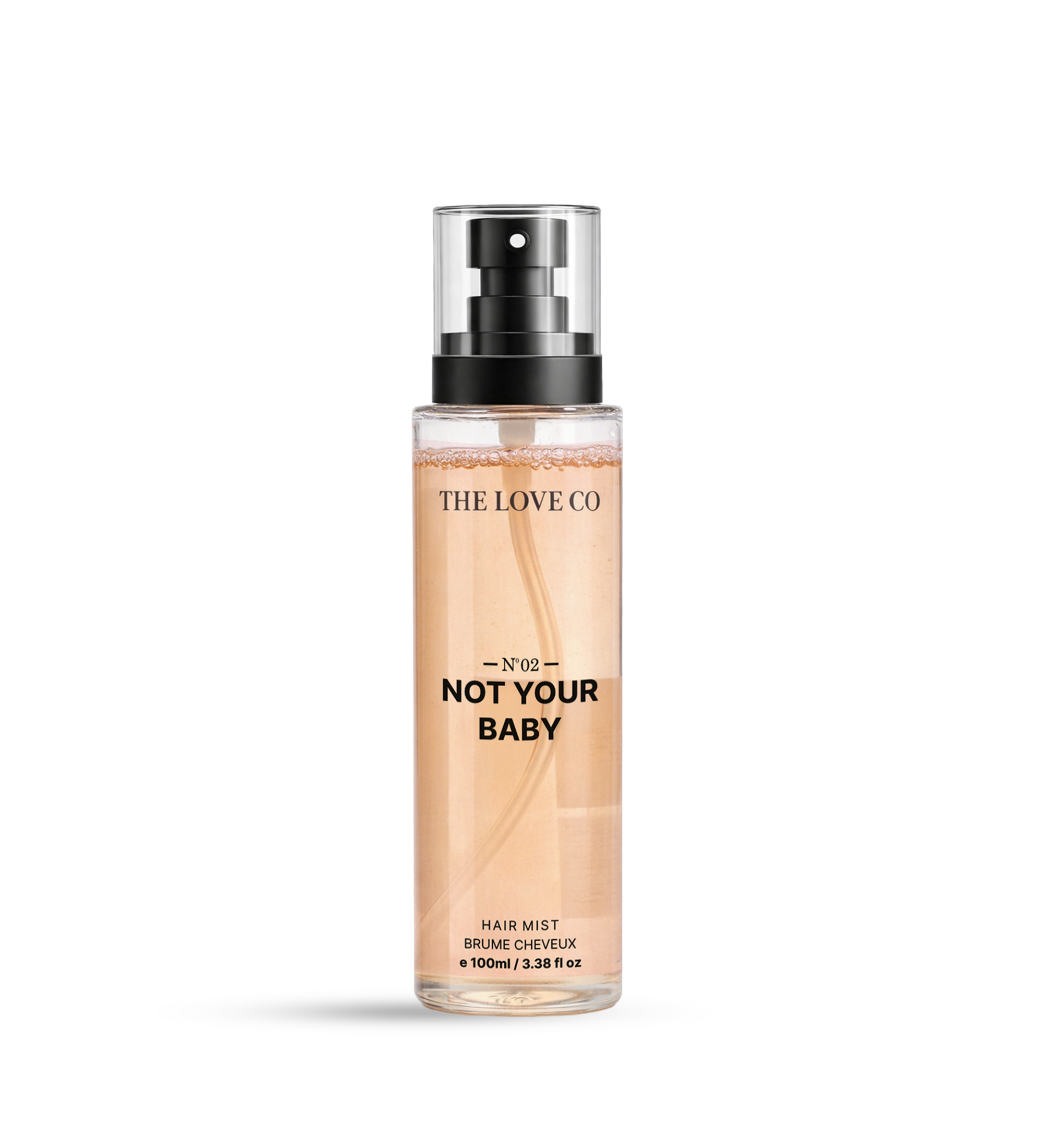
Shop the body mist collection.
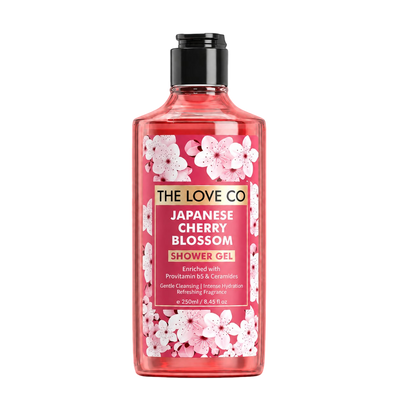
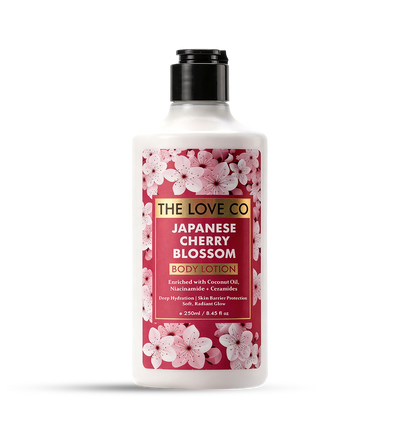
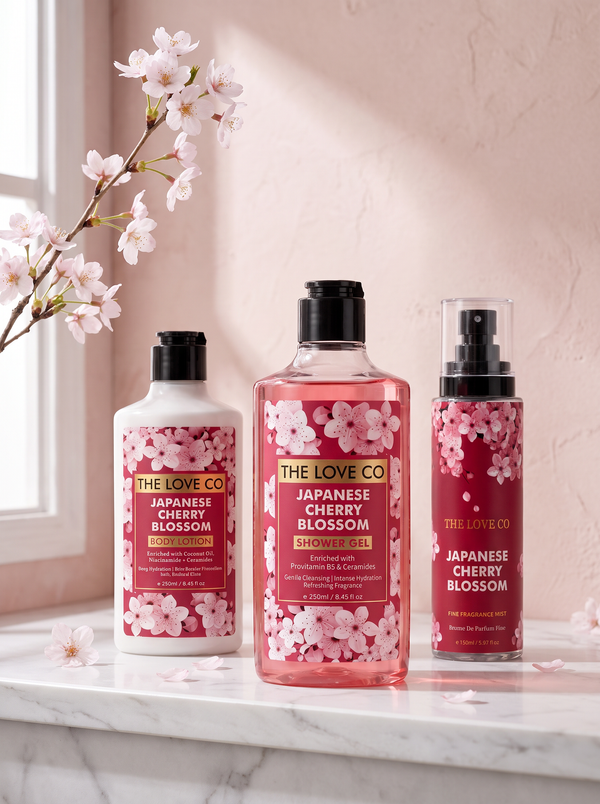
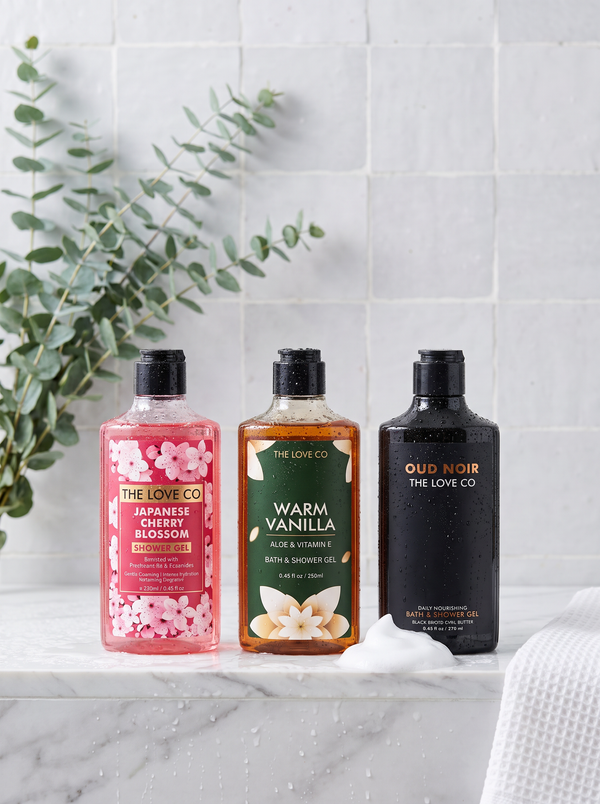
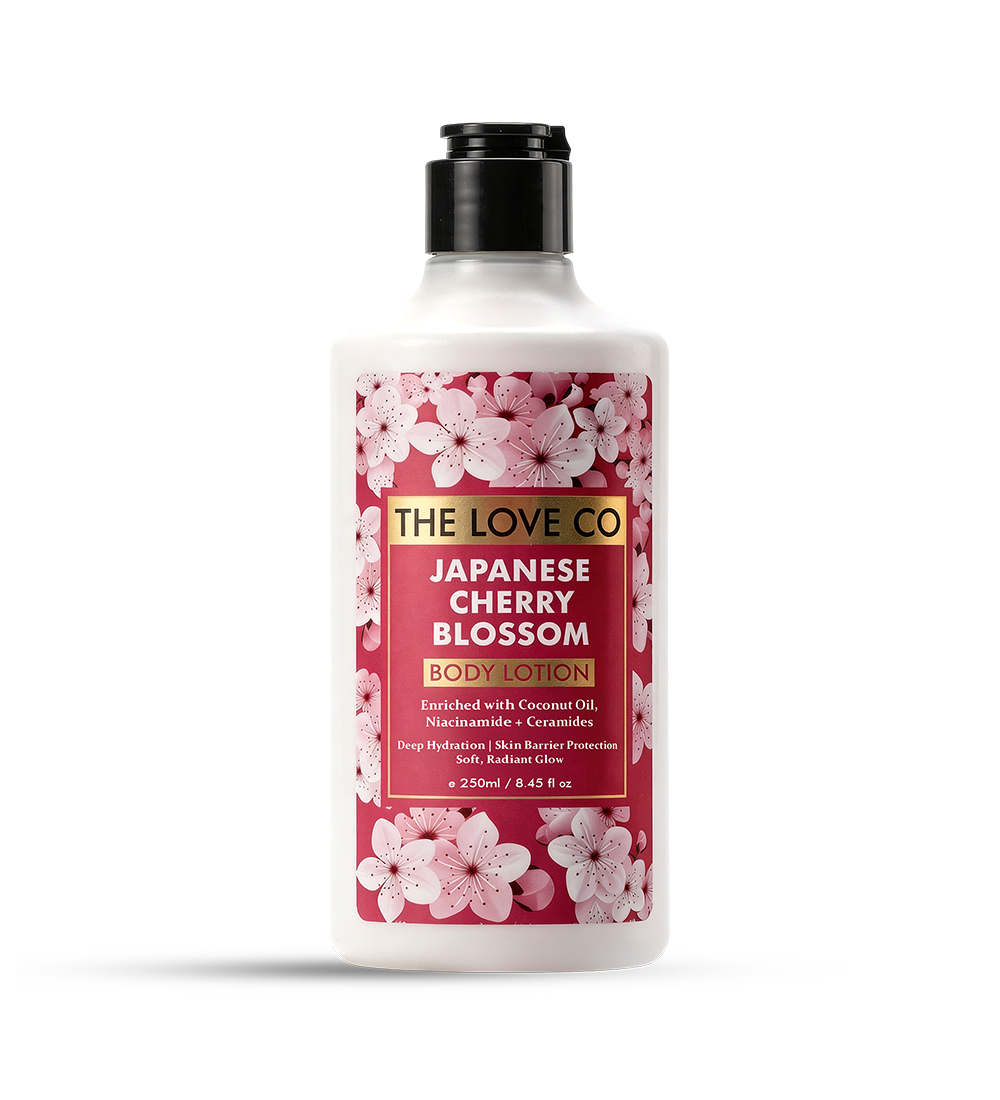
Japanese Cherry Blossom Shower Gel
Scent Trail Step 1 · soft floral body wash Start the Scent Trail here. A pH 5.5, SLS-free cleanser that protects your skin barrier while it washes —...
A ritual is the smallest love you give yourself, daily.
— Shopify API · 10 May 2026