


By The Love Co · Last updated: 2026-08-26
What is a fragrance note?
A fragrance note is a single identifiable scent element within a composition — saffron, bergamot, cedarwood, vanilla. A finished fragrance is dozens of these arranged so that they reveal themselves in sequence rather than all at once.
That sequence is the pyramid: top, heart, base. It is drawn as a pyramid because the base is the widest and heaviest part, holding everything above it up.
Crucially, the tiers are not a creative choice. They are a consequence of molecular weight. Light, volatile molecules leave the skin quickly; heavy ones stay. A perfumer arranges the composition around that physical reality.
| Tier | When you smell it | Typical materials | Its job |
|---|---|---|---|
| Top | 0–10 minutes | Bergamot, mandarin, pear, pink pepper, whipped sugar | First impression. Bright, volatile, gone quickly |
| Heart | 10 minutes – 3 hours | Jasmine, rose, iris, peony, vanilla, amberwood | The character. What you and the people near you live with |
| Base | 3 hours onward | Sandalwood, amber, oud, musk, patchouli, oakmoss, fir resin | The memory. What holds everything else in place |
Why the opening lies
The top notes are the salesman. They are not the product.
Spray a card in a store and you meet 5–10 minutes of the composition — the brightest, sharpest, most immediately pleasing part. It is also the part that will be entirely absent by the time you reach your desk.
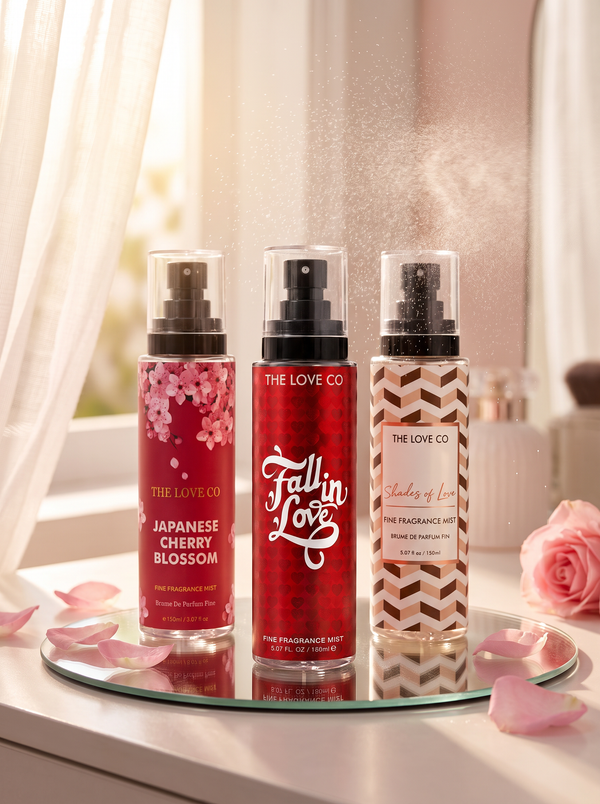
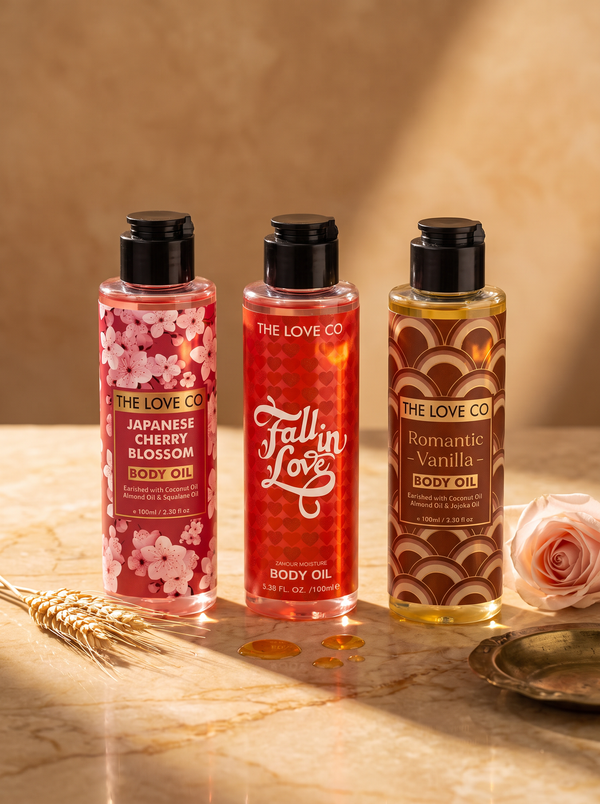
Take Fall in Love. Its pyramid runs saffron and jasmine at the top, amberwood and cedar through the heart, fir resin and oakmoss at the base. The saffron is what sells it in the first minute. The amberwood is what you wear all afternoon. Those are genuinely different experiences, and only one of them is the decision you are making.
The fix is simple and almost nobody does it: spray it on your own skin, leave, and come back to your wrist two hours later.

How to read a real pyramid
Here are three published Love Co pyramids and what each one is actually telling you.
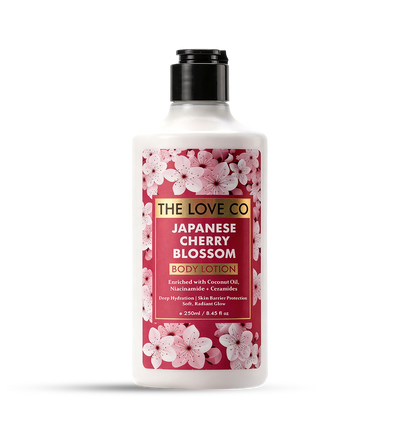
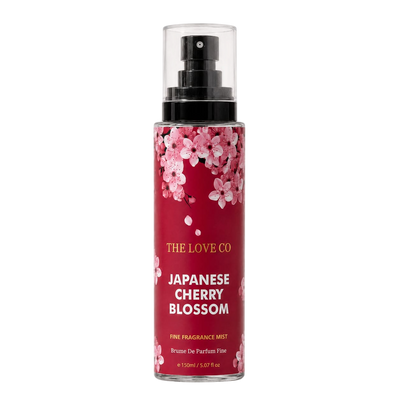
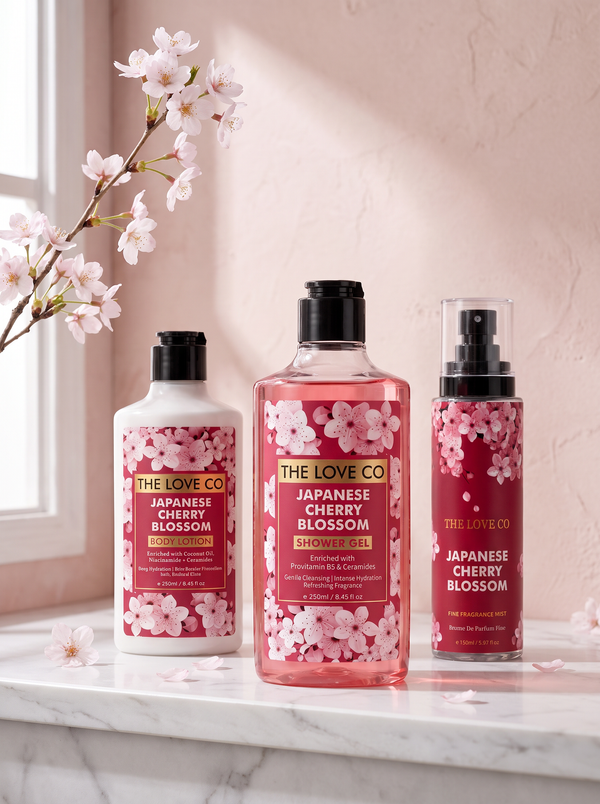
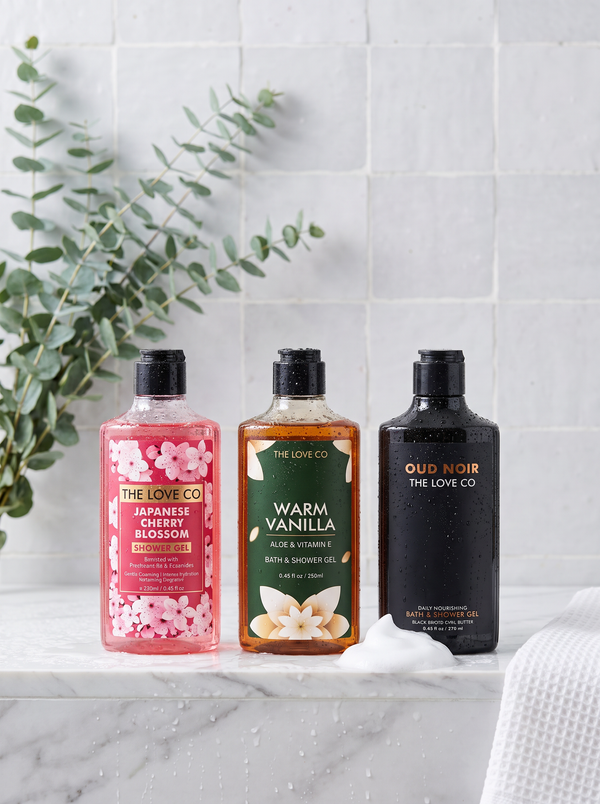
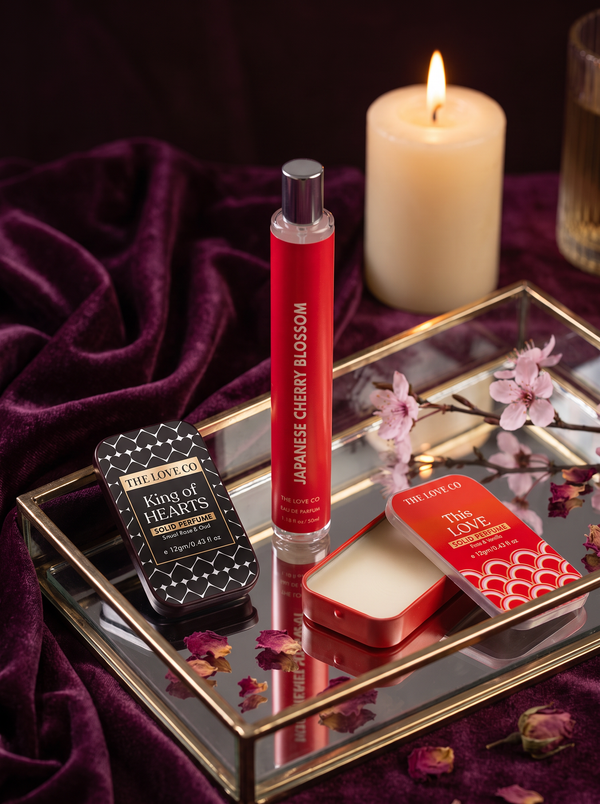
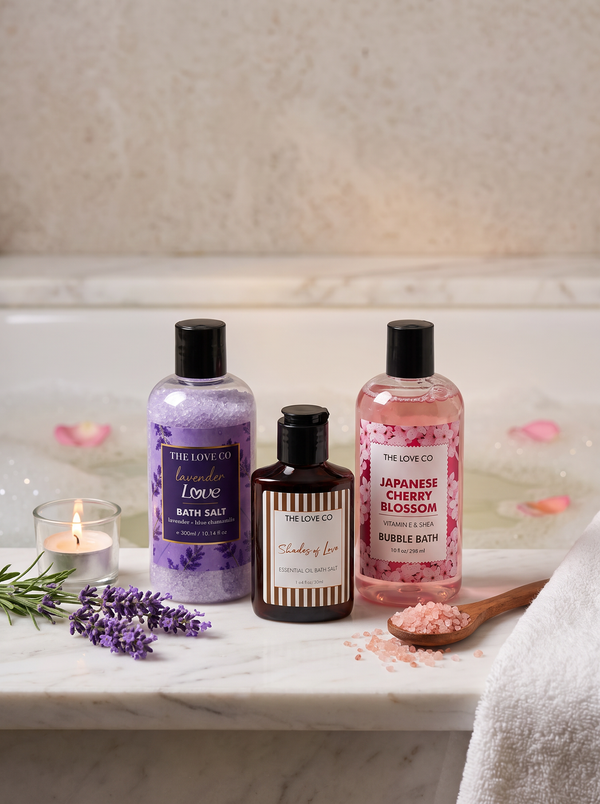
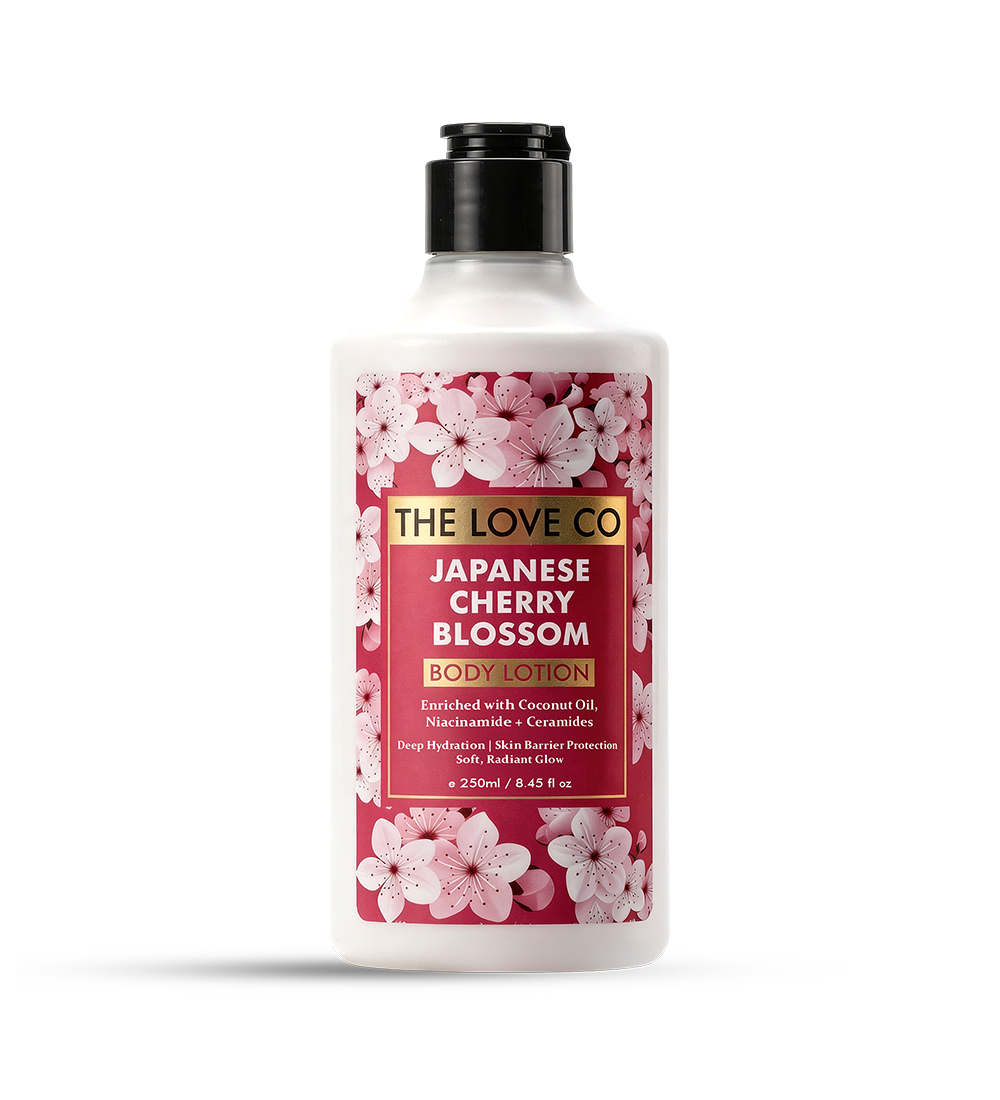
Japanese Cherry Blossom — Top: cherry blossom, crisp pear, mimosa. Heart: plum, white tea, sandalwood. Base: vanilla, cedarwood, soft musk. Read that base: vanilla and musk mean this stays soft and skin-close rather than sharpening as it dries. Sandalwood in the heart is the reason a floral this light does not collapse by noon.
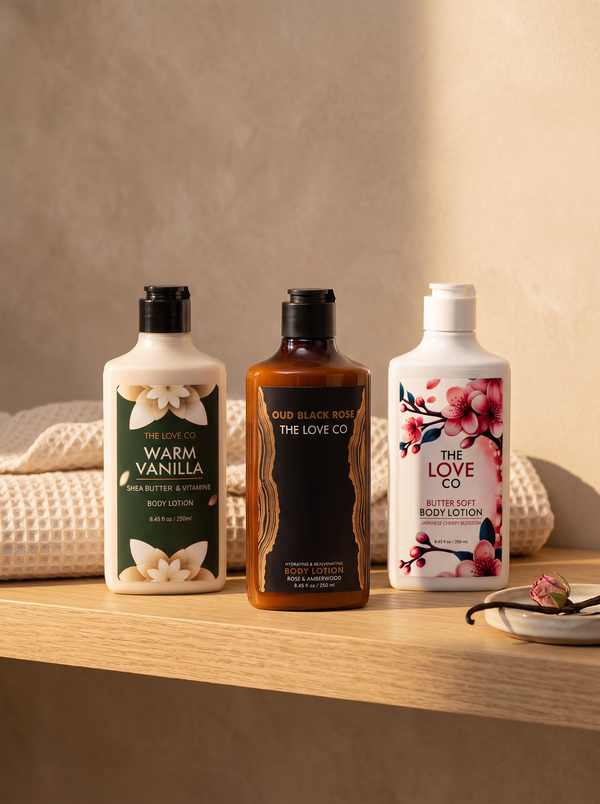
Warm Vanilla — Top: whipped sugar, bergamot. Heart: warm vanilla, coconut. Base: sandalwood, musk. A short pyramid, and deliberately so. This is a comfort fragrance built to sit close, not project.
Twilight Love — Top: apricot nectar, mandarin. Heart: mimosa, white flowers, sandalwood. Base: amber, patchouli, soft musk. Amber and patchouli in the base mean this one has real weight and will still be present at hour six. It is the evening bottle in the range, and the pyramid says so before the marketing does.
Notes, accords and families — the difference
Three words that get used interchangeably and should not be.
A note is one element: sandalwood, jasmine, pink pepper.
An accord is two or more notes blended so they are perceived as a single new smell — the way blue and yellow stop being blue and yellow. 'Amber' is itself an accord, not a raw material.
A family, or olfactive family, is the broad territory a whole fragrance belongs to — floral, gourmand, woody, fresh, opulent. It is the top-level answer to 'what kind of thing is this'.
You choose a family. You judge a pyramid. You smell notes.
Quick questions
What are top, heart and base notes?
Top notes are the first 5–10 minutes, heart notes carry from ten minutes to about three hours, and base notes hold from hour three onward. The tiers exist because lighter molecules evaporate faster than heavier ones.
How long do top notes last?
Typically 5–10 minutes on skin, and less in heat or humidity above 70%. They are the opening, never the fragrance.
Which notes last the longest?
Base notes — sandalwood, amber, oud, musk, patchouli, oakmoss, vanilla and fir resin. These heavier materials evaporate slowly and are what remains at hour six.
What is a fragrance accord?
An accord is a blend of two or more notes that reads as a single new smell rather than its parts. Amber is an accord, not a raw material.
Why does a fragrance smell different after an hour?
Because the top notes have evaporated and you are now smelling the heart. This is designed behaviour, not a fault.
How do I test a fragrance properly?
Spray it on your own skin, not a card, and give it at least two hours before deciding. Skin temperature and chemistry change how a pyramid develops.
The TLC Pick
The most complete pyramid in the range is Fall in Love Body Mist — saffron and jasmine, into amberwood and cedar, down to fir resin and oakmoss. Three distinct acts, and a base built from two classic fixative materials.
Every pyramid in the range is published on the product page. Browse body mist or read the full A–Z of ingredients and notes.
Her grandmother leaned in at the wedding, held her face for a second, and said — that is sandalwood, we used to wear that.
Keep reading
- Olfactive Families: Find Your Scent World
- Perfumery Glossary: 60 Terms Decoded
- Body Mist: The Complete India Guide
- Skin pH and Why Fragrance Smells Different On You
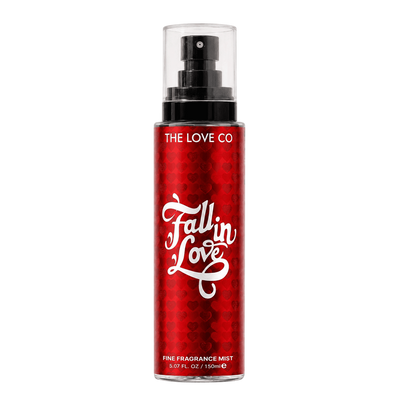
Fall in Love Body Mist
Fall in Love body mist · Spritz, linger The mist for the evening someone asks what you're wearing. Warm saffron, soft jasmine, a woody-amber dry-down. A romantic scent...
A ritual is the smallest love you give yourself, daily.
— Meher Kapoor · 26 Aug 2026