

Oud Fragrance: What Is It and Why Indians Are Falling in Love Again
Oud is the most expensive raw material in perfumery — and one of the oldest fragrance notes on the subcontinent. Here is what it actually is, why it costs what it costs, and how it works on Indian skin.
Where Oud Comes From
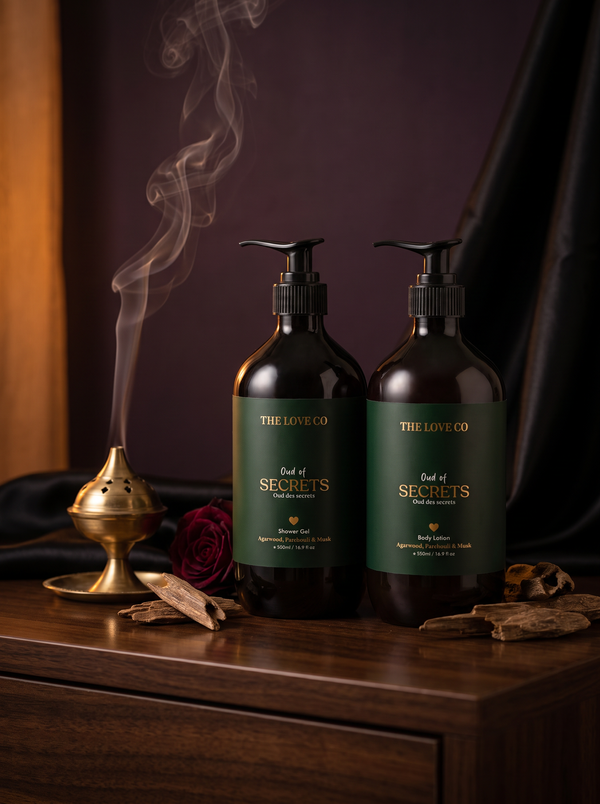
Oud (also called agarwood or oudh) is a resin produced by Aquilaria trees when they are infected with a specific mould. The infection takes years; the resin formation takes decades. This is why genuine oud retails for thousands of rupees per gram.
India and Bangladesh were historically the world's primary oud producers. Assam oud is still considered among the finest grades in the world.
What Oud Smells Like
Real oud is animalic, woody, smoky, and slightly leathery. It has none of the sweet 'perfume' character of florals — it smells ancient, complex, and skin-like.
On Indian skin (which tends to have warmer undertones), oud blooms more intensely than on cooler northern European skin — the molecules bind to natural sebum and warm skin temperature amplifies them.
Why Oud Lasts So Long
Oud molecules are large and heavy. They evaporate slowly and bind to skin proteins, which means a single spray can be detectable for 8–12 hours.
This makes oud-based mists ideal for Indian summers when lighter florals burn off in 30 minutes.
Buying Oud Without Overpaying
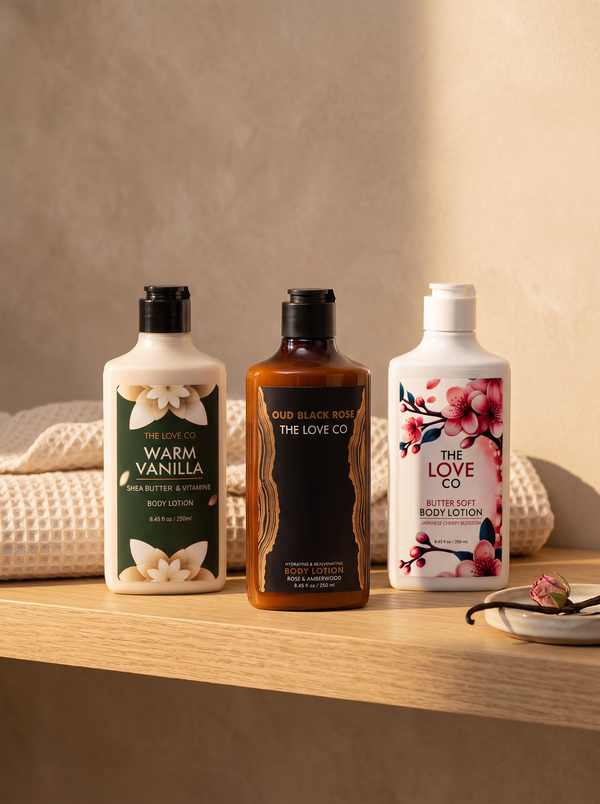
Most affordable 'oud' fragrances use synthetic oud accords — molecules engineered to mimic the scent. These are excellent for daily wear and avoid the cost (and sustainability concerns) of wild oud harvesting.
Look for body mists that list 'oud accord' or 'agarwood' in the base notes for that warm, lingering character.
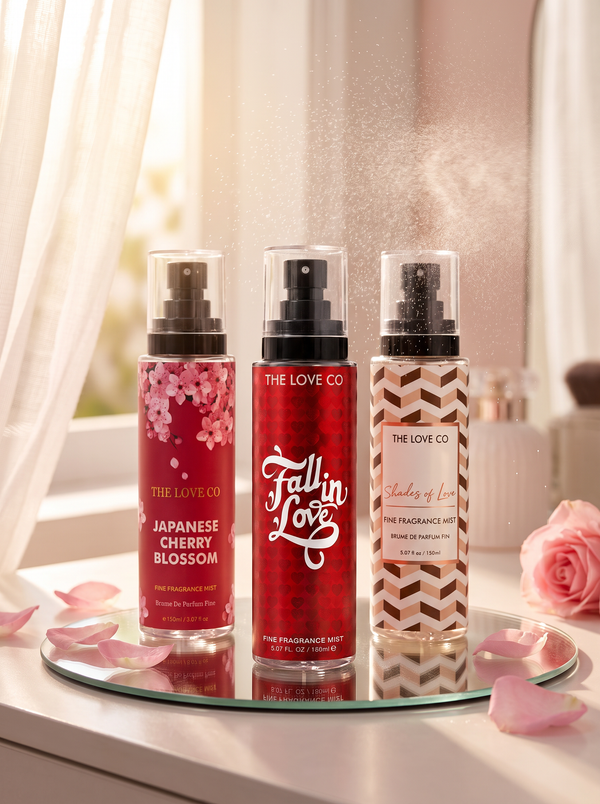
Shop the body mist collection.
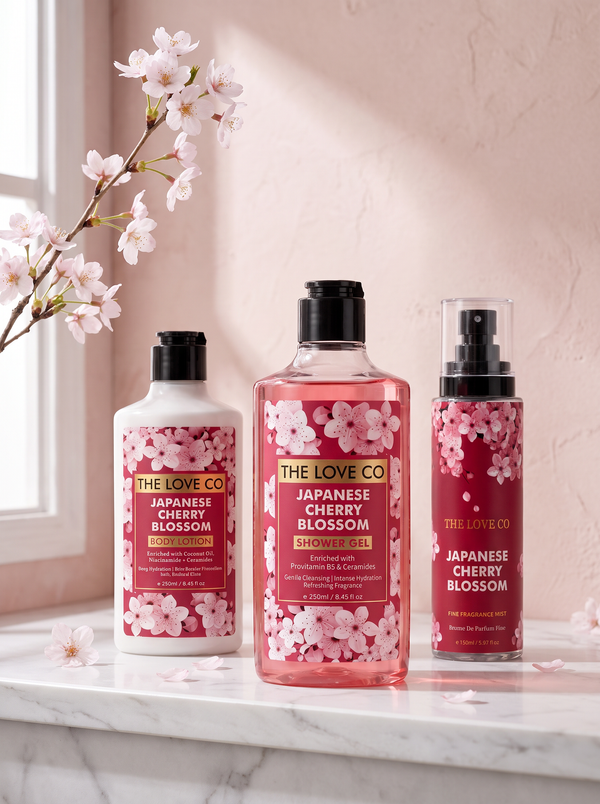
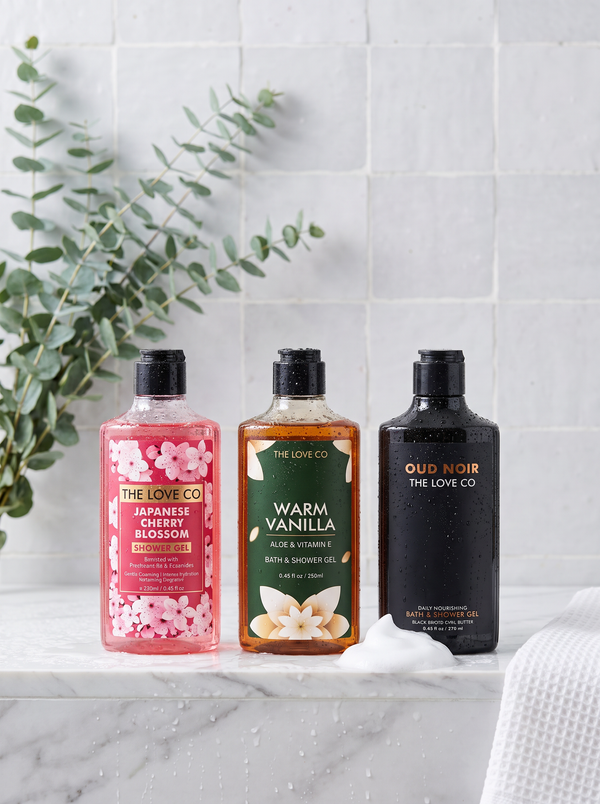
Japanese Cherry Blossom Shower Gel
Scent Trail Step 1 · soft floral body wash Start the Scent Trail here. A pH 5.5, SLS-free cleanser that protects your skin barrier while it washes —...
A ritual is the smallest love you give yourself, daily.
— Shopify API · 10 May 2026