



Kannauj Rose: India's 400-Year-Old Perfume Capital and What It Smells Like
In a small town in Uttar Pradesh, families have been distilling rose attar in copper pots since the Mughal era. Kannauj is the reason India had a perfume tradition centuries before Paris.
The Deg-Bhapka Method
Kannauj's perfumers still use the deg-bhapka method — copper stills heated over wood fires, with the vapour condensing through bamboo pipes into receivers of sandalwood oil. The process is unchanged in 400 years.
It takes roughly 4,000 kilograms of rose petals to produce one kilogram of pure rose attar.
What Kannauj Rose Smells Like
Unlike Bulgarian or Turkish rose, Kannauj rose has a darker, honeyed, almost spiced character. It is less sweet and more complex.
The traditional pairing with sandalwood gives it a creamy, warm finish that sits beautifully on Indian skin.
Why It Suits Indian Climate
The natural sandalwood base in Kannauj attar fixes the volatile rose molecules — they evaporate more slowly than in alcohol-based perfumes.
This is why an attar applied at 8 am can still be detectable at 8 pm, even in 38°C summer heat.
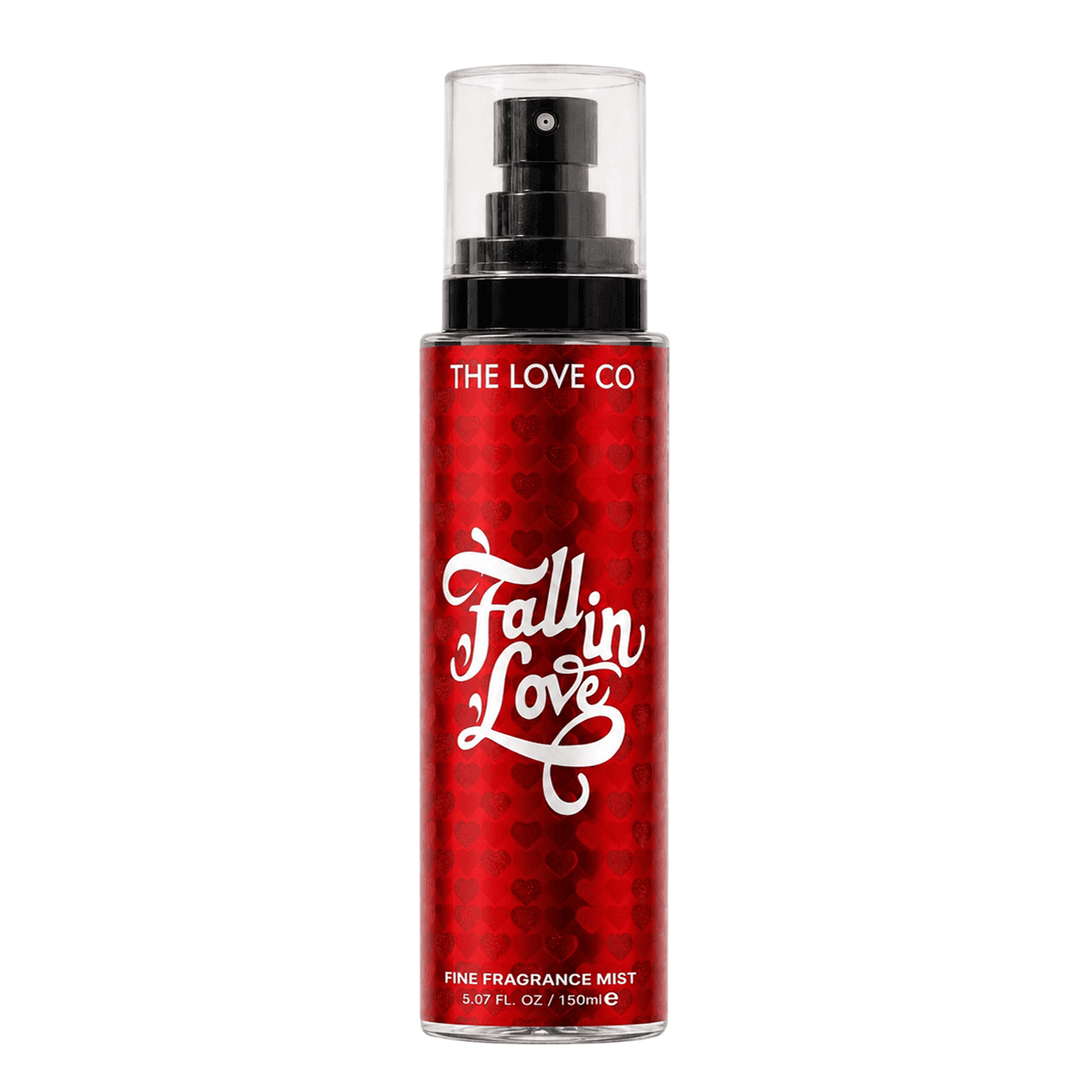
Modern Mists with Kannauj DNA
Contemporary Indian fragrance brands are reviving Kannauj-style rose accords in body mists — pairing rose with sandalwood, oud, or saffron rather than the lighter florals popular in Western perfumery.
Shop the body mist collection.
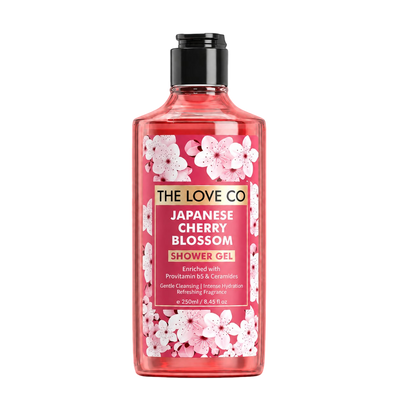
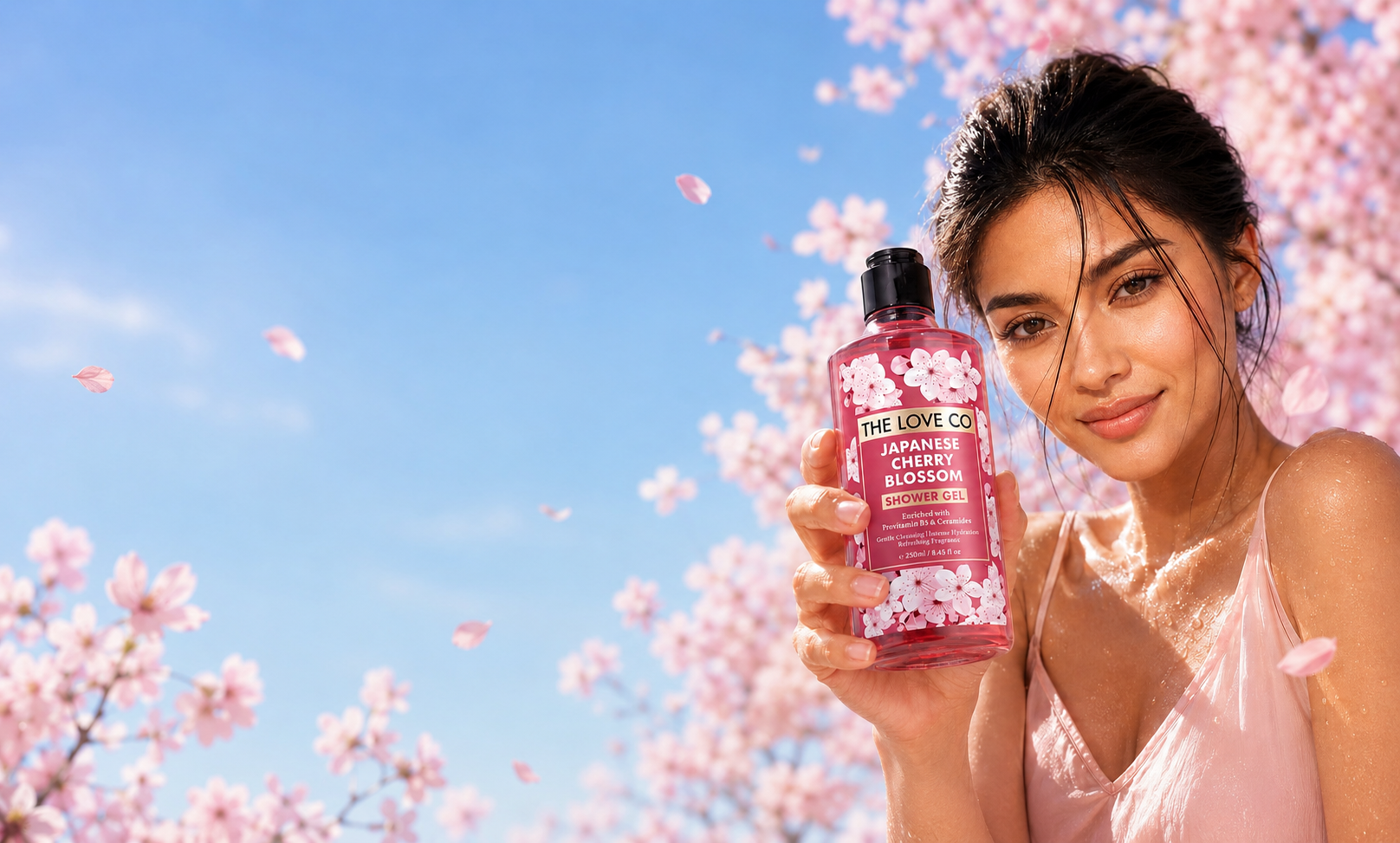
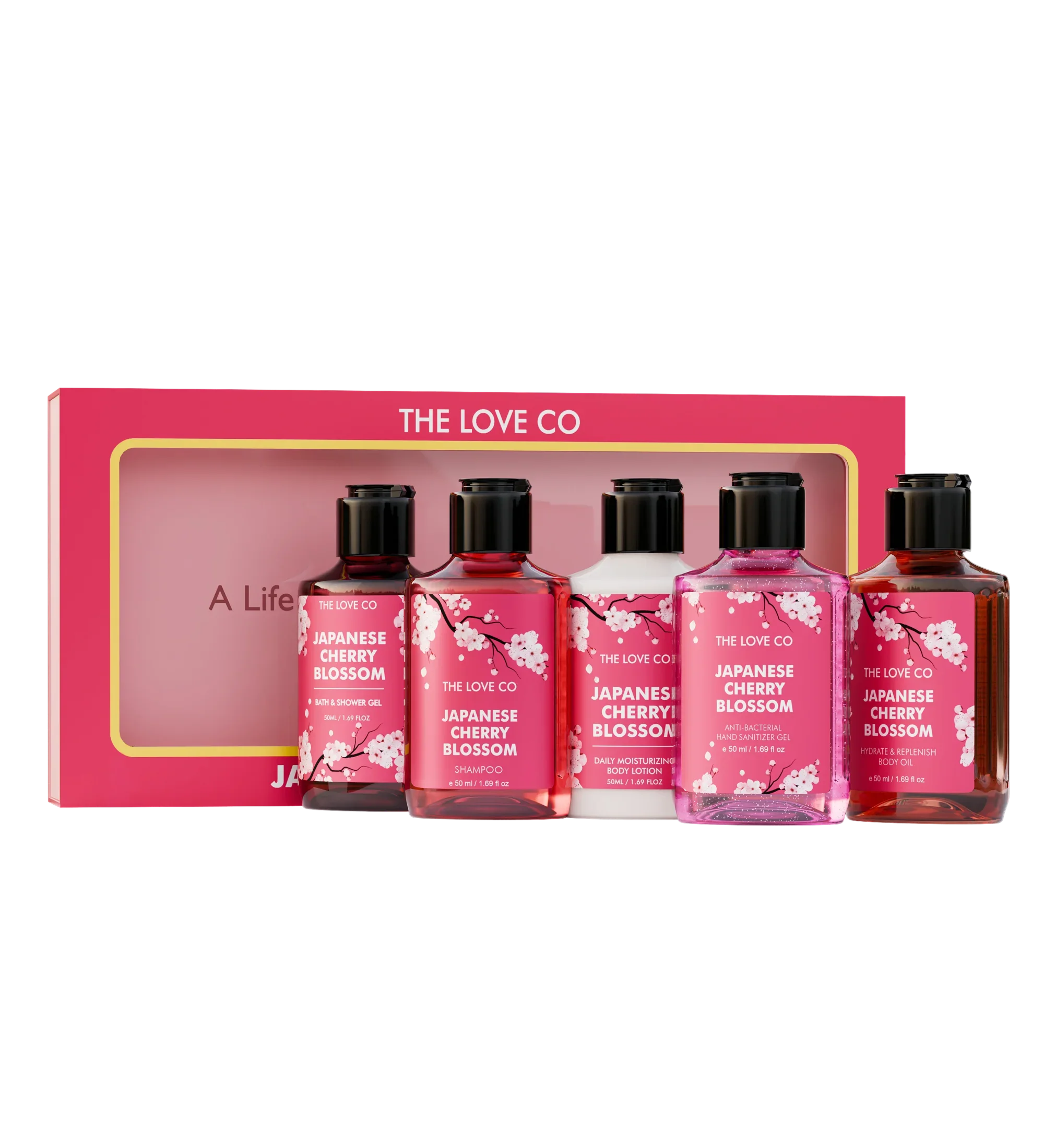
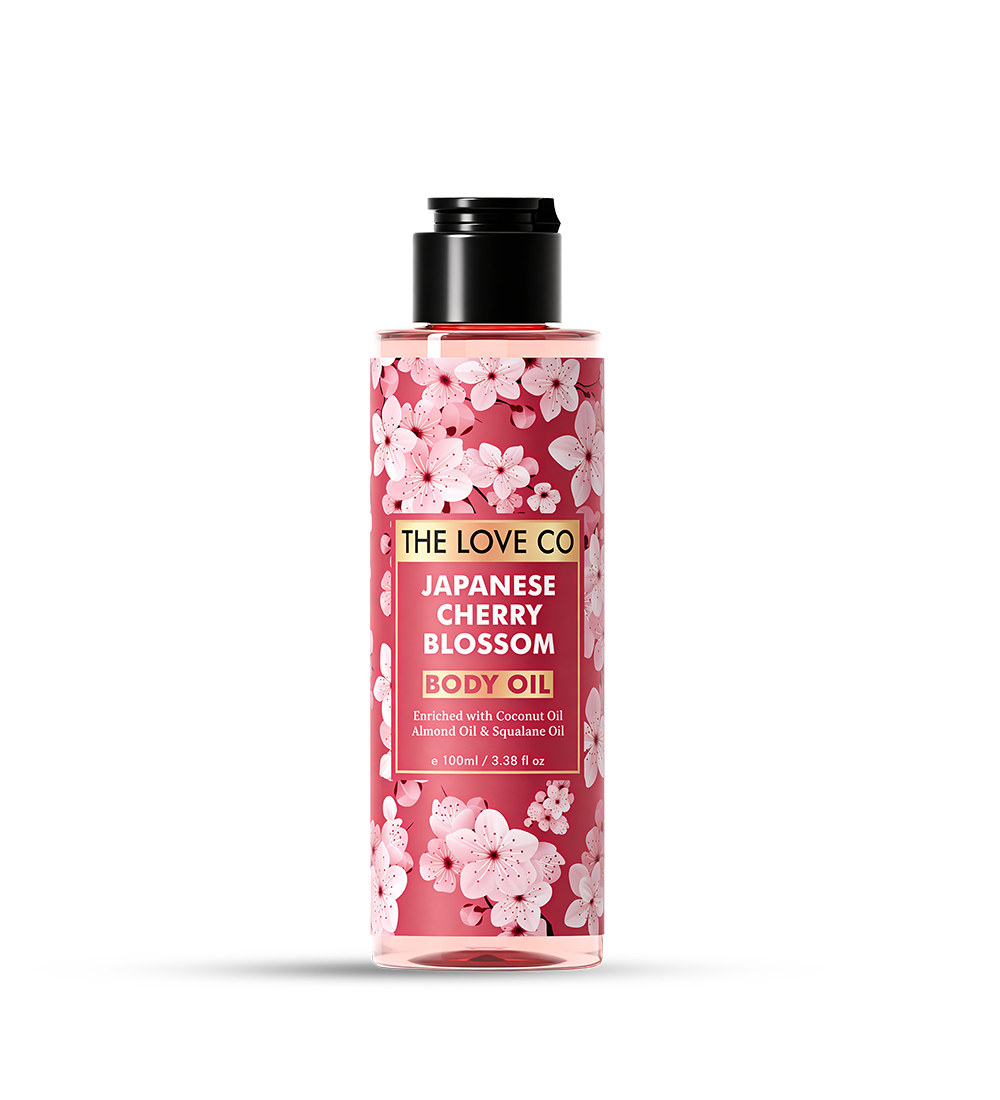
Japanese Cherry Blossom Shower Gel
Scent Trail Step 1 · soft floral body wash Start the Scent Trail here. A pH 5.5, SLS-free cleanser that protects your skin barrier while it washes —...
A ritual is the smallest love you give yourself, daily.
— Shopify API · 10 May 2026