



Sandalwood Fragrance: Why Mysore Sandalwood Defines Indian Perfumery
If oud is the king of Arabian perfumery, sandalwood is the soul of Indian perfumery. Here is why it has anchored Indian fragrance for over 2,000 years.
What Makes Mysore Sandalwood Special
Santalum album, the species native to Karnataka, contains the highest concentration of santalol — the molecule responsible for sandalwood's creamy, warm scent. It can take 30 years for a tree to develop full fragrance.
Due to over-harvesting, true Mysore sandalwood is now strictly regulated; most commercial sandalwood is Australian (Santalum spicatum), which is lighter and less creamy.
How Sandalwood Behaves on Skin
Sandalwood is a base note — it unfolds slowly over 6–10 hours and binds to skin proteins. It is what perfumers call a 'fixative' — it slows the evaporation of other notes layered on top.
This is why traditional attars layer rose, jasmine, or saffron onto a sandalwood base.
Sandalwood and Indian Skin
The warm, slightly nutty character of sandalwood blooms on warm Indian skin in a way that cooler base notes (like patchouli) do not. It feels like an extension of skin rather than a layer over it.
Where to Find It Today
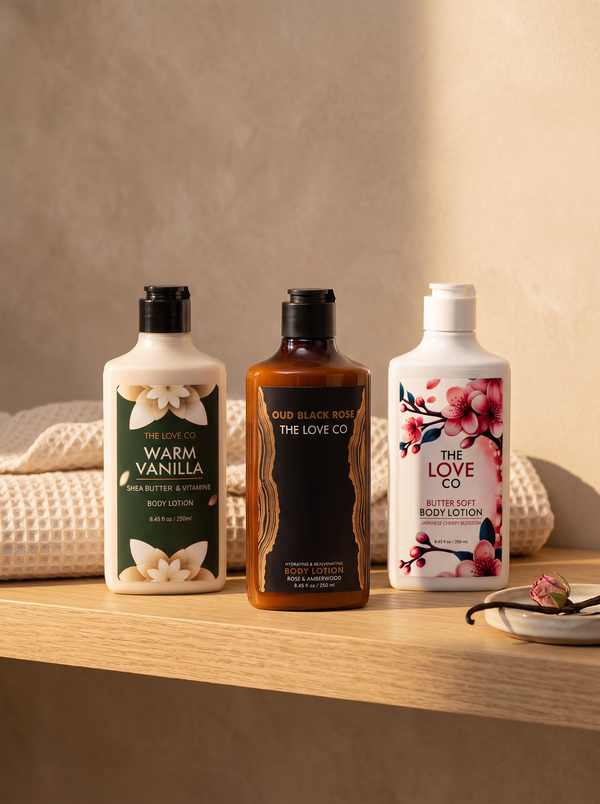
Look for mists and lotions that list 'sandalwood' or 'santal' in the base. Even synthetic santalol accords carry that creamy character — and avoid the sustainability issues of wild harvesting.
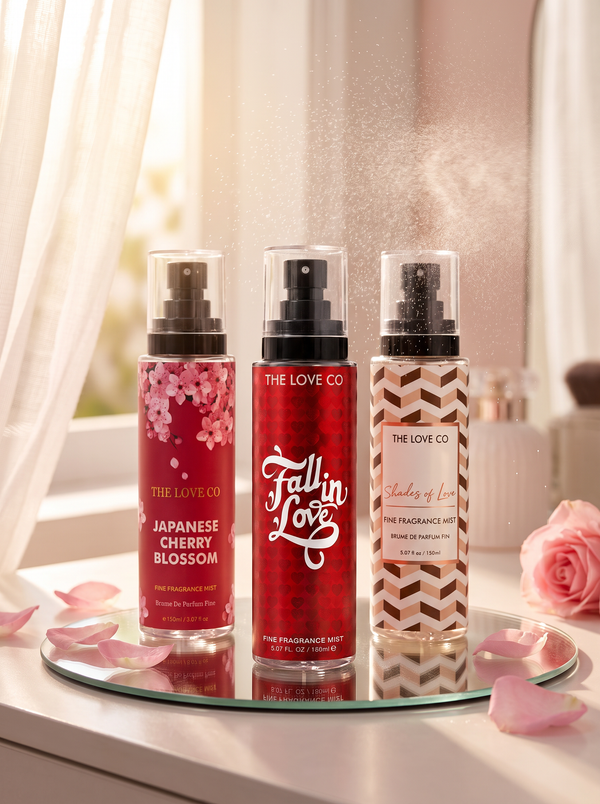
Shop the body mist collection.
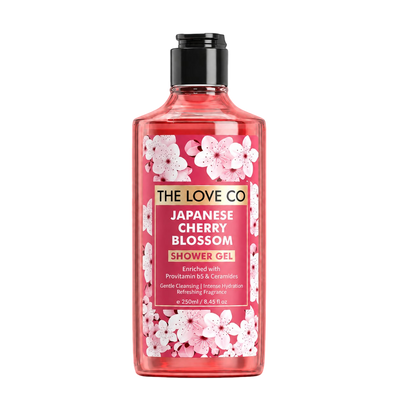
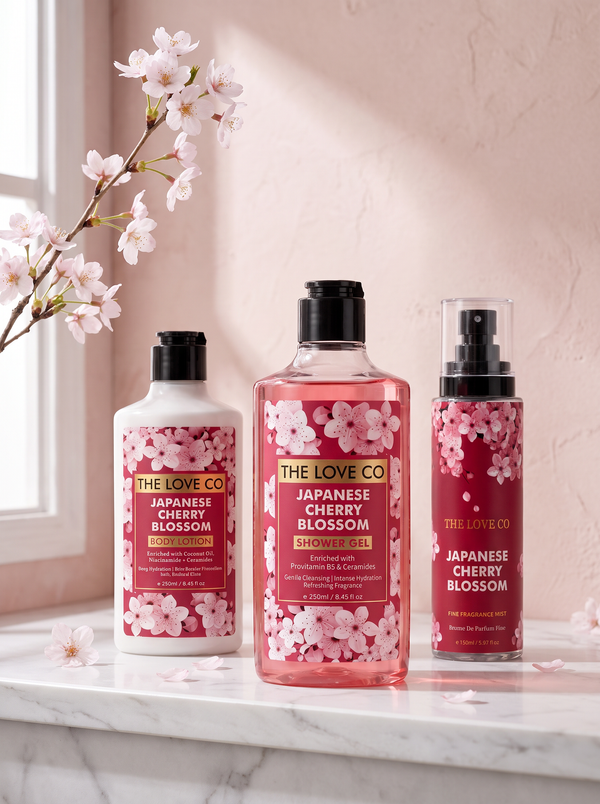
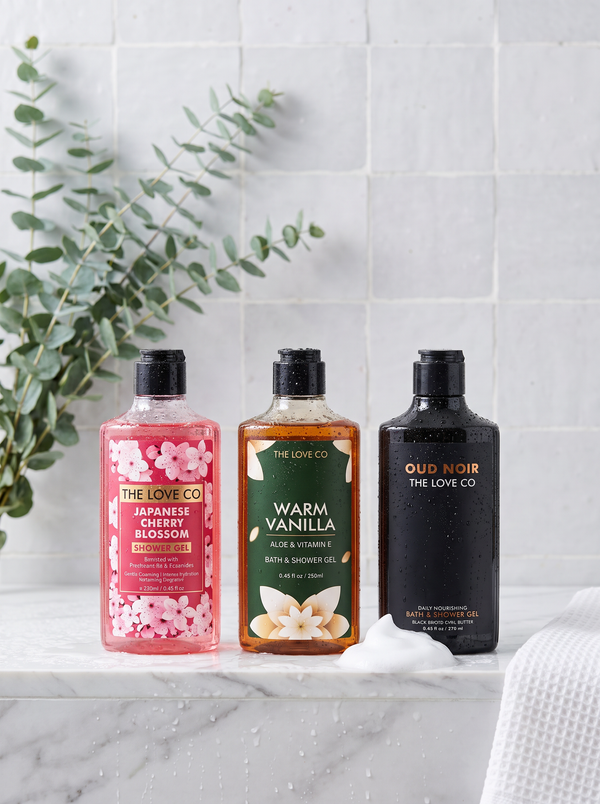
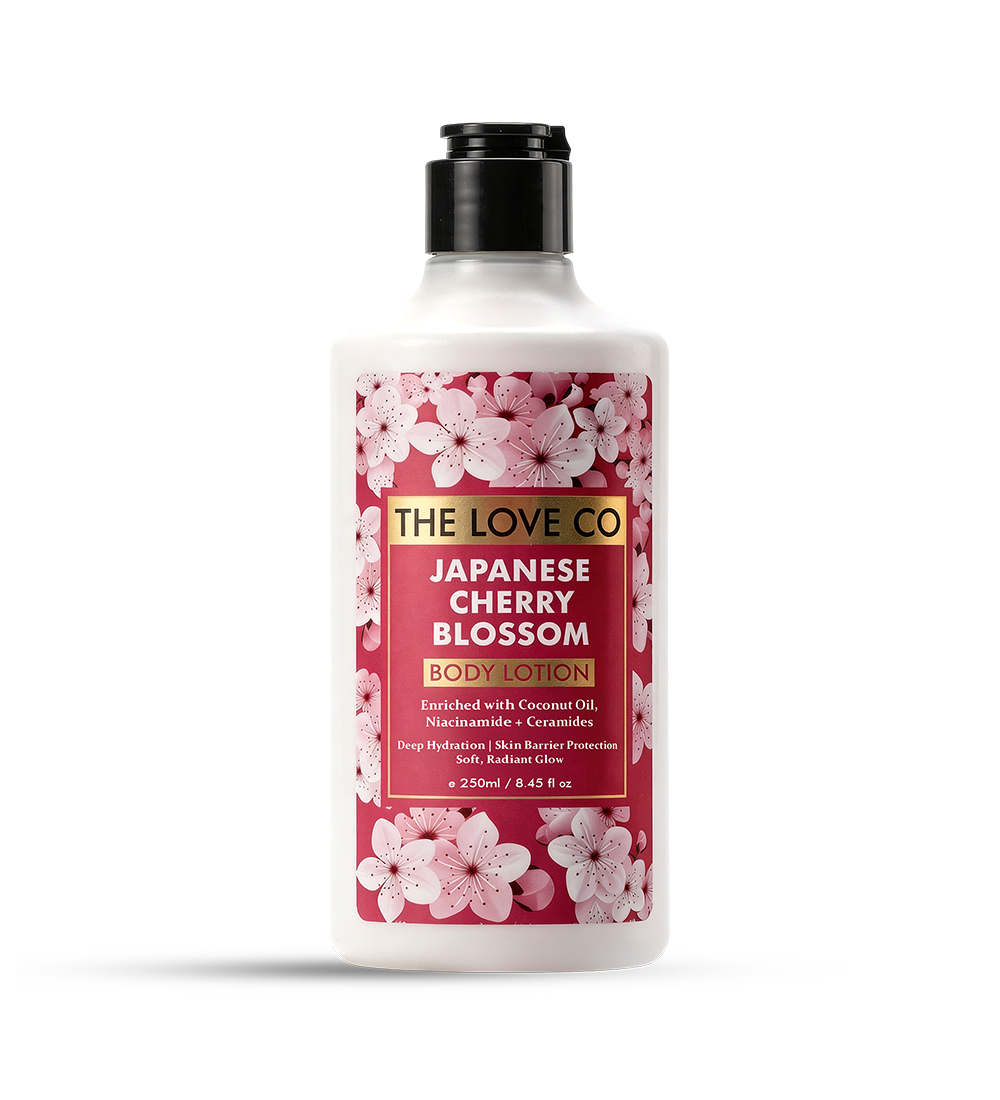
Japanese Cherry Blossom Shower Gel
Scent Trail Step 1 · soft floral body wash Start the Scent Trail here. A pH 5.5, SLS-free cleanser that protects your skin barrier while it washes —...
A ritual is the smallest love you give yourself, daily.
— Shopify API · 10 May 2026