




The History of Attar: India's 1,000-Year-Old Perfume Tradition
Centuries before alcohol-based perfumery emerged in Europe, India was distilling oil-based attars in copper stills. Here is how that tradition shaped modern Indian fragrance.
Origins in Persia and the Subcontinent
The word 'attar' comes from the Persian 'itr', meaning fragrance. The technique reached India in the 12th century and flourished under the Mughals — Akbar's court reportedly stocked over 100 distinct attars.
Kannauj became India's perfume capital in the 16th century; its rose attar was prized from Cairo to Constantinople.
Why Oil Instead of Alcohol
Islamic prohibitions on alcohol meant attars were distilled into a sandalwood oil base instead of grain alcohol. This made them heavier, longer-lasting, and warmer on skin.
It also meant attars suited tropical climates better — they did not 'flash off' the way alcohol perfumes do.
Famous Indian Attars
Ruh Gulab (rose attar), Mitti (the smell of first monsoon rain on dry earth), Hina (saffron, oud, sandalwood blend), Shamama (a complex herbal blend).
Mitti attar — distilled from baked clay tiles — is uniquely Indian and has no equivalent in any other perfume tradition.
Modern Revival
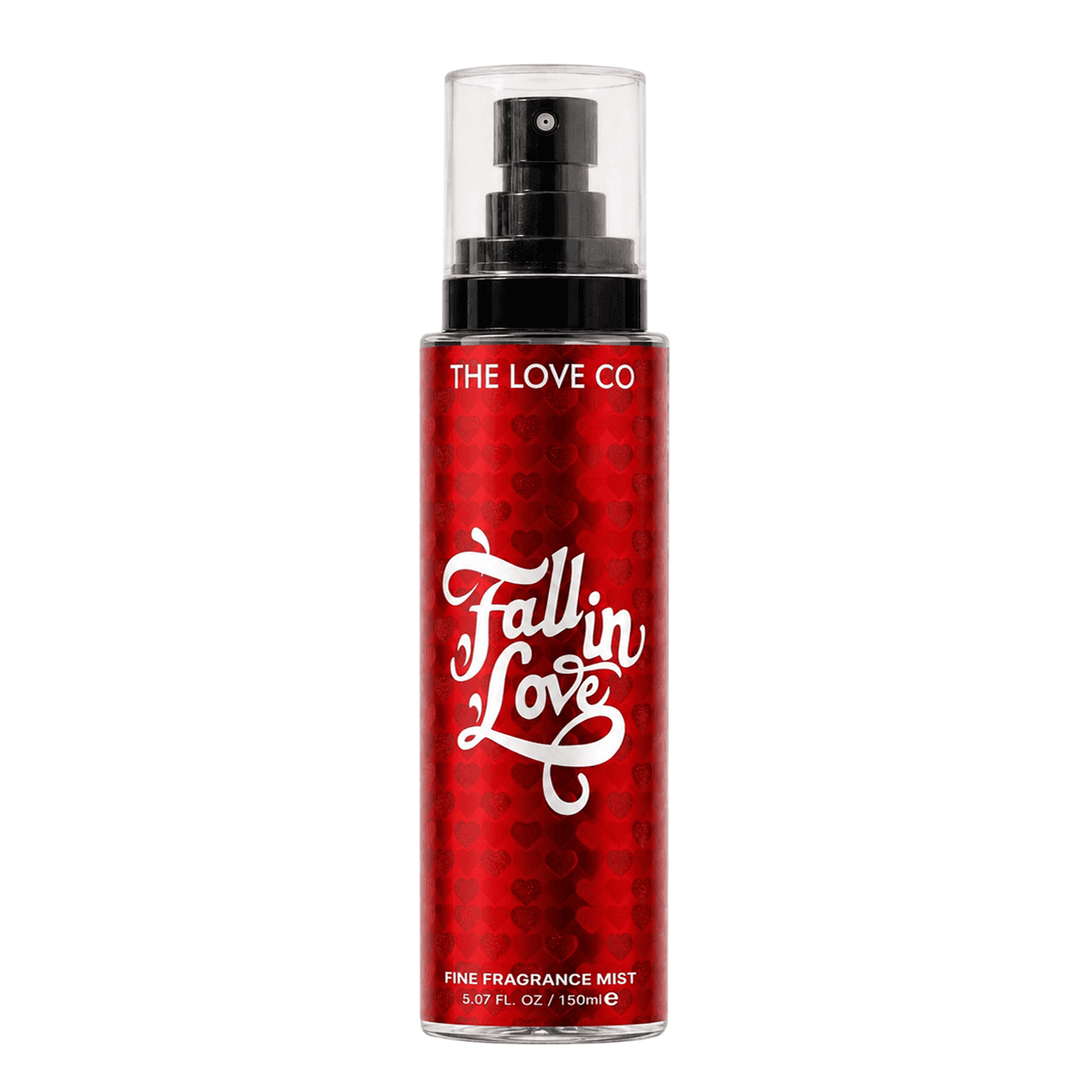
Indian fragrance brands are reviving traditional attar accords in modern formats — body mists, perfume sprays, and lotions — making the tradition accessible without the price of pure attar.
Shop the body mist collection.
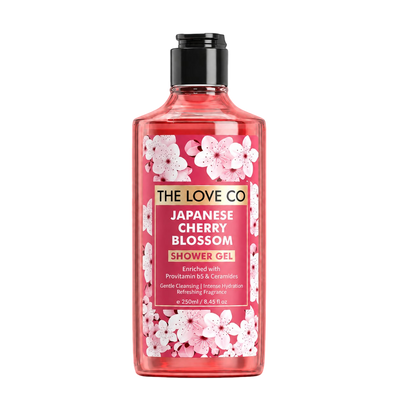
Japanese Cherry Blossom Body Wash
Scent Trail Step 1 · soft floral body wash Start the Scent Trail here. A pH 5.5, SLS-free cleanser that protects your skin barrier while it washes —...
A ritual is the smallest love you give yourself, daily.
— Shopify API · 10 May 2026