



Jasmine: India's Most Iconic Floral Note in Modern Fragrance
Jasmine is the most expensive floral in perfumery — and India is one of its largest producers. From temple offerings to premium perfumes, here is what makes this flower so powerful.
Two Jasmines Indians Know
Jasminum sambac (mogra/mallige) — heady, intense, slightly fruity. Used in temple garlands and South Indian wedding strings.
Jasminum grandiflorum (chameli) — softer, more honeyed, slightly green. Grown in Tamil Nadu and used in some of the world's most expensive perfumes.
Why Jasmine Is So Expensive
Jasmine flowers must be picked by hand at dawn before the sun degrades the scent. It takes around 8,000 flowers to produce 1 ml of jasmine absolute.
Indian jasmine absolute can retail for ₹3,00,000+ per kilogram.
How Jasmine Behaves on Skin
Jasmine is a heart note — emerges 15 minutes after spray and dominates for 3–5 hours. It blooms more intensely on warm skin (read: Indian skin in Indian climate).
Wearing Jasmine Today
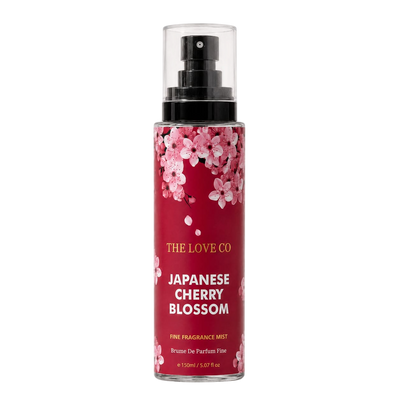
Modern jasmine mists balance the heady character with citrus or fruity tops to keep it from being overwhelming. Look for 'jasmine sambac' or 'mogra' on labels for that distinct Indian character.
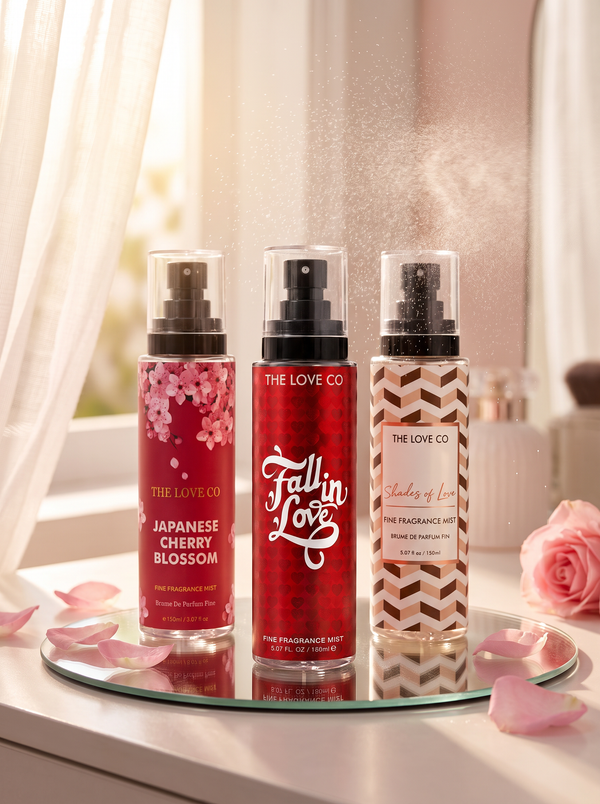
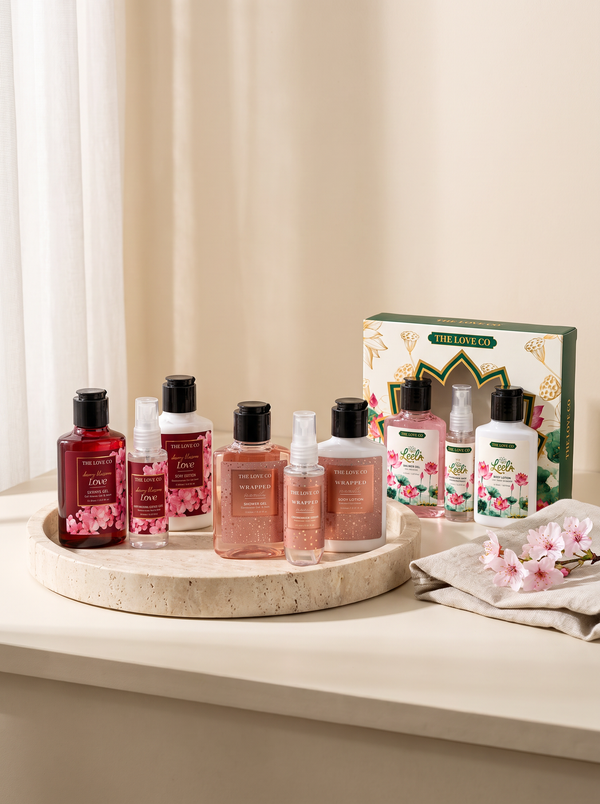
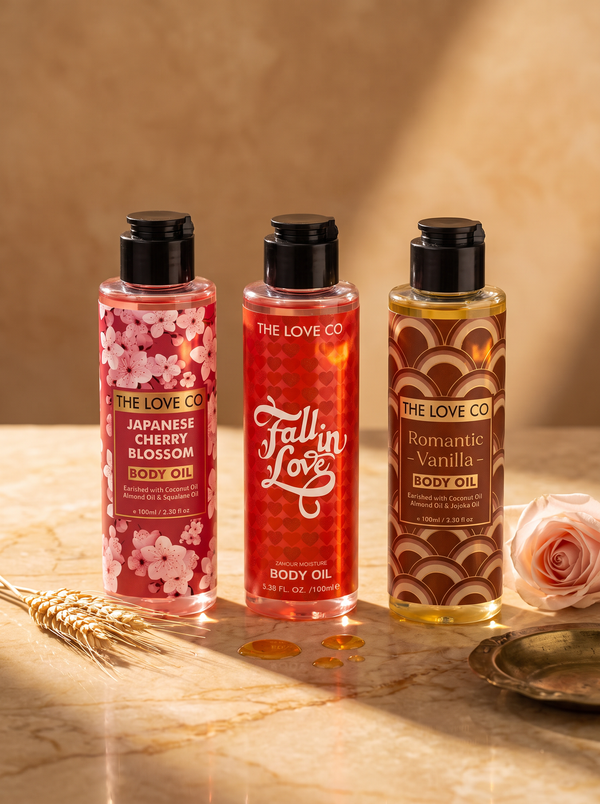
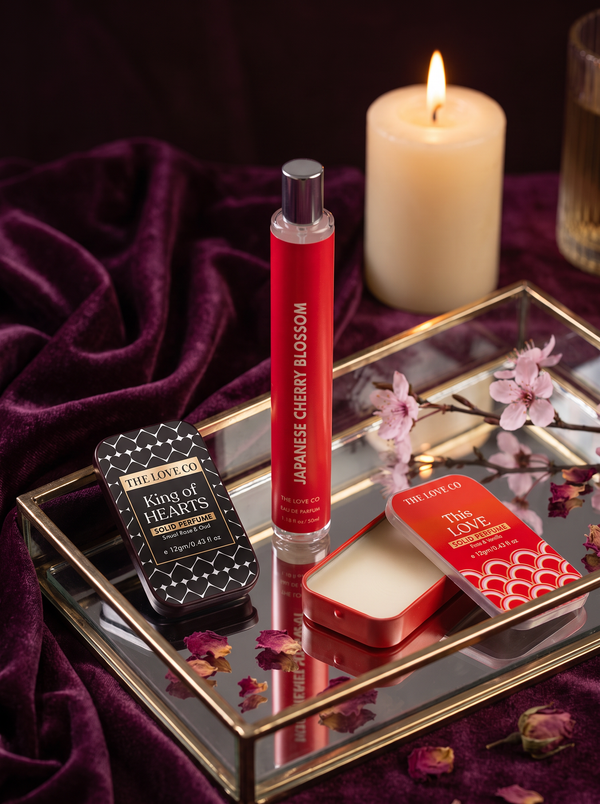
Shop the body mist collection.
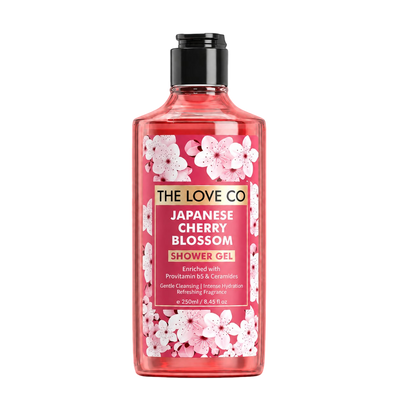
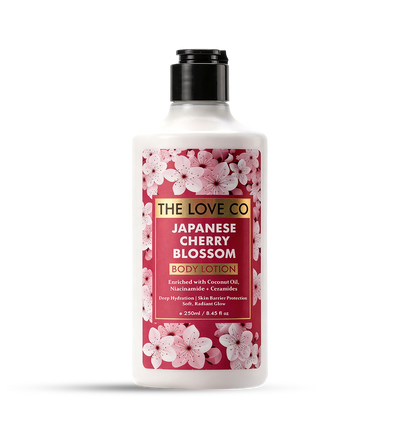
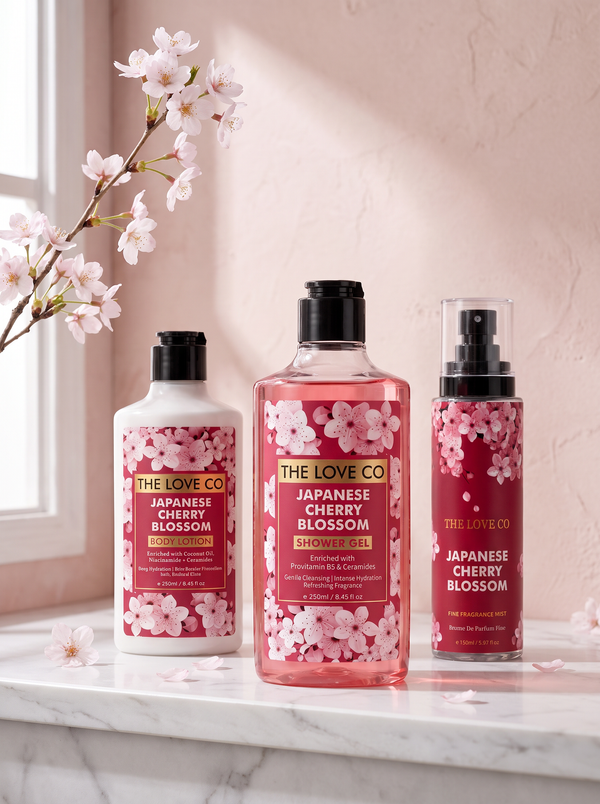
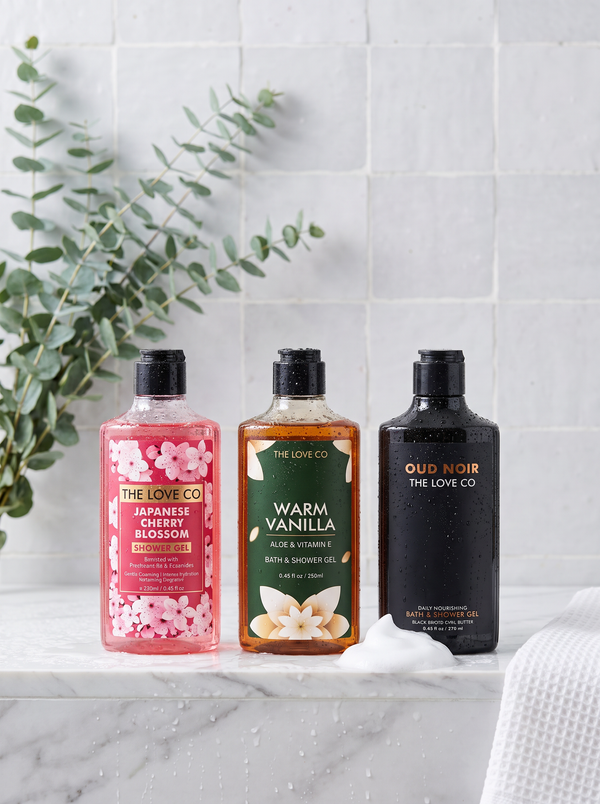
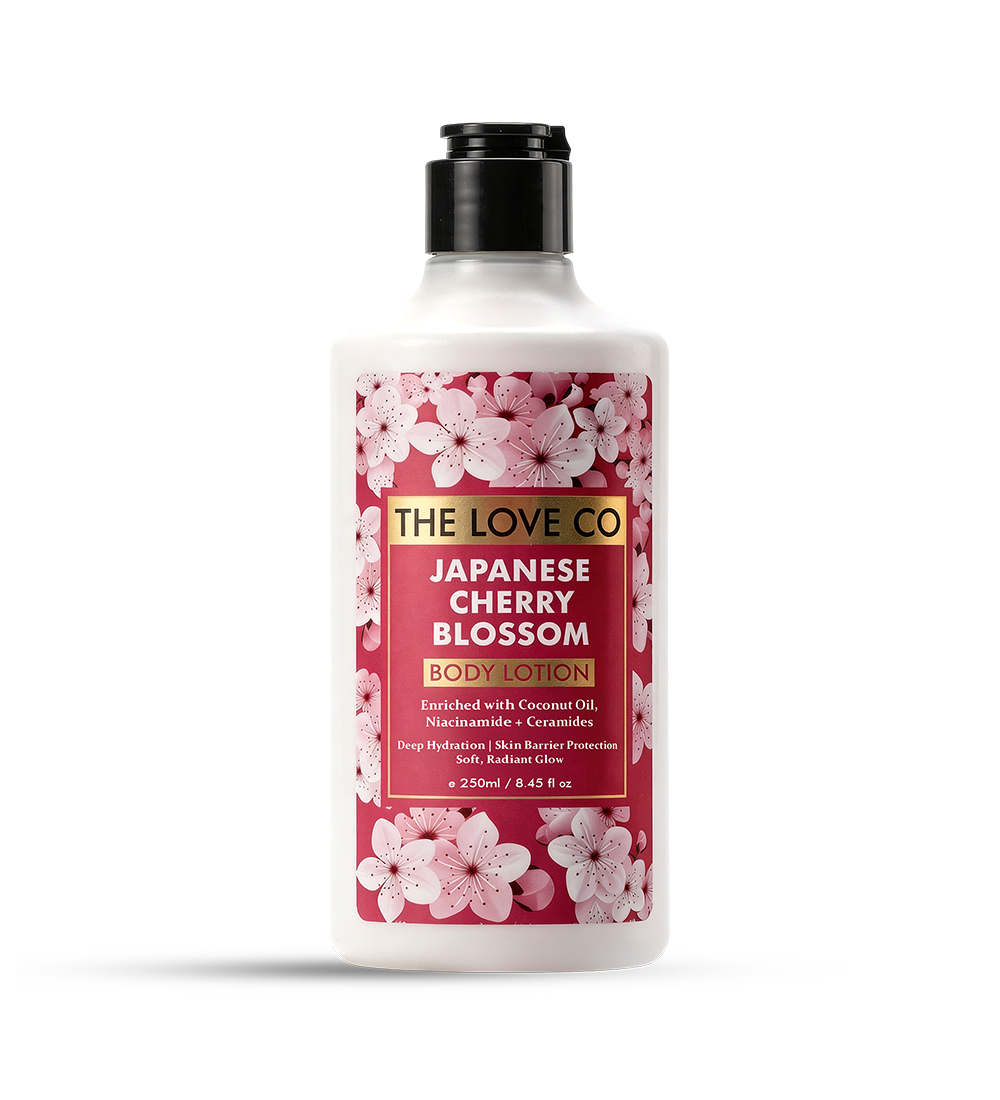
Japanese Cherry Blossom Shower Gel
Scent Trail Step 1 · soft floral body wash Start the Scent Trail here. A pH 5.5, SLS-free cleanser that protects your skin barrier while it washes —...
A ritual is the smallest love you give yourself, daily.
— Shopify API · 10 May 2026