





Your back was clear for years. Then suddenly — you catch your reflection one morning and there's a constellation of red bumps across your shoulder blades and the bra-line. No new diet, no new soap that you can think of. So what changed?
Sudden adult-onset back acne (or "bacne") is more common in India than most dermatologists' clinics will tell you, and it almost always traces back to a small, recent shift you didn't connect to your skin. Here's how to find yours.
The Most Common Causes of a Sudden Bacne Flare
1. A New Hair Product
This is the number one culprit nobody suspects. A new shampoo, conditioner, hair mask, or even a hair oil with coconut, almond, or argan as a top-three ingredient drips down your back during the rinse and clogs the follicles. The breakout pattern is the giveaway: mostly upper back, between the shoulder blades, where the hair sits when wet.
Try this: for two weeks, wash your hair leaning forward over the basin, then take a separate body shower. If the bacne calms, you've found it.
2. Hormonal Shifts You Didn't Track
Coming off the pill, perimenopause starting earlier than you expected (mid-30s is common in India), a new hormonal IUD, or PCOS finally surfacing — any of these triggers a sudden adult acne wave that often shows up first on the body, not the face. Read about why your body wash matters more during hormonal flares.
3. Switching to a Sulphate-Heavy Body Wash
Sulphates strip the skin barrier. A compromised barrier loses water, becomes inflamed, and produces more oil to compensate — perfect conditions for back acne. If you recently switched from a gentler product to a foamy supermarket shower gel, that may be the entire story.
4. New Workout, New Sweat Pattern
Hot yoga, spin, marathon training, hiking — anything that has you sweating more than your skin is used to creates a new acne environment. The fix is in step four, but it starts with recognising the shift.
5. New Bedsheets, Detergent, or Fabric Softener
Synthetic fragrance and harsh enzymes in laundry products sit on your bedsheets all night. Switching detergents — or buying new sheets that haven't been pre-washed — can trigger a textbook contact dermatitis that looks identical to acne.
6. Stress and Sleep Debt
Cortisol drives sebum. A two-month deadline crunch, a new baby, a wedding season of late nights — chronic stress on Indian women in their 30s shows up on the back before it shows up on the face.
7. Indian Humidity and Seasonal Switch
Monsoon and peak summer (May through September across most of India) are the highest-incidence months for sudden bacne. Sweat trapped under cotton, polyester, or even fitted office wear creates the right conditions overnight.
How to Identify Your Trigger in 14 Days
Cause-hunting beats spot-treatment. Start a simple log:
- Write down everything new in the last six weeks: products, supplements, gym routine, stress, hormonal changes, season
- Pick the most likely culprit and remove only that one thing for 14 days
- If skin improves, you've found your trigger. If not, replace it and remove the next one
This systematic elimination is more effective than throwing every active ingredient at the problem.
"The patients who clear sudden bacne fastest are the ones who pause and audit before they buy more products. Eight times out of ten in my Mumbai practice, the answer is a hair product or a laundry change — not something they need a serum for." — Dr. Tanvi Sehgal, MD, Dermatologist
The Baseline Routine While You Investigate
While you're tracking down the trigger, give your skin a calm, barrier-supportive routine to work with:
- SLS-free body wash, pH 5.5, daily — our sensitive-skin guide covers what to look for
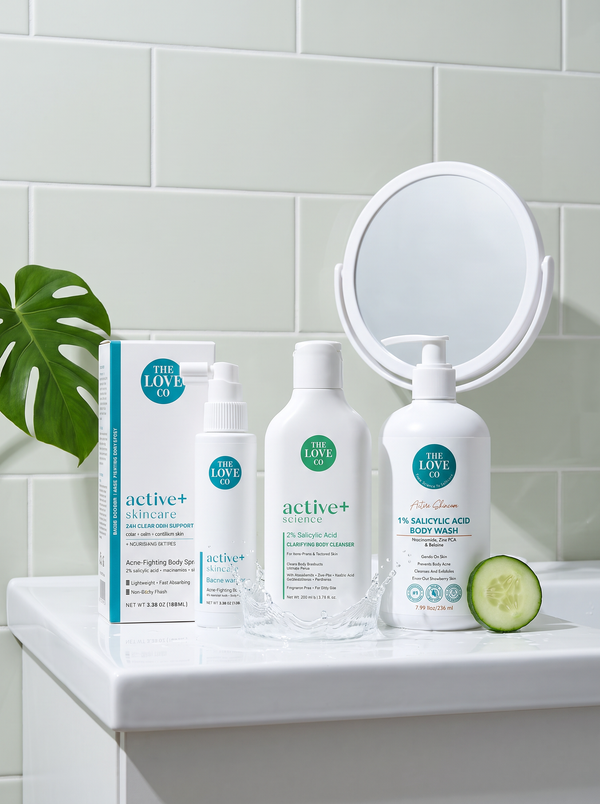
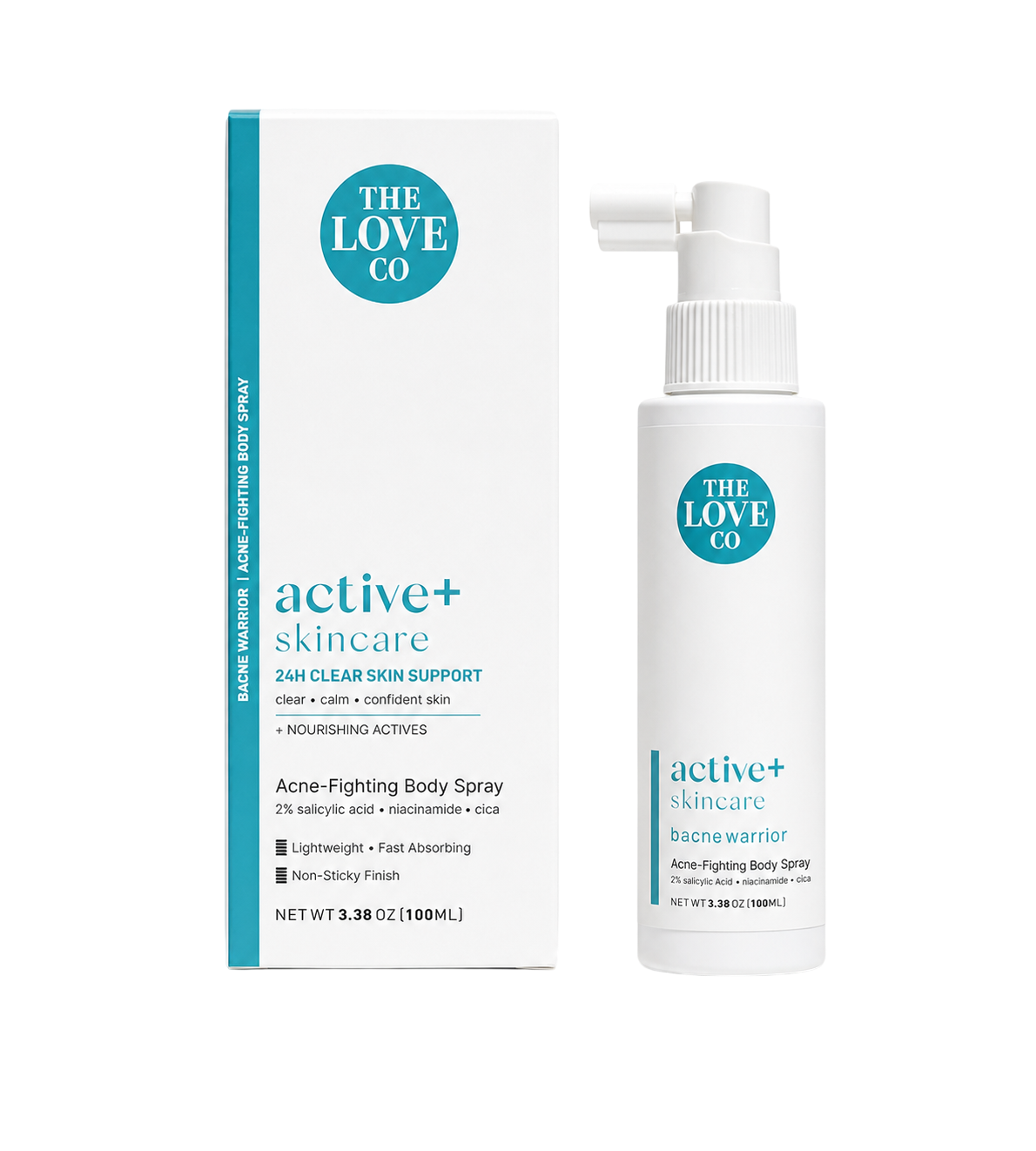
- Salicylic acid body wash 2–3 times a week if breakouts are inflamed
- Lightweight, fragrance-friendly body lotion right after showering
- Cotton or bamboo sleepwear, washed in fragrance-free detergent
- Pillowcase changed every 3 days during a flare
When It's Not Actually Acne
Sometimes "sudden back acne" is something else entirely:
- Pityrosporum folliculitis (fungal acne) — uniform, itchy bumps that don't respond to acne treatments. It needs antifungal care, not salicylic acid.
- Keratosis pilaris — small rough bumps without redness, often on the upper arms and back
- Heat rash — appears after a hot day, fades in 24 hours
If your routine isn't shifting the breakouts in 6–8 weeks, see a dermatologist for a clean diagnosis.
FAQs
Why is my back breaking out only on one side?
Usually a sleep-position trigger — the side you sleep on holds heat and pressure against the sheets. Try alternating sides and changing pillowcases more often.
Can supplements like biotin cause back acne?
High-dose biotin (over 5,000 mcg) is a documented breakout trigger. Pre-workouts and mass gainers with whey concentrate are also frequent culprits.
How long until a new product shows up as acne?
Two to four weeks is typical. So if you can't think of a recent change, look back six weeks, not six days.
Does drinking more water clear bacne?
Hydration helps overall skin health but won't single-handedly clear a flare. The myth is overstated. Topical care plus identifying the trigger does the heavy lifting.
Is back acne genetic?
The tendency is genetic, but the flare is almost always environmental or hormonal. Even if your family has bacne, the routine still works.
Sudden bacne is your skin telling you something changed. Audit first, then build a calm, SLS-free routine. Start with the TLC body wash range or jump to the exfoliating collection if your trigger work is already done.
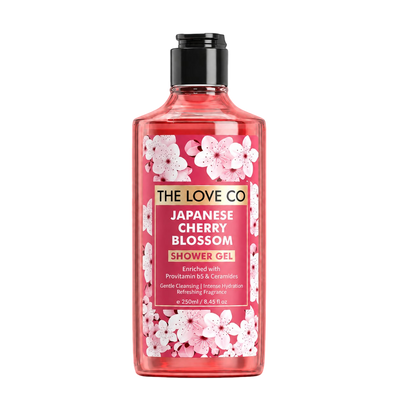
Japanese Cherry Blossom Shower Gel
Scent Trail Step 1 · soft floral body wash Start the Scent Trail here. A pH 5.5, SLS-free cleanser that protects your skin barrier while it washes —...
A ritual is the smallest love you give yourself, daily.
— Hemang Jain · 02 May 2026