The single most useful question to ask before buying a urea lotion: which concentration? The answer determines whether you'll see results in three days or three weeks — or whether you'll irritate your skin barrier instead. Here's the definitive concentration guide.
The Master Comparison Table
| Property | 10% Urea | 20% Urea | 40% Urea |
|---|---|---|---|
| Primary Action | Humectant | Intensive humectant + mild keratolytic | Medical-grade keratolytic |
| Best For | Daily body lotion, KP, dry shins | Stubborn KP, very rough skin, mild calluses | Cracked heels, thick calluses, hyperkeratotic plaques |
| Frequency | 1–2x daily | 2–3x weekly | Spot use, 7–14 days |
| Application Zone | Whole body | Targeted zones | Heels, elbows, calluses only |
| Occlusion Required? | Optional | Recommended on rough patches | Mandatory (socks/wrap) |
| Tingling Sensation | None–mild | Mild–moderate | Noticeable, especially on broken skin |
| Time to Visible Result | 1–2 weeks | 5–10 days | 3–7 days |
| Safe on Face? | Yes (cheeks for KP) | No | No |
| Safe for Daily Use? | Yes | No (intermittent) | No (short course only) |
| Typical Indian Price (200ml) | ₹950–₹1,400 | ₹1,200–₹1,600 | ₹600–₹1,000 |
10% Urea: The Daily Workhorse
This is the concentration most Indian users actually need. Daily on dry shins, forearms, and KP zones, 10% urea outperforms most "ultra-rich" body lotions because it works on the cause (low NMF urea), not just the symptom.
Pair with a fragranced layer for adherence — the science is clear that body butters and lotions serve different roles, and 10% urea sits comfortably in the lotion category.
20% Urea: The Intensive
20% is where keratolytic action becomes meaningful. Reserve it for: stubborn KP that didn't fully resolve at 10%, very rough shins or knees, mild heel roughening (not cracks), or post-summer feet recovery. Apply 2–3 nights a week, not daily — your barrier needs recovery time.
40% Urea: The Medical-Grade
40% is technically a drug-like cosmetic. It dissolves keratin aggressively. Use only on:
- Cracked heels (with overnight occlusion — see our cracked heel protocol)
- Thick calluses
- Hyperkeratotic plaques (under derm guidance)
Never use 40% on whole-body skin, broken skin, the face, or in absence of a moisturising follow-up.
How To Choose: A Decision Tree
- Goal: daily body moisturising → 10%
- Goal: KP on arms/thighs → 10% daily, 20% if no result by week 2
- Goal: rough shins/elbows → 20% twice weekly
- Goal: cracked heels → 40% under occlusion for 2 weeks, taper
- Goal: KP on cheeks → 10% only, never higher on face
- Goal: diabetic foot care → 10–25%, with podiatrist input
The Tapering Strategy
For most non-cosmetic uses, run a "step-down" cycle: start aggressive, then maintain. Two weeks of 40% on heels, two weeks of 20%, then permanent 10% maintenance. Same logic for stubborn KP: 4 weeks of 20%, then 10% forever.
Where TLC Fits — Honestly
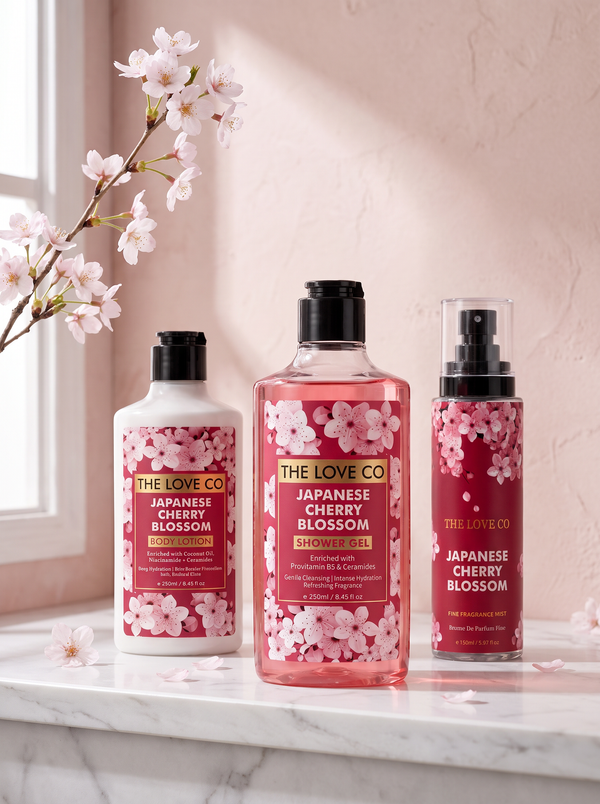
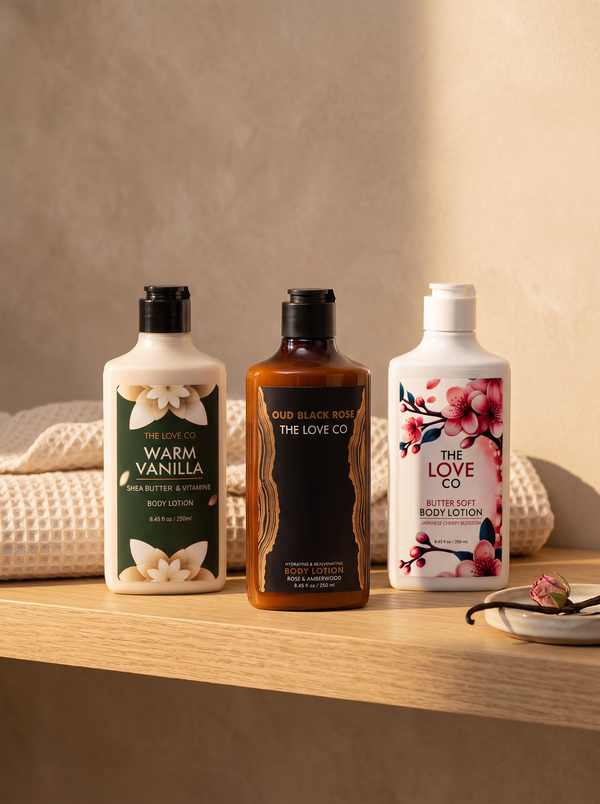
TLC does not produce a urea-percentage product line. We're a fragrance-led body care brand. Our role in your urea routine is the layer after the active treatment:
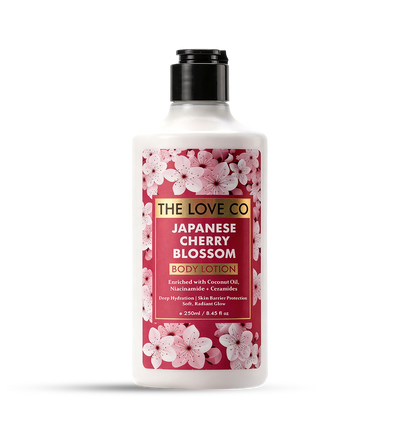
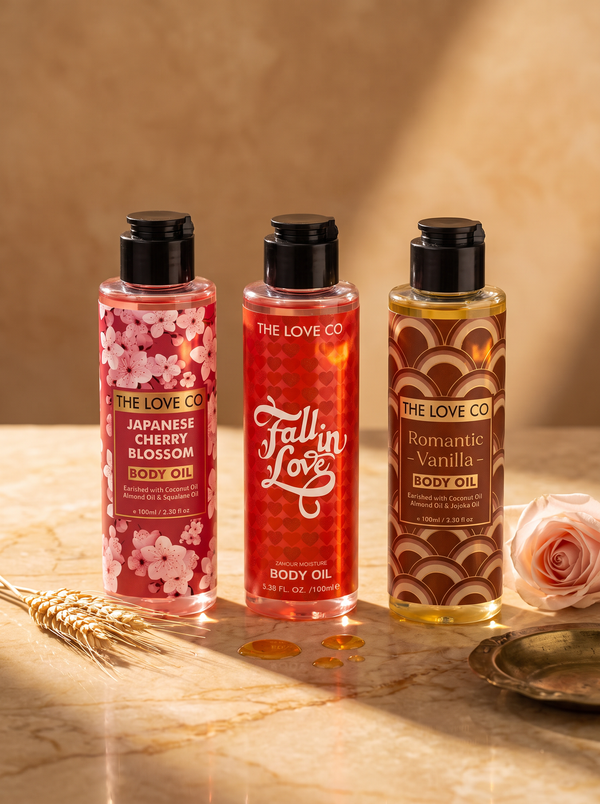
- A TLC body lotion on non-treatment zones for fragrance and finish
- A TLC body butter as the occlusive sealing layer over 40% urea on heels
- Supporting routine items from our dryness-targeted collection
For the actual urea step at any percentage, buy from a clinical brand: Eucerin, CeraVe, Cetaphil, or pharmacy generics like Curatio Atogla.
"The biggest mistake I see is patients buying 40% urea for daily body use, or 5% urea for cracked heels. Concentration is dose. Match the dose to the diagnosis. 90% of body care problems resolve at 10–20%."
— Dr. Tanvi Sehgal, MD (Dermatology)
How Urea Concentration Affects Penetration
Higher urea concentrations don't penetrate more deeply — they act more aggressively at the surface. 10% urea diffuses through the upper stratum corneum and binds water; 40% urea breaks the corneocyte adhesion outright. This distinction matters because it explains why 40% on intact normal skin causes irritation without proportional benefit. The keratin you want softened (heels, calluses) is structurally different from regular skin. Concentration must match keratin density.
Combining Urea With Other Actives
| Combination | Verdict | Notes |
|---|---|---|
| Urea 10% + Ceramides | Excellent | The clinical default — repairs and hydrates. |
| Urea 10% + Lactic acid 5% | Strong for KP | Use AHA in cleanser, urea in lotion. |
| Urea 20% + Niacinamide | Good | Soothes any tingling, no interference. |
| Urea 40% + Petrolatum | Mandatory pairing | Occlusive locks the active in. |
| Urea + Body retinoid | Caution | Alternate days; risk of irritation. |
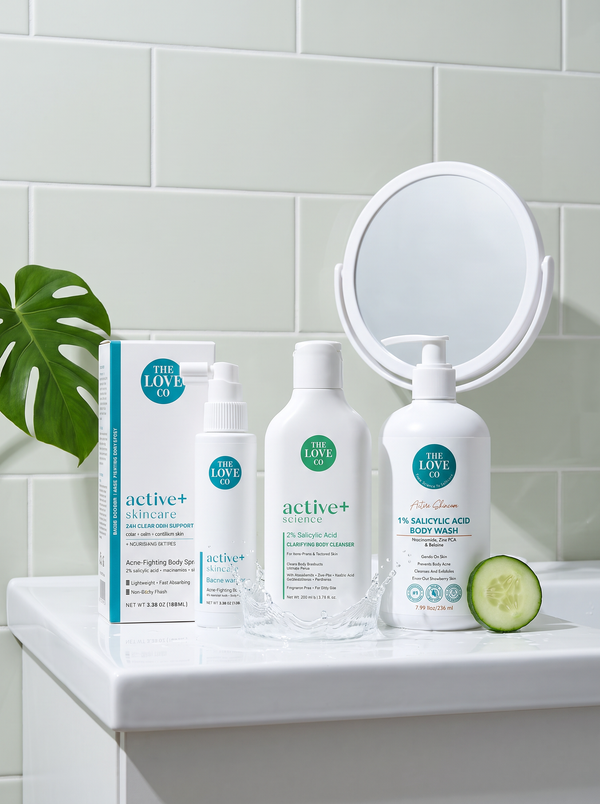
| Urea + Salicylic 2% | Effective | Best for back/chest body acne. |
Buying Smart in 2026
Indian shelves now carry urea formulas at every concentration band. Pricing has compressed considerably: a 10% urea lotion that cost ₹1,800 in 2022 is now widely available for ₹950–₹1,200. Generic clinical brands (Curatio, La Shield, Sebamed) match Eucerin's performance at 30–40% lower cost. Read labels, ignore brand bias, and match concentration to need.
How Long Does Each Concentration Take to Work?
Each concentration has a characteristic time-to-effect, and knowing it prevents premature switching. 10% urea: noticeable softening in 7–10 days, full barrier improvement at 4–6 weeks. 20% urea: textural smoothing within 5–7 days on KP, 10–14 days on rough patches. 40% urea: visible callus reduction in 3–5 nights with occlusion, fissure closure in 10–14 nights. Switching concentrations before these timelines is the single most common mistake users make.
Which Concentration Pairs With Which Body Wash?
| Urea Concentration | Recommended Body Wash | Why |
|---|---|---|
| 10% | Gentle hydrating, no actives | Match daily routine; no over-exfoliation |
| 20% | AHA-based 2–3x/week | Complementary keratolytic action for KP |
| 40% | Plain water soak (no soap) | Surfactants strip the actives' working layer |
The 2026 Buying Reality
Concentration transparency on Indian shelves has improved dramatically. Almost every clinical brand now lists urea percentage on the front of pack. The remaining ambiguity sits with mid-tier "natural" brands that include urea decoratively (under 3%) without disclosing the figure. Treat any unspecified "with urea" claim as marketing, not an active dose. If the percentage isn't on the pack, the formulation isn't doing the urea work you want.
FAQs
Difference between 10%, 20%, 40% urea?
10% hydrates daily; 20% intensively treats rough zones; 40% is medical-grade keratolytic.
Can I use 40% urea daily?
No. Spot use only.
Is 20% safe on the face?
No — stick to 10% on facial skin.
Best concentration for diabetic skin?
10–25%, with medical input.
Can I layer 20% over 10%?
No need — pick one.
Layer The TLC Way — Browse our fragrance-led, dermatologist-approved body lotion collection or explore dryness-targeted body care.
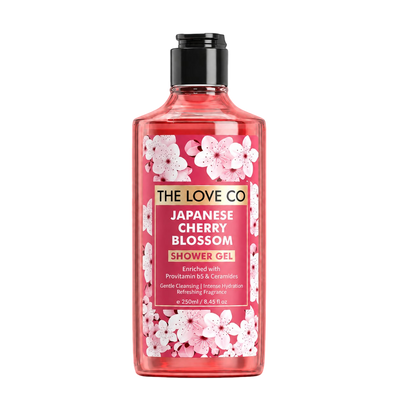
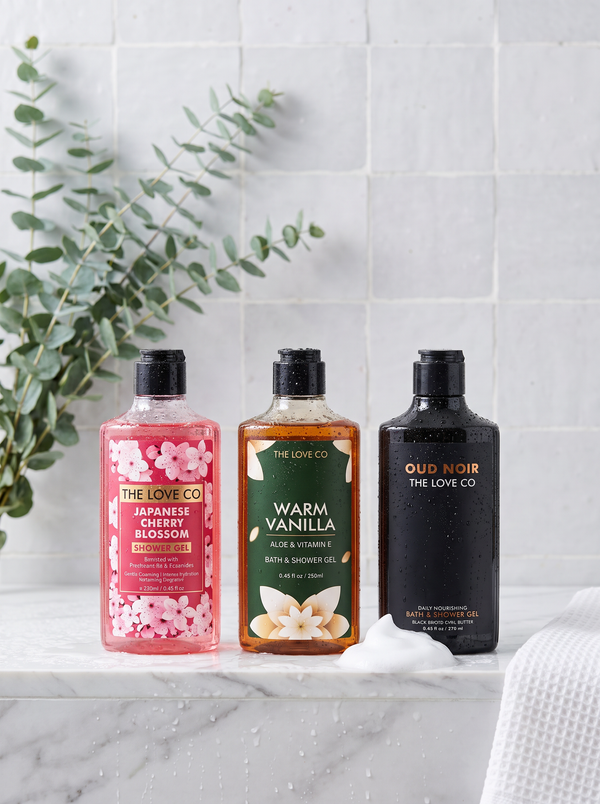
Japanese Cherry Blossom Shower Gel
Scent Trail Step 1 · soft floral body wash Start the Scent Trail here. A pH 5.5, SLS-free cleanser that protects your skin barrier while it washes —...
A ritual is the smallest love you give yourself, daily.
— Hemang Jain · 03 May 2026