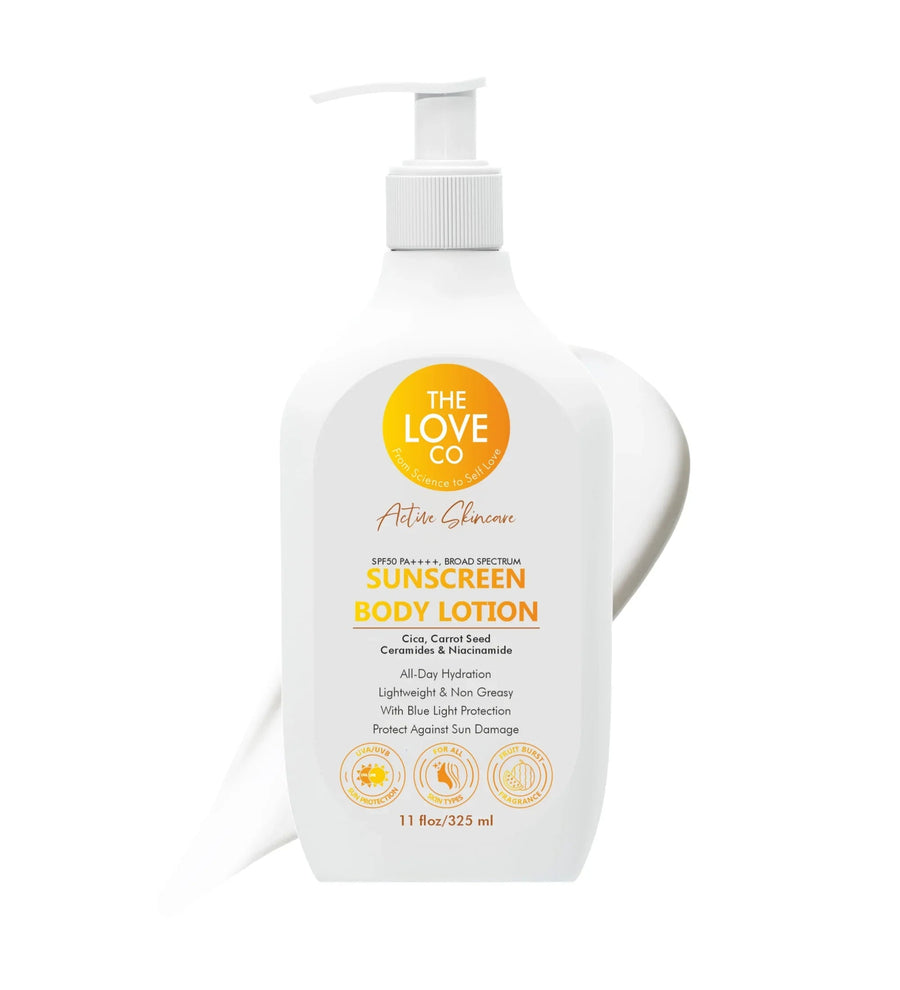
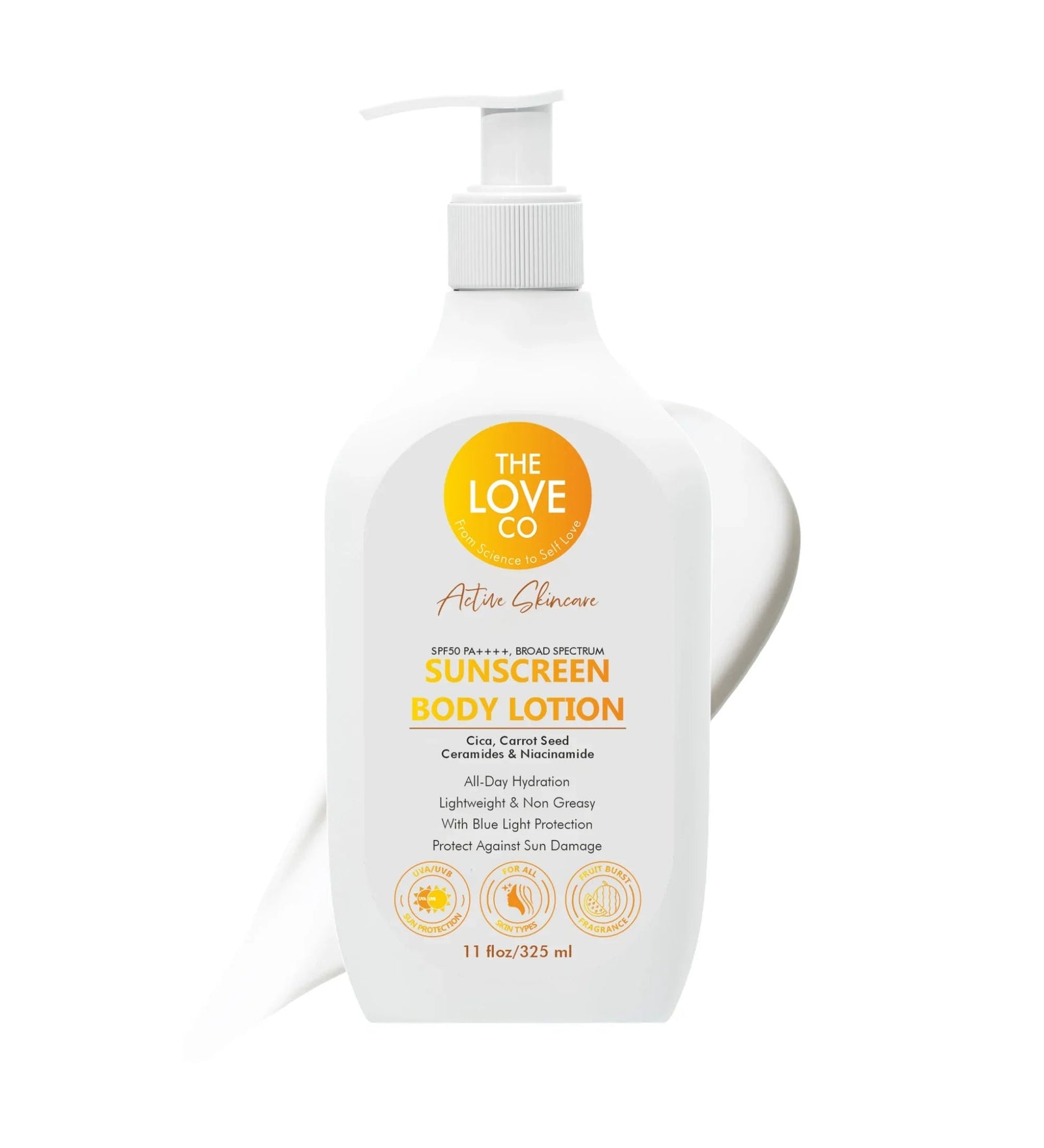
You've felt this. You rub sunscreen down your arms before a day out, and a few minutes later there's that faint grey haze — the one that turns lavender-pale in selfies and refuses to look like skin. Or worse: the slick that never sinks in, so your shirt clings to your shoulders and everything you touch feels tacky. On deeper Indian skin tones, the white cast isn't subtle. It's a chalky film that announces itself the second you step into daylight.
So you stop. Understandable. But the thing you quit wasn't sun protection — it was a badly textured product. Those two are not the same.
Why white cast happens (and why it's worse on melanin-rich skin)
White cast comes from how a sunscreen sits on the skin's surface and scatters light. The richer and heavier the formula, the more it can leave a visible layer. On fair skin it half-disappears; on warm, deep and melanin-rich tones it reads as grey or ashy because there's more contrast between the film and the skin beneath. It's not a flaw in your skin — it's a formula that was never tuned for it.
Why grease happens
Greasiness is usually a quantity-and-texture mismatch. Heavy body formulas need time and warmth to absorb. Apply a thick one in a hurry, pull a shirt over it, and it has nowhere to go — so it transfers, shines and stays slick. A lighter texture absorbs before your clothes ever touch it.
What "invisible finish" actually means
An invisible finish means the sunscreen melts in without leaving a visible cast or a wet film. Your skin looks like your skin — just protected. This is largely a texture story: lighter, serum-style formulas spread thin and sink fast, so there's nothing left on the surface to turn grey or greasy.
The Active + Science Serum Body Sunscreen is built around exactly this. It's a serum texture — lightweight, broad-spectrum, finishing invisible — so you get real UVA and UVB protection without the chalk or the slick. And because it carries active brightening ingredients, the step that protects you is also quietly working on tone.
How to apply so it disappears
- Apply to clean, dry skin. Damp skin traps product on the surface and makes both cast and grease worse.
- Warm it in. Spread in thin layers and let each one absorb for a beat before the next.
- Give it a minute before clothes. Even a fast serum benefits from a short pause so nothing transfers.
- Don't over-apply in one spot. Cover evenly rather than dumping product on one patch — that's what pools and shines.
What to look for in a no-cast body sunscreen
- A light, serum or fluid texture rather than a heavy paste.
- An invisible finish stated clearly — not a thick, mattifying film.
- Broad-spectrum coverage so you're not trading cosmetics for protection.
- A formula you can apply generously without it feeling like armour — because protection needs quantity.
Frequently asked questions
Will any sunscreen leave a white cast on dark skin?
No. Lighter, well-formulated textures with an invisible finish absorb without the grey film. Texture is the deciding factor.
How do I stop sunscreen feeling greasy under clothes?
Choose a fast-absorbing serum texture, apply in thin layers to dry skin, and pause a minute before dressing.
Does invisible mean less protection?
No. The Active + Science Serum Body Sunscreen is broad-spectrum and invisible — the finish is cosmetic, the protection is real.
The best body sunscreen is the one you forget you're wearing. No grey arms in photos, no shirt sticking to your back — just skin that feels like itself, going about its day, quietly looked after.
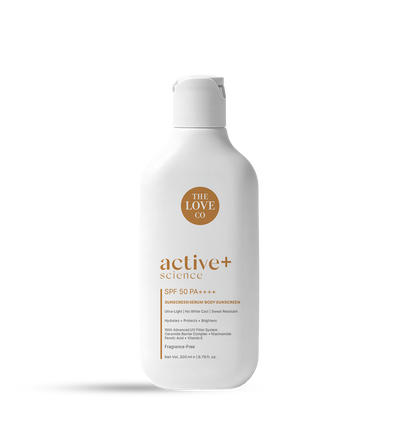
Serum Body Sunscreen SPF 50
Sunscreen + serum, in one.A lightweight serum-texture body sunscreen with UV filters AND active brightening ingredients. The one-step protection for skincare-minded daily wear.vs Daily Dose SPF 50Daily Dose...
A ritual is the smallest love you give yourself, daily.
— Meher Kapoor · 06 Jun 2026