
There's a specific kind of satisfaction in stepping out of the shower after exfoliating. Your skin feels brand new — smooth under your palm, a little brighter, the rough patches on your upper arms suddenly soft. You catch the light differently. It's the moment body-care promises and rarely delivers, and when it lands, it feels earned.
Here's what doesn't get said in the same breath: that fresh, glowing skin is also more exposed than it was an hour ago. Exfoliation and sun protection are two halves of one routine. Do the first without the second, and you're quietly working against yourself.
What exfoliation actually does to the surface
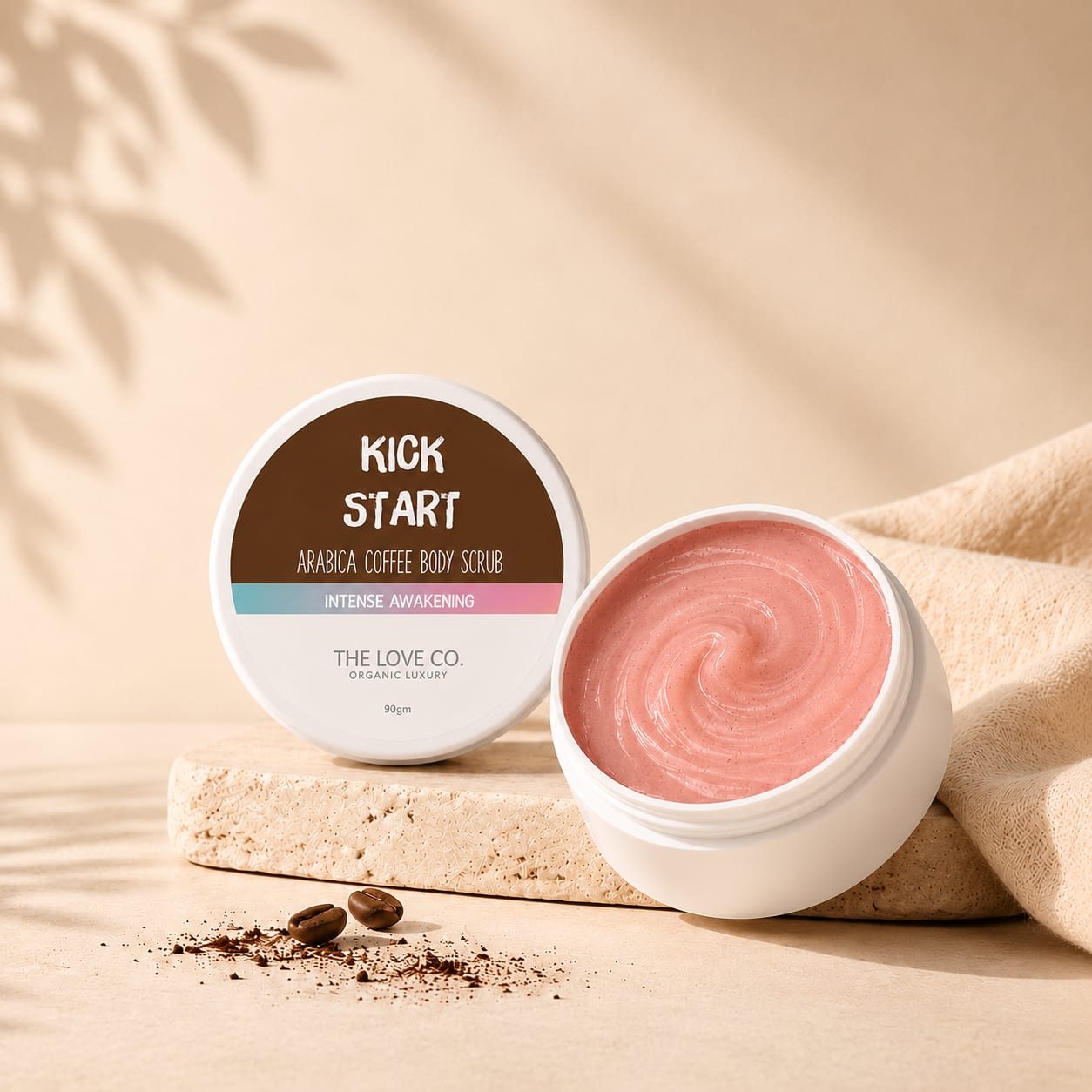
Exfoliating — whether with a physical scrub or a chemical wash using AHAs and BHAs — lifts away the layer of dull, dead cells sitting on top of your skin. That's why the skin underneath looks brighter and feels smoother: you're seeing newer cells. But those newer cells are also more sensitive to UV. The protective build-up you just sloughed off was, in part, doing a small job of shielding you.
So the same act that gives you glow also gives the sun easier access. Freshly exfoliated skin tans faster and burns more easily than skin you left alone.
Why this matters double for pigmentation
Most people exfoliate the body for a reason: to fade dark patches, even out tone, smooth keratosis bumps, brighten dull legs and arms. Acid exfoliants in particular are working on pigmentation. But pigmentation is provoked by UV. So if you exfoliate to lighten and then walk into the sun unprotected, you trigger the exact response you were trying to fade. The skin, freshly sensitised, pigments back — sometimes darker than before.
This is the loop that frustrates people: "I exfoliate constantly and my tan won't budge." Often the exfoliation is fine. The missing step is the SPF that protects the result.
The routine that actually works
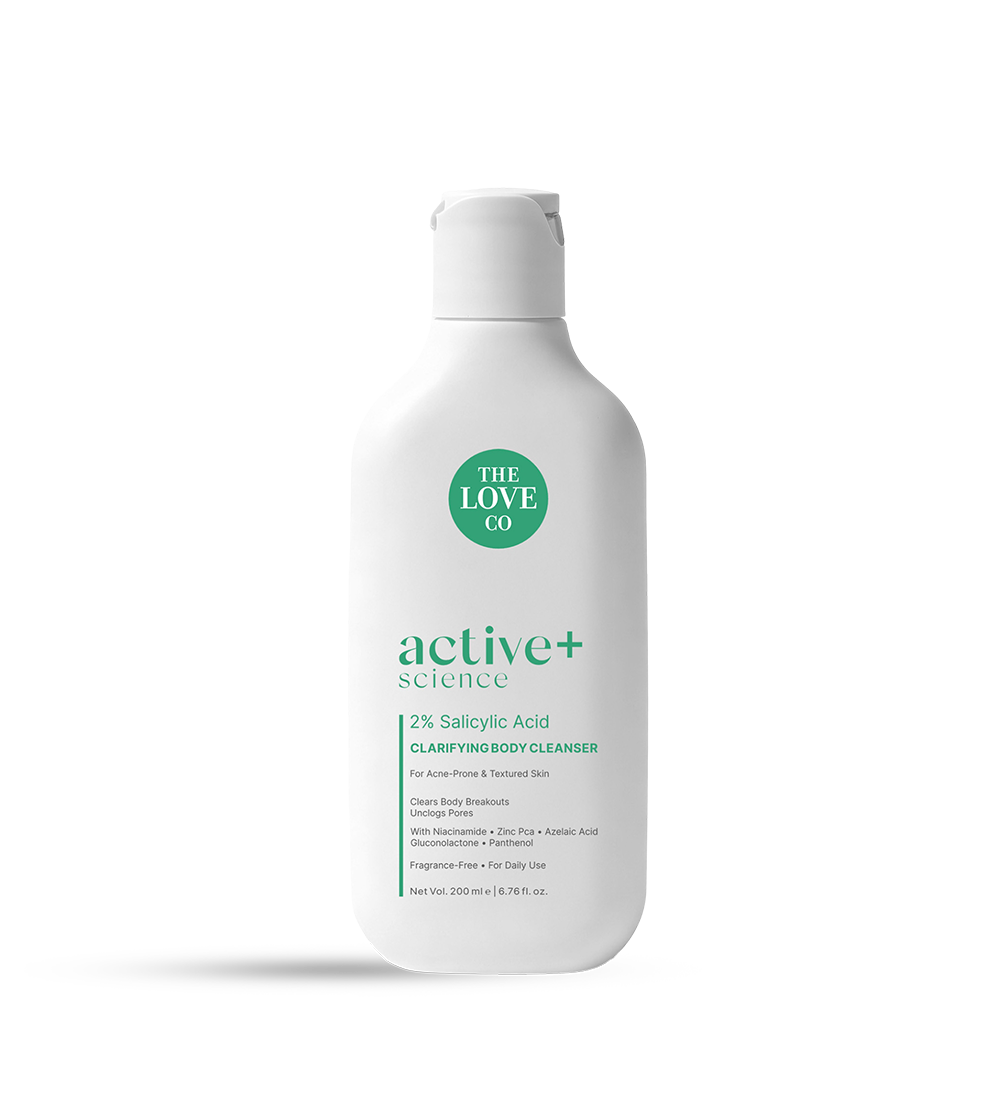
Pair every exfoliating step with sun protection. If you use something like our 5% AHA + 1% BHA Body Cleanser or a brightening wash like the 3% Vitamin C Body Cleanser, you've started a job that sun protection has to finish.
- Exfoliate in the evening when you can. It gives freshly resurfaced skin overnight to settle before facing daylight.
- Apply body sunscreen every morning after. Especially on the days following an acid wash, when skin is most sun-sensitive.
- Cover the areas you exfoliated. Arms, legs, chest, back of the neck — wherever you scrubbed, protect.
- Don't over-exfoliate. More isn't better; raw, over-stripped skin pigments even faster.
Why a light, active sunscreen fits this routine
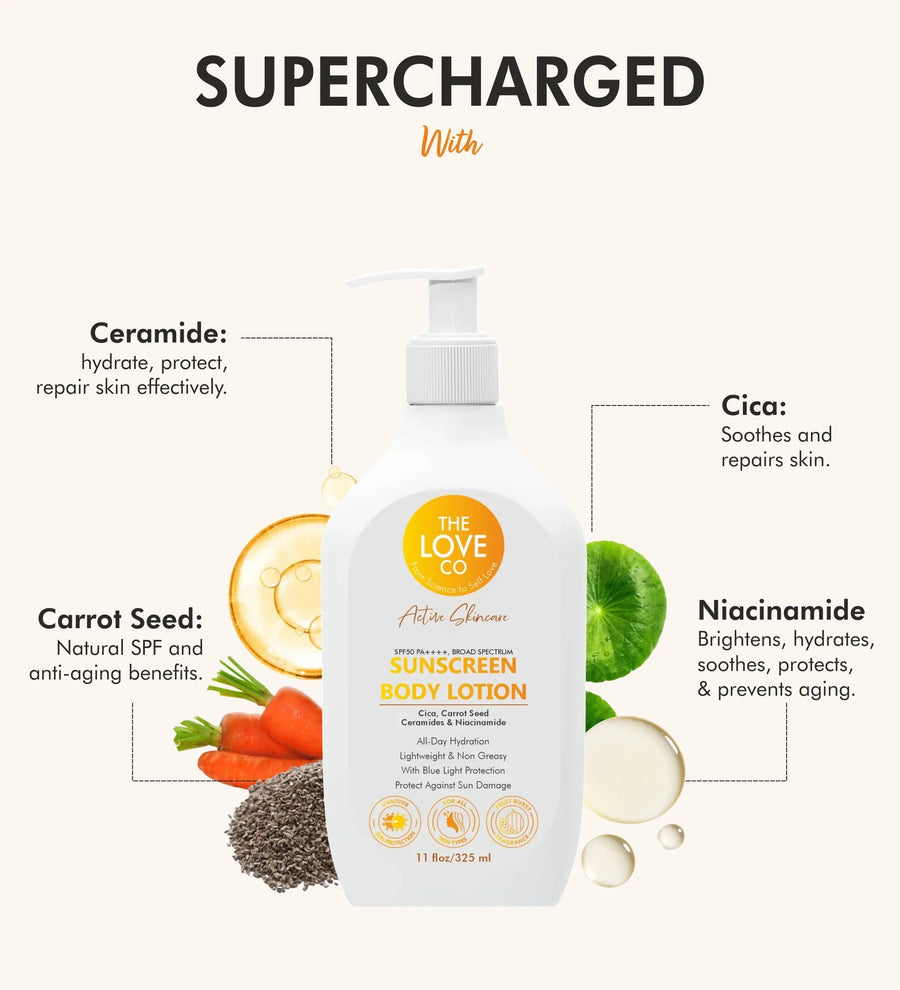
After exfoliating, the last thing freshly smoothed skin wants is a heavy, occlusive film. A serum texture sits well on resurfaced skin — light, fast-absorbing, no greasy weight. The Active + Science Serum Body Sunscreen is well-suited here: broad-spectrum UVA and UVB protection in a serum texture, with active brightening ingredients that keep working on tone alongside your exfoliating step rather than fighting it. The wash brightens; the sunscreen protects the brightness. Together they pull in the same direction.
A simple weekly rhythm
- Exfoliate 2–3 times a week, ideally at night.
- Moisturise after to support the freshly resurfaced barrier.
- Sunscreen every single morning, no exceptions on exfoliation weeks.
- Reapply on long sun days — every two hours of direct exposure.
Frequently asked questions
Does exfoliating make my skin more sensitive to the sun?
Yes. Removing the surface layer of dead cells reveals newer, more UV-sensitive skin that tans and burns more easily — which is why SPF afterwards is essential.
Should I stop exfoliating in summer?
No — just pair it with diligent sun protection. Exfoliate at night, protect every morning.
Why does my body tan come back even though I exfoliate?
Likely because unprotected, freshly exfoliated skin re-pigments fast under UV. Add daily body sunscreen and the result holds.
Think of it as finishing what you started. The scrub gives you the glow; the sunscreen lets you keep it. Smooth, even, bright skin isn't a one-day reward — it's what you get when the two halves of the routine finally meet.
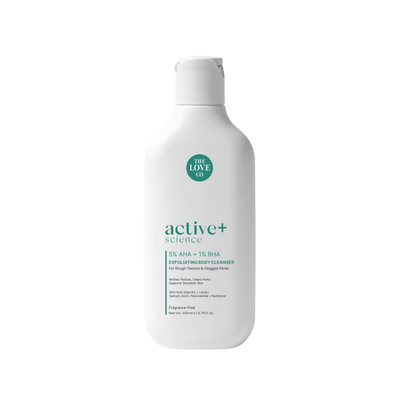
5% AHA + 1% BHA Body Wash
The strongest exfoliating cleanser in the active range. 5% AHA resurfaces the dead skin layer. 1% BHA clears blocked pores on your body. Built for stubborn KP, strawberry...
A ritual is the smallest love you give yourself, daily.
— Sweety Jarota · 06 Jun 2026