Your arms feel like fine sandpaper. Your thighs have that little catch of texture. Your elbows are dry, your heels are rough, and somewhere along the way the internet told you to do two things: exfoliate and moisturise. So you have been doing one or the other, picking whichever felt right that week, and wondering why your skin still feels exactly the same.
Here is the quiet truth nobody spells out clearly. Exfoliating and moisturising are not interchangeable. They are two different jobs solving two different halves of the same problem. Do only one, and the skin stays stuck. Do both, in order, and it finally softens.
What exfoliating actually does
Exfoliating is about removal. Your skin sheds dead cells constantly, but on rough, bumpy or dry-textured areas that shedding slows down and dead skin piles up, often with a layer of hardened keratin sitting over the surface. Exfoliation clears that build-up so the skin underneath can breathe.
There are two ways to do it:
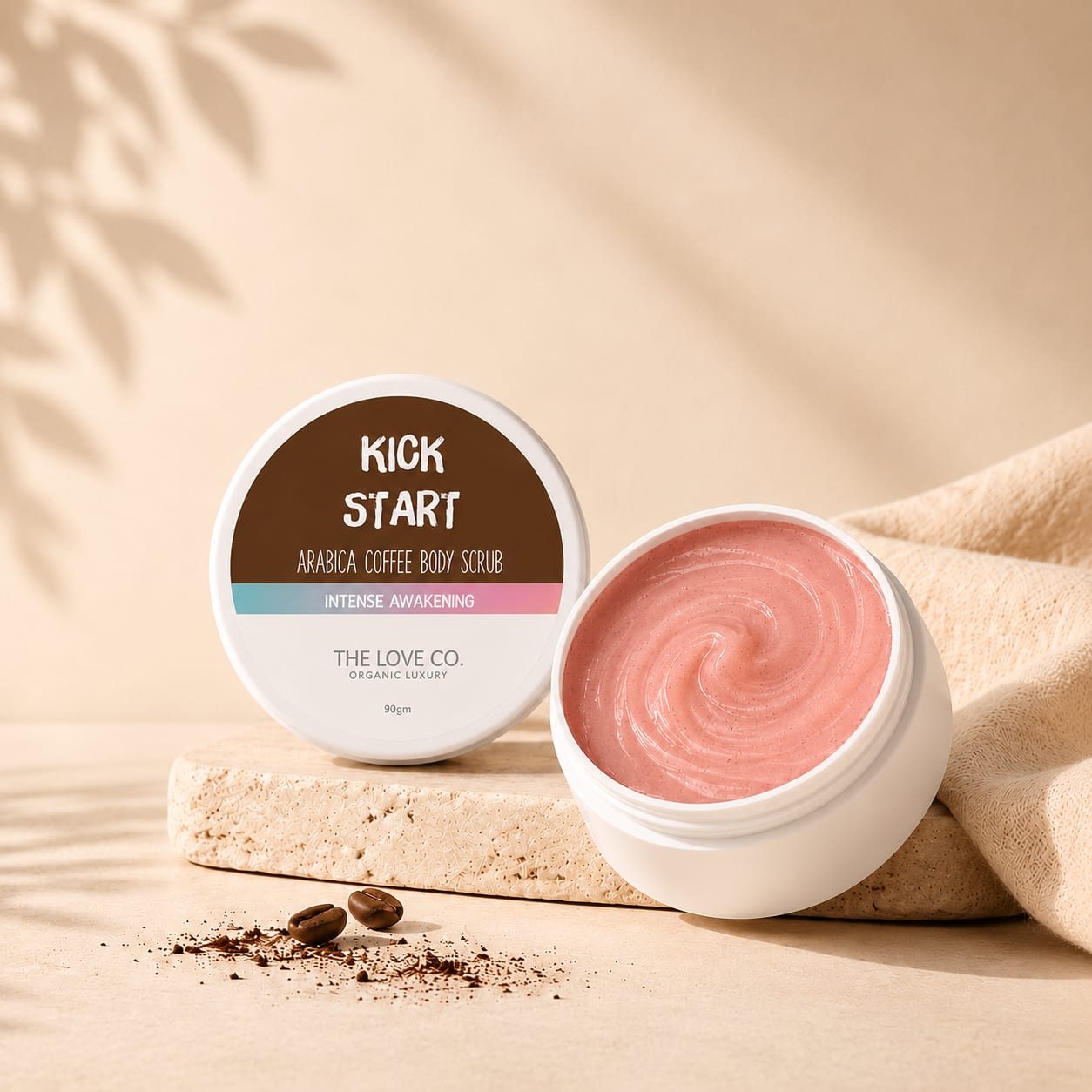
- Physical exfoliation, like scrubs and loofahs, which use friction. Effective in theory, but easy to overdo, and on KP or sensitive skin it often leaves redness and irritation in India's already-drying heat and hard water.
- Chemical exfoliation, using acids like AHAs and BHAs that dissolve the bonds holding dead skin together. Gentler, more even, and far kinder to bumpy or reactive skin because there is no scrubbing involved.
But here is the catch. Exfoliation is subtraction. It takes the rough layer away, and then it stops. It does not put anything back. Skin that has just been exfoliated is clean and clear, and also more exposed and prone to drying out. Exfoliating alone can leave you smoother for an hour and tighter by evening.
What moisturising actually does
Moisturising is about addition. It puts water and softening agents back into the skin and helps it hold onto them. This is the half that exfoliation cannot do, and it is the half most people skimp on.
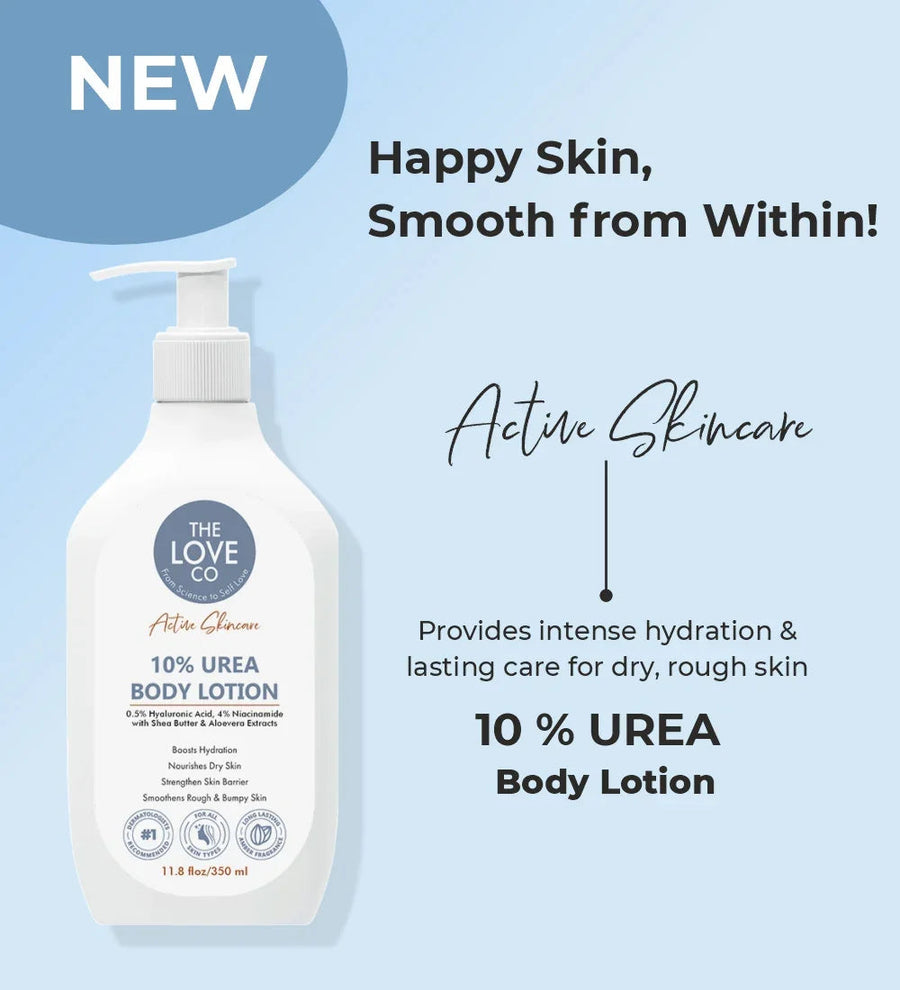
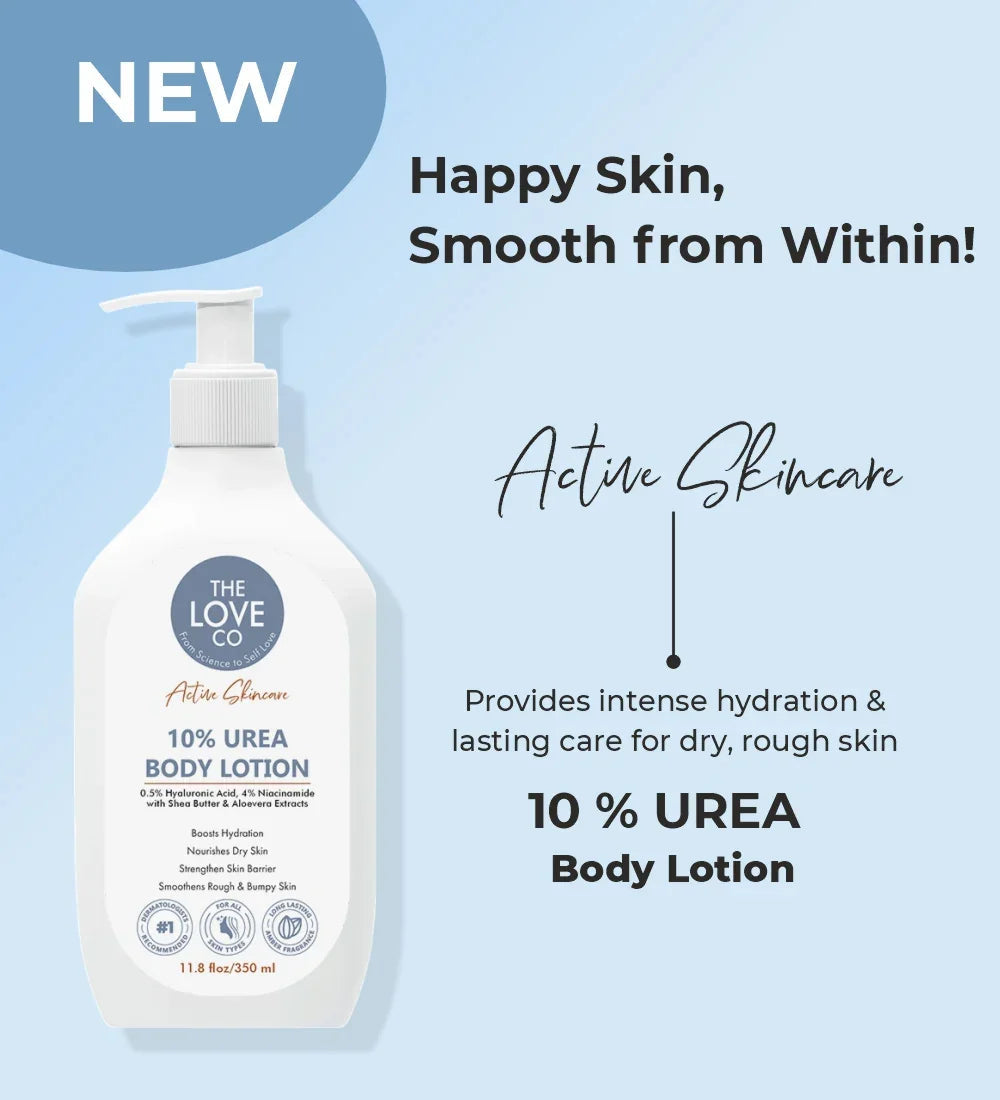
But not all moisture is equal. A basic lotion softens the very top of the skin and fades. For genuinely rough, textured skin you want a moisturiser that does more than sit on the surface, one that both hydrates deeply and softens the hardened keratin that exfoliation loosened. That is the role urea plays so well. It draws water into the skin and gently softens keratin build-up at the same time, which is precisely why 10% Urea Body Lotion is the moisture step that actually finishes the job on KP, strawberry skin and rough patches.
The order is the whole secret
Think of it as clearing the path, then walking it. Exfoliation opens the way by removing the dead, hardened layer. Moisture then reaches the fresh skin underneath and softens it from within. Reverse the order and you waste both: moisturise over a thick dead layer and the good stuff cannot get through; exfoliate without moisturising and you strip without replenishing.
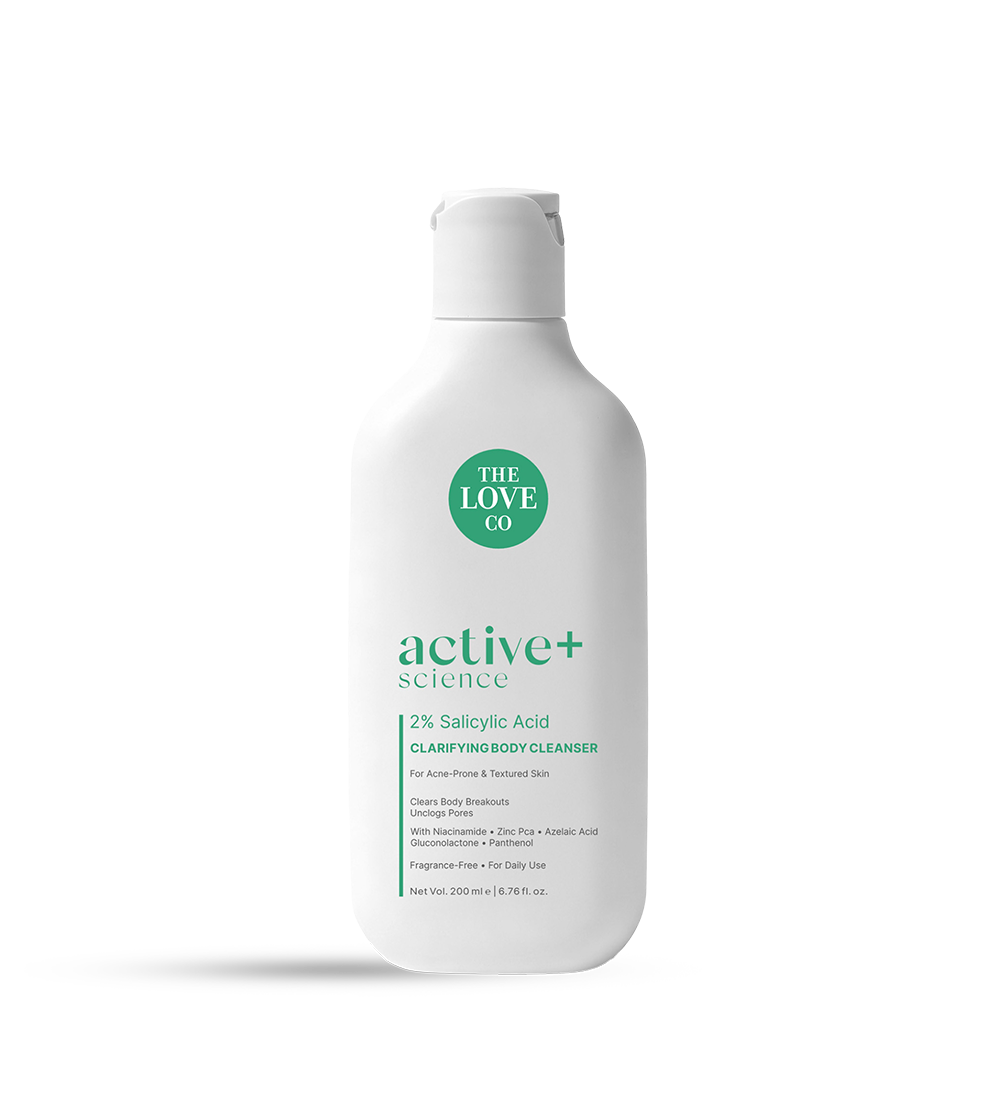
- Exfoliate in the shower, a few times a week, ideally with a chemical exfoliant rather than a harsh scrub. An AHA BHA Body Wash loosens build-up without friction.
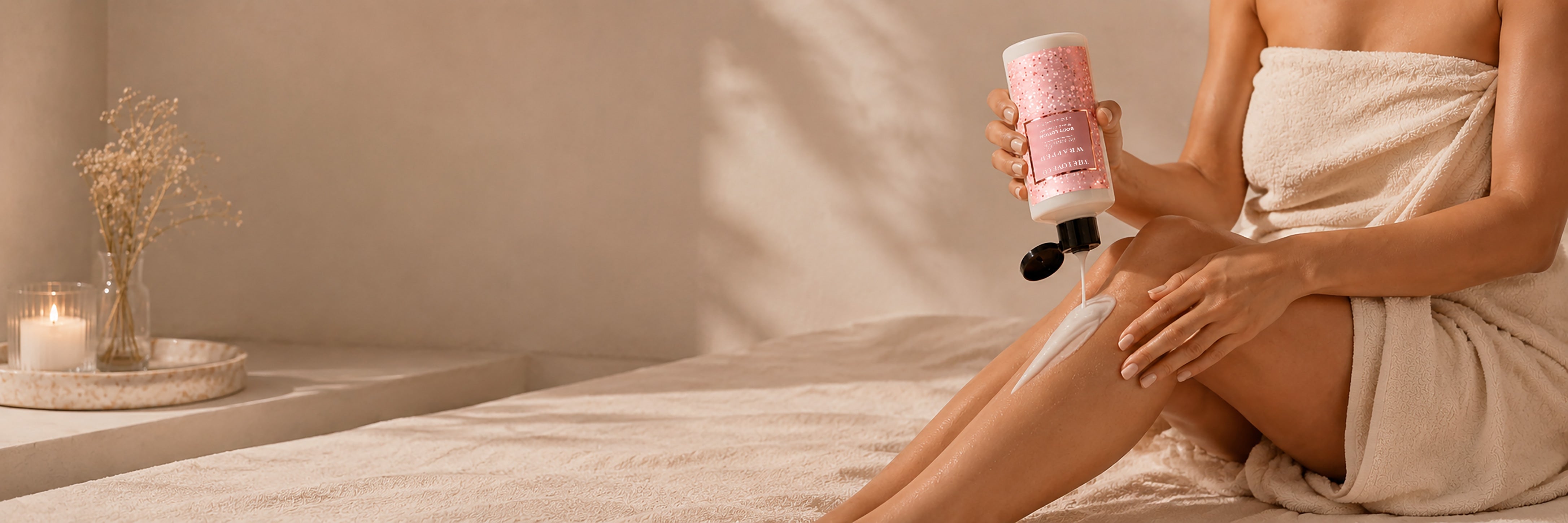
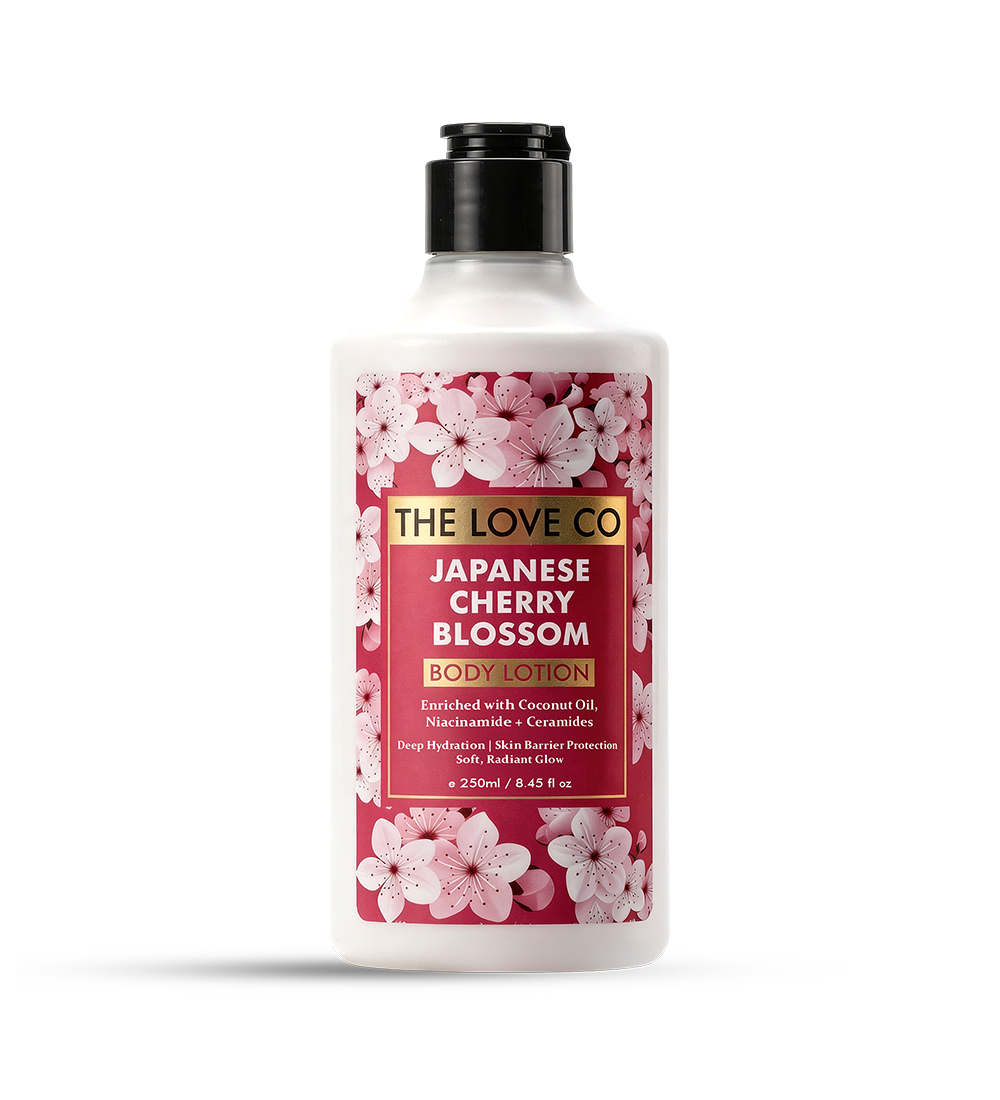
- Moisturise straight after, on damp skin, with a urea lotion that hydrates and softens texture. Smooth 10% Urea Body Lotion over arms, thighs, elbows, knees and heels.
- Moisturise on the in-between days too. You exfoliate a few times a week; you hydrate most days.
How to tell which step you are missing
A quick self-check:
- If your skin is rough and flaky with visible dead skin, you are probably under-exfoliating.
- If your skin is smooth right after the shower but tight, dry and rough again by night, you are under-moisturising.
- If it is red, stinging or sensitive, you are likely over-exfoliating and need to scale back the scrubbing and lean on moisture.
Most people with stubborn body texture are doing some exfoliation and almost no real moisturising. Fixing that imbalance is usually the turning point.
Give it the same patience you would give a habit
This is a routine, not a one-night rescue. With consistent exfoliation and a urea moisturiser, a softer feel can begin within two to three weeks. Deeper texture like keratosis pilaris usually needs four to six weeks. The bumps and roughness return if you stop, because the underlying tendency does not vanish, it just stays managed while you keep showing up.
FAQ
Can a moisturiser exfoliate too?
A urea lotion gently softens hardened keratin while it hydrates, so it does a little of both. But it works best alongside a dedicated exfoliating wash rather than replacing it entirely.
Should I exfoliate every day?
For most body skin, a few times a week is plenty. Daily exfoliation, especially with scrubs, often tips into irritation. Daily moisture, on the other hand, is welcome.
Why does my skin feel worse after exfoliating?
Usually because nothing went back in. Exfoliation removes; if you do not follow with a proper moisturiser, the skin is left exposed and drier. Pair the two and that feeling disappears.
Once the order clicks, the whole thing stops feeling like a chore you keep failing at. Clear the path, then soften it. Soon you stop thinking about your arms at all, and that easy forgetting is exactly what soft skin feels like.
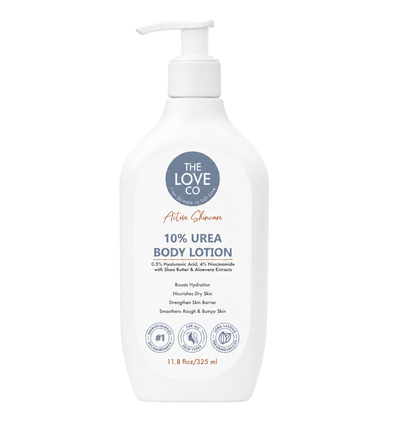
10% Urea Body Lotion
A 10% urea body lotion for KP, strawberry skin, rough patches, calluses, and dry textured body skin. Urea hydrates and gently softens keratin build-up, making it a strong...
A ritual is the smallest love you give yourself, daily.
— Anaya Rao · 06 Jun 2026