TL;DR: Keratosis pilaris is a harmless build-up of keratin around hair follicles; you can't cure it, but regular gentle multi-acid exfoliation softens the bumps and smooths texture over time.
What Keratosis Pilaris Actually Is
Keratosis pilaris (KP) is one of the most common skin variations there is. Often nicknamed "strawberry skin" or "chicken skin," it shows up as small, rough bumps, usually on the backs of the upper arms, the thighs, the buttocks and sometimes the cheeks. The skin can feel like sandpaper and may look slightly red or darker than the surrounding area, which on deeper Indian skin tones (Fitzpatrick III–VI) can read as patchy pigmentation rather than redness.
The mechanism is simple. Each bump is a hair follicle that has become plugged with keratin, the protein that makes up the surface of your skin. Instead of shedding cleanly, dead cells collect at the follicle opening and form a tiny, firm cap. It is not an infection, it is not caused by poor hygiene, and it is not contagious. It often runs in families and tends to be more noticeable in dry weather and during the teens and twenties.
How It Works on Body Skin
Because KP is a problem of stuck keratin and slow shedding, the most logical approach is chemical exfoliation, acids that loosen the bonds holding dead cells together so the follicle can clear. Two families matter here. Alpha hydroxy acids (AHAs) such as glycolic acid and lactic acid are water-soluble and work on the surface, dissolving the "glue" between surface cells so the rough cap softens. Beta hydroxy acid (BHA), specifically salicylic acid, is oil-soluble, so it can travel into the sebum-lined follicle itself and help clear the plug from the inside.
Used together on the body, AHAs smooth the texture you feel on top while BHA addresses the congestion deeper in the pore. Body skin is thicker and more resilient than facial skin, which is why a wash-off acid format is a sensible everyday way to deliver them without overwhelming the area.
What to Expect
KP responds to consistency, not intensity. A realistic timeline looks like this:
- Weeks 1–2: Skin starts to feel smoother to the touch after washing. The bumps are still visible, but the rough, sandpaper quality begins to ease.
- Weeks 3–4: Texture is noticeably softer and more even. Any associated redness or darkening around the bumps may begin to look calmer as cell turnover regulates.
- Weeks 4–6: The bumps themselves look flatter and less crowded. KP is a long-term tendency, so this is the maintenance stage, keep going to hold the result rather than expecting permanent clearance.
If you stop, the keratin tends to rebuild, so think of acid exfoliation as ongoing upkeep rather than a one-time fix.
How to Use It Correctly
More is not better with acids. A simple, safe routine:
- Use a multi-acid body wash 3–4 times a week, not daily.
- Apply to damp skin in the shower and work into a lather over the affected areas.
- Leave it on for 60–90 seconds so the acids have contact time, then rinse thoroughly.
- Do not stack other exfoliants (scrubs, loofahs, retinoids) on the same day, let the acids do the work.
- Follow with a moisturiser to support the barrier, and wear SPF the next day on any exposed skin, since acids can increase sun sensitivity.
Who Should Use It
Multi-acid exfoliation suits most people with rough, bumpy texture, KP, post-shave bumps or general congestion on the body. If you have very reactive skin, eczema, broken skin or active irritation, introduce it slowly, once or twice a week first, or check with a dermatologist. Patch testing a new acid product before full use is always sensible.
The TLC Pick
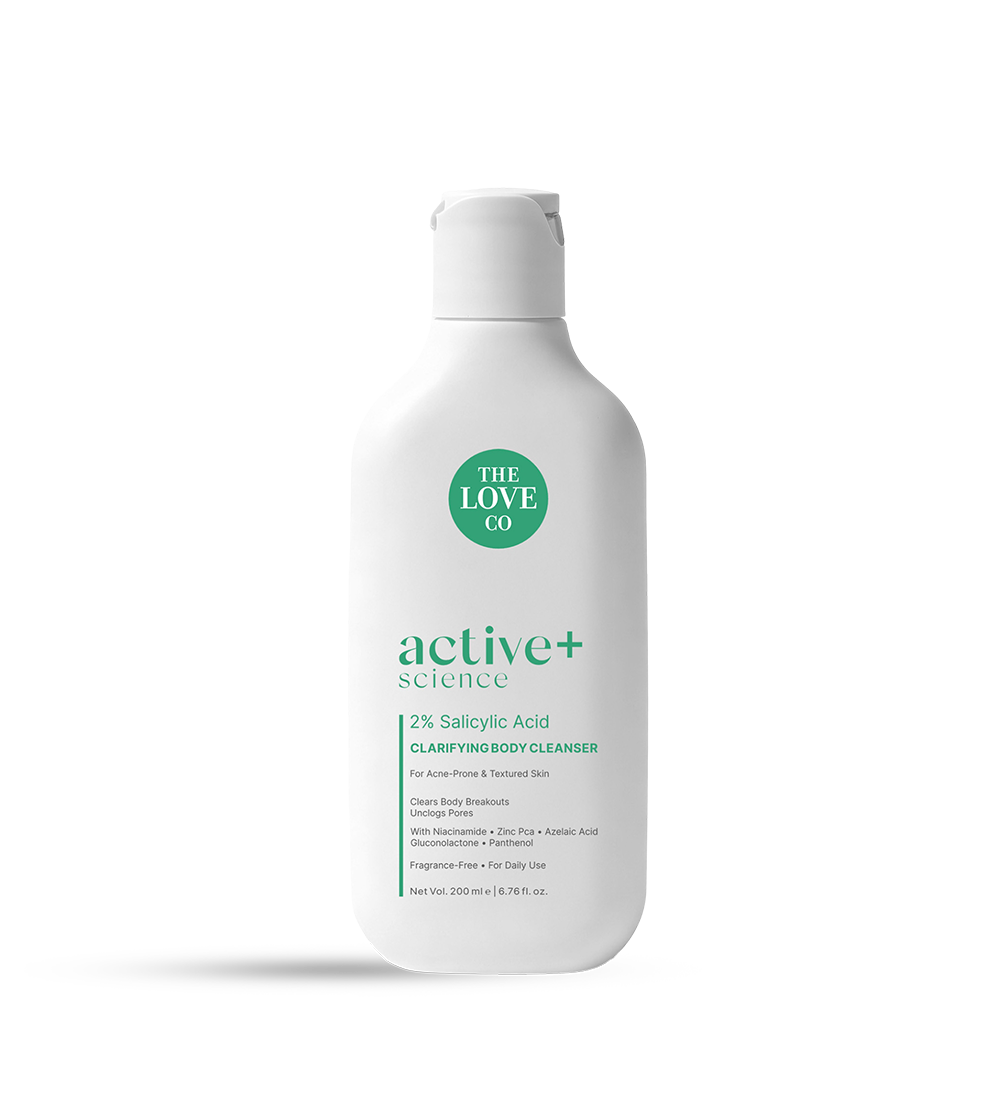
If you want an easy way to start, our AHA BHA Body Wash (236ml) pairs glycolic and lactic acid (AHA) with 1% salicylic acid (BHA) in a single rinse-off step. The 236ml travel size is a low-commitment way to trial multi-acid exfoliation on your arms or thighs; once it earns a place in your routine, the everyday 350ml size takes over.
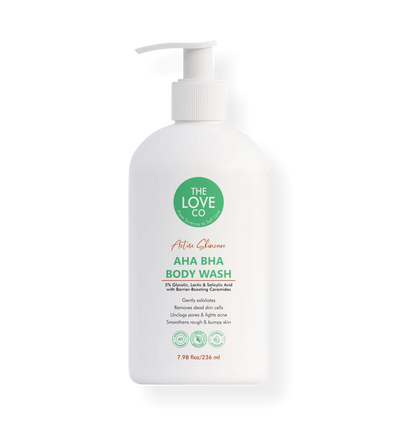
Smooth Skin Body Wash · 236ml
The travel-size multi-acid body wash for KP, strawberry skin, dullness, and bumpy texture. Glycolic and lactic acids resurface the skin surface while 1% salicylic acid helps clear inside...
A ritual is the smallest love you give yourself, daily.
— Meher Kapoor · 19 Jun 2026