
Skip to content
THE LOVE CO

Your cart

A composition begins
with a single note.

Continue exploring

Discount will be automatically applied at checkout.

The Love Co

ALL IN LOVE – 10% Off Entire Store

Shop Fall in Love

Popular searches

trending products

Fall in Love Body Lotion - The Love Co
Fall in Love Body Lotion

Warm amber rose · body lotion · softens and layers

Sale price₹799.00
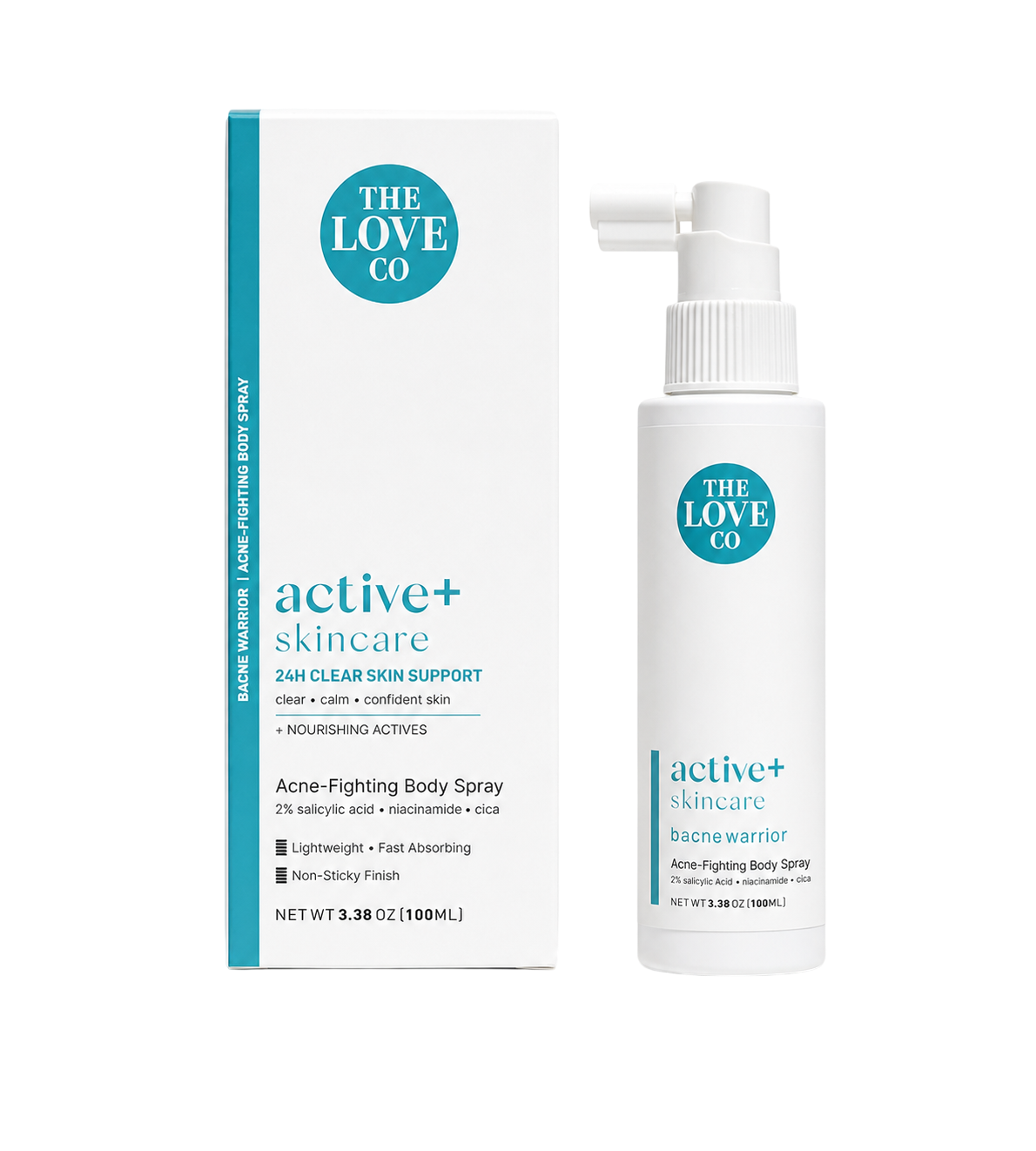
25% OFFAcne-Fighting Body Spray - The Love Co
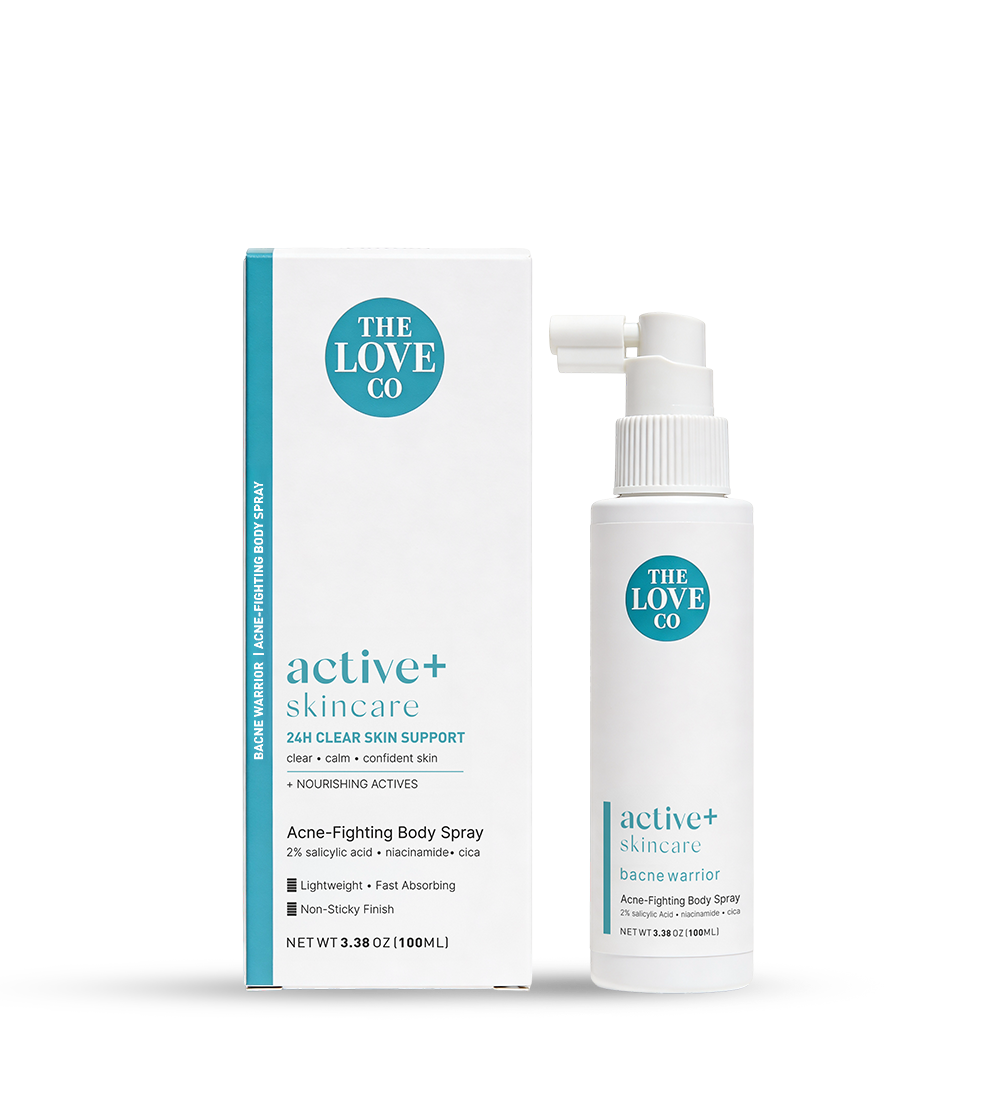
Bacne Spray – 2% Salicylic Acid Body Spray

Targets body acne · India-made · body-first

Sale price₹599.00
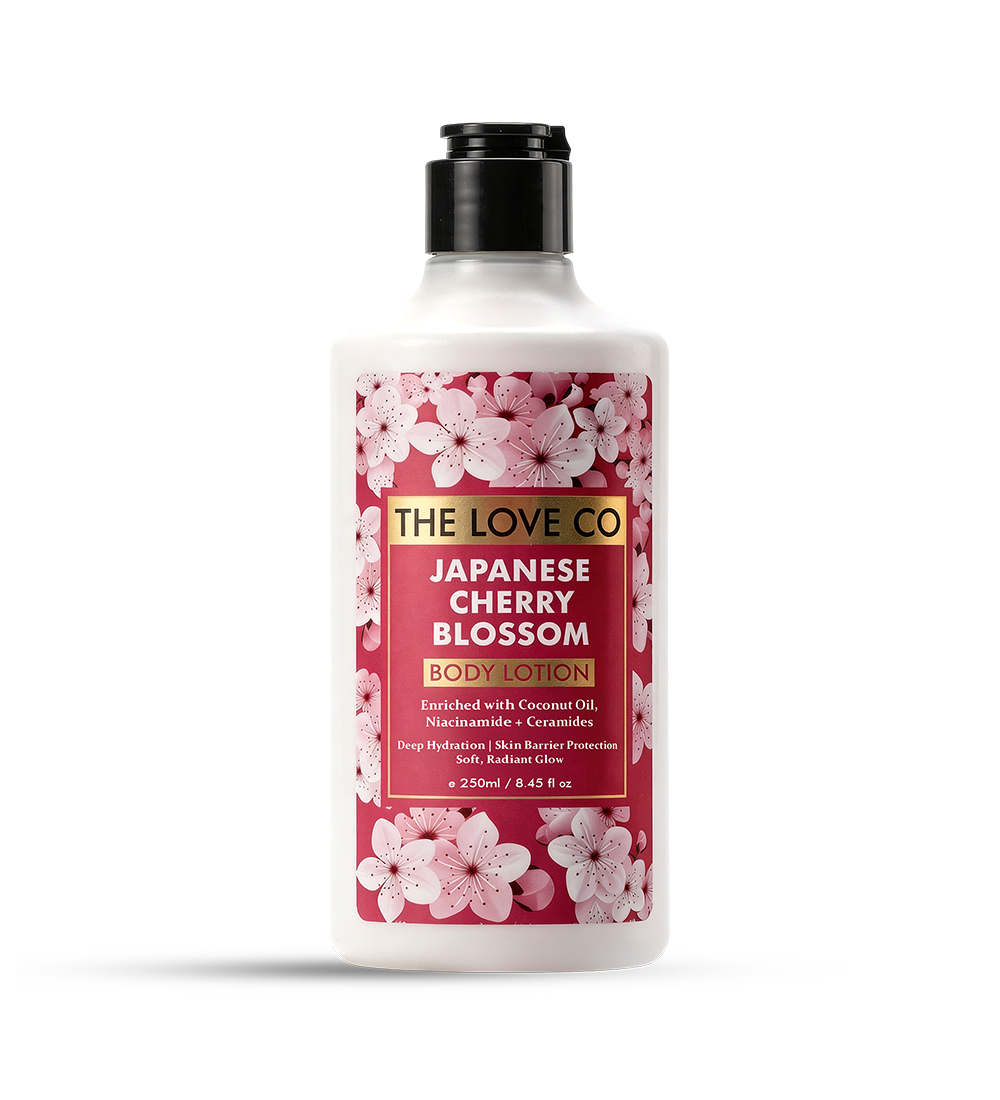
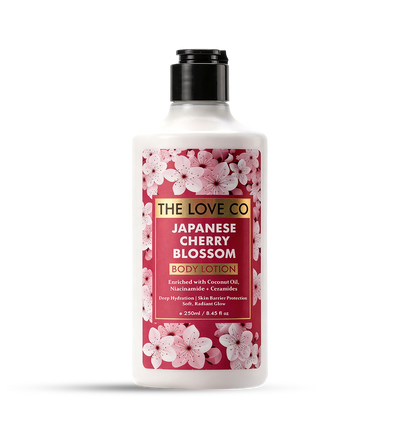
Japanese Cherry Blossom Body Lotion - The Love Co
Japanese Cherry Blossom Body Lotion

Soft sakura petals · body lotion · softens and layers

Sale price₹699.00
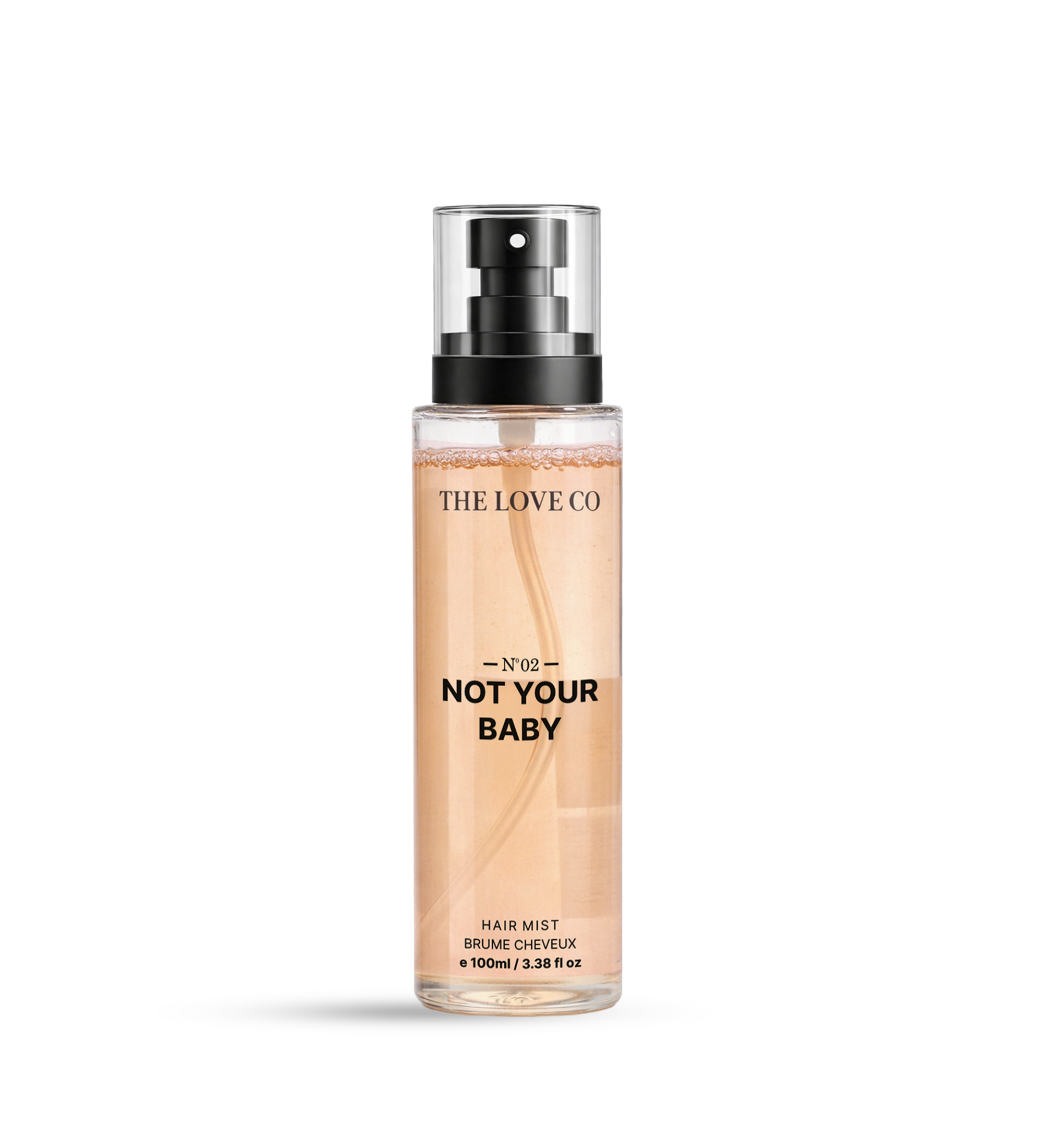
N° 02 Not Your Baby Hair Mist - The Love Co
Not Your Baby Hair Mist

soft hair scent · close-contact trail

Sale price₹499.00
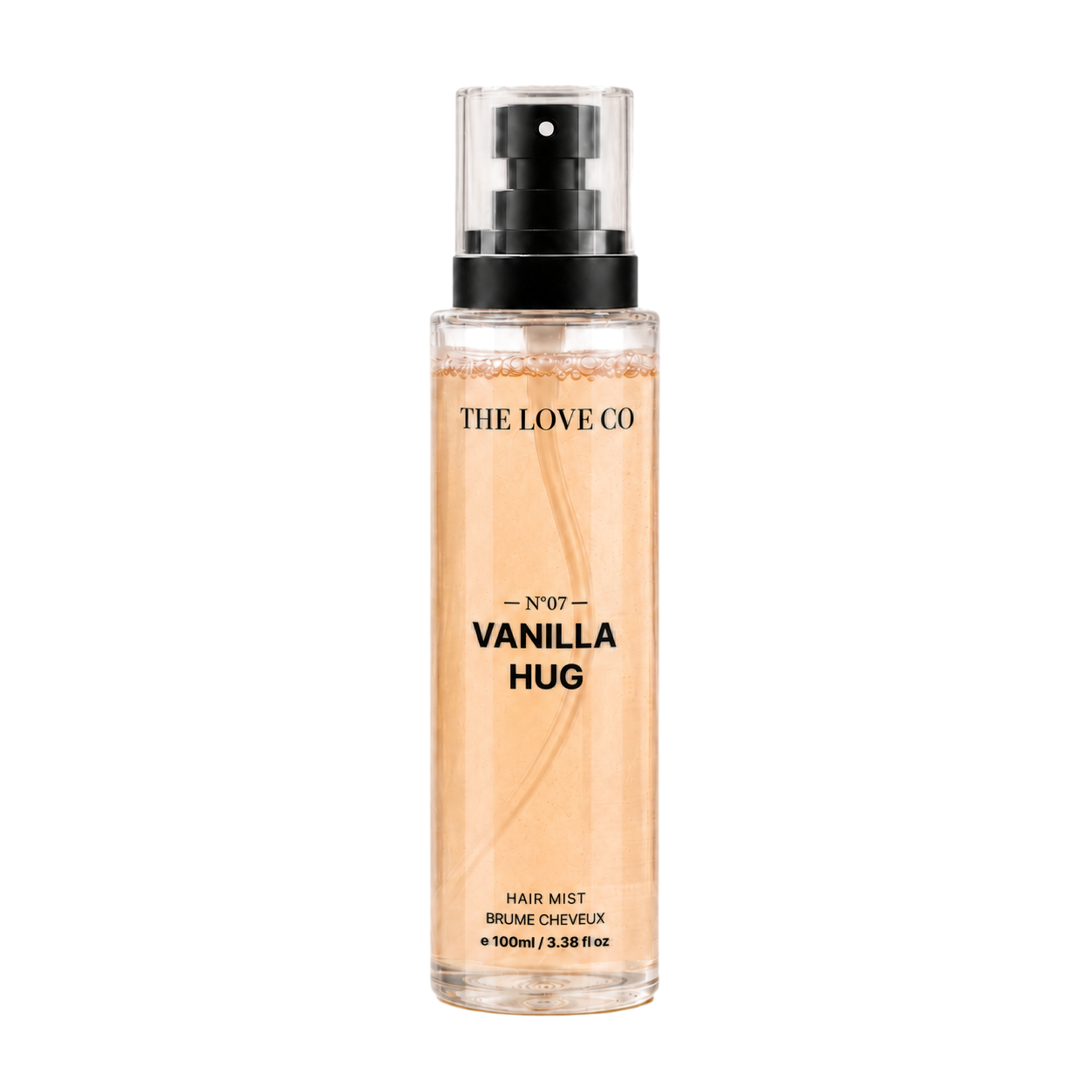
Vanilla Hug Hair Mist — Cosy Vanilla Hair Fragrance | The Love Co
Vanilla Hug Hair Mist

Warm vanilla · soft hair scent · close-contact trail

Sale price₹499.00
Home  /  The Journal /  active-ingredients
active-ingredients · Chapter 93

What Does 10% Urea Do for Keratosis Pilaris and Very Rough Skin?

A Anaya Rao 15 Jun 2026 1 min read

TL;DR: At 10%, urea becomes keratolytic -- it actively breaks down thickened, hardened skin. This makes it one of the most effective treatments for KP, rough heels, and persistently thick patches on elbows and knees.

What It Is

Urea is a naturally occurring compound in the skin. At low concentrations (5%), it hydrates. At higher concentrations (10% and above), it shifts function -- becoming keratolytic. This means it breaks the protein bonds in thickened, hardened skin, allowing dead skin to shed naturally and revealing the softer skin underneath.

How It Works on Body Skin

The skin on heels, elbows, knees, and the outer arms can become severely thickened over time. This thickening -- called hyperkeratosis -- is the same process behind keratosis pilaris (KP). Physical scrubbing only removes the surface layer temporarily. 10% urea works differently: it penetrates into the thickened stratum corneum and breaks down the protein structure from within. The result is not surface-level smoothing -- it is genuine reduction in skin thickness. Studies show 10% urea reduces KP bump height, calms associated redness, and restores normal skin texture with 2-4 weeks of consistent use. Apply to damp skin for best absorption -- damp skin allows urea to penetrate 30-40% more effectively than dry skin.

What to Expect

Days 1-3: Skin feels softer within hours of first application. Week 1: Visible reduction in roughness. Skin looks less dull. Week 2-3: KP bumps noticeably flatter. Heel skin begins to soften meaningfully. Week 4: Smooth, even-textured skin where there was once persistent roughness. Results are best maintained with continued use 4-5 times per week.

How to Use It Correctly

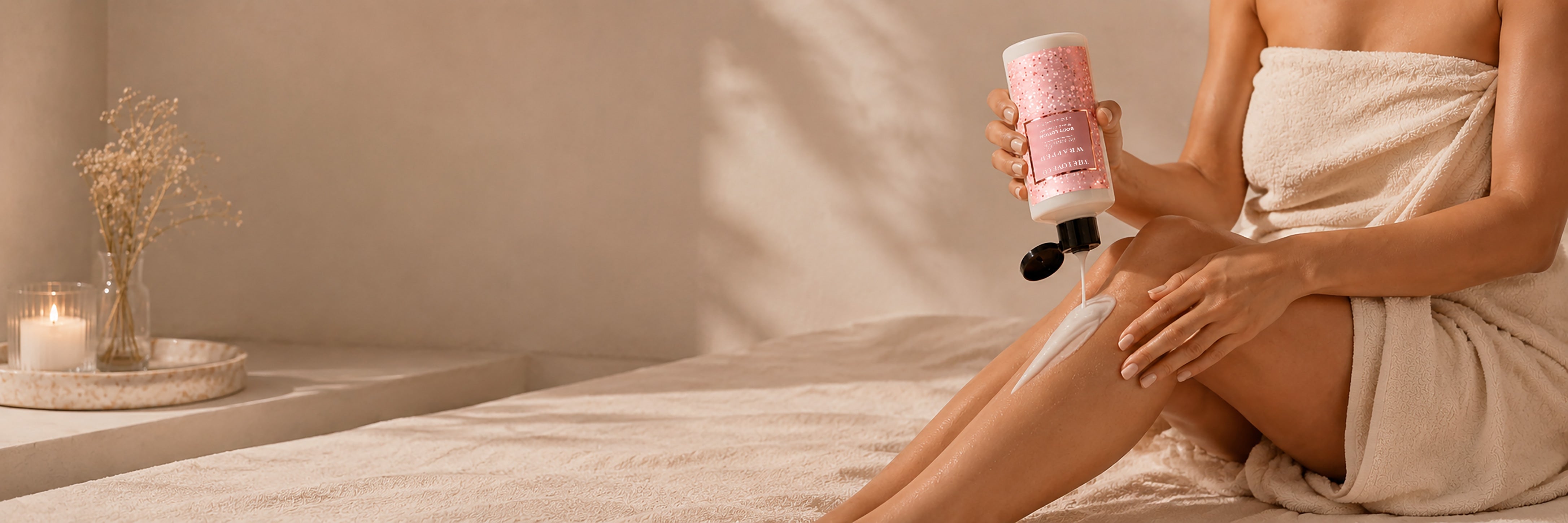
Apply to damp skin immediately after showering. This is not a preference -- it is a meaningful difference in efficacy. Massage into rough areas: heels, elbows, KP-affected upper arms and thighs. Allow to absorb before dressing. Use 4-5 times per week. Daily use is safe for most people.

Who Should Use It

Anyone with KP, very rough heels, thickened elbow or knee skin, or any area of persistent hyperkeratosis. Safe for adults. Avoid on broken, cracked, or inflamed skin -- the keratolytic action can sting on compromised skin. Consult a dermatologist if you have eczema or psoriasis before use.

The TLC Pick

The 10% Urea Body Lotion is a leave-on formula -- which is critical for keratolytic action. Unlike wash-off formats, a lotion stays on skin long enough to work at the protein level. Use it after showering, focused on the roughest areas.
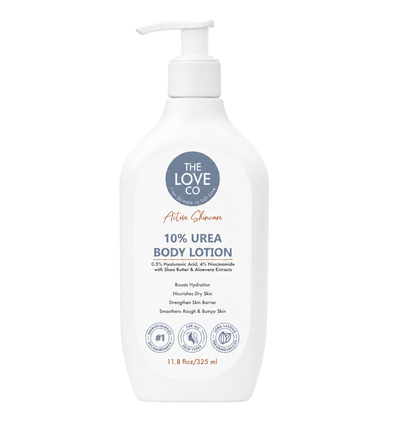
10% Urea Body Lotion – KP Treatment
— Mentioned in this essay

10% Urea Body Lotion – KP Treatment

A 10% urea body lotion for KP, strawberry skin, rough patches, calluses, and dry textured body skin. Urea hydrates and gently softens keratin build-up, making it a strong...

Shop the ritual →
— End of essay

A ritual is the smallest love you give yourself, daily.

— Anaya Rao · 15 Jun 2026
A
— Written by

Anaya Rao

The Love Co. · Mumbai

Writes about body care, fragrance, ingredient choices, and ritual design for The Love Co.

Quick answers

Frequently asked.

Common questions readers ask about this topic — answered in plain language.

Nothing matches that phrase.

Try a softer word, or write to us. We will answer.

How long do The Love Co. fragrances actually last? ★ Most asked

Body mists wear light on dry skin, feel fuller when layered over the matching body lotion, and settle into a richer trail when the full four-step Cleanse Ritual is used. Longevity is a function of layering, not concentration.

Are The Love Co. products safe for sensitive skin? Patch-test

TLC products are designed for body skin and daily rituals, with ingredient lists printed on pack and product pages. Patch test on the inner arm for 48 hours if you have known fragrance sensitivities, and choose fragrance-light options if your skin is very reactive.

What is the Cleanse Ritual?

TLC's four-step body care system. Step 01: Body Wash deposits the base accord in the shower. Step 02: Body Lotion on damp skin within three minutes, locking heart notes into the lipid layer. Step 03: Body Mist reactivates and projects the scent. Step 04: Solid Perfume at pulse points, activated by body heat. Each step extends the one before it.

How long does delivery take?

Standard delivery: 3–5 working days across India. Express: 1–2 working days in 12 cities. Free above ₹499. Tracking link emailed the moment your order ships.

What if I don't like the scent?

Sealed, unused bottles can be returned within 14 days. Opened fragrance can't be exchanged — for hygiene reasons it can't be resold. The best way to find your scent first is our Fragrance Quiz or a 50ml mini. If your order arrived damaged or wrong, write to support@theloveco.in within 48 hours with photos and we'll replace it free.

Still have a question?

WhatsApp the team — replies within an hour during working hours (Mon–Sat, 10am–6pm IST). Email replies within 24 hours on working days.

Read next

More from the journal.