TL;DR: Salicylic acid is oil-soluble -- the only common exfoliant that can enter a sebaceous gland. That single property makes it uniquely suited to body acne, where other acids cannot follow.
What Makes It Different
Every exfoliating acid works by dissolving bonds between skin cells. AHAs -- glycolic, lactic, mandelic -- are water-soluble. They work on the skin surface. Salicylic acid (BHA) is oil-soluble. It mixes with sebum and travels into the follicle itself. This is not a small distinction. Body acne -- on the chest, back, and shoulders -- is almost entirely a follicular problem: sebum overproduction, bacterial overgrowth inside the pore, and the inflammatory cascade that follows. Salicylic acid addresses this at the source.
How It Works on Body Skin
Body skin is thicker than facial skin. Sebaceous glands on the back and chest are more numerous and more active than on most of the face. This is why face acne and body acne respond differently to the same treatments. Inside the follicle, salicylic acid does four things: it exfoliates the pore lining (reducing comedone formation), dissolves the keratin plug blocking the pore, reduces sebum production over time, and suppresses the inflammatory response that makes a clogged pore turn into a painful red spot. No other single ingredient does all four.
1% vs 2%: Which to Use
1% salicylic acid is appropriate for maintenance and prevention -- clearing mild congestion and keeping pores from clogging. Use it when your skin is mostly clear but prone to breakouts. 2% salicylic acid is for active breakouts -- inflamed spots, persistent bacne, or chest acne that does not respond to gentler options. Body acne, driven by hormones and thicker skin, typically needs 2% for meaningful clearance.
What to Expect
Weeks 1-2: Minor purging possible as existing congestion surfaces. This is a sign the ingredient is working. Week 3-4: Active spots reduce. New breakouts are smaller and heal faster. Weeks 4-8: Significant clearance on the back and chest. Post-acne marks may still be present -- pair with niacinamide to address those.
How to Use It Correctly
For wash formats: apply to damp skin, leave for 30-60 seconds, rinse. For spray formats: spray directly onto back or chest after showering. Do not rinse. Use once daily. Increase to twice daily only if skin tolerates without dryness or flaking. Always follow with a lightweight, non-comedogenic moisturiser.
Who Should Use It
Anyone with chest or back acne at any severity. Hormonal acne on the body -- which tends to appear on the jawline, chest, and back in cycles -- responds particularly well to salicylic acid maintenance. Avoid during pregnancy. Avoid if you have aspirin sensitivity.
The TLC Pick
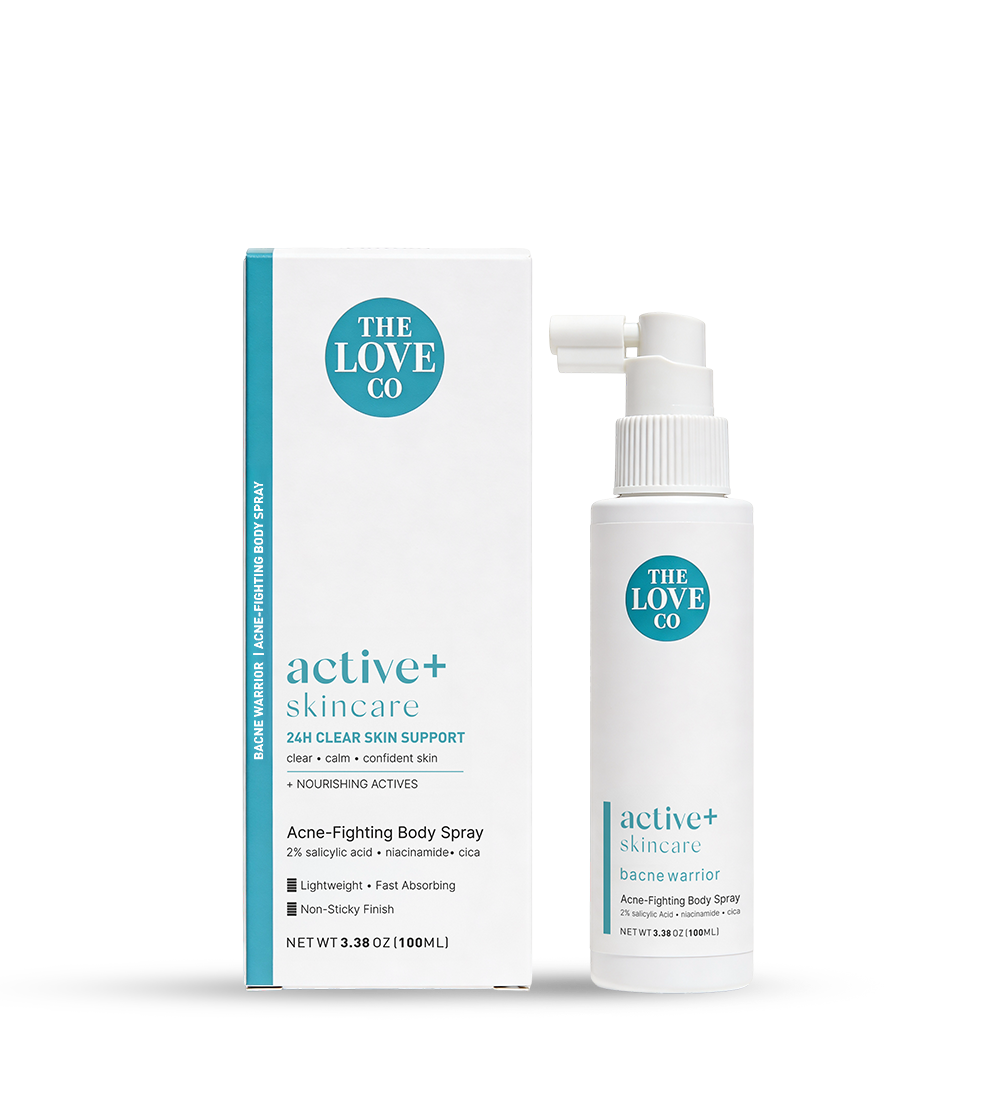
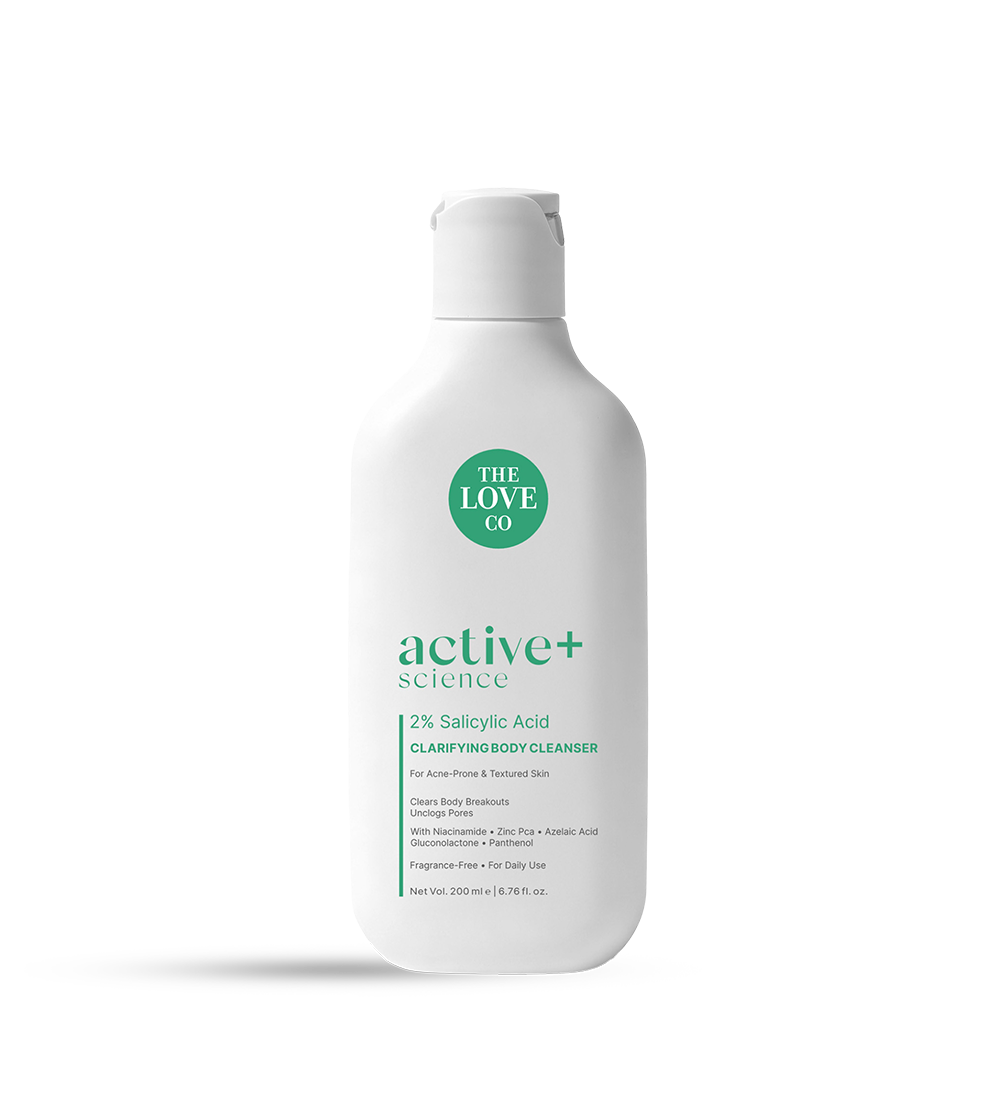
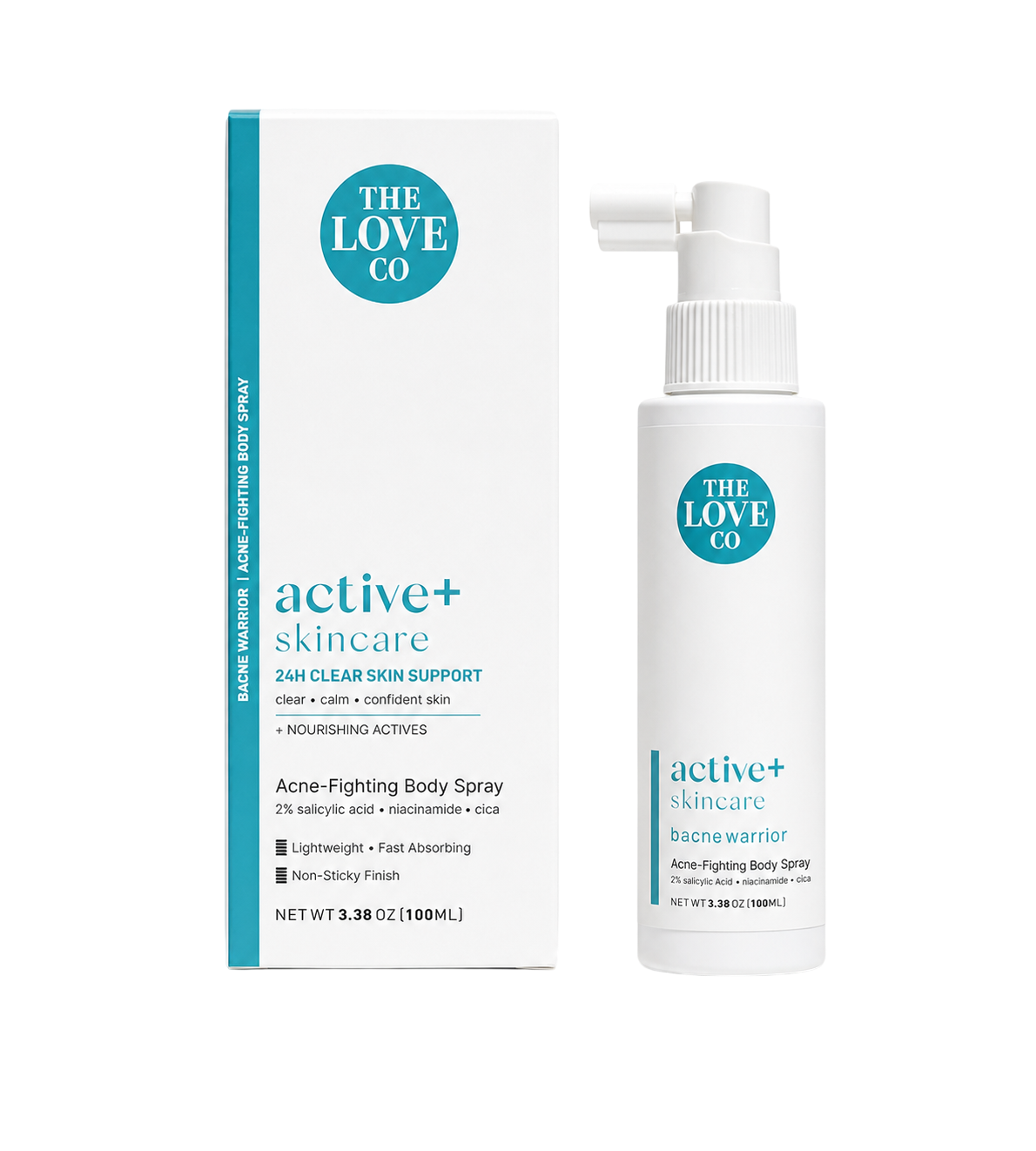
The 1% Salicylic Acid Body Wash is the daily maintenance option -- gentle enough for everyday use, effective enough to prevent new congestion. For active bacne, step up to the Bacne Warrior 2% Spray for direct, leave-on treatment.
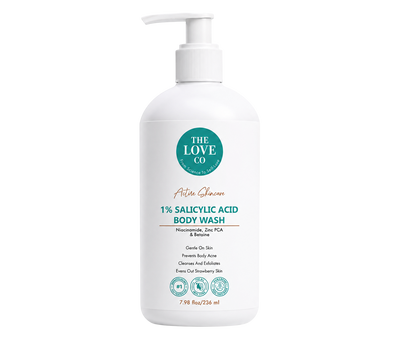
Clear Skin Body Wash · Gentle Daily
The gentle salicylic start. A 1% salicylic acid body wash for mild bacne, blocked pores, strawberry skin, and rough body texture. Built for daily exfoliation, first-time active users,...
A ritual is the smallest love you give yourself, daily.
— Anaya Rao · 15 Jun 2026