
Lactic Acid for Body: Hydrating Exfoliation
Lactic Acid for Body: Hydrating Exfoliation
Lactic acid is a medium-molecule alpha hydroxy acid derived from fermented milk sugars, used in body care at 5 to 10 percent to exfoliate dead cells while simultaneously boosting natural moisturising factor in skin. It is the gentlest AHA for Indian body care, making it ideal for keratosis pilaris, dull skin, and post-summer tan, without triggering the barrier disruption that glycolic acid can.
What is Lactic Acid?
Lactic acid is produced by lactobacillus fermentation, historically from milk, now largely from sugar beet or corn. Its molecule is larger than glycolic, which means slower penetration, lower irritation risk, and less surface sting. It loosens the desmosomes that glue dead skin cells together, revealing smoother texture underneath, while simultaneously acting as a humectant that pulls water into the upper epidermis.
This dual-action is what sets it apart. Most AHAs exfoliate, then leave skin feeling tight. Lactic exfoliates and hydrates, which is why it earned a place in Cleopatra's milk baths two millennia before modern dermatology confirmed the mechanism.
Why it matters for Indian body care
Indian skin is often caught between two extremes: oily, sweat-driven congestion in summer, and dry, flaky patches in winter. Lactic acid handles both without tipping the balance. It clears the build-up that causes keratosis pilaris (the rough bumps on upper arms and thighs most Indian teens and adults carry), fades the dullness that Delhi pollution layers onto skin, and smooths the textural damage of summer sun. Because it hydrates as it exfoliates, it rarely triggers the reactive inflammation Indian skin is prone to.
How TLC uses Lactic Acid
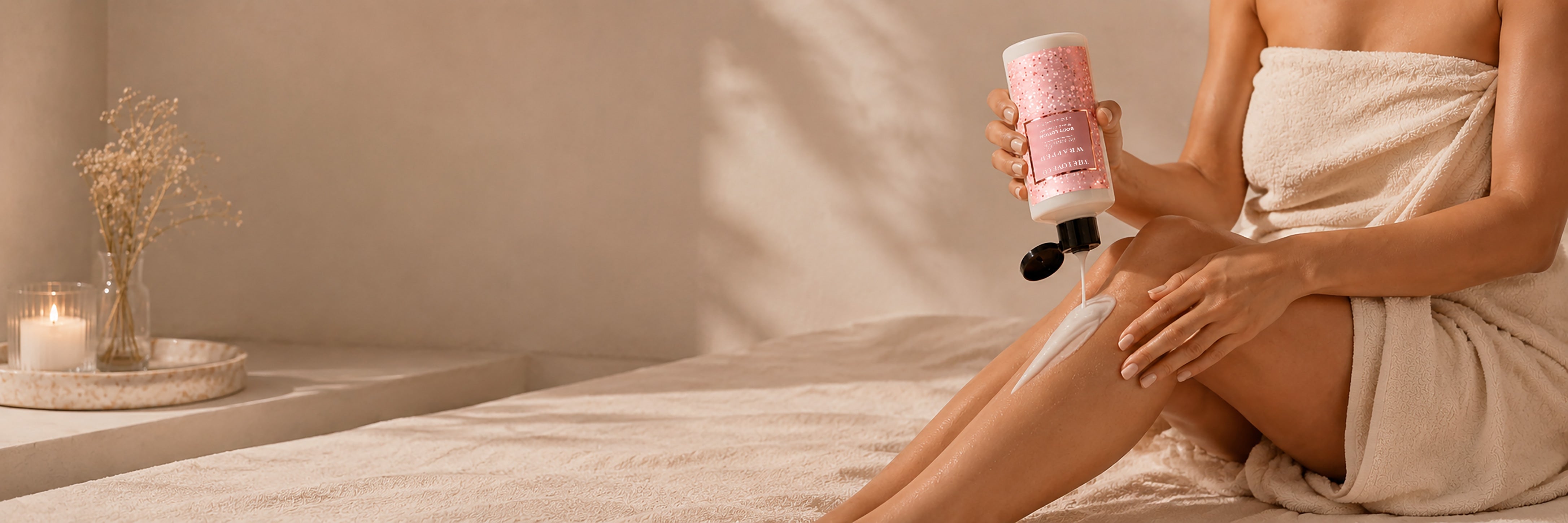
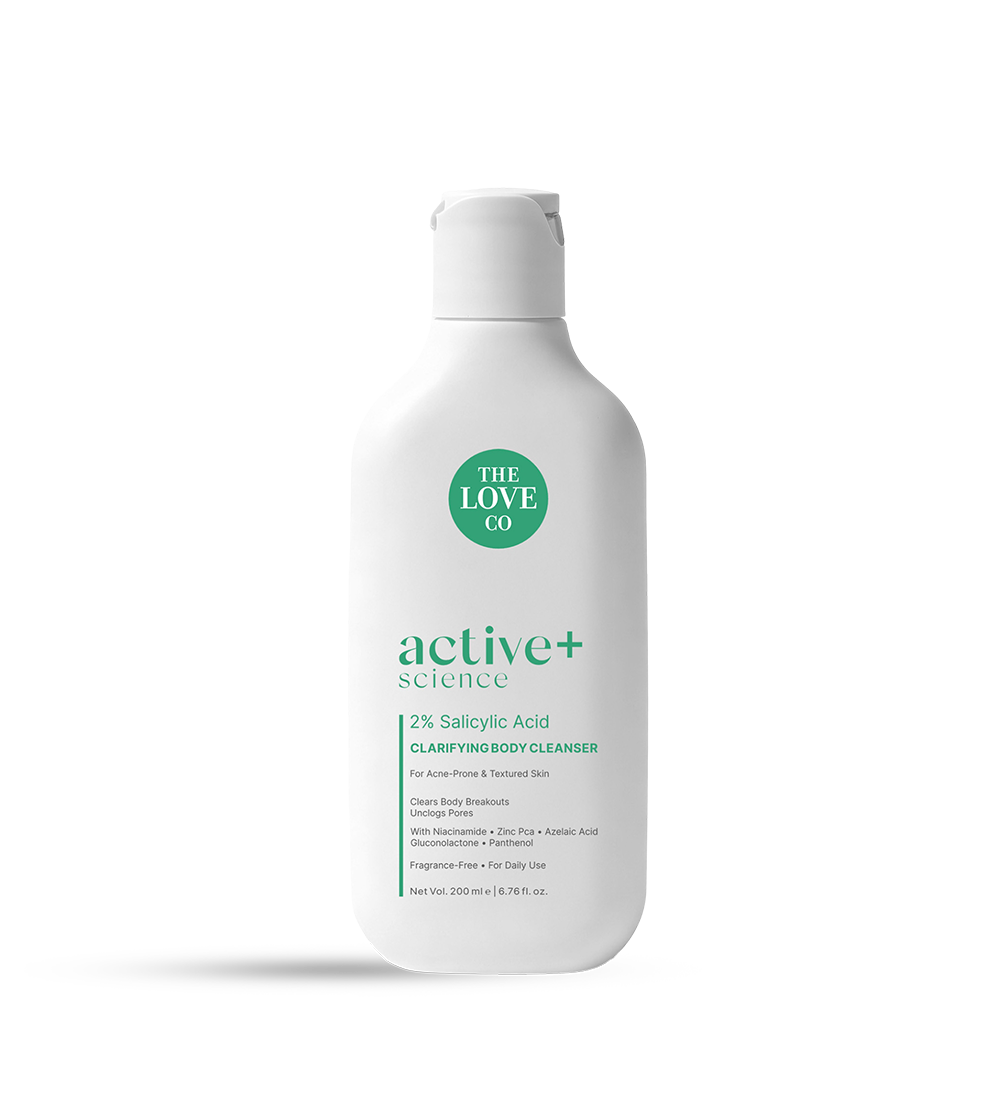
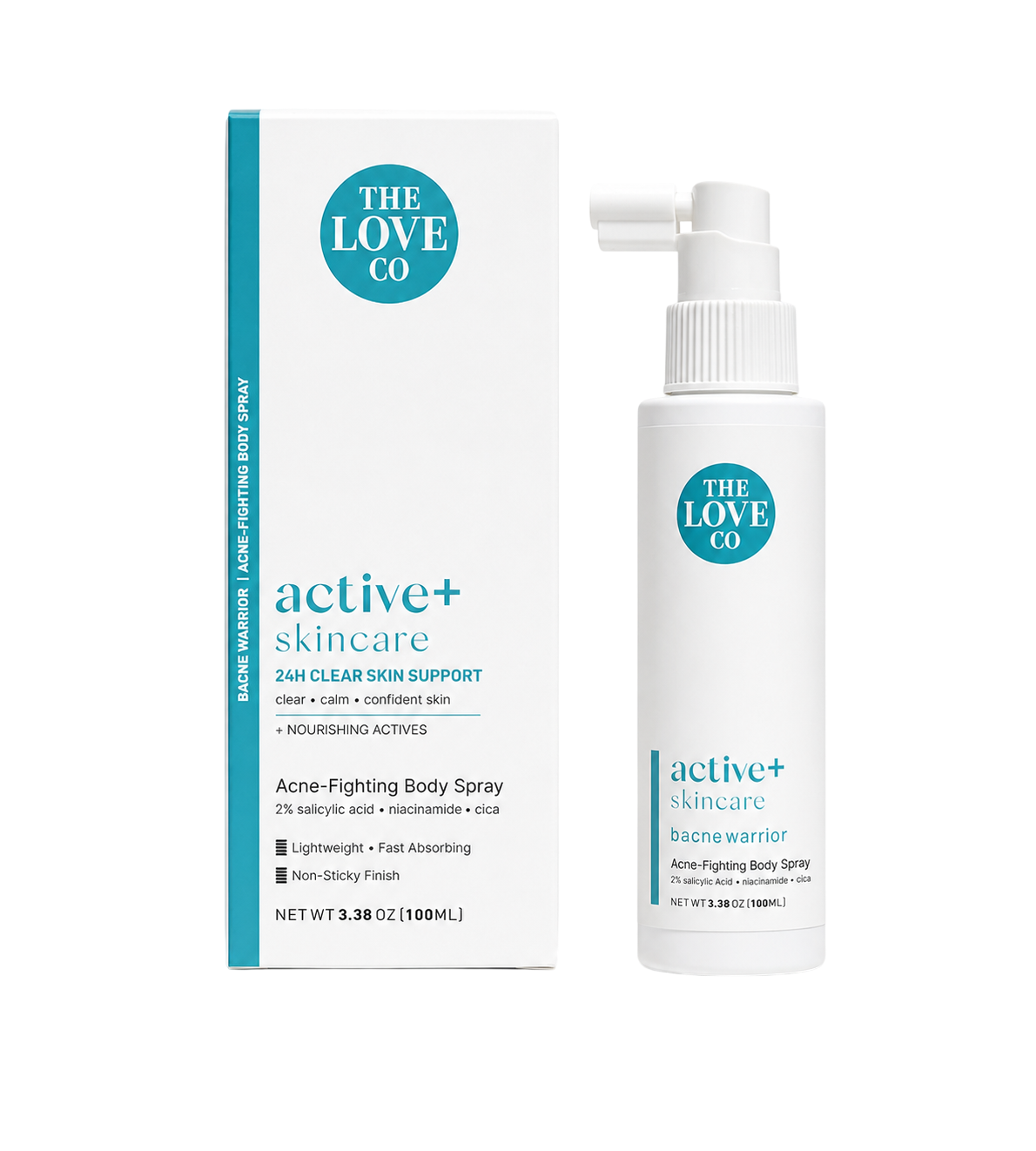
TLC uses lactic acid at 5 to 8 percent in body lotions and 10 percent in targeted treatment gels. It is buffered to pH 3.8-4.0 for efficacy without burn, and paired with hyaluronic acid and centella to keep the barrier calm. Try it in our our hydrating exfoliation range for smoother upper arms, softer heels, and a genuine tan-reversal over 4-6 weeks.
How to use / best practices
- Start at 5 percent, two to three times a week at night. Ramp up to daily after two weeks if no sensitivity.
- Apply on dry skin. Damp skin increases penetration and stinging.
- Follow with a barrier cream containing ceramides or squalane. Do not sleep with bare lactic-treated skin.
- Do not use the same night as retinoids or high-strength vitamin C. Alternate nights.
- Daytime SPF is non-negotiable. AHAs increase photosensitivity for 7 days after use.
- Target keratosis pilaris with circular massage for 30 seconds, then rinse after 5 minutes for the first two weeks.
Who should use (and who should skip)
- Use if: You have KP, dullness, uneven body texture, mild body acne scarring, or dry winter flakes.
- Use if: You found glycolic acid too aggressive and want gentler weekly exfoliation.
- Skip if: You have active eczema flare-ups, sunburn, or a freshly shaved/waxed area (wait 48 hours).
- Skip if: You are on oral isotretinoin (consult dermatologist first).
Frequently asked questions
Lactic acid or glycolic acid for Indian skin?
Lactic for sensitive, dry, or first-time acid users. Glycolic for oily, resilient skin chasing faster results. Lactic is the safer default for Indian body care.
Can I use it on my underarms?
Yes, but at 5 percent or lower, and not within 48 hours of shaving or waxing.
Will lactic acid help with strawberry legs?
Yes. The combination of exfoliation plus hydration addresses both the clogged follicle and the dry-texture component of strawberry legs. Expect results in 4-6 weeks.
Can I use it year-round in India?
Yes, with daily SPF. In peak summer, reduce frequency to two or three nights per week to avoid compounding sun damage. See our complete guide to Indian fragrance body care.
