








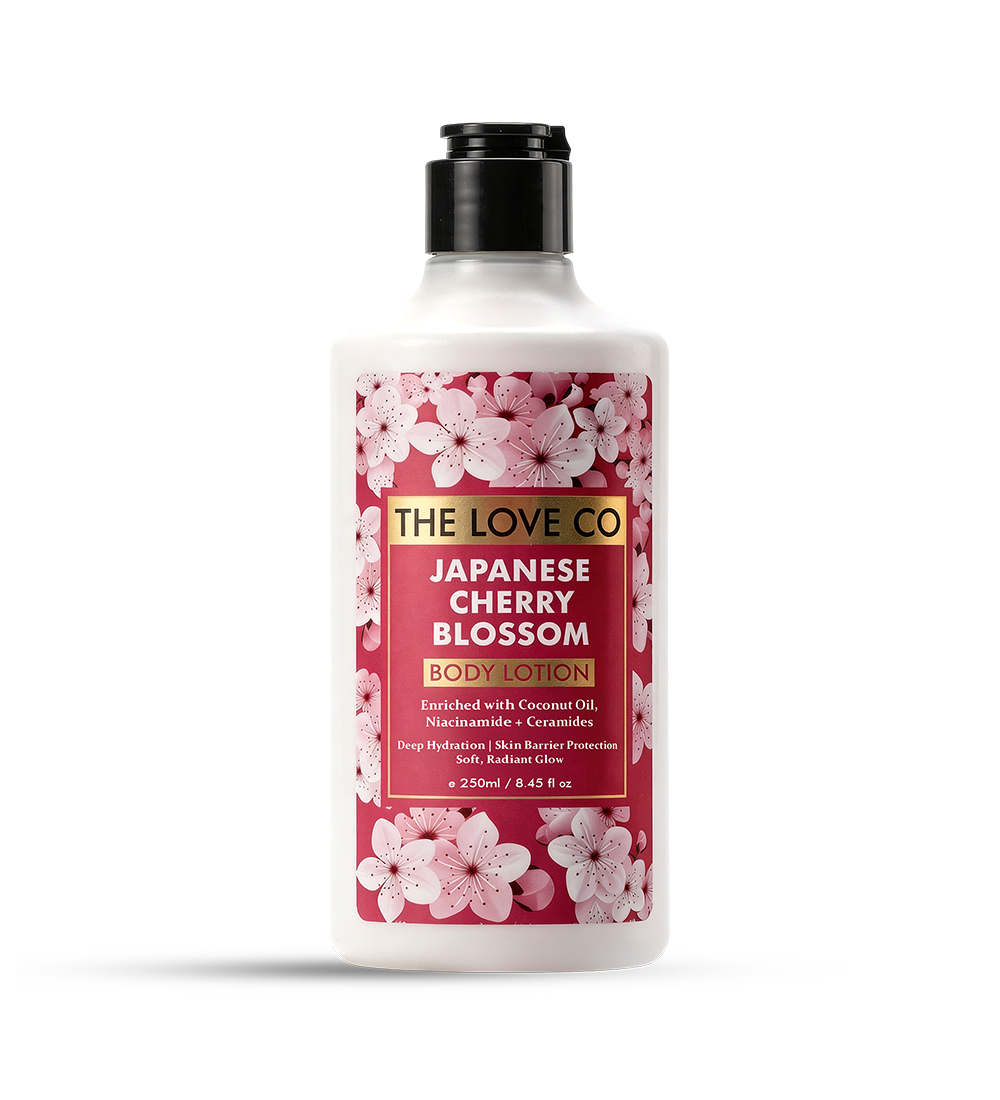


Aromatherapy is ancient. Aromachology is modern.
The distinction matters.
Aromatherapy claims that specific scents have healing properties. Some claims are evidence-based; many are not.
Aromachology is the scientific study of how odours affect psychology and behaviour — mood, stress response, cognitive performance, social behaviour. Developed formally in the late 1980s, it applies standard research methodology to questions about smell and the mind.
What it has found is significant — and most of it was already known empirically by perfumers working in India for centuries.
What the Research Shows
Rose and anxiety: Multiple double-blind studies have found that exposure to rose fragrance reduces subjective anxiety ratings and lowers cortisol markers. A 2017 study in the Journal of Physiological Anthropology found rose oil inhalation reduced autonomic nervous system stress response.
Sandalwood and relaxation: Santalol — the primary active compound in Mysore sandalwood oil — has been studied for its effect on the central nervous system. Research published in Planta Medica found santalol inhalation decreased systolic blood pressure and blink rate while increasing skin conductance, suggesting a combination of relaxation with maintained alertness.
Vetiver and grounding: Vetiver has been used in Indian Ayurvedic medicine for its cooling and grounding properties. Research on vetiver's sesquiterpene compounds (particularly khusimol) suggests mild anxiolytic activity. Aromachology studies have found vetiver inhalation associated with reduced mental fatigue.
Citrus and alertness: Limonene (the primary component of citrus top notes) reliably increases alertness and subjective energy ratings across multiple studies. This is why citrus top notes are common in morning fragrances.
Lavender and sleep: The most extensively studied fragrance compound in aromachology. Linalool's effect on GABAergic activity is well-documented. Less relevant to Indian fragrance tradition, but noted for completeness.
Why Indian Perfumery Already Knew This
Ayurveda codified fragrance's psychological effects two thousand years before modern aromachology had a methodology.
The Charaka Samhita (one of the foundational Ayurvedic texts) describes specific fragrance ingredients as: - Sandalwood: cooling, calming, beneficial for pitta (heat, inflammation, mental agitation) - Vetiver: grounding, cooling, beneficial for anxiety and heat-related mental disturbance - Rose: uplifting, cooling, beneficial for emotional tension and fatigue - Jasmine: stimulating, anti-depressant, beneficial for low mood and anxiety
Modern aromachology has confirmed the psychological directionality of these assessments using randomised controlled methodology. The Ayurvedic practitioners were working empirically with the same compounds for two millennia before Western science caught up with a framework.
The Indian Summer Angle
India's climate creates specific aromachological needs. In summer heat — particularly in North Indian plains reaching 45°C — the nervous system runs hot. Mental agitation, sleep disruption, and irritability are physiologically driven by heat stress.
This is why Indian perfumery developed around cooling, grounding base notes rather than stimulating citrus top notes. The fragrance-led body care approach using rose, sandalwood, and vetiver is not just aesthetically appropriate for Indian skin — it is psychologically appropriate for the Indian climate.
You are not just smelling good. You are self-regulating.
Practical Aromachology for Body Care
Morning: Rose (uplifting) + sandalwood (alert but calm) — appropriate for the beginning of a day that requires both energy and composure.
Evening: Vetiver (grounding) + sandalwood — appropriate for winding down from a stimulating day. The vetiver's quieting quality combines with sandalwood's warmth for genuine relaxation rather than sedation.
Stress situations: Sandalwood alone — the blood pressure and heart rate effects of santalol make it specifically useful for high-stress contexts.
A 4-step body care ritual built on these ingredients isn't just fragrance application. It's deliberate mood architecture, applied at the most appropriate moment — when skin is warm and receptive after showering, and the nervous system is in a state that can absorb the signal.
The Love Co is India's first fragrance-led body care brand — built on Kannauj rose, Mysore sandalwood, and Tamil Nadu vetiver. The ingredients that Ayurveda prescribed and modern science confirmed.
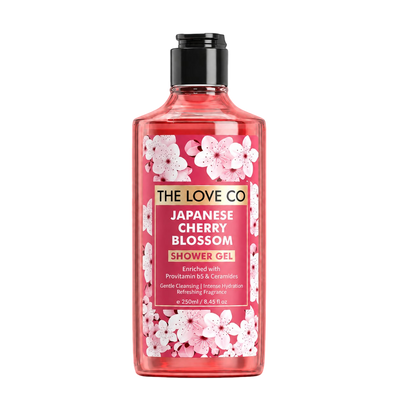
Japanese Cherry Blossom Body Wash
Scent Trail Step 1 · soft floral body wash Start the Scent Trail here. A pH 5.5, SLS-free cleanser that protects your skin barrier while it washes —...
A ritual is the smallest love you give yourself, daily.
— Hemang Jain · 20 May 2026