










Mindfulness practice has one central challenge: the mind wanders.
Breath is the most common anchor — noticing the breath brings attention back to the present moment, again and again. But breath is subtle, and for many people, easy to lose track of.
Fragrance is a more immediate anchor. The olfactory system bypasses the thalamus — it is already present-moment, already in the body, already in this exact second. You cannot smell yesterday or tomorrow. Smell only exists now.
The Neuroscience of Fragrance Presence
When you bring deliberate attention to a smell, you are engaging the olfactory system in a way that is qualitatively different from passive smelling.
Active olfactory attention — consciously noticing and following the smell — engages the prefrontal cortex (attention and deliberate thought) in concert with the amygdala and olfactory cortex (emotion and smell processing). This engagement is focused, specific, and incompatible with the rumination (past) or planning (future) that pulls attention away from the present.
You cannot ruminate while genuinely attending to a smell. The two activities compete.
Fragrance as Meditation Anchor
A fragrance anchor for mindfulness practice works as follows:
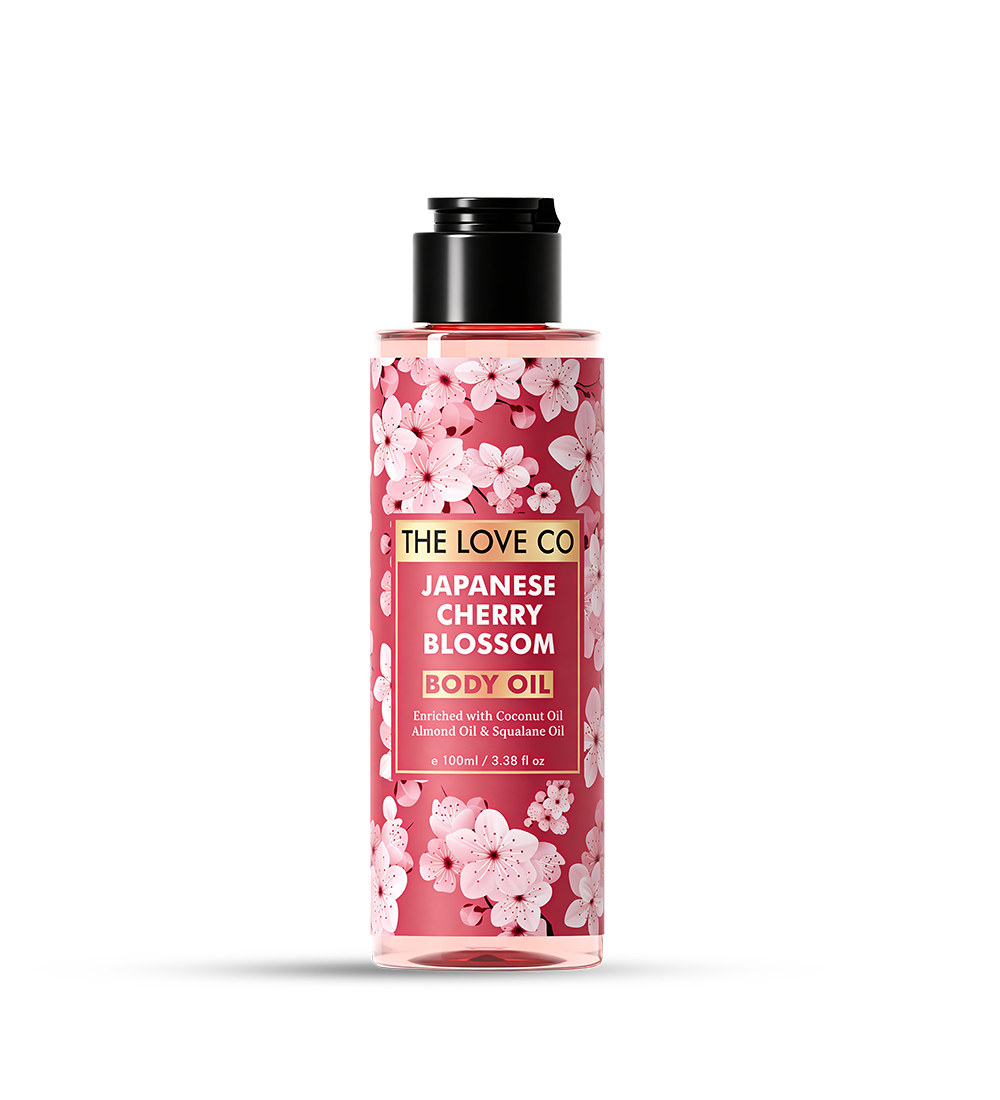
Choose a specific scent: A body oil with sandalwood and vetiver, a specific attar, or a fragrance associated with a calm context. The specific choice matters — you are creating an olfactory memory anchor, and with repeated practice, the smell itself will begin to produce the focused, calm state you practised in its presence.
Apply it with intention: Rather than applying your body care as a routine task, apply it with full attention. Notice the smell as it arrives. Follow the fragrance as it changes on warm skin — the initial note, the shift as it settles, the base note emerging.
Use it as a return anchor: During meditation or any mindfulness practice, when attention wanders, return to the smell on your skin. Bring the nostrils to the wrist. The smell is always present-moment — it cannot be anywhere but now.
The Indian Fragrance Tradition and Contemplative Practice
The use of fragrance in contemplative practice is not new. The agarbatti tradition, the sandalwood paste in yoga and meditation spaces, the incense in Buddhist and Hindu meditation halls — all are using the present-moment, non-conceptual quality of smell to anchor contemplative attention.
The specific ingredients of Indian meditation fragrance — sandalwood, vetiver, rose — are not random. They are chosen for specific qualities:
Sandalwood: Stills the mind without sedating it. The aromachology research confirms what practitioners have known: sandalwood produces alert calm.
Vetiver: Grounds and anchors. Reduces mental scatter. Returns attention to the body.
Rose: Opens the heart without over-stimulating. Gentle uplift appropriate for the settled, attentive state that meditation seeks.
A morning body care ritual with these ingredients, performed with attention, is a five-minute mindfulness practice embedded in an unavoidable daily routine.
The Love Co is India's first fragrance-led body care brand — built on the ingredients that Indian contemplative tradition has used to anchor the present moment for centuries.

Japanese Cherry Blossom Body Wash
Scent Trail Step 1 · soft floral body wash Start the Scent Trail here. A pH 5.5, SLS-free cleanser that protects your skin barrier while it washes —...
A ritual is the smallest love you give yourself, daily.
— Hemang Jain · 20 May 2026