




No single evening in the Indian calendar produces more layered, more emotionally charged fragrance than Diwali night.
From late afternoon preparation through midnight — the fragrance composition of Diwali night is one of the most complex olfactory experiences in human celebration. It changes by the hour, and each layer carries its own emotional weight.
The Fragrance Timeline
4pm – Preparation: The kitchen has been active since morning. The specific smell of Diwali mithai preparation — sugar syrup at different stages, ghee frying khoya, cardamom and kesar in milk — fills the house. This is the smell of abundance being made, of care being materialised into food.
5pm – The lamps: Diyas begin to be lit. The smell of ghee burning in clay diyas is immediate and specific: the low, warm, fatty-sweet combustion product of clarified butter. This smell is the smell of actual light — not electricity, but fire — and it carries 3,500 years of Indian association with the sacred and the celebratory.
6pm – Puja: Agarbatti and dhoop burning at the puja. Lakshmi puja specifically uses particular incense blends — rose and sandalwood combinations in many traditions. The camphor flame of aarti: sharp, clean, momentarily overwhelming, then receding.
6:30pm – Attar and dressing: The household dressing for Diwali night. Fresh clothing combined with attar applied to wrists and neck. Kannauj rose attar on Diwali night is specifically traditional in North Indian households. The smell of a household preparing: multiple attars, rose water, new fabric.
7pm – Neighbourhood: Going outside to distribute mithai, encounter neighbours, see the decorated street. The outdoor smell: marigold garlands on doorways, multiple diyas releasing ghee smoke, the first distant cracker smell beginning — sulphur and potassium nitrate.
8pm – Peak: Fireworks. The signature of Diwali night outdoors — the gunpowder smell that is now complex: fresh cracker smoke, accumulated smoke from hours of neighbourhood fireworks, the cold night air beginning to arrive, and underneath everything the continuing warm smell of ghee flames and incense from nearby homes.
10pm – Mithai distribution: The kitchen smell and the outdoor smell mixing. Coming inside: the transition from cold cracker smoke to warm kitchen sweetness. The mithai — gulab jamun, barfi, kheer — releasing their rose water and cardamom as they are opened.
Midnight: The compound smell of the whole evening settling: smoke, ghee, rose, marigold, sweets, cold air, spent firecrackers. A specific, unrepeatable combination that exists nowhere else and never again until next Diwali.
Why This Encoding Is Permanent
Olfactory memory research identifies the conditions for maximum durability: - High emotional intensity: checked - Novelty: checked (this exact combination appears once a year) - Annual repetition across childhood: checked
Each Diwali night adds another layer to the encoding without overwriting the previous ones. The smell of ghee diyas at 40 produces the same emotional state as it did at 8 — because it is the same smell, in the same emotional context, activating the same encoded memory.
Some things in Indian life are reliable. Diwali night is the smell.
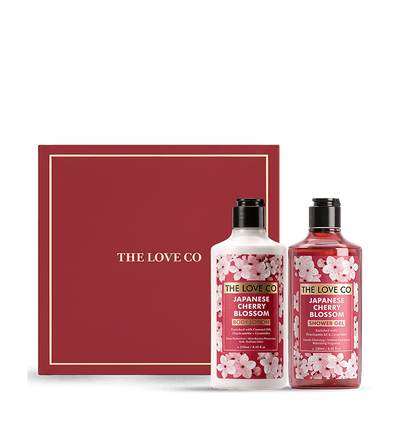
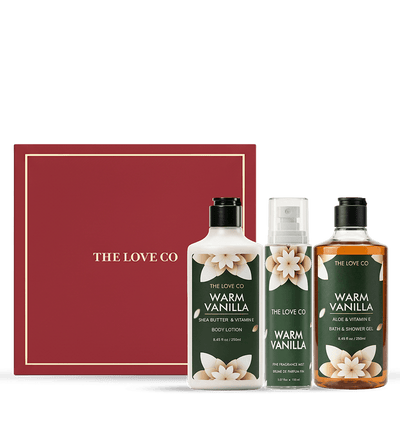
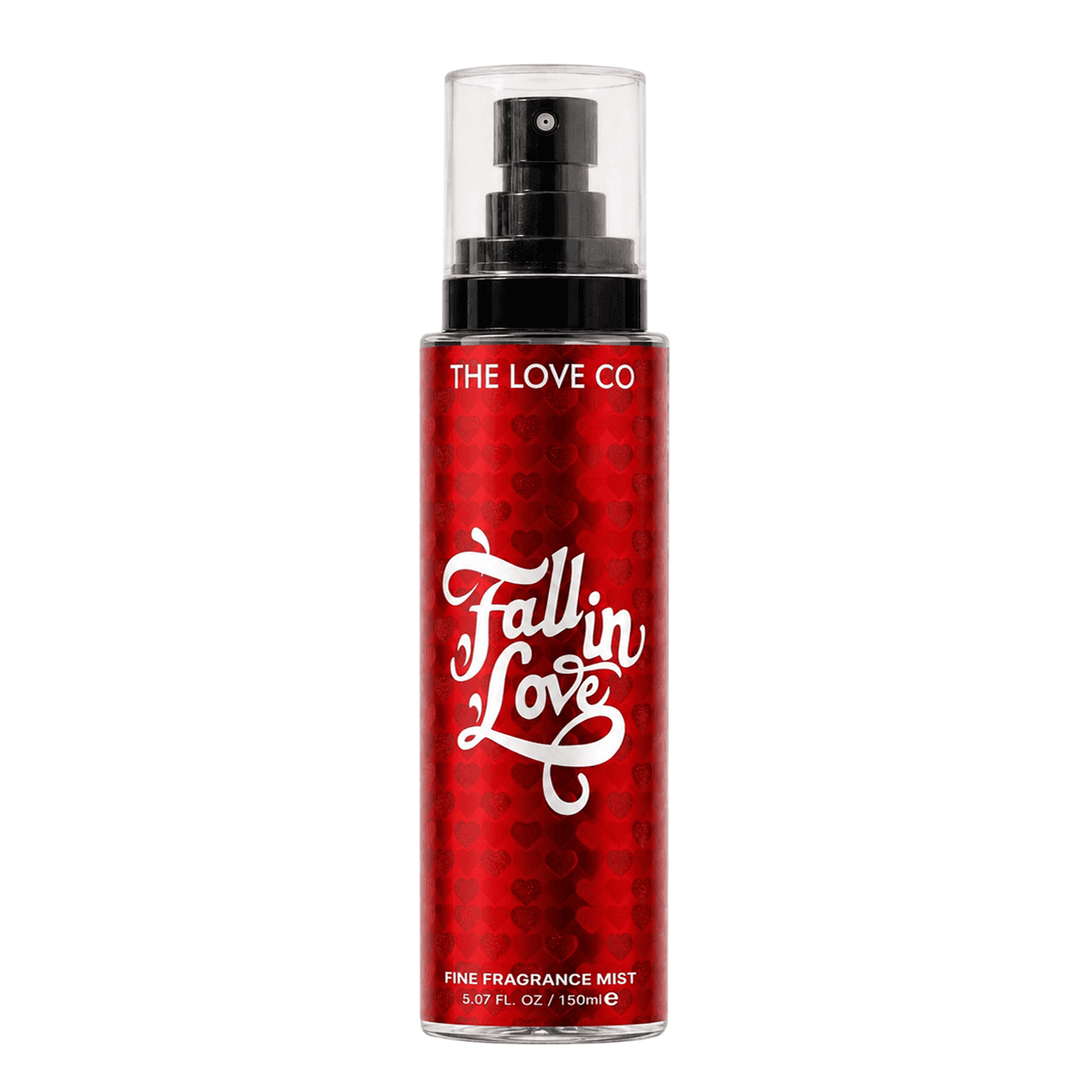
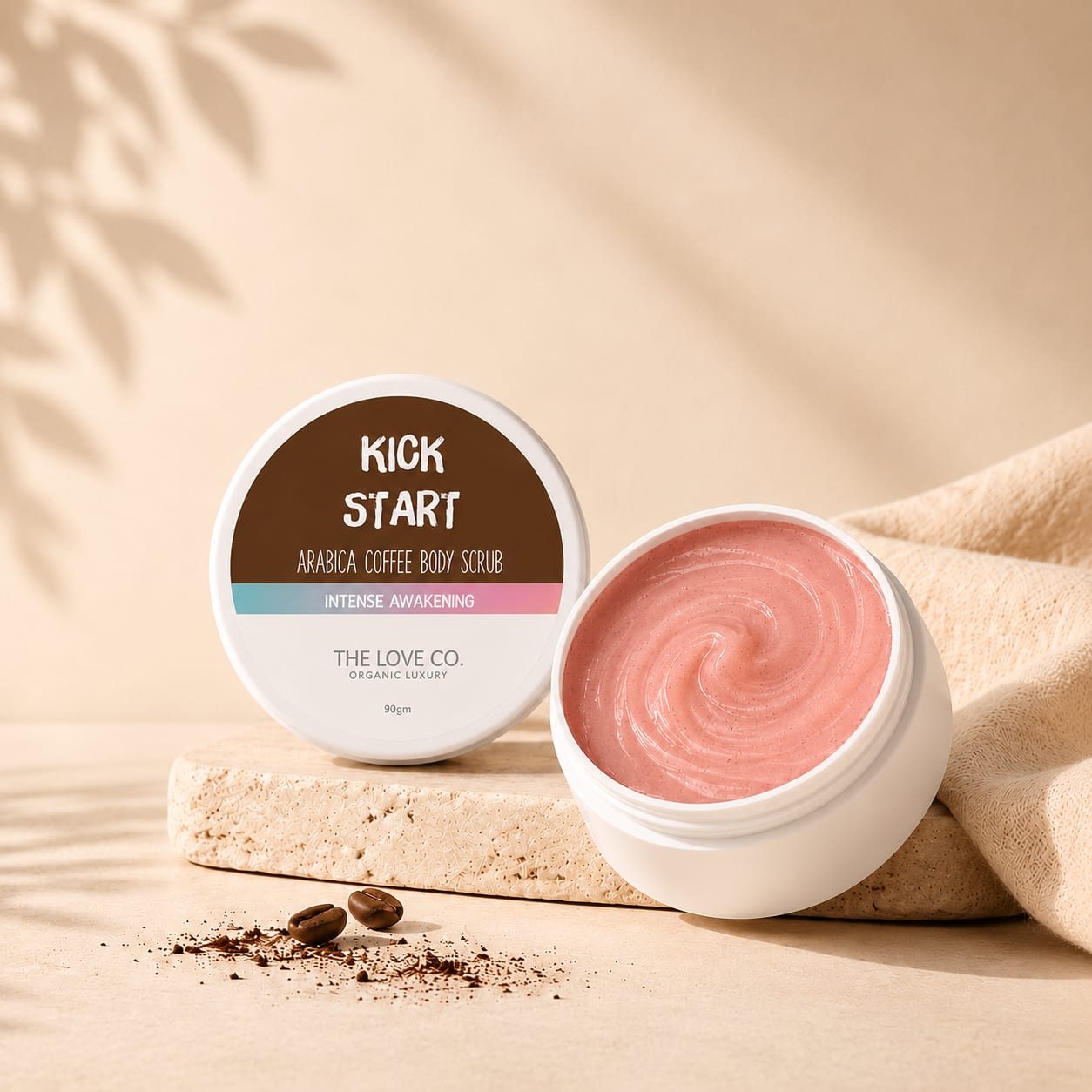
The Love Co is India's first fragrance-led body care brand — built on the ingredients of India's most unforgettable night.
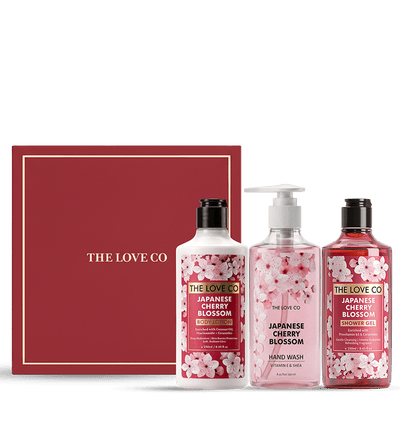
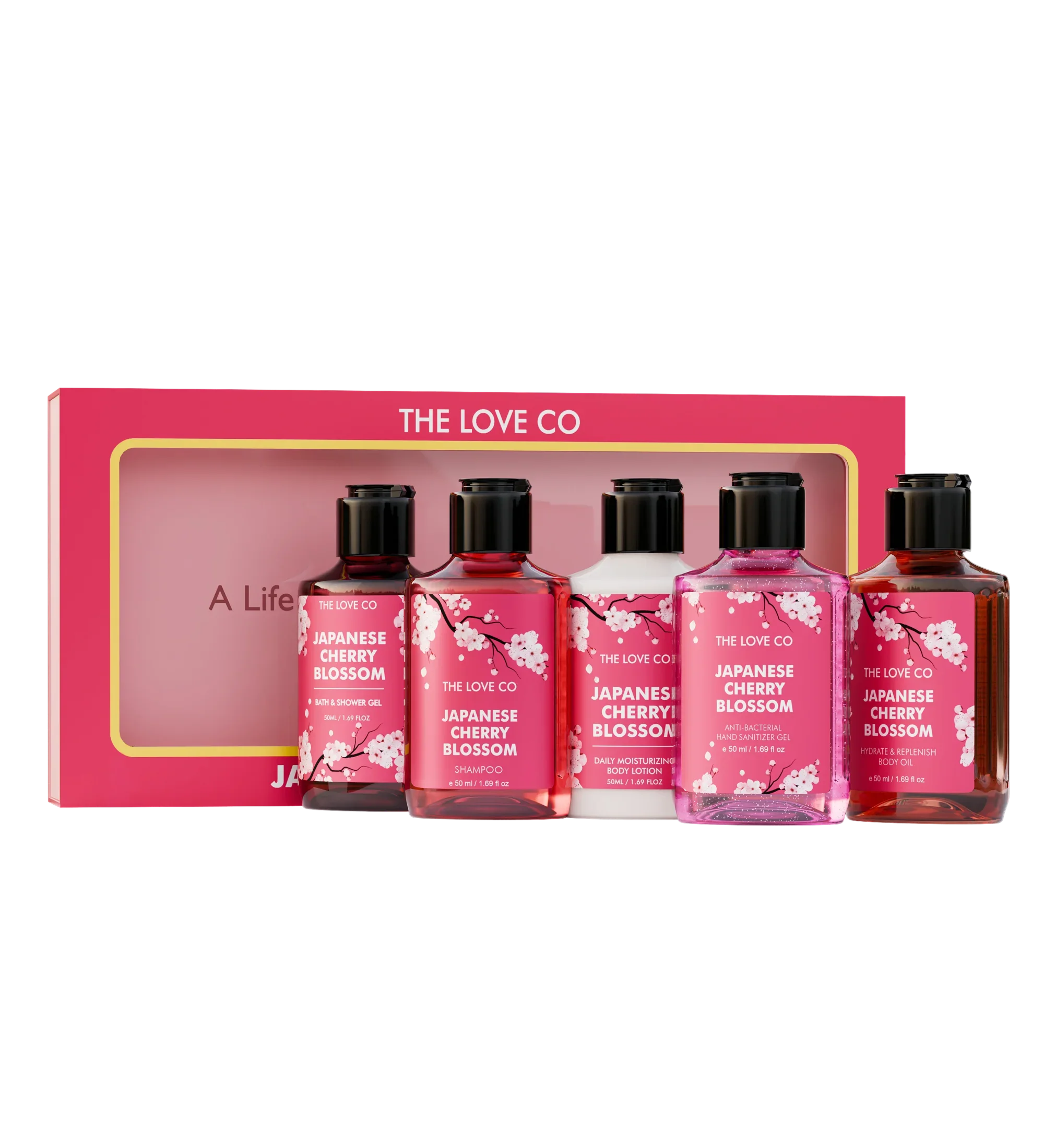
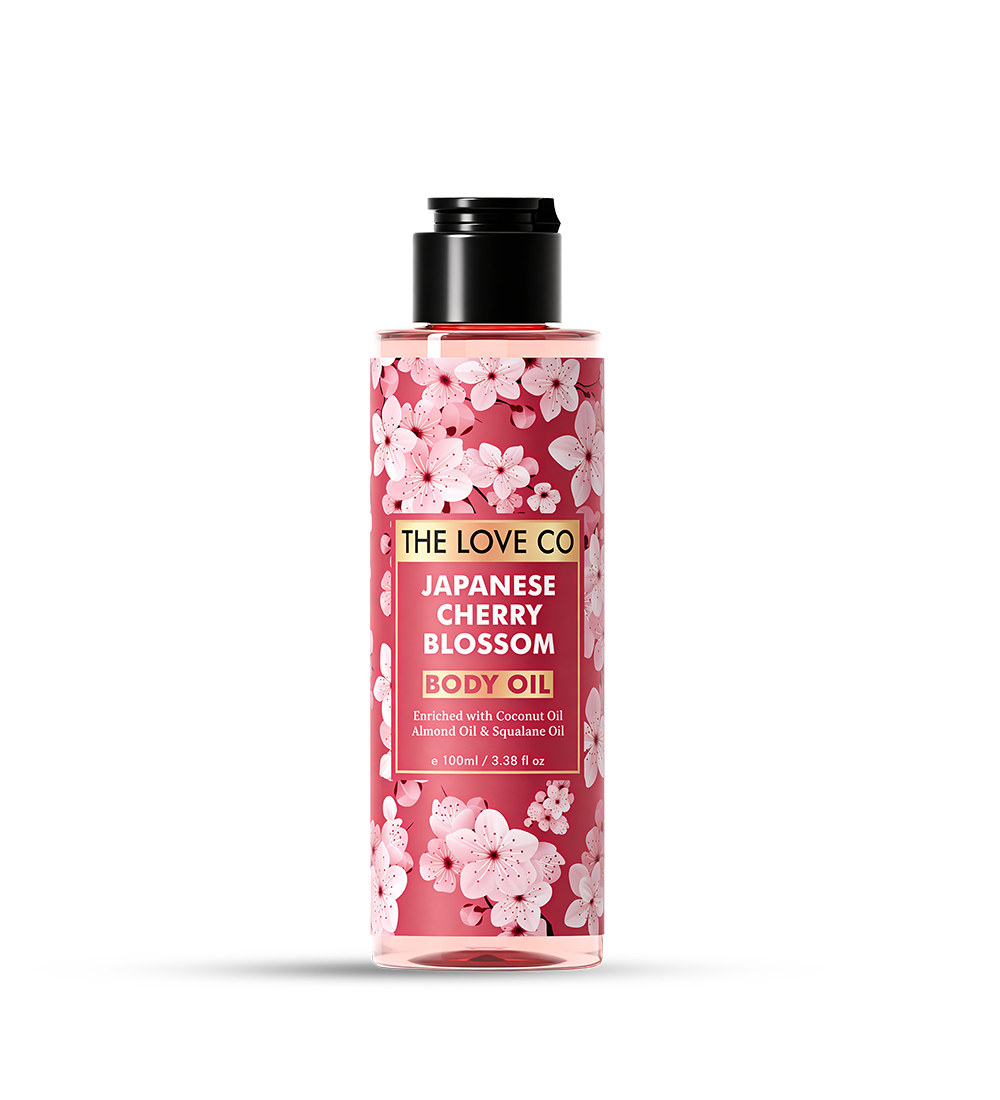
Japanese Cherry Blossom Trio Gift Set
The full Sakura trio.Three full-size Japanese Cherry Blossom essentials — the complete three-step Sakura ritual in one gift box.The ritualWash → lotion on damp skin → mist on...
A ritual is the smallest love you give yourself, daily.
— Hemang Jain · 20 May 2026