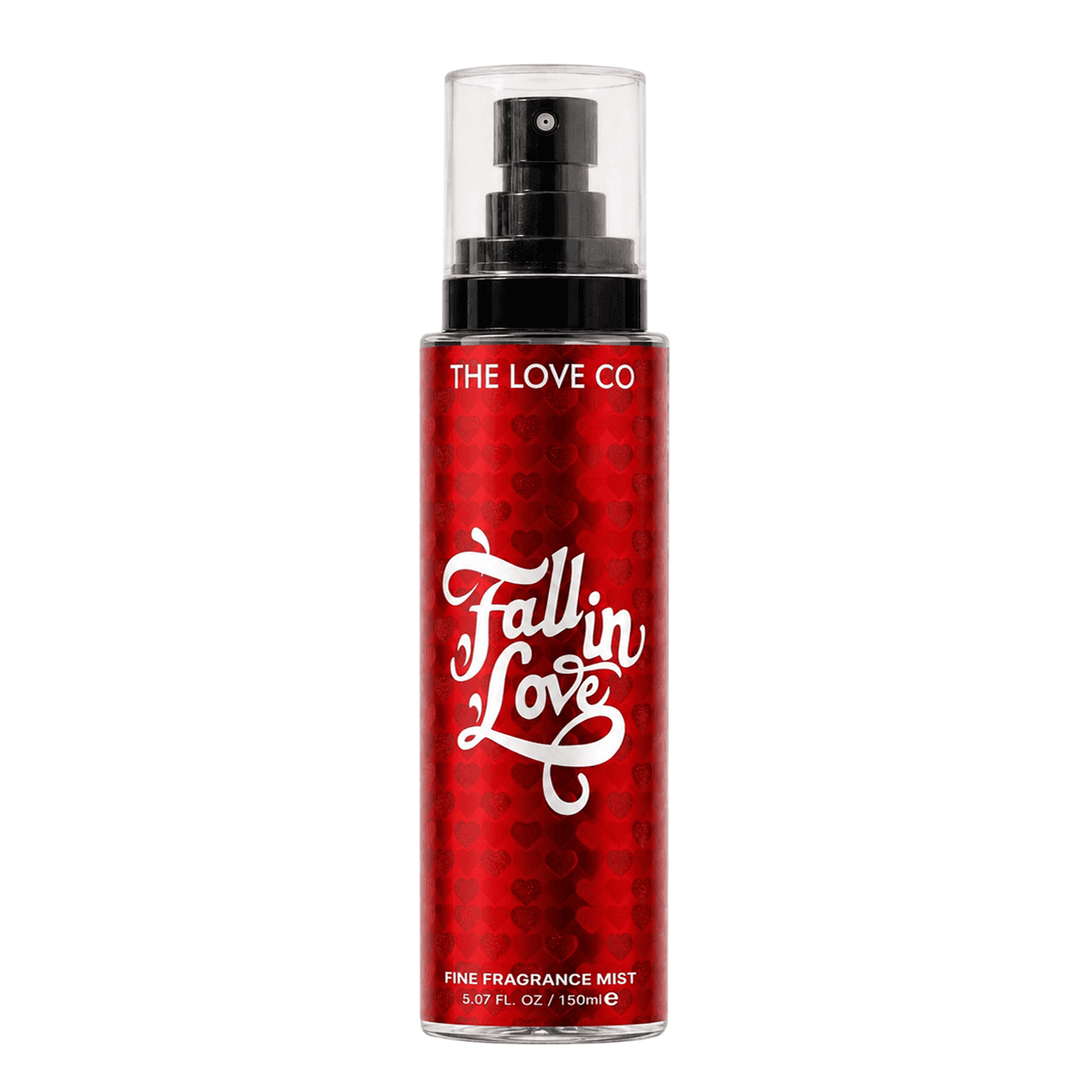
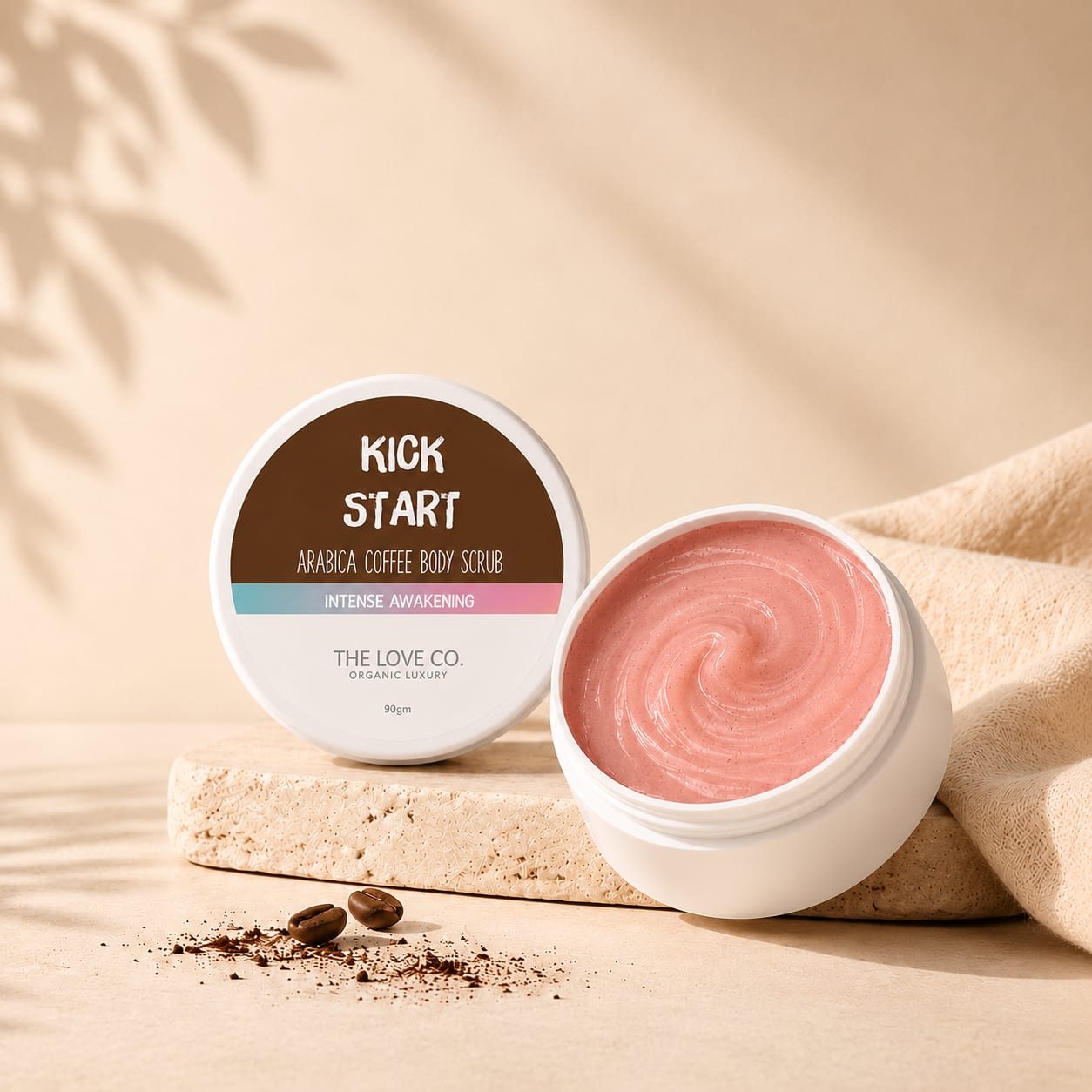
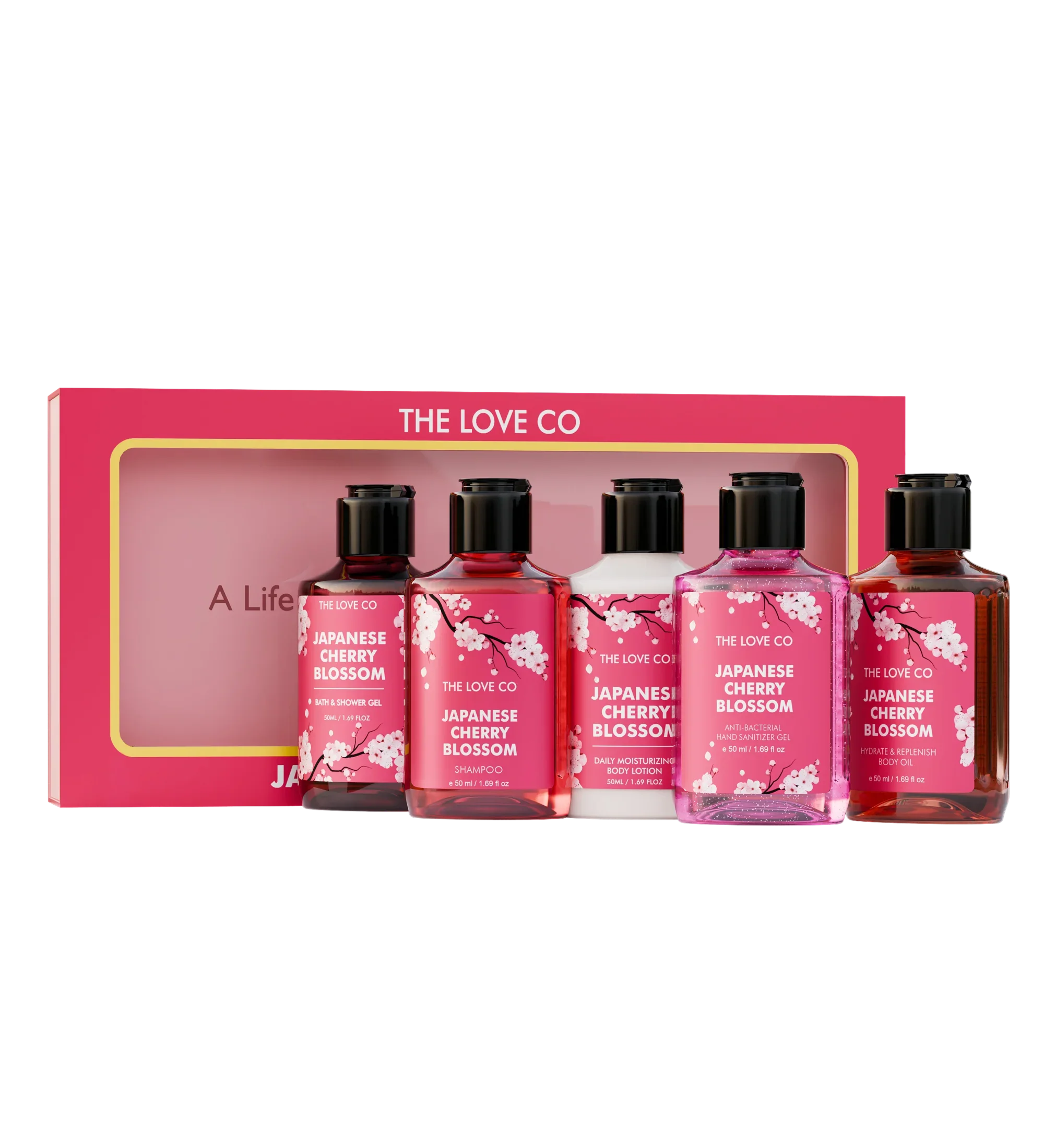
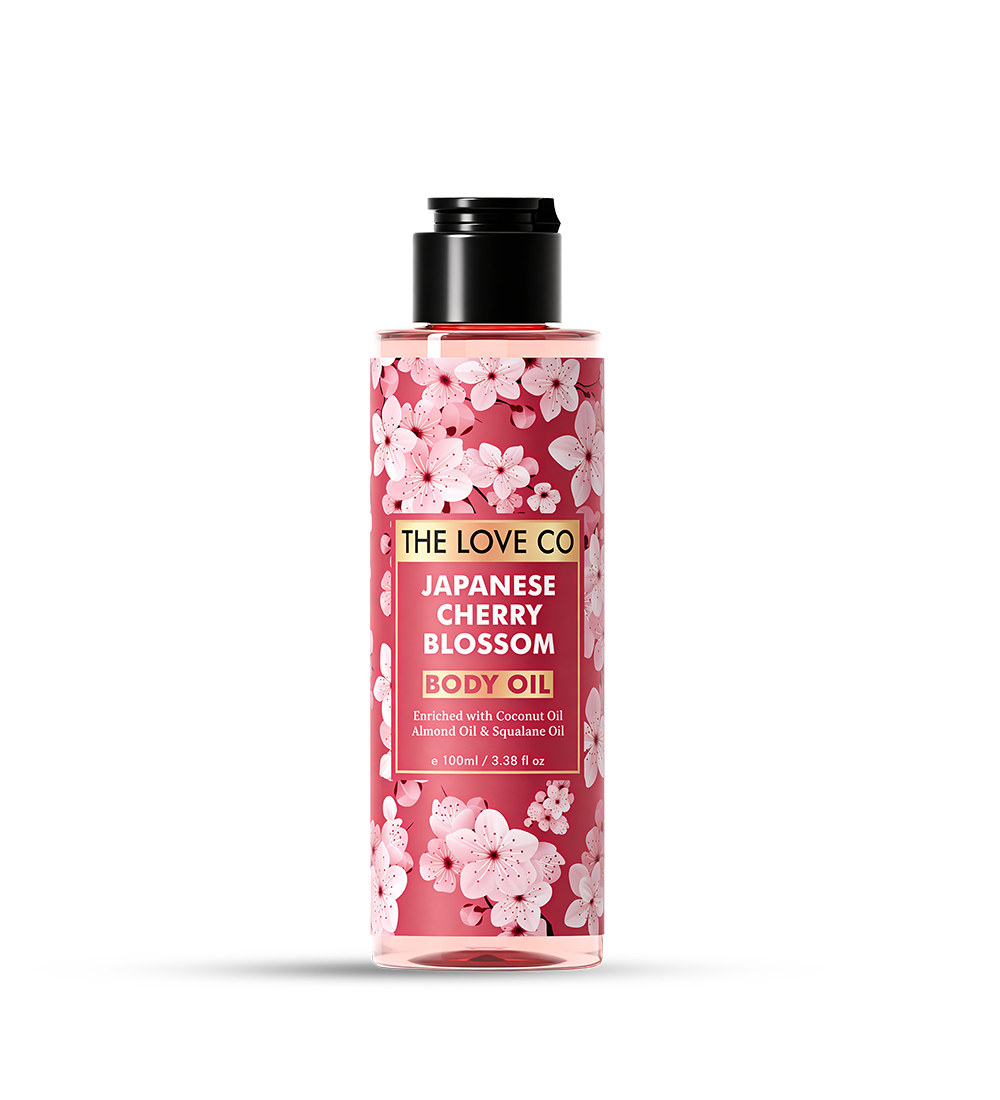
If you had to choose one, body oil carries fragrance better than body lotion for lasting performance.
But you shouldn't have to choose. Here's why both have a role — and which one does what.
The Chemistry: Why Oil Wins for Fragrance Longevity
Fragrance compounds fall into two broad categories:
Water-soluble (hydrophilic): Small, volatile molecules — the top notes. Citrus, green, light florals. These evaporate quickly regardless of what they're in.
Oil-soluble (lipophilic): Larger, heavier molecules — the heart and base notes. Sandalwood, vetiver, rose absolute, musks. These are the ones that determine lasting power.
Body oil is an anhydrous (water-free) or minimal-water formulation. Its primary ingredient is one or more carrier oils (jojoba, sweet almond, argan, etc.). Lipophilic fragrance compounds are fully miscible with carrier oils — they blend completely and penetrate together into the skin's lipid bilayer.
Body lotion is an emulsion: water + emulsifier + oil + fragrance. The fragrance compounds are suspended in the formula but compete with the water phase for surface contact during application. Water evaporates first, carrying some volatile molecules with it. Less of the fragrance reaches the deep skin layer.
Result: Same aromatic compound, applied in body oil vs. body lotion, penetrates more deeply and lasts longer in the oil.
This is why body oil application to damp skin is the primary fragrance deposit step in the Cleanse Ritual.
When Body Lotion Is the Right Tool
This doesn't mean body lotion is unimportant for fragrance. It plays a different role:
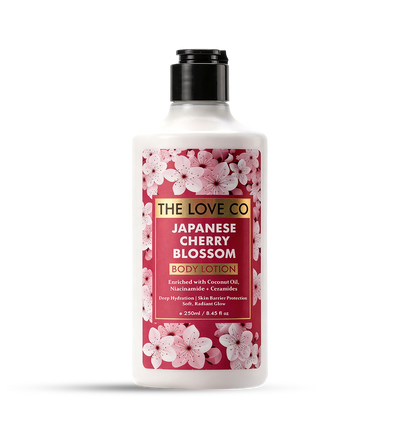
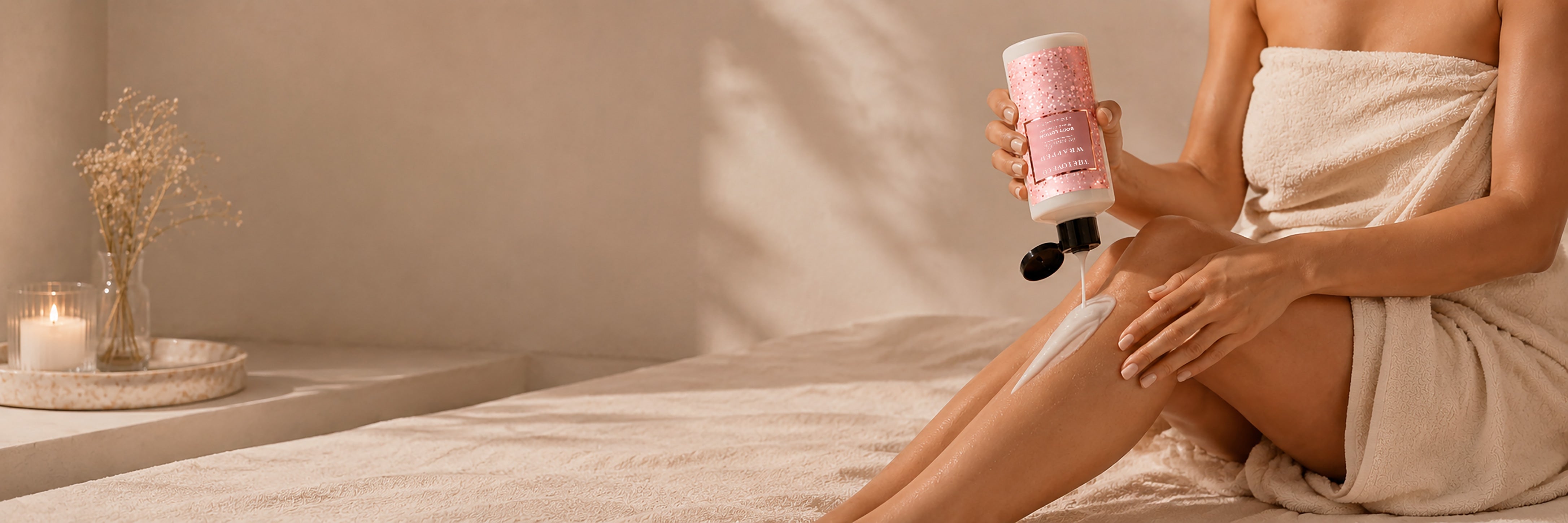
As a sealant: Applied over body oil, a body lotion creates an emollient barrier that slows the evaporation of the fragrance deposited by the oil underneath. The combination of oil (deep deposit) + lotion (surface seal) produces better total longevity than either product alone.
As a second fragrance deposit: The lotion's own fragrance contribution — released slowly as the emollient wears through the day — adds a second layer of aromatic presence. You're getting fragrance from two sources simultaneously.
For skin feel: Body oil leaves a slight surface sheen that some people prefer not to feel in clothing. Lotion absorbs more completely and is more suitable as the finishing product before dressing.
How to Use Both Correctly
Body oil first, on damp skin: - Apply within 60 seconds of stepping out of the shower - Skin should be damp, not wet and not dry - Work in long strokes, covering all major areas - Focus on inner arms, legs, torso - Do not rub vigorously — press and smooth
Wait 2 minutes: - Let the oil penetrate rather than trapping it under lotion immediately - Use this time productively (teeth brushing, hair drying) - The oil will appear mostly absorbed by this point
Body lotion second: - Apply over the oil layer - The lotion's emollients mix with the residual oil surface, creating a combined barrier - Apply generously to pulse points: wrists, elbows, neck, behind knees
The combined result: - Oil-deposited base note fragrance in the epidermis: lasts 6–10 hours - Lotion-deposited fragrance at the surface: starts fresh, evolves into mid-notes by afternoon - Combined barrier: slows overall evaporation
The Myth of "Choose One"
The body care industry (and most beauty advice) presents body oil and body lotion as alternatives: "Use oil if your skin is dry, lotion if it's normal."
This is wrong from a fragrance-led perspective.
They're a system. Oil deposits deep. Lotion seals and supplements. Together they produce a result neither achieves alone.
This is why the Cleanse Ritual includes both — not as redundant products, but as complementary steps in a designed sequence.
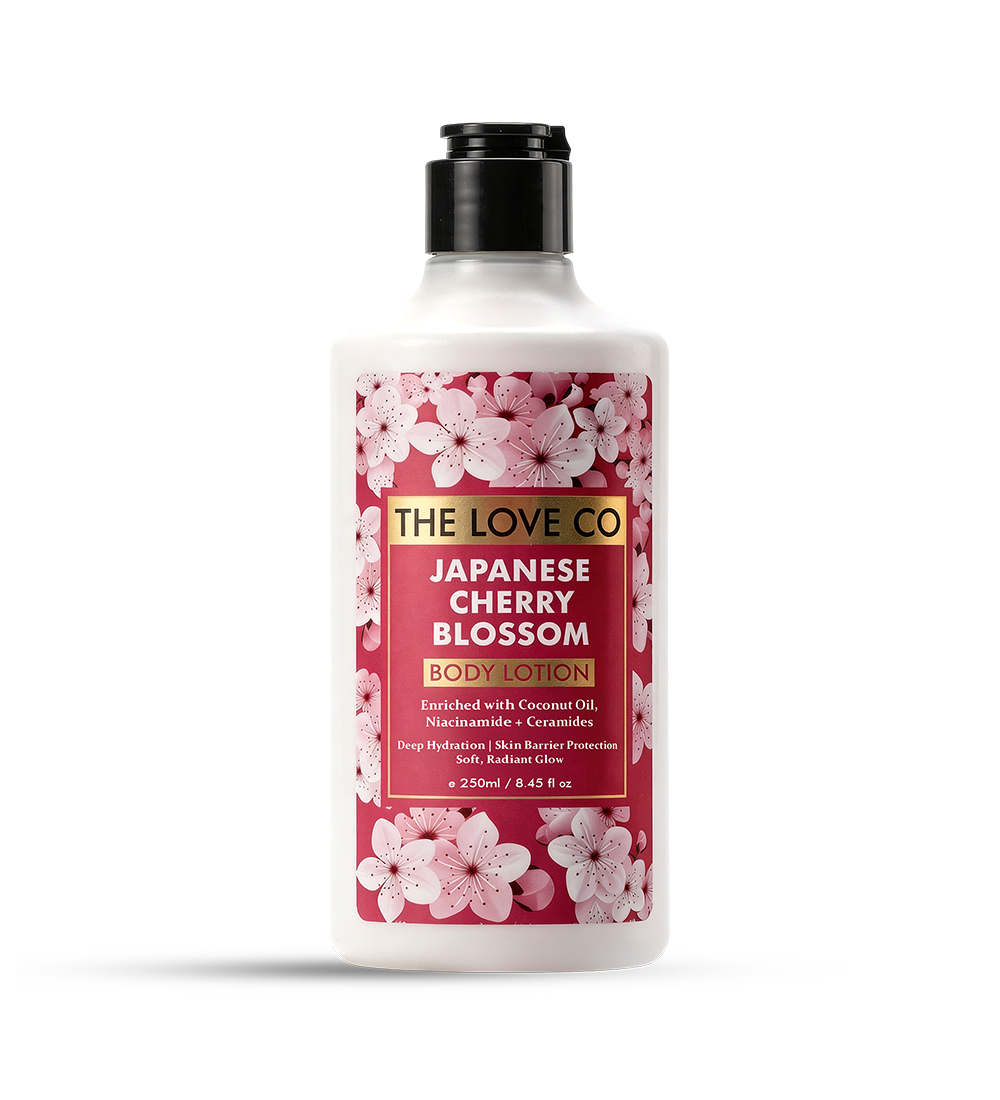
The Love Co body oil and body lotion are formulated to work together — the same Kannauj rose and Mysore sandalwood system, designed for layering.
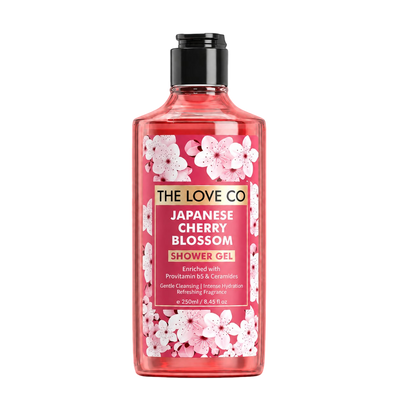
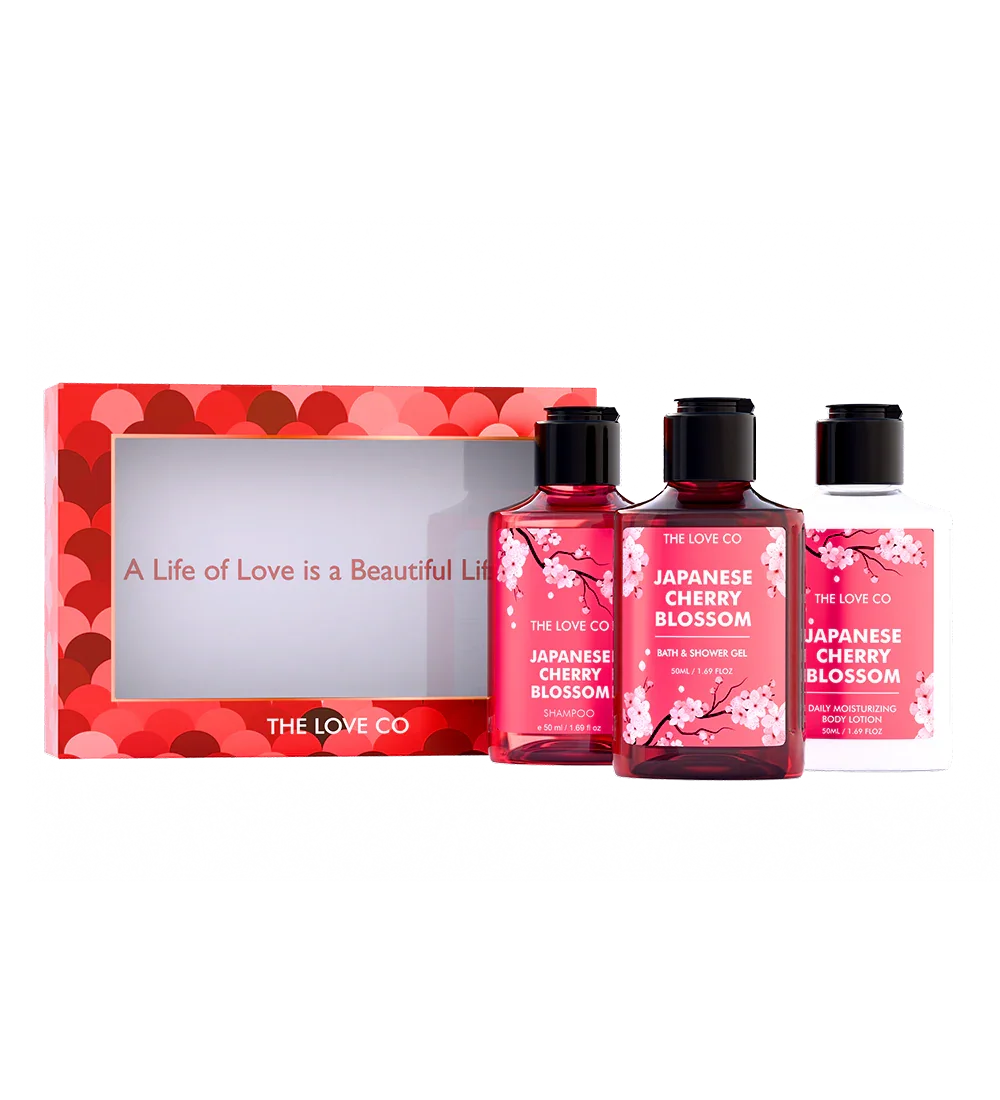
Japanese Cherry Blossom Body Wash
Scent Trail Step 1 · soft floral body wash Start the Scent Trail here. A pH 5.5, SLS-free cleanser that protects your skin barrier while it washes —...
A ritual is the smallest love you give yourself, daily.
— Hemang Jain · 19 May 2026