









Ask an Indian adult what childhood smells like, and the answers are specific and immediate.
Not vague sensory impressions. Specific smells, attached to specific moments and feelings, available decades later with a vividness that no visual memory matches.
This is the olfactory memory system operating at its deepest level: encoding the early-life experiences that form who you become.
The Indian Childhood Olfactory Vocabulary
The tiffin box: The specific combination of whatever was packed — rice, dal, sabzi, chapati, achaar — compressed into a steel tiffin box and opened at 1pm. The slight fermentation of food that has been warm for four hours. For millions of Indians, this smell is the smell of school, of a parent's care packed into a container, of hunger and home simultaneously.
The school bag and textbooks: The particular smell of fresh NCERT textbooks — new paper, slightly chemically treated, with a distinctive schoolbook smell that persisted across decades of the same printing process. The smell of the beginning of the year, of new possibility, of things not yet made difficult.
Naphthalene balls and stored fabric: Woollen sweaters stored in camphor or naphthalene through summer, brought out in November for the cold season. The sharp, medicinal smell of naphthalene in fabric is the smell of winter arriving.
The hand pump / water source: The specific smell of water from a particular source — the overhead tank, the hand pump in the courtyard, the municipal pipe — varied completely by neighbourhood and region but was absolutely specific. This is often one of the most difficult childhood smell memories to articulate, and one of the most powerful when triggered.
Grandmother's kitchen: The smell of slow cooking — dal on a low flame for two hours, the tempering of mustard seeds and curry leaves in hot oil, the smell of a pressure cooker letting off steam, the constant low background of spice that absorbed into the walls and ceiling over decades.
Monsoon rain on hot road tar: The specific petrichor of rain hitting black asphalt heated by summer sun — different from rain on earth, with an added chemical note from the tar compounds being released. This is an urban Indian childhood smell.
Coconut oil in hair: Applied Sunday mornings by mothers across India (and every day in South India), the smell of warm coconut oil in hair is among the most universally shared Indian childhood body memories.
Aam papad and chaat masala: The specific sweet-sour-tangy smell of compressed mango leather and chaat masala on a paper cone, purchased at the school gate. A precise smell attached to a precise place and precise pleasure.
Why These Memories Are So Specific
Olfactory memory research explains why smell-triggered childhood memories are more vivid and specific than visual memories of the same period.
The key factors: early childhood (ages 4–12) is the highest-encoding period for smell; the smells are specific to Indian context and therefore have minimal interference from similar stimuli encountered later; and the emotional weight of childhood experiences provides the amygdala with strong encoding signals.
Visual memories of childhood fade, blend, and reconstruct. Smell memories stay fixed.
The Indian Element
Indian childhood smells are particularly specific because Indian sensory culture is particularly aromatic. Heavy use of spices in cooking, regular incense burning, fragrant hair and body care ingredients, the specific climate-driven smells of monsoon and summer — the olfactory density of Indian domestic life is higher than in most cultural contexts.
An Indian child grows up in a more fragrant world. Which means they carry more fragrance memory, more specifically encoded, into adulthood.
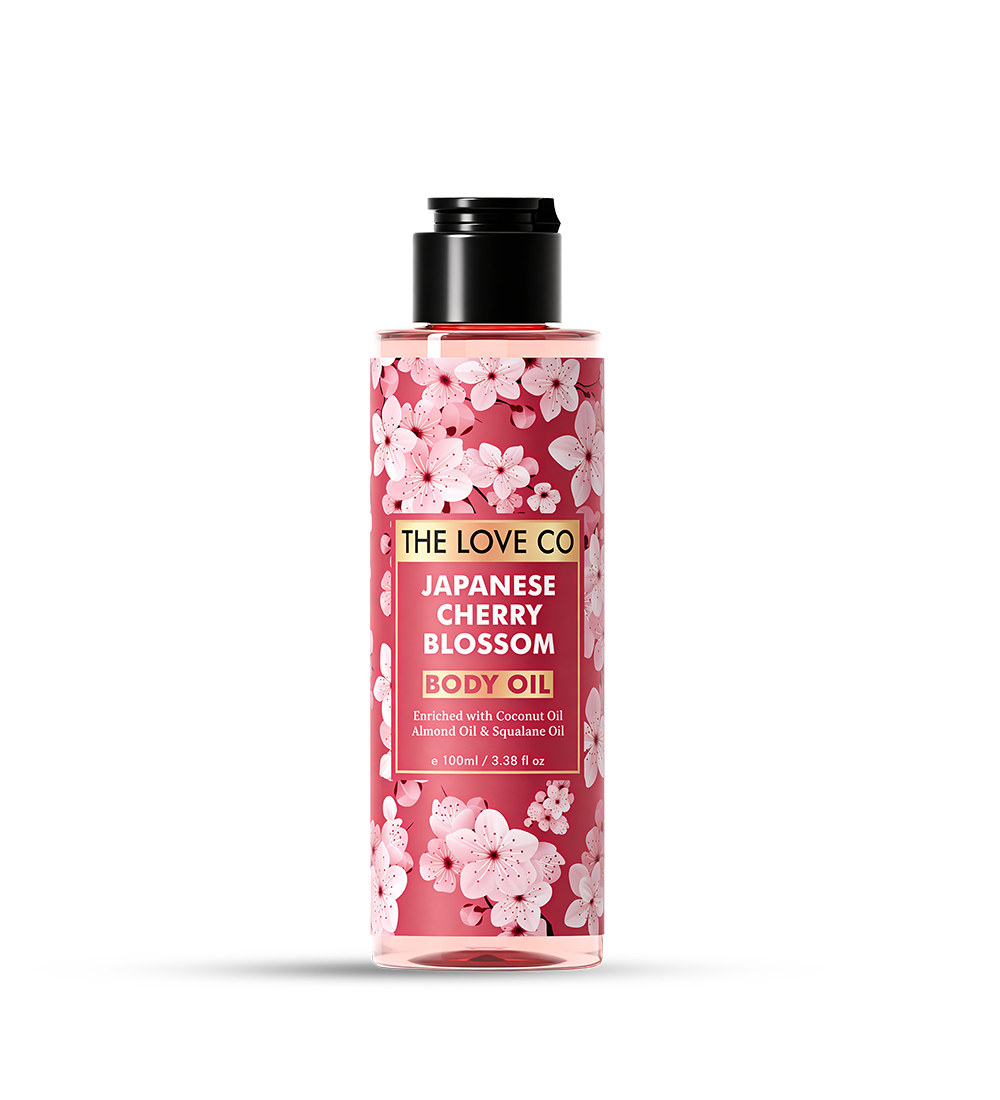
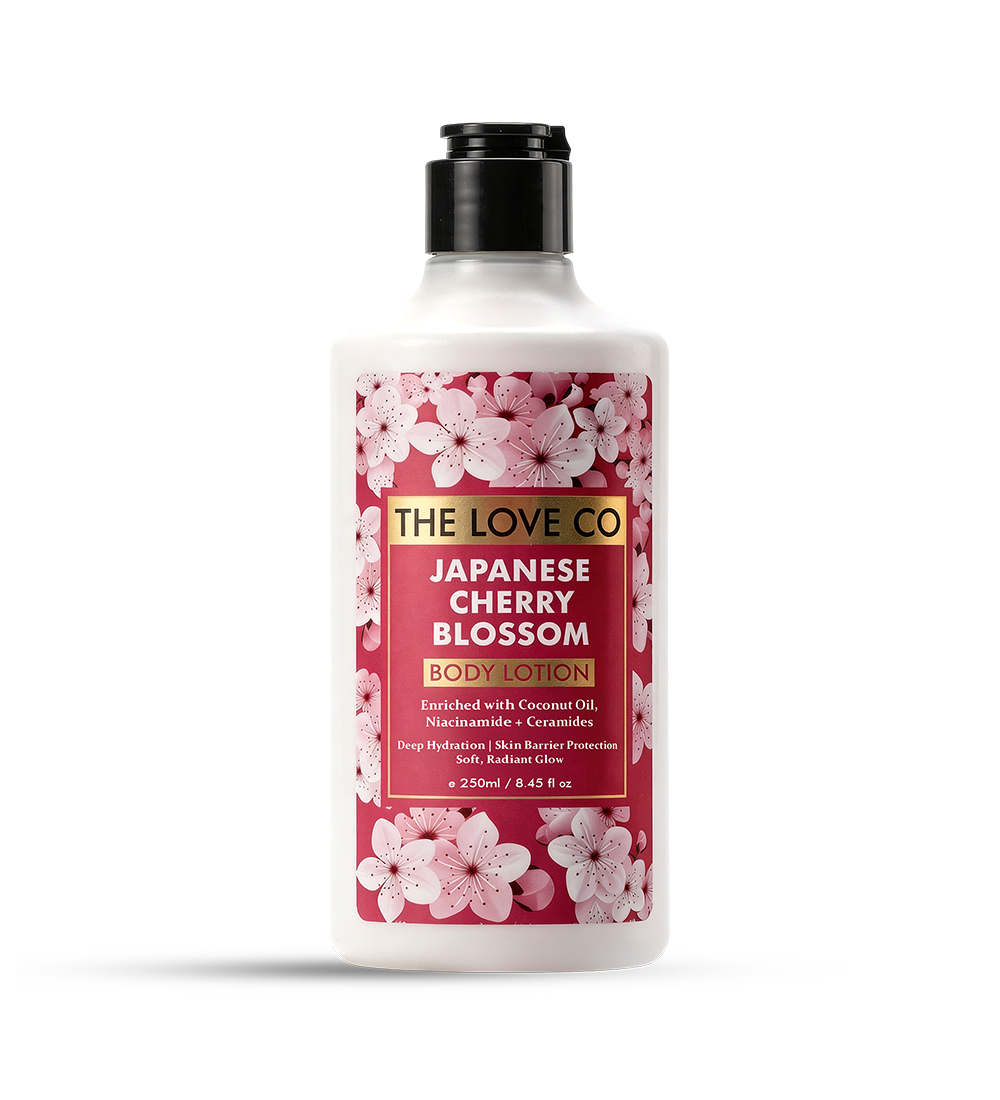
The Love Co is India's first fragrance-led body care brand — built on the ingredients that were always part of the Indian sensory world.

Japanese Cherry Blossom Body Wash
Scent Trail Step 1 · soft floral body wash Start the Scent Trail here. A pH 5.5, SLS-free cleanser that protects your skin barrier while it washes —...
A ritual is the smallest love you give yourself, daily.
— Hemang Jain · 20 May 2026