How to Create a Signature Scent by Layering Multiple Products
Someone asks what fragrance you wear. You tell them. They buy it. They smell nothing like you.
This is the beautiful frustration at the heart of signature scent creation: a fragrance on a shelf is a possibility. A fragrance on your specific skin, applied in your specific way, layered through your particular body care ritual — that is a signature. That cannot be purchased. It has to be built.
Learning how to create a signature scent by layering multiple products is one of the most rewarding exercises in personal style. It requires curiosity, some patience, and a willingness to understand a small amount of fragrance theory. What it produces is something genuinely irreplaceable.
What Makes a Scent a “Signature”
A signature scent is not simply a favourite perfume. It is a fragrance identity — something consistent enough that people associate it specifically with you, distinct enough that they notice immediately when you walk into a room, and personal enough that it interacts with your skin chemistry in a way that reads as yours rather than generic.
Several factors converge to create this:
Skin chemistry: Every person's skin has a unique pH, natural oil composition, and microbiome that interacts with fragrance molecules. The same EDP smells slightly different on two people — this is not a myth, it is biochemistry. Your skin is a co-creator of your signature.
Fragrance layering: A single perfume application gives your skin one voice. Layering gives it a conversation — a foundation, a mid-layer, a top note — that is more complex and more specifically textured than any single product can achieve.
Consistency: A signature is built through repetition. Wearing the same layered combination across seasons and occasions is what creates the sensory memory that becomes associated with you.
Step 1: Identify Your Fragrance Vocabulary
Before you can create a signature scent by layering, you need to know which fragrance families feel instinctively right on your body.
This is not about what smells nice in the abstract. It is about what feels like you.
Start with the broad families:
- Fresh/Citrus: Bergamot, yuzu, neroli, green tea, sea air. Clean, bright, energetic.
- Floral: Rose, jasmine, tuberose, peony, orange blossom. Warm, intimate, romantic.
- Woody/Earthy: Sandalwood, cedarwood, vetiver, oud. Grounded, sophisticated, season-defying.
- Oriental/Spicy: Amber, vanilla, cardamom, black pepper, incense. Warm, complex, assertive.
- Musk: White musk, skin musk, clean musk. Close, intimate, skin-like.
Most people are drawn to two or three families. Your signature will likely live at the intersection of these — the place where your instinctive preferences meet your skin's particular chemistry.
Step 2: Choose Your Anchor Note
A signature scent created through layering has a structural hierarchy. The anchor note is the foundation — the element that defines the signature's identity and persists longest throughout the day.
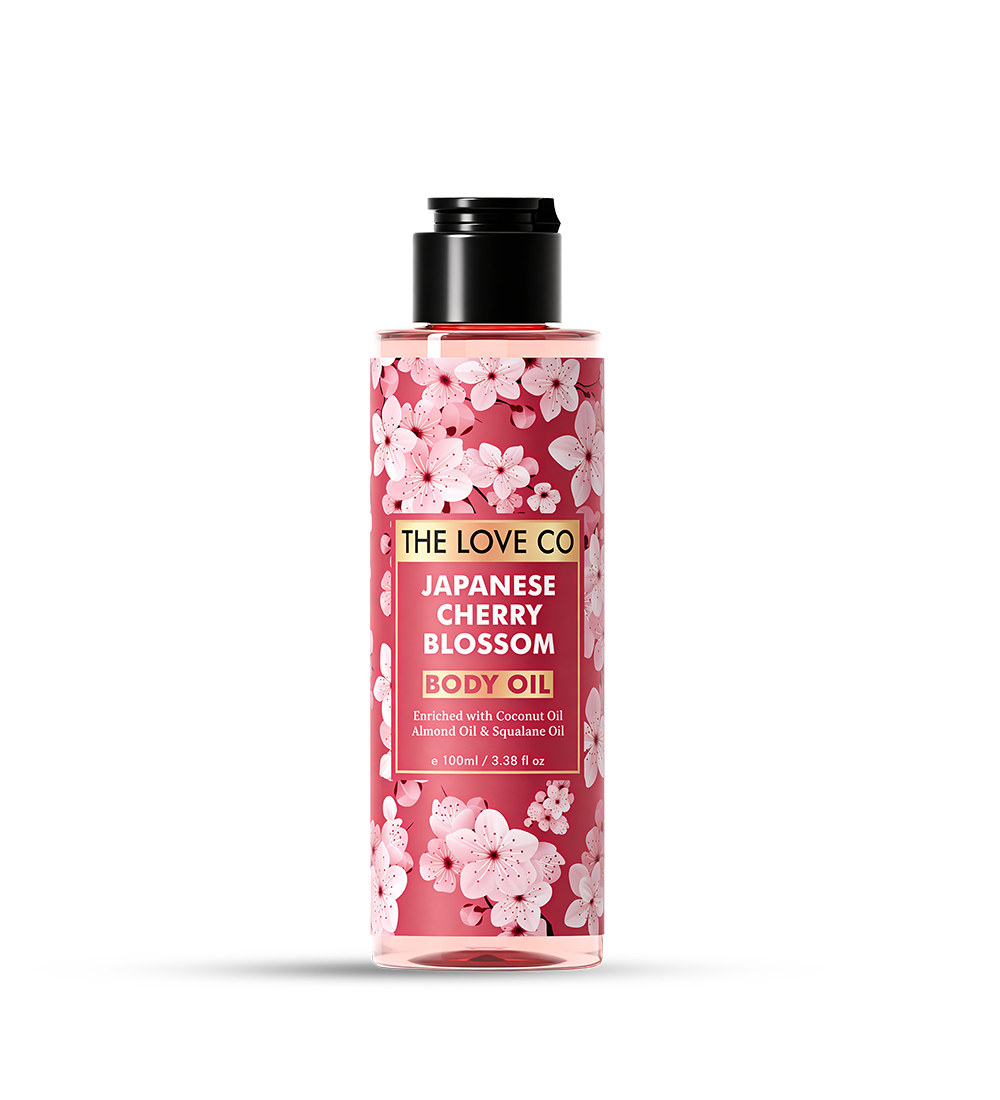
Anchor notes come from the base and heart note families: musks, woods, ambers, vanillas, and resins. These have the longest molecular weight and the slowest evaporation rate. When you build your layering system from the foundation up, your anchor note should come from the first layers applied — the body wash and body lotion or oil.
Choosing your anchor: Ask yourself what note you want people to associate with you at the end of the day — when the bright top notes have faded and only the essential signature remains. That note is your anchor.
- If the answer is something warm and intimate: musk or amber
- If the answer is something grounded and sophisticated: sandalwood or cedarwood
- If the answer is something exotic and unforgettable: oud or incense
- If the answer is something sweet but not cloying: vanilla with a spice or wood counterpoint
Step 3: Build the Mid-Layer
The mid-layer of your signature — most often carried in the body lotion — bridges the anchor and the top. It provides complexity without overwhelming either element.
For signature scent creation, the mid-layer is where contrast lives. This is where you can introduce an element from a different fragrance family that gives the signature its distinctiveness.
Classic mid-layer additions:
- A floral note over a woody anchor — intimacy over depth
- A spice note over a musk anchor — warmth over warmth, but with dimension
- A green or citrus note over an amber anchor — brightness over richness, preventing heaviness
- A gourmand (coffee, fig, honey) note over a clean musk — unexpected softness over the familiar
The mid-layer is your creative space. This is where the signature becomes specifically yours rather than generically pleasant.
Step 4: Choose the Top Statement
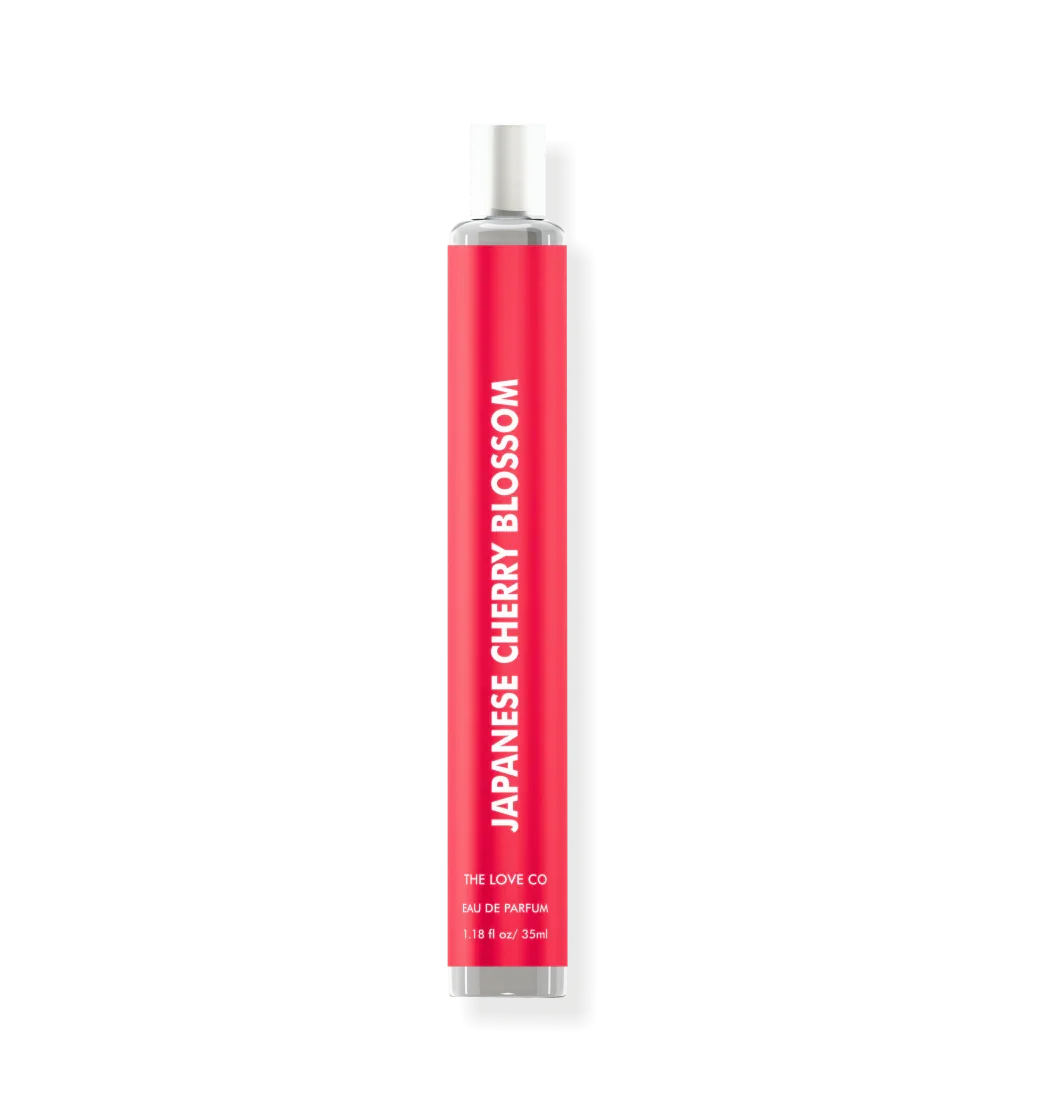
The EDP applied last is the first impression — the opening statement that introduces your signature to every room you enter. Choose it to work with your anchor and mid-layer, not independently of them.
The top statement should contain the fragrance family that most expressly represents you at your most deliberate. This is the note people will mention when they say, I always think of you when I smell this.
A functional guide:
- If your anchor is woody/musk: choose a floral or citrus EDP that brightens and lifts the foundation
- If your anchor is amber/oriental: choose an EDP with complementary spice, floral, or incense that deepens the warmth
- If your anchor is musk: your EDP can go in any direction — this is the most versatile foundation
- If you want a fully same-family signature: choose an EDP that matches your anchor family for maximum coherence and depth
Step 5: Test the Combination on Skin
This step cannot be skipped. Fragrance theory is a map, not the territory — your skin is the territory.
Apply your anchor layer (lotion or oil) to one wrist. Apply your EDP over it. Wait ten minutes, then assess:
- Do the notes feel harmonious? Does the combination read as a single, coherent accord?
- Is there a dominant note that surprises you — one that has become stronger than you expected once the layers interact?
- What do you feel wearing it? This is the most important question. A signature scent should feel like an extension of your identity, not a costume.
If the combination feels right immediately but slightly off in direction, adjust only one variable at a time — change either the foundation layer or the EDP, not both simultaneously.
The Ritual as Part of the Signature
Something worth noting: the act of applying a layered fragrance system becomes part of the signature itself.
The five minutes you spend after your shower — applying your oil, waiting while it absorbs, choosing the exact angle for your EDP — is a ritual of self-selection. You are choosing, deliberately, the sensory identity you carry into the day. That intentionality has an effect on how you carry yourself. People notice that too.
A signature scent is not just olfactory. It is the whole performance of choosing to be present in a specific, particular way.
Making It Last
Once you have found your signature combination, the final step is simply: repetition.
Wear it consistently for thirty days. Notice how it develops on your skin over time — most skin takes two to three weeks to begin expressing a new fragrance combination at its optimal performance, as the skin's microbiome adjusts. What feels slightly new in week one feels fully like you by week four.
By the end of a season, the combination will be inseparable from your presence. Others will associate it with you without being able to name what they are associating. That invisible recognition — the sensory memory others carry of you — is the most compelling form of personal style there is.
For the technical foundation of how to build the layering system that supports this, the Fragrance Layering 101 guide covers every step in detail.
A signature scent created by layering is not a formula. It is a discovery — a conversation between the fragrance families you are drawn to, the chemistry of your skin, and the person you have chosen to be.
That conversation cannot happen in a shop. It happens in your bathroom, with intention, over time.
And when you find it — that particular intersection of warmth and freshness and depth that is specifically, unmistakably yours — you will wear it not because you put it on, but because you built it.
That feeling of being fully, deliberately yourself? That is the signature.
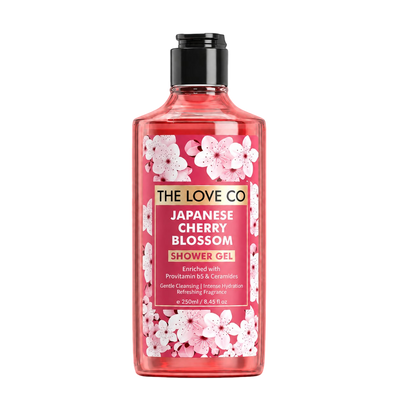
Japanese Cherry Blossom Body Wash
Scent Trail Step 1 · soft floral body wash Start the Scent Trail here. A pH 5.5, SLS-free cleanser that protects your skin barrier while it washes —...
A ritual is the smallest love you give yourself, daily.
— Meher Kapoor · 08 May 2026