





Eid begins before sunrise, with ghusl — the ritual bath — and the application of ittar.
Ittar (attar) on Eid morning is a practice documented in hadith and practiced continuously in Indian Muslim communities for centuries. It is one of the specific sensory markers of the day: the person who smells of oud-rose-sandalwood attar is prepared, ceremonially transformed, dressed for the occasion.
The smell of Eid is inseparable from this tradition.
The Eid Fragrance Vocabulary
Ittar at Eid prayers: Men apply ittar — traditionally oud-based, rose-based, or sandalwood-based, always alcohol-free — before Eid prayers. In Old Delhi's Jama Masjid, in Lucknow's Imambara complex, in Mumbai's mosques, the collective smell of hundreds of men wearing freshly applied attar in a closed or semi-enclosed space creates a specific, overwhelming, deeply emotionally encoded fragrance experience.
For Indian Muslims, the smell of multiple people wearing ittar in a worship context is the smell of community, of belonging, of the best day.
Rose water distribution: At Eid prayers and at homes receiving guests, rose water (gulab jal) is sprinkled on arrivals or offered to drink. The smell of fresh Kannauj rose water — clean, floral, slightly cool — is the smell of Eid hospitality.
Seviyan and sheer khurma: The traditional Eid breakfast — vermicelli cooked with milk, sugar, cardamom, rose water, and dried fruit. The kitchen on Eid morning smells of cardamom, rose water, warming ghee, and toasting nuts. This compound smell is one of the most specific and widely shared culinary-fragrance memories in Indian Muslim culture.
New clothes: The specific smell of new cotton or silk, often with starch, combined with freshly applied attar and rose water. The layered smell of someone who is wearing new things and has prepared themselves carefully.
Ittar and Indian Islamic Fragrance Tradition
Indian Muslim ittar tradition is one of the most refined fragrance cultures in the world. The Mughal courts created the conditions for Kannauj's emergence as India's fragrance capital — it was Mughal demand for the finest natural fragrance that elevated the town's distillation tradition to world-class status.
The specific attars developed for Islamic practice — alcohol-free, applied in small quantities on pulse points — are built on sandalwood, oud, rose, and musk bases. These are the same Oriental fragrance family that defines Gulf perfumery, which makes sense: the fragrance traditions of Islamic civilisation from Mughal India to Omani traditional perfumery share deep ingredient and cultural roots.
Oud for Eid: Assam oud — the Indian oud connection to Middle Eastern perfumery — is the most prestigious Eid attar. Warm, smoky, deeply resinous. The smell communicates wealth, tradition, and specifically Islamic festivity.
Rose attar for Eid: Kannauj rose attar on a sandalwood base — clean, floral, deeply rooted. The fragrance of something precious being applied at a moment of significance.
Why Eid Smell Encodes So Deeply
Eid has the same olfactory memory encoding conditions as Indian weddings and Diwali: high emotional intensity, annual repetition across decades of childhood, and specific fragrance combinations that appear in no other context.
The combination of attar, rose water, seviyan, and new clothes smell appears once a year, on the most emotionally significant day of the Islamic calendar. For the child who experiences this from their earliest years, the encoding is deep and permanent.
Decades later, the smell of oud attar or rose water can produce the full felt sense of Eid morning — the anticipation, the togetherness, the sense that this day is special and has always been special.
The Love Co is India's first fragrance-led body care brand — built on the rose and sandalwood that India's fragrance traditions, across religions and regions, have always returned to.
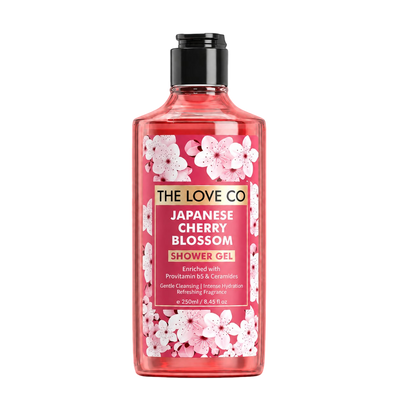
Japanese Cherry Blossom Body Wash
Scent Trail Step 1 · soft floral body wash Start the Scent Trail here. A pH 5.5, SLS-free cleanser that protects your skin barrier while it washes —...
A ritual is the smallest love you give yourself, daily.
— Hemang Jain · 20 May 2026