At some point, the fragrance you wear stops being something you chose and becomes something you are.
This transition is specific and observable. It happens when the people close to you stop noticing your fragrance as a separate thing and start associating it with you as a person. When someone else wearing the same fragrance makes them think of you. When you smell it on a piece of clothing and feel your own presence.
It happens through consistency and time. And when it happens, the fragrance has become identity.
The Encoding Timeline
The process by which a fragrance becomes part of someone's identity follows olfactory memory encoding principles:
Weeks 1–4: The fragrance is noticed as new. People around you may comment on it. You are conscious of wearing it.
Months 1–3: The fragrance is present in daily encounters. The people who see you regularly have begun, unconsciously, to associate it with your arrival. It is not yet identity — it is consistent attribute.
Months 3–12: The association deepens. Your smell has been encoded during multiple emotionally significant interactions — a difficult conversation, a celebration, a normal morning that was unremarkable at the time and is now retrievable through the smell. You are becoming the smell.
Beyond one year: The fragrance is woven into the olfactory archive of the people who know you. They have smelled it hundreds of times, across hundreds of contexts, and the amygdala encoding is deep and layered. Your smell is not the fragrance. The fragrance is you.
What Identity-Level Fragrance Requires
Consistency: This is non-negotiable. The encoding requires the same smell, repeatedly. A person who changes fragrances frequently never reaches identity level — they have fragrance preferences, not a fragrance identity.
Skin integration: A fragrance worn as body care — absorbed into skin, releasing slowly throughout the day — creates more complete identity encoding than spray perfume. The people close to you encounter it at different distances and intensities: the stronger presence when you walk in, the quieter presence when you sit nearby, the very faint presence when they pass through a space you occupied.
This distributed, graduated intensity is how the brain learns a smell as a person rather than a product.
Natural ingredients: Natural fragrance ingredients that interact with skin chemistry become genuinely part of your skin's output. The identity dimension is literal: the fragrance is partly produced by you, not just applied to you.
The Cultural Dimension in India
Indian culture has always recognised fragrance as a dimension of personal identity — not just aesthetic choice.
The Ayurvedic concept of gandha (fragrance) as an attribute of a person's constitution suggests that fragrance is not merely worn but expressed. Different constitutional types (prakriti) were associated with appropriate fragrance ingredients — sandalwood for the fiery type (pitta), vetiver for the excess-heat type, rose for the sensitive type.
This is a fragrance-as-identity framework two thousand years old — the idea that your fragrance should resonate with who you constitutionally are, not simply with what smells pleasant in the bottle.
The Signature That Outlives the Wearer
The most profound dimension of fragrance identity is its durability after absence.
People who knew someone who wore a consistent fragrance report smelling it in unexpected places for years afterward. A scent encountered on a stranger, or in a shop, that brings the person back completely — not just the memory, but the felt sense of their presence.
This is olfactory memory's deepest feature: the encoding of identity is so complete that the smell can restore presence long after the person is gone.
A consistent fragrance, worn until it becomes who you smell like, is a form of permanence.
The Love Co is India's first fragrance-led body care brand. Built for the long use — not the first impression.
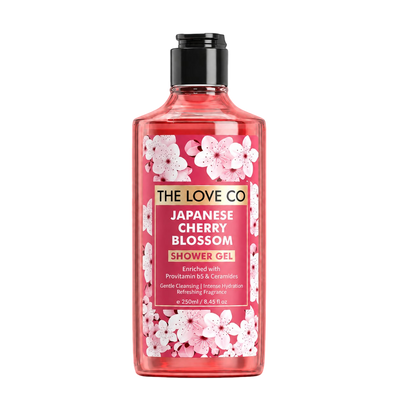
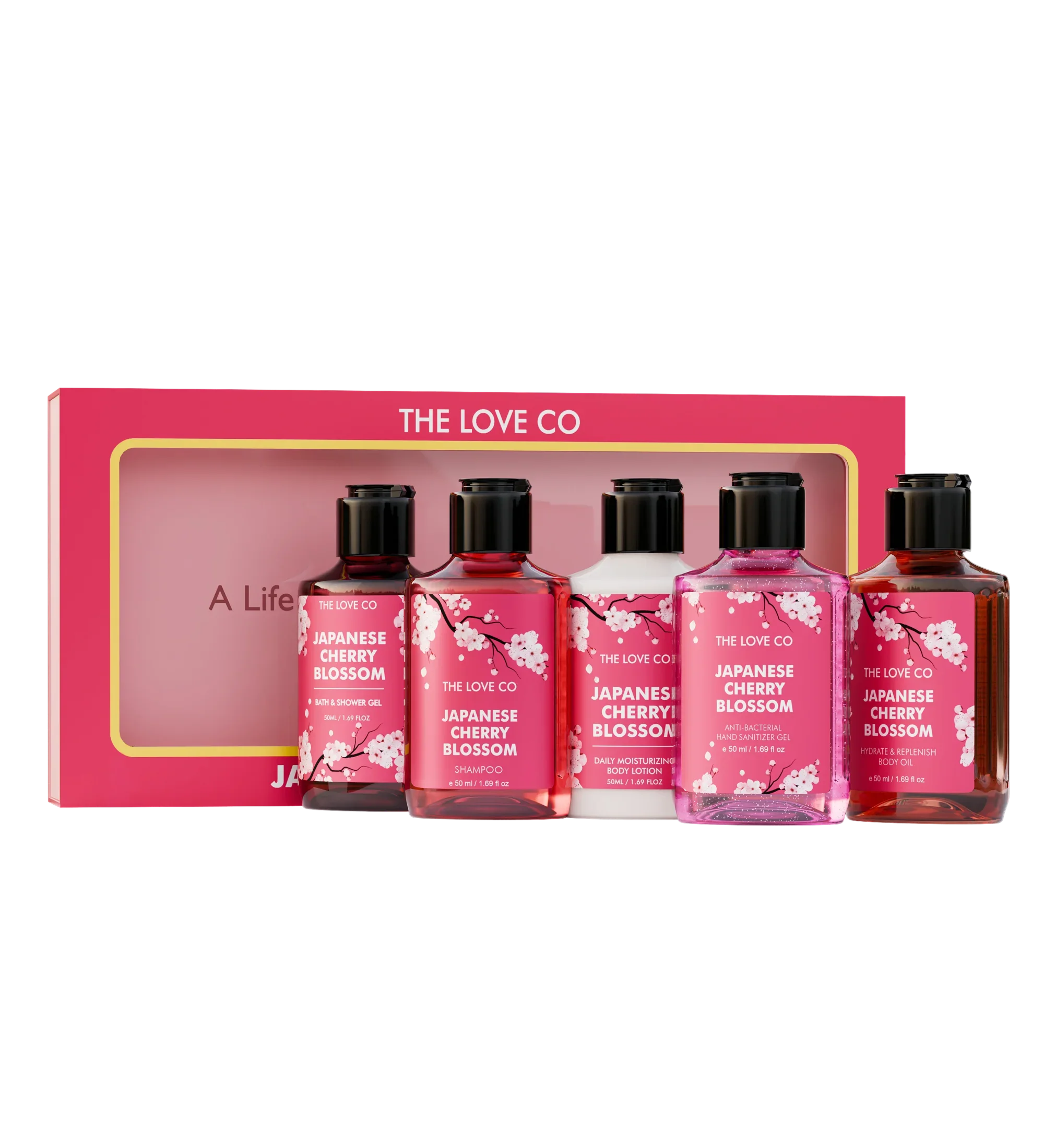
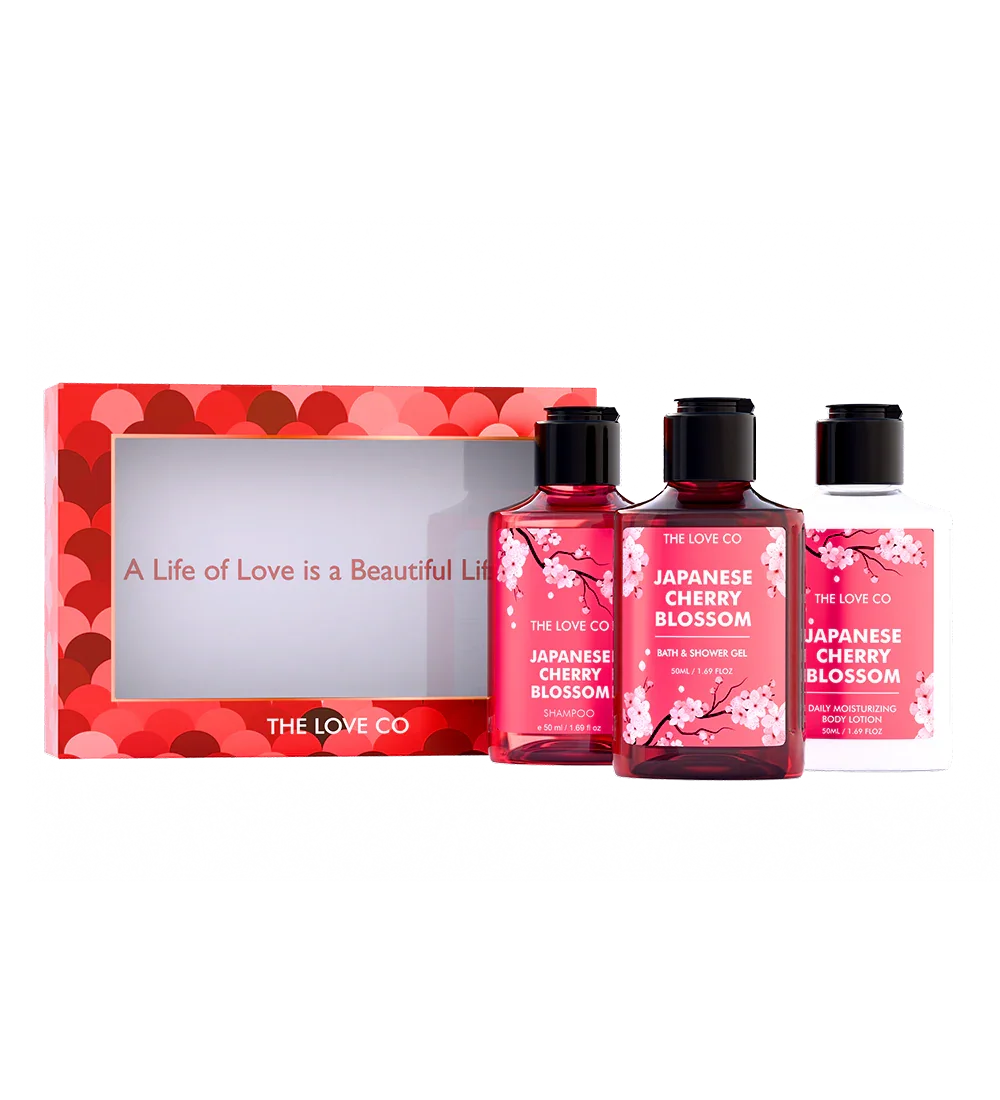
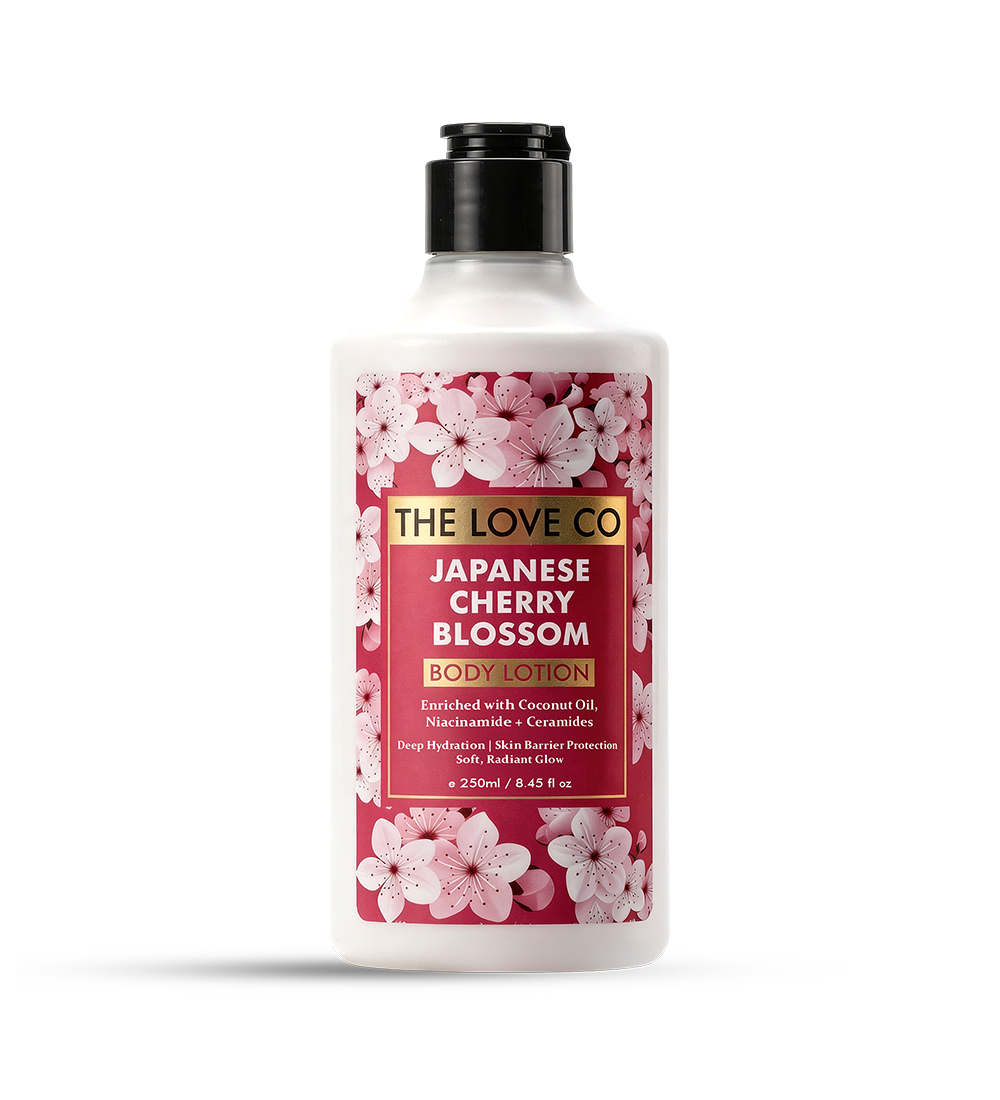
Japanese Cherry Blossom Body Wash
Scent Trail Step 1 · soft floral body wash Start the Scent Trail here. A pH 5.5, SLS-free cleanser that protects your skin barrier while it washes —...
A ritual is the smallest love you give yourself, daily.
— Hemang Jain · 20 May 2026