Fragrance Layering 101: The Complete Guide for Longer-Lasting Scent
You spray your perfume in the morning. By noon, it has vanished — absorbed into fabric, lost to air conditioning, swallowed by the city. You spray again. By evening, nothing. You find yourself wondering whether your nose has simply stopped noticing, or whether the scent was never really there to begin with.
This is the quiet frustration that lives at the centre of most people's relationship with fragrance. And the answer — the real answer — is not a stronger perfume or a larger bottle. It is a fragrance layering guide worth following.
Fragrance layering is the practice of building scent across multiple product formats — body wash, body lotion or oil, and eau de parfum — so that each layer anchors the next, creating something deeper, more complex, and far more enduring than a single application could ever achieve. It is how perfumers think about fragrance at home. It is how the most memorable people in any room seem to carry their scent like a second skin.
This guide covers everything: the science behind why layering works, the precise order of products, how to match and mix scents, seasonal adjustments, and the common mistakes that undermine even the best intentions. Read it once and your entire relationship with fragrance will shift.
Why Fragrance Fades — And Why Layering Fixes It
To understand fragrance layering, you first need to understand why perfume disappears.
Fragrance molecules are volatile. They are designed to evaporate — to travel from skin to air to the nose of someone standing nearby. The faster they evaporate, the less you smell over time. Several factors accelerate this evaporation: dry skin (which has no oil barrier to slow the process), heat (which increases molecular movement), and friction (which physically removes the top layer where fragrance sits).
The conventional solution — spraying more — only addresses the symptom. You add more volatile molecules to a surface that cannot hold them. They evaporate just as quickly.
Layering addresses the root cause. When you apply a fragrance-matched body lotion or body oil before your eau de parfum, you create a slightly occlusive, moisturised surface that slows evaporation. The fragrance molecules have somewhere to anchor. They diffuse more slowly, more evenly, and for far longer. The sillage — the invisible trail you leave — becomes something people actually notice and remember.
There is also a dimension of complexity. A single perfume application presents its full accord to the air immediately. When you layer body wash, lotion, and EDP from the same fragrance family, the heart and base notes from each product interact, creating subtle variation across the day. The scent evolves rather than simply fading.
The Building Blocks: What Goes Into a Layering System
A complete fragrance layering system has three tiers, each serving a distinct purpose.
Tier 1: The Cleanser (Body Wash)
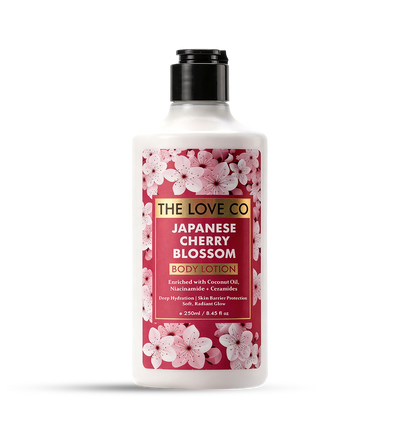
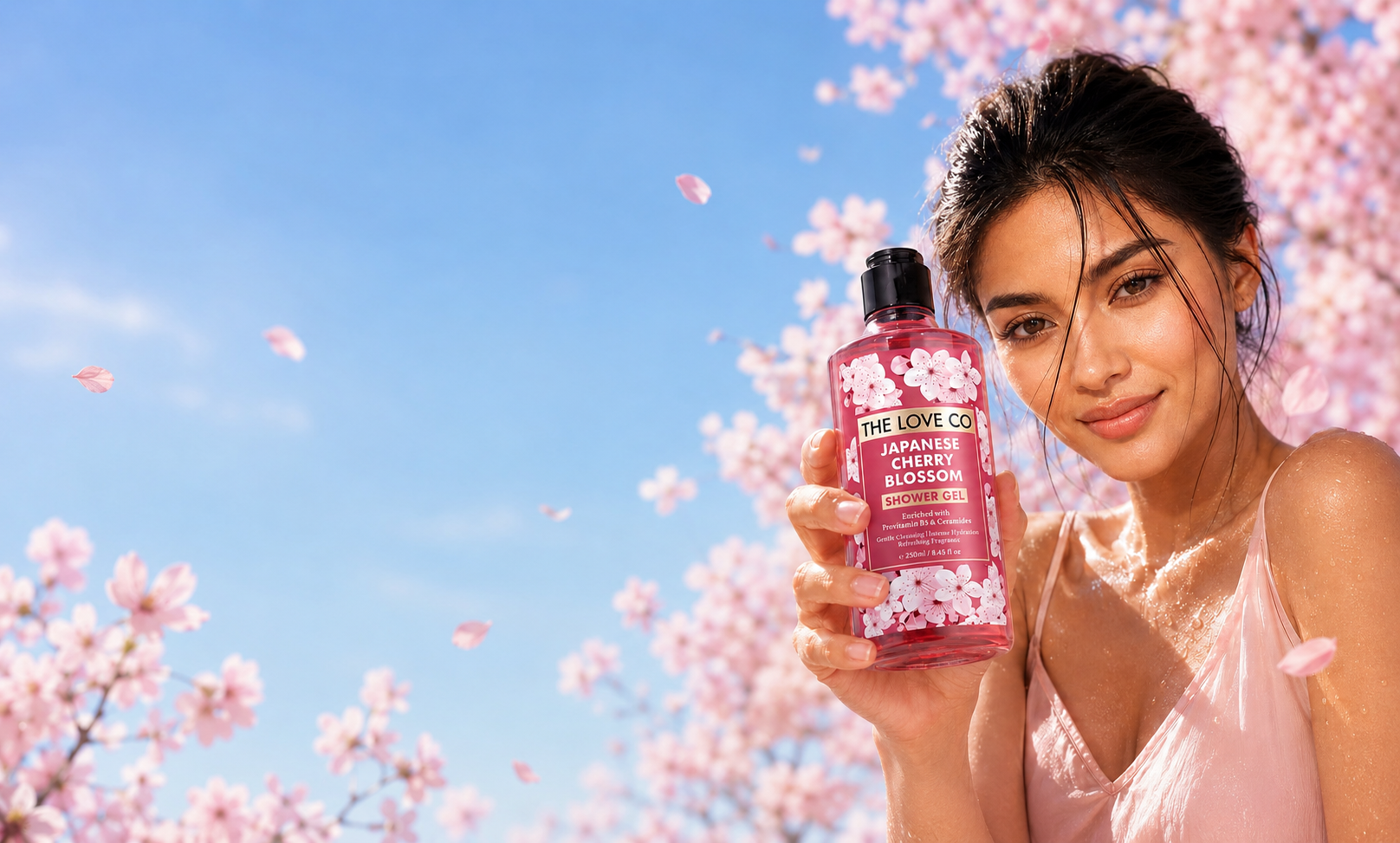
Body wash is the foundation layer — the one most people overlook entirely. A fragrance-forward body wash does two things: it lightly deposits scent on skin during washing (even after rinsing, trace amounts remain), and it primes the skin by removing the oils and residues that would otherwise compete with your fragrance.
For layering to work properly, your body wash should belong to the same fragrance world as your other products. Using a sharp citrus wash before a warm oud EDP creates dissonance rather than harmony. Matching formats within a fragrance line — as TLC's layering system allows, moving from body wash through to EDP within the same scent world — eliminates this problem entirely.
Read: How to Layer Body Wash for Long-Lasting Fragrance →
Tier 2: The Anchor (Body Lotion or Body Oil)
This is the most critical layer in the entire system. Body lotion or body oil applied to still-damp skin after showering does three things simultaneously:
- It seals moisture into the skin, creating the hydrated surface that holds fragrance.
- It deposits a concentration of scent molecules directly onto the skin's surface.
- It creates a slightly occlusive layer that slows the evaporation of the fragrance applied on top.
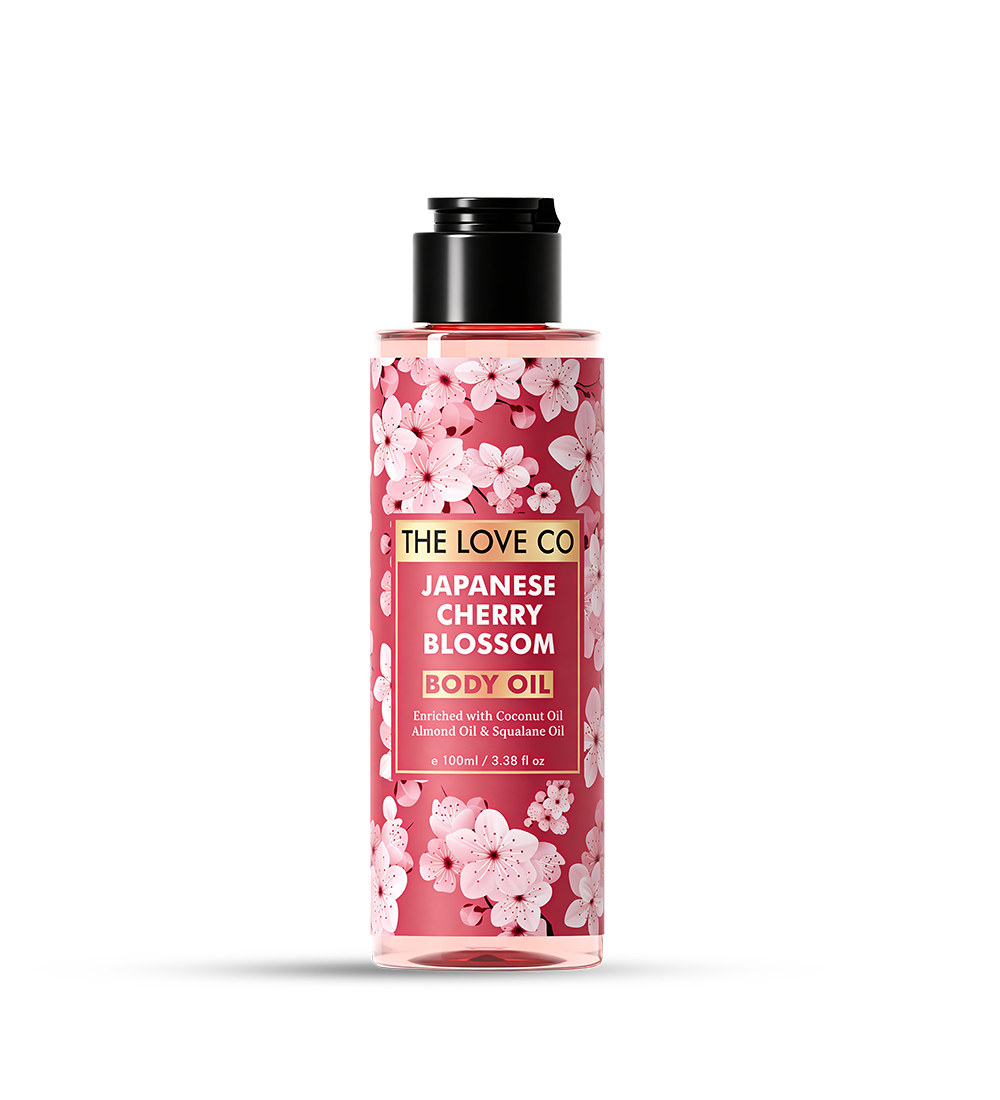
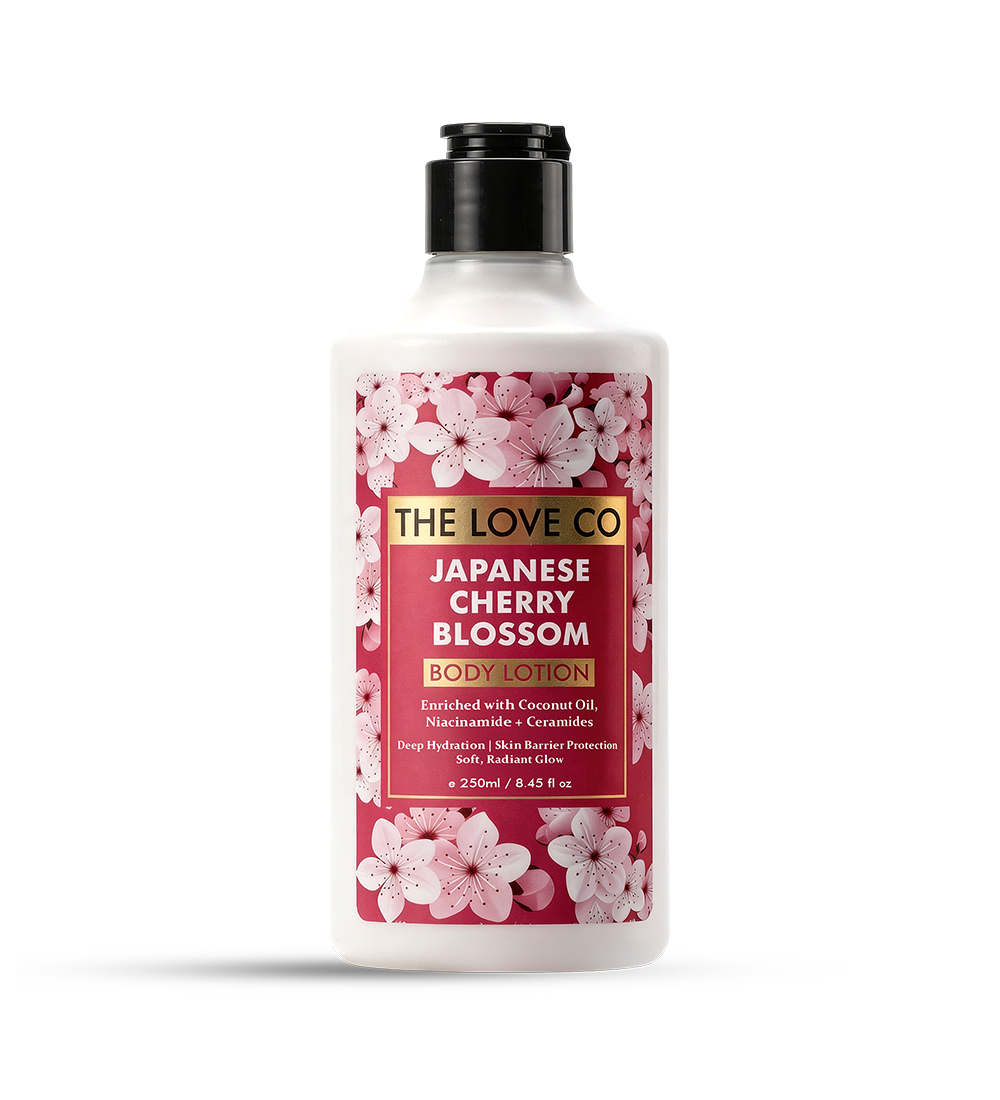
Body oil and body lotion serve this anchor function differently. Oil creates a more occlusive barrier and tends to amplify warmer, heavier notes — making it ideal for musky, oriental, and woody fragrances. Lotion is lighter, absorbs more quickly, and is better suited to fresh, floral, and citrus fragrance families.
Read: Body Oil + EDP: The Two-Product Stack That Doubles Fragrance Life →
Read: Best Body Lotion Bases for Fragrance Layering: What to Look For →
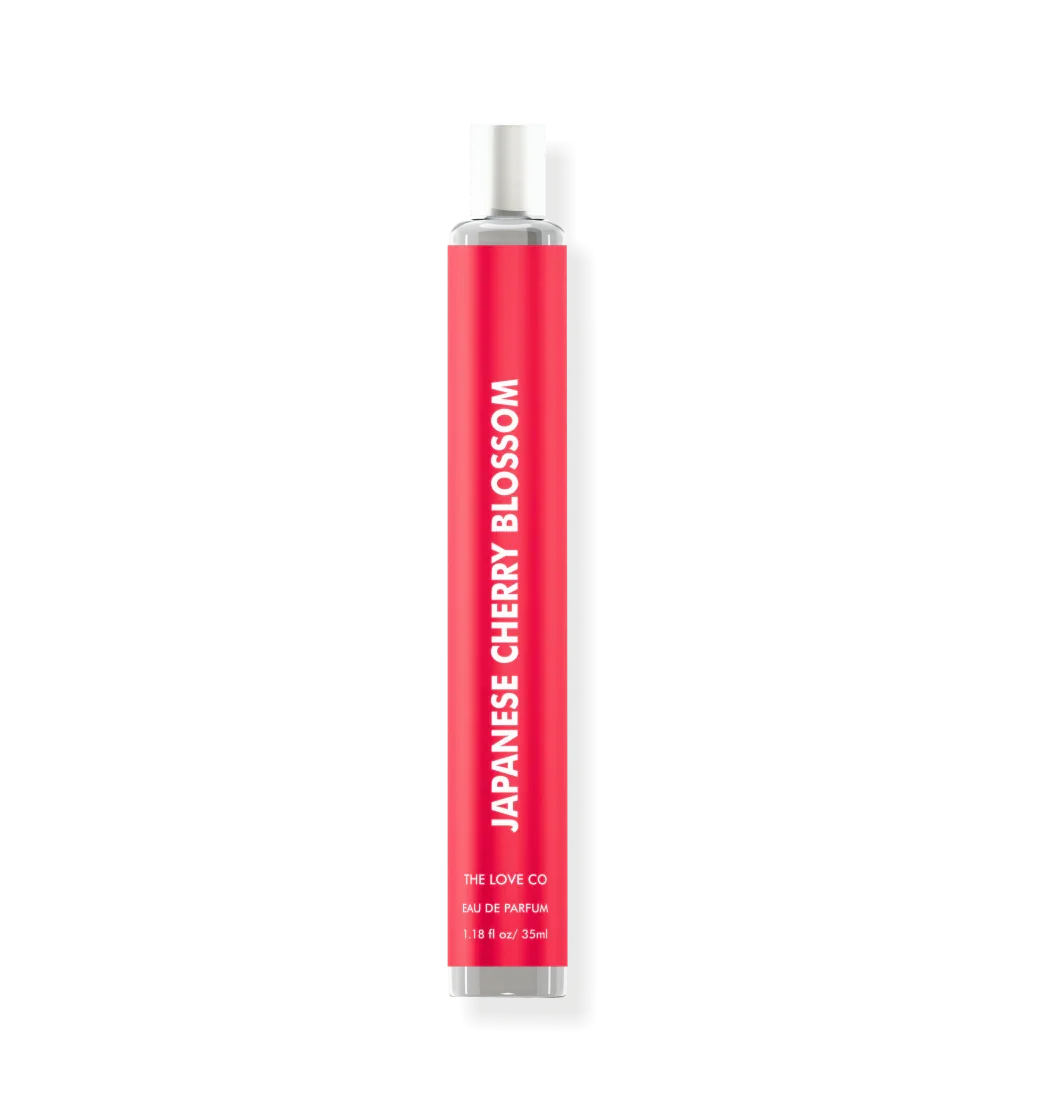
Tier 3: The Statement (Eau de Parfum)
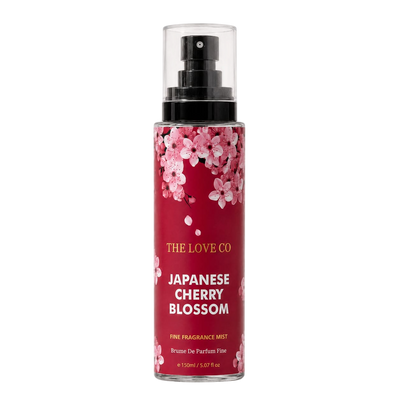
Your EDP is the top note of your layered system — the first thing others notice, the initial impression that sits atop the foundation you have built. Applied last, onto the moisturised, scent-primed skin, it now has something to hold onto. The longevity gains are measurable: most people report four to six additional hours of perceptible scent when layering correctly versus applying EDP to dry, unprepped skin.
The Layering Protocol: Step by Step
Order matters. This is not a matter of preference — there is a correct sequence that maximises both longevity and complexity.
Step 1: Shower with a fragrance-forward body wash
Use warm (not hot) water. Hot water opens pores but also accelerates evaporation of the light fragrance deposited during washing. Wash your pulse points — wrists, inner elbows, neck — with particular attention.
Step 2: Pat dry, do not rub
Rubbing aggressively with a towel removes the thin fragrance film left by your body wash. Pat the skin mostly dry but leave it slightly damp — this is when the next layer works best.
Step 3: Apply body lotion or body oil immediately
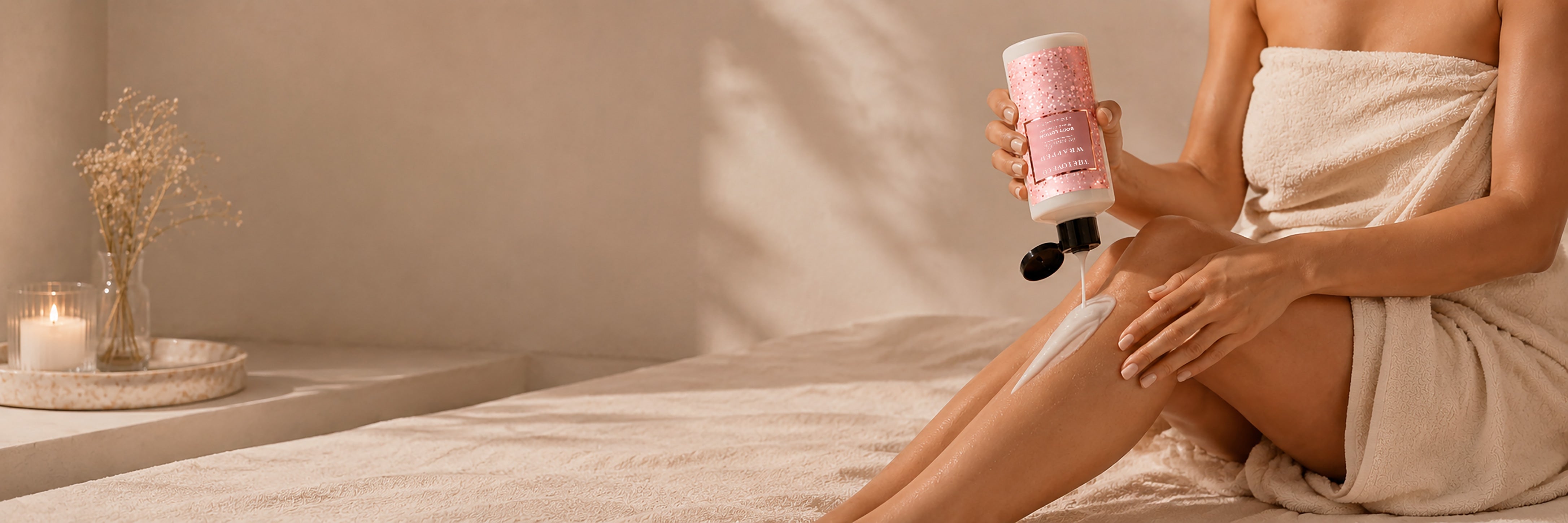
Within 60 seconds of stepping out of the shower, apply your body lotion or oil to warm, slightly damp skin. The warmth from the shower keeps pores open, allowing better absorption. Focus on the same pulse points and any area that will be exposed — inner wrists, the crook of the elbow, the back of the knees, the collarbone, the back of the neck.
Step 4: Allow to absorb (2–3 minutes)
Do not layer your EDP over wet lotion. Let the base layer absorb partially — not fully, just enough that the skin is no longer visibly slick. This takes about two to three minutes.
Step 5: Apply your EDP
Now spray. The pulse points are warm, the skin is moisturised, the fragrance has a ready anchor. Do not rub the fragrance in — rubbing crushes the top notes and collapses the accord before it can develop. Spray from 15–20 cm away, allow the mist to settle.
Matching vs. Mixing: How to Choose Your Layering Strategy
Not all layering needs to use identical scents. There are two distinct approaches, and both have merit.
Same-Scent Layering (Matching)
The most reliable approach for beginners. Using body wash, lotion, and EDP from the same fragrance line amplifies a single accord without the risk of dissonance. The layered scent becomes a louder, more complex version of itself — as if the perfumer's original vision has been fully realised across the skin rather than sitting in a thin surface film.
This is the approach TLC's fragrance world system is built around: each scent family runs from wash to lotion to EDP, creating a seamless layering experience without requiring the user to develop a nose for mixing.
Cross-Scent Layering (Mixing)
This is for those who want to create something entirely their own — a signature scent that exists nowhere in the world as a bottled formula. The principle is fragrance pairing: combining complementary accords that share certain molecular families.
Classic pairings:
- Citrus + musk: the freshness of bergamot or yuzu over a warm musky base creates an effortlessly clean, warm sillage
- Vanilla + wood: sweet warmth over dry depth — one of the most wearable combinations across seasons
- Floral + spice: rose or jasmine sharpened with black pepper or cardamom creates a complex, memorable signature
- Oud + amber: deeply resonant, season-defying, one of the most recognisable sillages in fine fragrance
Read: Matching vs. Mixing: Should You Layer Same-Scent Products or Contrast? →
Read: How to Create a Signature Scent by Layering Multiple Products →
Fragrance Families and How They Layer
Understanding fragrance families makes mixing intuitive rather than guesswork.
Fresh and Citrus
Top-note heavy. These fragrances are exhilarating but short-lived when worn alone. When layered over a musk or woody base lotion, they become anchored — the fresh top lingers above a warmer, longer-lasting foundation. Ideal for summer and daytime wear.
Read: Summer Fragrance Layering: Keeping It Fresh in India's Heat →
Floral
The most versatile family. Florals layer beautifully with almost anything. Soft musks amplify their intimacy; woods give them gravity; vanillas make them warmer and sweeter. The key is choosing whether you want the floral to be the lead or the counterpoint.
Woody and Earthy
Sandalwood, cedarwood, vetiver. These are natural anchors — they are base notes and they behave like base notes in a layering system. A woody body lotion under any floral or citrus EDP gives the whole composition longevity and depth.
Oriental and Spicy
Warm, resinous, and deeply persistent. These fragrances are already heavy; layering them with a lighter, fresher element in the wash or lotion creates a more wearable daily profile. Alternatively, amplifying with a matching oil creates something genuinely dramatic.
Musk and Amber
The great connectors. Musk and amber in a body lotion or oil serve as the universal anchoring layer — they pair with virtually any EDP family, warming and extending whatever sits on top.
Pulse Points: Where to Layer
The pulse points are where blood vessels run closest to the skin's surface, generating warmth that continuously diffuses fragrance outward. These are the locations that reward layering most.
Primary pulse points:
- Inner wrists
- Inside of the elbows
- Base of the throat / collarbone
- Behind the ears
- Back of the knees
Secondary locations:
- Inner ankles (for sillage as you move)
- Chest / sternum
- Back of the neck (for close encounters)
- Hair (mist the air and walk through — do not spray directly on hair as alcohol damages it)
The key is not to apply everywhere. Concentrate the layered system on two or three primary pulse points and allow the warmth of the body to do the diffusion work.
Seasonal Layering: How to Adjust by Climate
The same fragrance behaves differently across seasons — and your layering approach should shift accordingly.
Winter Layering
Cold air suppresses fragrance diffusion. The body's warmth becomes more important than ever as the primary driver of sillage. In winter, layer more heavily: apply body oil rather than lotion, concentrate the product on pulse points, and consider adding a second application of EDP mid-day. Warm, deep fragrances — oud, amber, vanilla, sandalwood — are amplified by the same mechanisms that make them appropriate for cold weather.
Read: Winter Fragrance Layering: How to Build Warmth and Depth →
Summer and Tropical Layering
Heat amplifies fragrance exponentially. In India's climate — humid summers, intense sun — over-application becomes suffocating. Summer layering calls for restraint: a lighter lotion rather than oil, a single focused application at pulse points, and fragrances that are built to thrive in heat — aquatics, citruses, light florals, green accords.
Read: Summer Fragrance Layering: Keeping It Fresh in India's Heat →
Common Fragrance Layering Mistakes
Even with the right products, errors in application can undermine the whole system.
Applying EDP to dry skin: Dry skin has no barrier. Fragrance evaporates within an hour. Always moisturise first.
Rubbing the wrists together: This generates heat and friction that crush the top notes before they can develop. Spray, then leave.
Layering too many products from different fragrance families: More is not always more. Three conflicting scent families can create something incoherent. Stay within two fragrance families when mixing.
Spraying on clothes rather than skin: Fragrance is designed to interact with skin chemistry and body heat. On fabric, it sits flat. On skin, it evolves and diffuses. Always apply to skin first.
Ignoring the base layer: The EDP alone will always underperform a layered system. The body lotion or oil is not optional — it is the foundation.
Read: The 5 Biggest Fragrance Layering Mistakes (And How to Fix Them) →
Building Your First Layering System
If you are new to layering, start simple.
Step 1: Choose one fragrance family you are drawn to — floral, woody, fresh, oriental.
Step 2: Find a body wash, body lotion (or body oil), and EDP within that family. Using products from the same brand's fragrance line is the easiest entry point, as the accords are designed to complement each other.
Step 3: Follow the protocol: wash → lotion/oil → EDP.
Step 4: Observe how the scent evolves across the day. Notice when it peaks, when it settles, how it interacts with your skin chemistry.
Step 5: Once you are comfortable with same-scent layering, begin experimenting with a contrasting element — a musky lotion under a floral EDP, or a woody oil under a citrus spray.
For Men and Women: Layering Across Genders
The principles of fragrance layering are gender-neutral. The technique is identical; only the fragrance families change in their cultural associations. In practice, many of the most compelling signature scents are built by mixing across traditional gender lines — a warm oud that reads as intensely personal regardless of who wears it, a clean citrus-musk that is equally wearable and equally memorable.
Read: Unisex Fragrance Layering: Combinations That Work for Men and Women →
The Fragrance Layering Mindset
Here is the shift that makes this whole system click: stop thinking of fragrance as something you apply and start thinking of it as something you build.
A single spray of perfume is a statement. A layered system is a presence. It is the difference between wearing a scent and inhabiting it — between something people smell when they are close and something people remember hours after you have left.
The fragrance layering guide you follow should not make your morning more complicated. It should make it more intentional. Three products, three minutes, a protocol that becomes automatic within a week. What you get in return is a sillage that carries you through twelve hours without a second thought, a signature that is genuinely yours, and the particular confidence that comes from knowing the trail you leave is exactly the one you chose.
That is the real promise of fragrance layering. Not efficiency. Not technique. The feeling of being fully, sensorially present — in any room, at any hour, without effort.
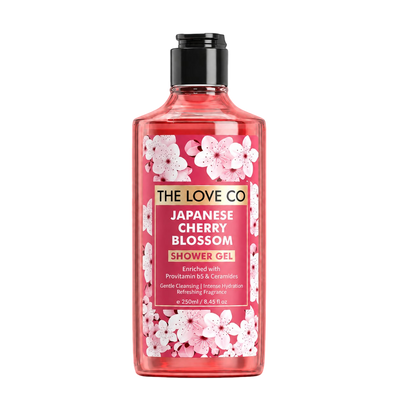
Japanese Cherry Blossom Body Wash
Scent Trail Step 1 · soft floral body wash Start the Scent Trail here. A pH 5.5, SLS-free cleanser that protects your skin barrier while it washes —...
A ritual is the smallest love you give yourself, daily.
— Sweety Jarota · 08 May 2026