The 5 Biggest Fragrance Layering Mistakes (And How to Fix Them)
You did everything you were supposed to do.
You bought a body lotion. You spray your perfume on pulse points. You avoid spraying on clothes. You have read enough about fragrance to know what a sillage is. And yet — your scent disappears before lunch. Someone asks what you are wearing and you have to admit it has already faded.
The maddening thing is that you are close. The instincts are right. The products are right. But somewhere in the execution, one or more fragrance layering mistakes are quietly erasing all the effort.
Here are the five that do the most damage — and exactly how to fix each one.
Mistake 1: Applying EDP to Completely Dry Skin
This is the most common and most damaging fragrance layering mistake, and it is the one almost everyone makes before they understand how layering actually works.
Perfume on dry skin evaporates quickly — within one to two hours under normal conditions, faster in warm or air-conditioned environments. Dry skin has no oil barrier to slow the evaporation of fragrance molecules. The surface is effectively porous, and the perfume dissipates into the air rather than diffusing from the skin.
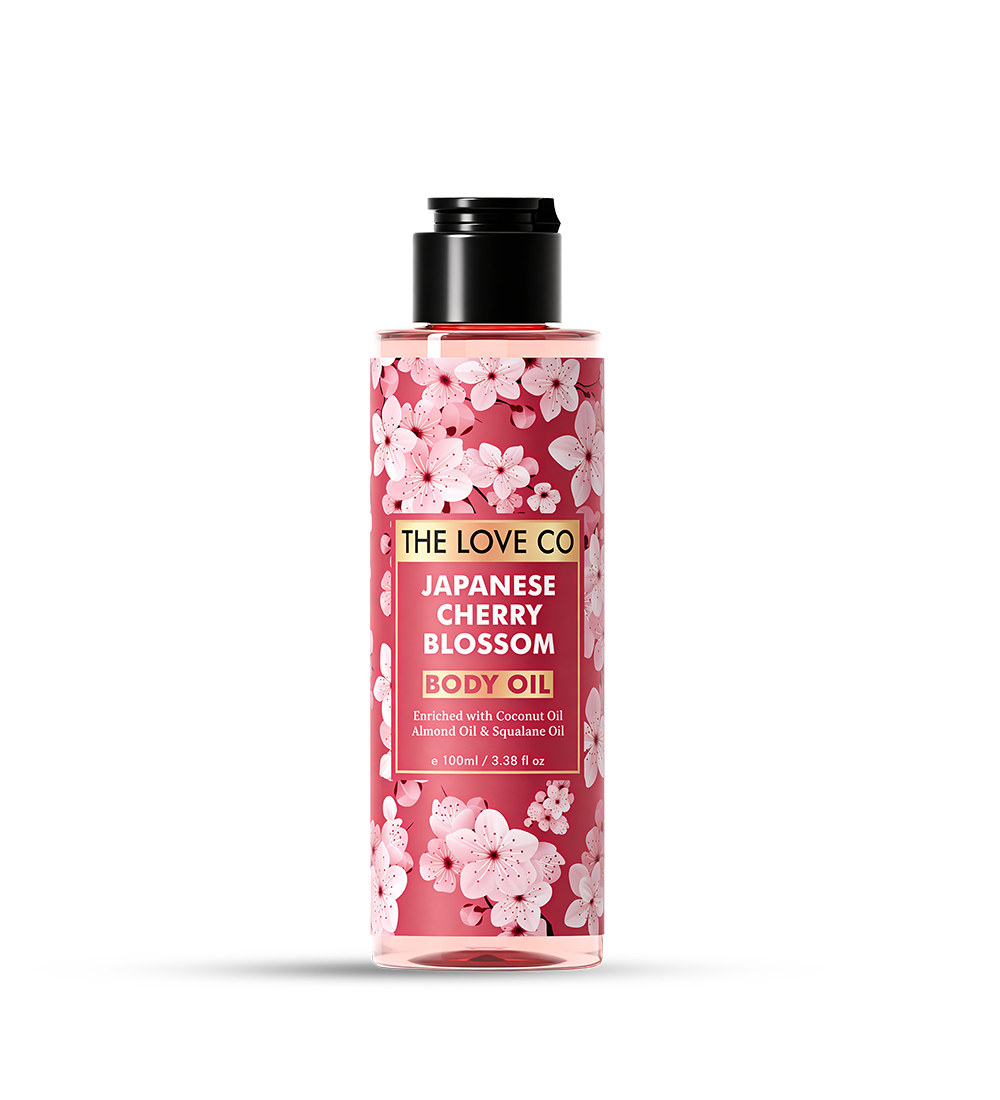
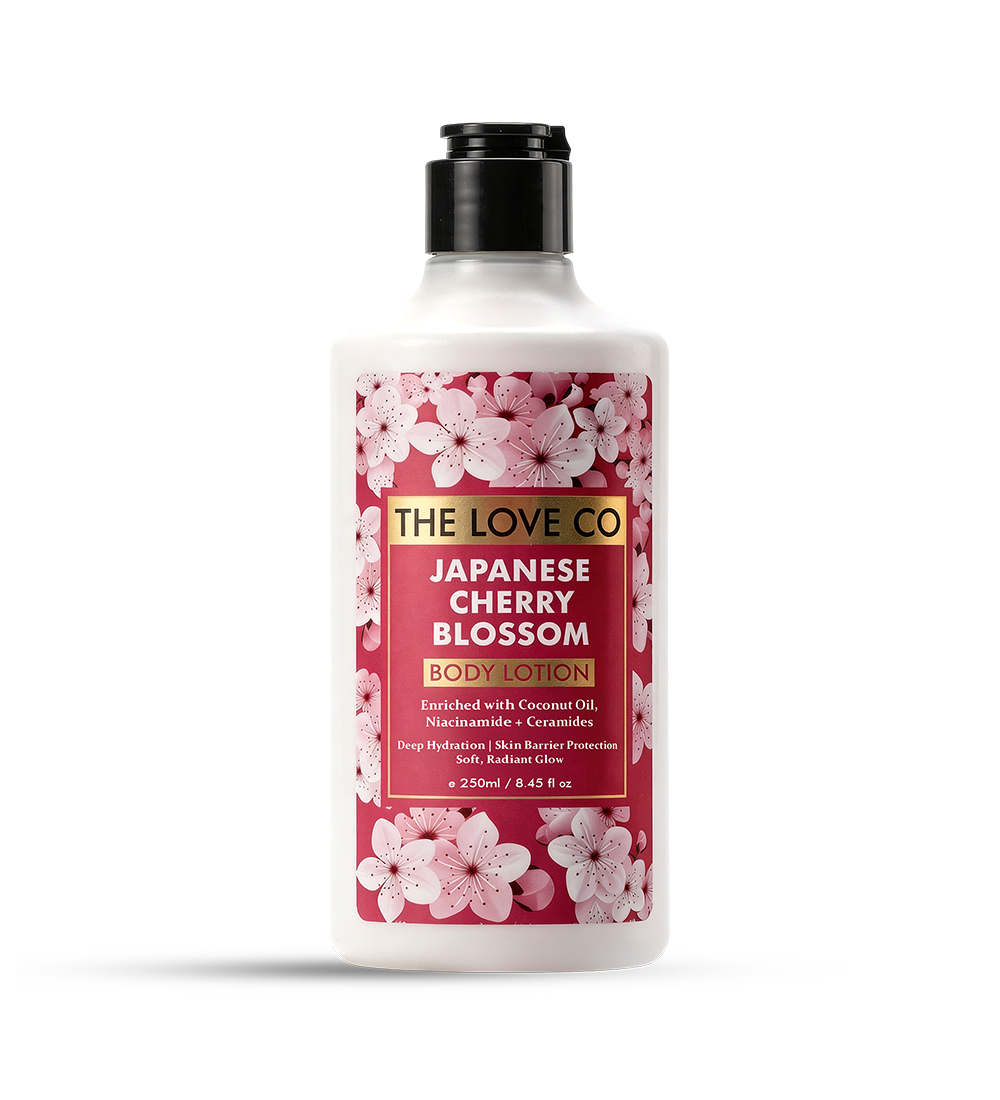
The fix: Always apply a body lotion or body oil before your EDP. The lotion or oil creates an occlusive surface layer that slows evaporation and gives the fragrance something to anchor to. Apply to warm, slightly damp skin within sixty seconds of stepping out of the shower. Allow two to three minutes to partially absorb before applying your EDP.
The difference in longevity is not subtle. A body lotion as the foundation layer before EDP typically extends the perceptible sillage by four to six hours. It is the single most effective intervention in fragrance performance.
Mistake 2: Rubbing the Wrists Together
This is a ubiquitous fragrance habit — one passed down from well-meaning people who simply did not know the chemistry.
The instinct makes sense: rubbing the wrists together spreads the fragrance. The problem is what it does in the process. Friction generates heat and physical abrasion. The top notes of a fragrance — the delicate aromatic molecules that create the first impression, the brightness, the initial complexity — are the most volatile and the most fragile. Rubbing crushes them before they have the opportunity to develop and diffuse.
What you are left with after wrist-rubbing is a flattened version of the fragrance: the middle and base notes, stripped of their top note introduction. The opening is lost. The development of the accord is compromised. The fragrance reads as duller and simpler than it actually is.
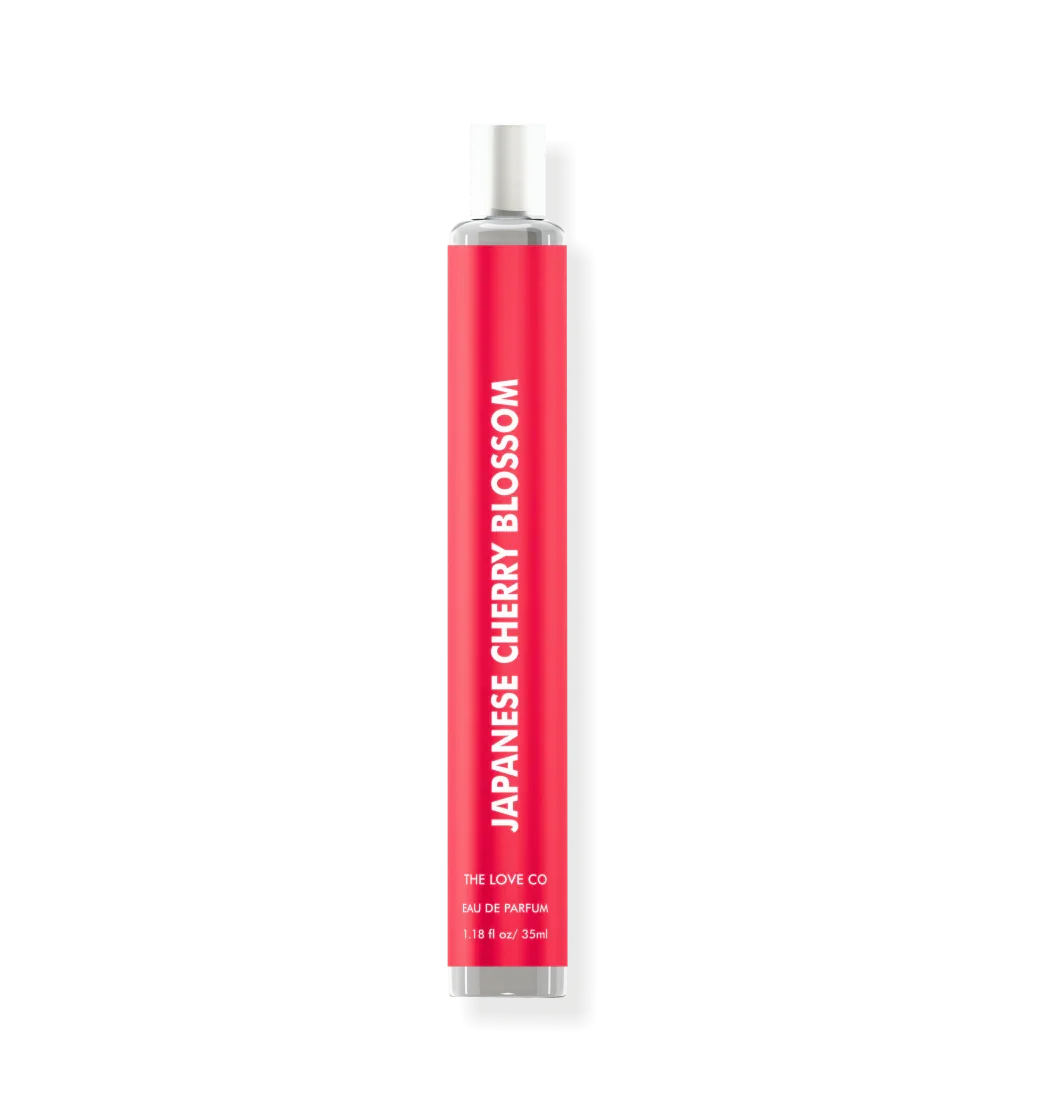
The fix: Spray and leave. Apply your EDP from 15–20 cm away, let the mist settle on the pulse point, and do nothing after that. Your body heat will diffuse the fragrance; it does not need your help in the form of friction.
If you apply to both wrists, spray each wrist independently rather than pressing them together.
Mistake 3: Layering Incompatible Fragrance Families
The fragrance layering mistakes that are hardest to diagnose are the ones that produce a result rather than an absence — something that just smells wrong, without an obvious culprit.
When you use a body lotion from one fragrance family under an EDP from a conflicting family, the result is olfactory dissonance. The notes fight each other rather than building on each other. What you experience is not complexity — it is confusion.
Common incompatible pairings:
- Heavy oriental/oud base under a light aquatic or green EDP (the heaviness swamps the brightness)
- Citrus or herbal wash over a deep amber EDP (jarring transition without a bridge)
- Two different florals from distinct floral families (rose and tuberose can clash badly)
The fix: Align your layers by fragrance family. Either use products from the same line — the most reliable approach, and the one TLC's fragrance world system is designed for — or learn the fragrance pairing rules well enough to mix intentionally rather than accidentally.
If you want to experiment with cross-family layering, always test a small application on the inner wrist and allow ten minutes before committing to the full application. Your nose will tell you immediately whether the layers harmonise.
Mistake 4: Applying Fragrance to the Wrong Locations
Most people know to use pulse points. Fewer understand why — and even fewer apply this knowledge consistently.
Pulse points are warm because blood vessels run close to the skin's surface. That warmth continuously diffuses fragrance outward, creating the sillage that others experience as they move around you. Without the warmth amplification, fragrance sits on a cold surface and projects minimally.
The common mistakes here:
Spraying only the wrists: The wrists are excellent pulse points, but alone they provide directional sillage — concentrated near your hands. For genuine presence in a room, the neck and collarbone need to be part of the application.
Applying to clothing rather than skin: Fabric holds fragrance differently than skin — it often smells stronger and more persistent on clothes, but it does not interact with body heat or skin chemistry. The evolution and warmth that make a fragrance signature are absent. Worse, some fragrances stain certain fabrics.
Spraying on hair directly: Hair is a surprisingly effective fragrance carrier, but alcohol-based EDPs can damage it over time. The technique for hair fragrance is to mist the air in front of you and walk through the cloud.
The fix: Primary pulse points — inner wrists, inside of elbows, base of the throat, behind the ears — plus the décolletage for warmth and projection. Apply body lotion or oil to the back of the knees as well, which creates a soft rising sillage as you move.
Mistake 5: Using Too Many Products from Too Many Fragrance Sources
This is the mistake of enthusiasm — the belief that more layers, more products, and more fragrance is always better.
When the layers are harmonious, adding more does improve the result. But when the layers come from three different brands, four different fragrance families, and include a scented deodorant, a body mist, a lotion, and two EDPs, the result is olfactory chaos. The nose cannot process the information; the people around you cannot either.
Signs you are over-layering:
- You cannot identify a clear dominant note in what you are wearing
- The fragrance smells noticeably different on your skin than it does in your memory
- You find yourself adding more product because the scent seems to disappear, not knowing it has simply become incoherent
The fix: Simplify. A three-product system — body wash, body lotion or oil, EDP — within a single fragrance family or two harmonious families is sufficient to create a rich, complex sillage. More layers beyond this point require careful curation, not enthusiasm.
If you love multiple fragrances and want to wear more than one, assign them to different occasions or different times of day rather than stacking them simultaneously.
The Principle Behind All Five Fixes
Read across these five fragrance layering mistakes and a single principle emerges: intention beats quantity.
The best fragrance sillage in any room is not the most product applied. It is the most coherent application — the right layers in the right order on the right surface, chosen with enough understanding to harmonise rather than compete.
The complete fragrance layering guide gives you the full protocol. These five fixes give you the corrections that turn a mediocre application into a memorable one.
Fix these mistakes once and you will not need to fix them again. The protocol becomes habit, and the habit becomes the sillage people ask about — the one you wear without effort, that announces you before you speak, that lingers in a room after you have left it.
That is what corrected fragrance layering feels like. Not complicated. Chosen.
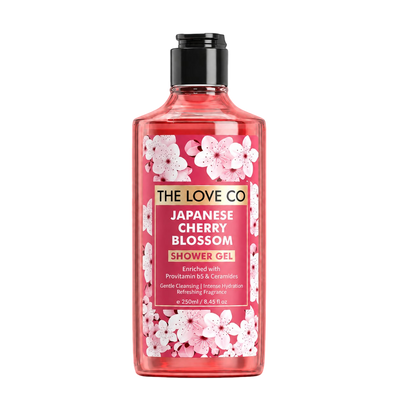
Japanese Cherry Blossom Body Wash
Scent Trail Step 1 · soft floral body wash Start the Scent Trail here. A pH 5.5, SLS-free cleanser that protects your skin barrier while it washes —...
A ritual is the smallest love you give yourself, daily.
— Sweety Jarota · 08 May 2026