




A gajra is a string of fresh jasmine flowers — mogra in Hindi, mallige in Kannada, mullai in Tamil — worn wound into a woman's hair.
It requires no diffuser, no spray, no carrier. The flowers are fresh-cut, threaded onto string at dawn, and worn through a full day of heat. As body temperature warms the flowers, they open slowly and release an intensifying wave of jasmine that trails the wearer across a room.
This is one of the oldest perfume delivery systems in human history. And the smell it produces is one of India's most universally encoded memories.
What Jasmine Actually Smells Like
Jasmine's fragrance comes primarily from two compounds: jasmone and indole.
Jasmone is floral and sweet — the "jasmine" note you recognise from Western perfumery.
Indole is more complex. It is present in both jasmine and in human skin, and in small concentrations adds an animalic, slightly musky warmth that makes jasmine smell intimate rather than simply floral. At high concentrations indole is unpleasant; at natural concentrations in fresh jasmine, it creates the particular quality that makes the flower's smell feel like skin — warm, close, human.
This is why jasmine is distinct from other florals and why it is so consistently associated with attraction and intimacy across world cultures.
Jasmine in Indian Culture
Jasmine's presence in Indian cultural life is pervasive and ancient.
Gajra: Worn by women across South India, Maharashtra, Rajasthan, and Bengal for daily wear, weddings, and festivals. The visual of a jasmine gajra wound into black hair is one of Indian culture's most recognisable images — it appears in classical dance, film, poetry, and painting.
Temple offerings: Jasmine is one of the primary flowers offered to deities across Hindu traditions. The smell of jasmine at a temple entrance is the smell of devotion, of something precious being given.
Weddings: Jasmine garlands are used in South Indian wedding ceremonies — the bride and groom exchange jasmine maalai, and jasmine flowers decorate the wedding hall. The smell of an Indian wedding in the South is inseparable from jasmine.
Ayurvedic use: Jasmine oil is used in traditional massage and as a nervine tonic. The Ayurvedic tradition assigns it uplifting, anti-anxiety properties — consistent with what aromachology research has confirmed about jasmine's effect on mood.
The Memory Architecture of Gajra
The gajra creates a specific memory experience that differs from sprayed fragrance.
Fresh jasmine flowers release fragrance continuously and evolving — the smell of the flower in the morning is different from the smell at noon, which is different again at evening. The heat intensifies it. The wilting changes the chemical composition.
This means the people who encounter you wearing gajra experience a scent that is literally alive and changing — not a fixed formula, but a biological process happening in real time, attached to your body.
The memory encoded from this encounter is specific to you, in that moment, in that light, at that temperature. It cannot be reproduced with a bottle. It is the definition of a scent memory that belongs to a person.
Mogra in Contemporary Fragrance
Mogra — Indian jasmine (Jasminum sambac) — is a different variety from the Jasminum grandiflorum used in Grasse, France. Indian mogra is headier, more indolic, warmer. It is the jasmine of the subcontinent, evolved for Indian summers and Indian noses.
It appears in Indian fragrance tradition both as a standalone attar and as a blending ingredient alongside rose and sandalwood — the classic Indian floral combination that anchors Indian attar's distinctive character.
The Love Co is India's first fragrance-led body care brand — rooted in the fragrance vocabulary that Indian women have worn for centuries.
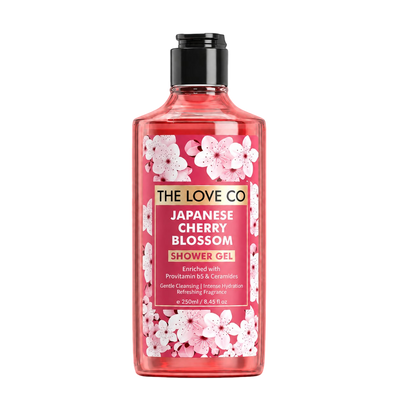
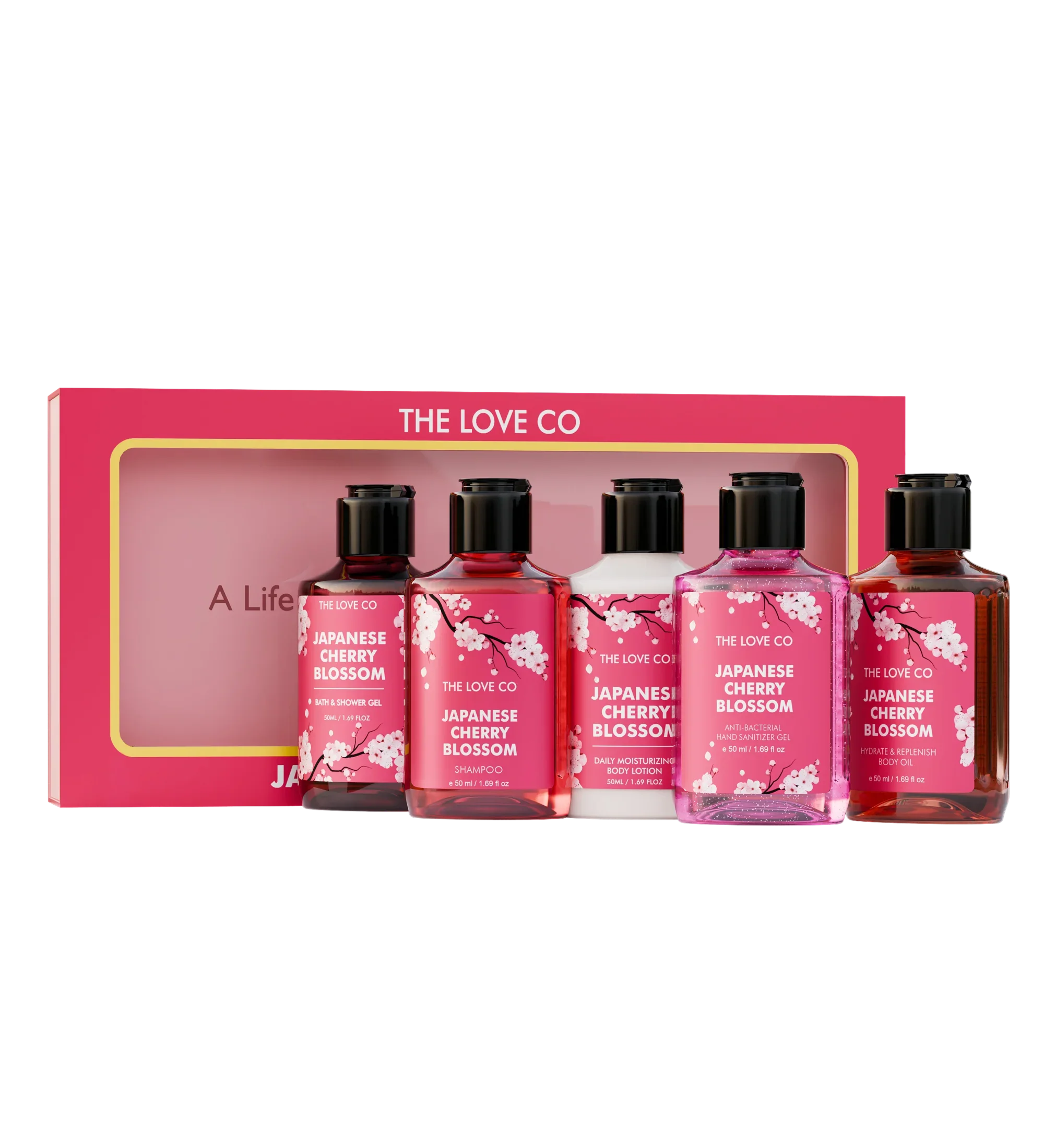
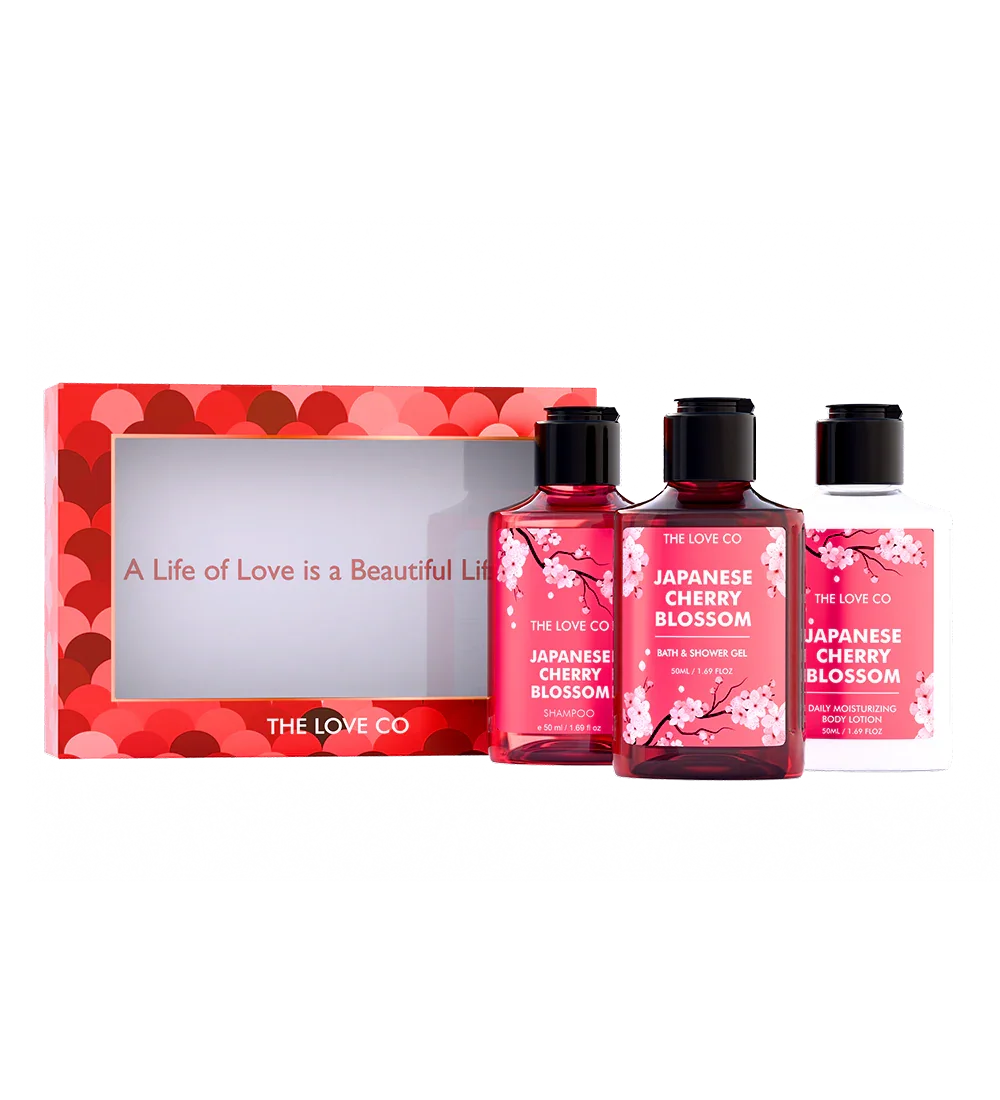
Japanese Cherry Blossom Body Wash
Scent Trail Step 1 · soft floral body wash Start the Scent Trail here. A pH 5.5, SLS-free cleanser that protects your skin barrier while it washes —...
A ritual is the smallest love you give yourself, daily.
— Hemang Jain · 20 May 2026