


Rose water arrived in the Indian subcontinent through Persia, refined under the Mughals, and embedded itself so completely into Indian food, ritual, and body care that it is now inseparable from how India smells at its most celebratory.
Gulab jal — literally, rose water — is present at Indian weddings, at Eid, at temples, in mithai, in thandai, on the face of a bride. It is one of the rare fragrance substances that crosses the boundary between eating and wearing.
What Gulab Jal Actually Is
Rose water is produced by steam distillation of Rosa damascena petals — the same process that produces rose essential oil. The oil floats; the remaining water, saturated with rose compounds, is the rose water.
The rose water from Kannauj — asav-e-gulab in traditional trade — is considered the finest in the world. Kannauj Rosa damascena is harvested at dawn, when the petals have the highest concentration of aromatic compounds, and distilled within hours of picking.
The result is a rose water that smells genuinely of fresh roses — not the synthetic, one-dimensional rose of cheap cosmetics, but the multi-layered, slightly honeyed, slightly green smell of actual petals.
Rose Water Across Indian Contexts
Weddings: Rose water is sprinkled on guests arriving at the wedding venue, on the bride and groom during ceremony, and distributed in small bowls at the entrance. This is Mughal hospitality tradition surviving into the present — the idea that entering a celebratory space should be marked by a pleasant fragrance experience.
Eid: Itar (attar) and rose water are part of Eid preparation and greeting. Men apply attar; rose water is used in food and distributed at mosque. The smell of Eid in Muslim households across India has a specific rose-sandalwood note that is distinct and shared.
Temples: Rose water is used to prepare floral offerings, to clean sacred images, and as a prasad ingredient. The rose water left over from temple puja is considered blessed and applied to the face.
Food: Rooh Afza — India's most consumed rose-flavoured syrup — is consumed across hundreds of millions of households, primarily in summer and during Ramadan. Its rose water base means that the smell of rose is also the smell of summer afternoon, of cold drinks in hot weather, of relief.
Gulab jamun: India's most consumed dessert is named for rose water — gulab means rose, jamun refers to the shape. The dessert itself contains rose water in its syrup. The smell of gulab jamun being served is partly the smell of gulab jal.
Why Rose Water Encodes Differently Than Rose Perfume
Synthetic rose fragrance in cosmetics uses isolated compounds — typically geraniol, citronellol, and rose oxide — in precise ratios. It smells "like rose" but lacks the contextual associations of actual rose water.
Kannauj rose has 300+ identified compounds. The complexity creates a fragrance that the brain recognises as this specific thing rather than rose in general — which means it triggers specific, contextualised memories rather than generic floral associations.
When you smell genuine Kannauj rose water, the brain is not searching through "things that smell floral." It is searching through "specific experiences associated with this exact smell" — which, in India, means wedding memories, devotional memories, celebratory memories.
That is a different class of olfactory experience.
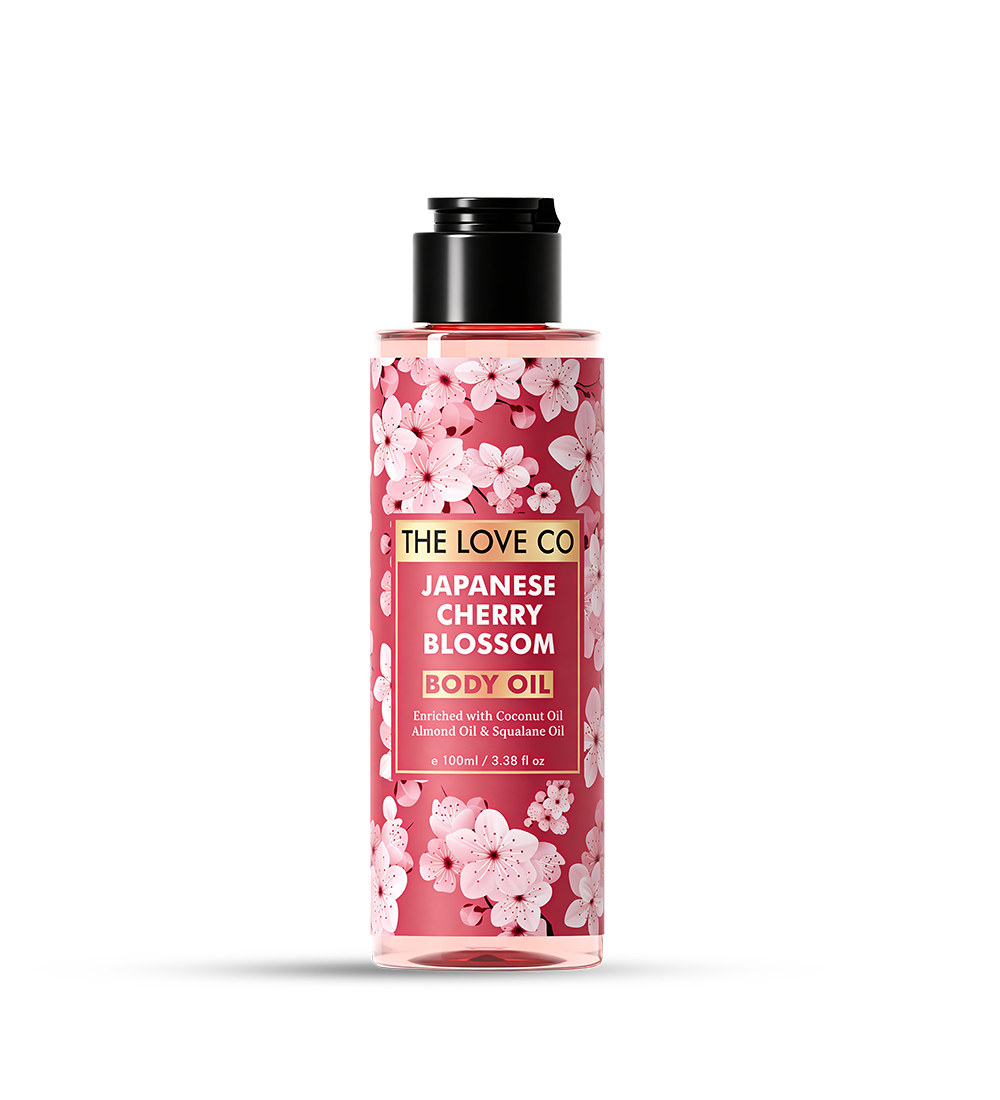
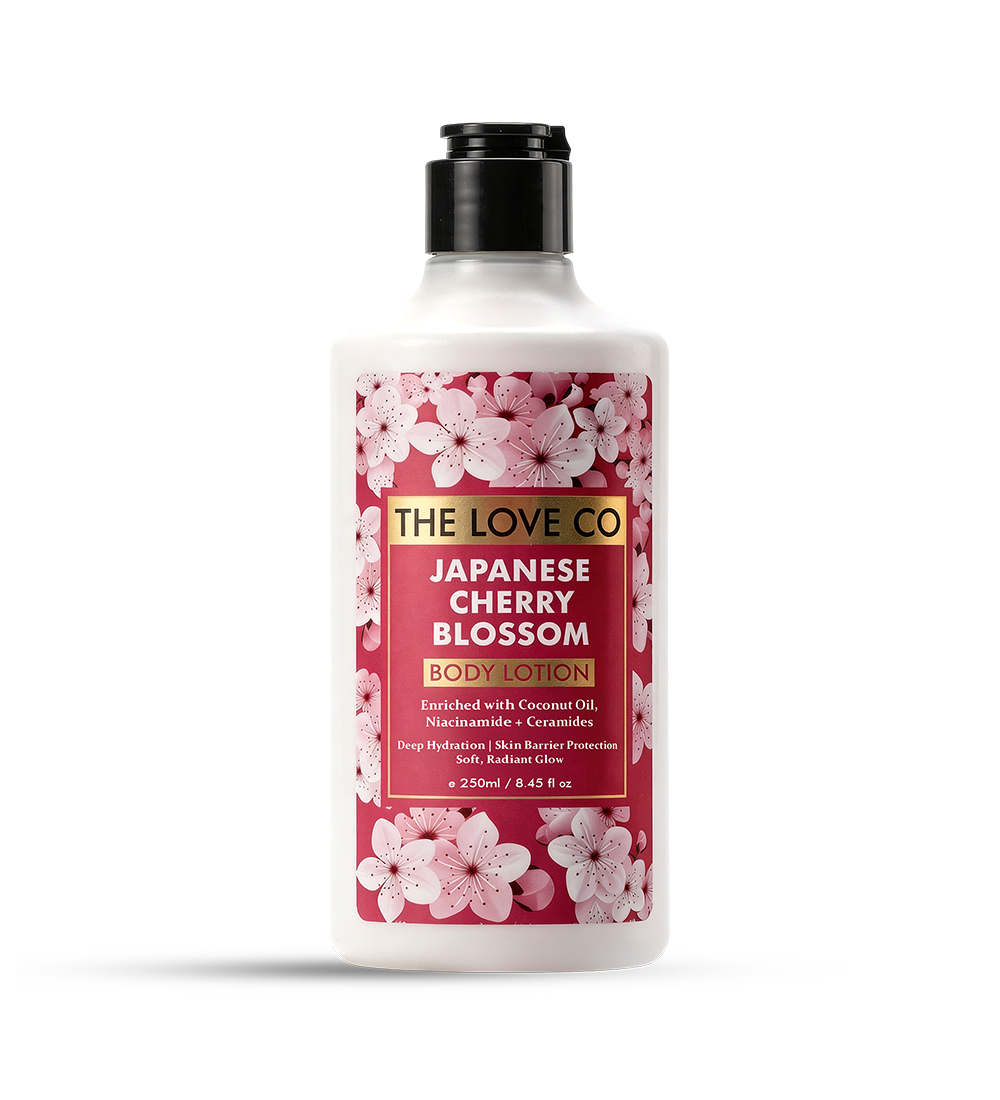
The Love Co is India's first fragrance-led body care brand, built on Kannauj rose — the same rose that is gulab jal, the smell of India's most cherished occasions.
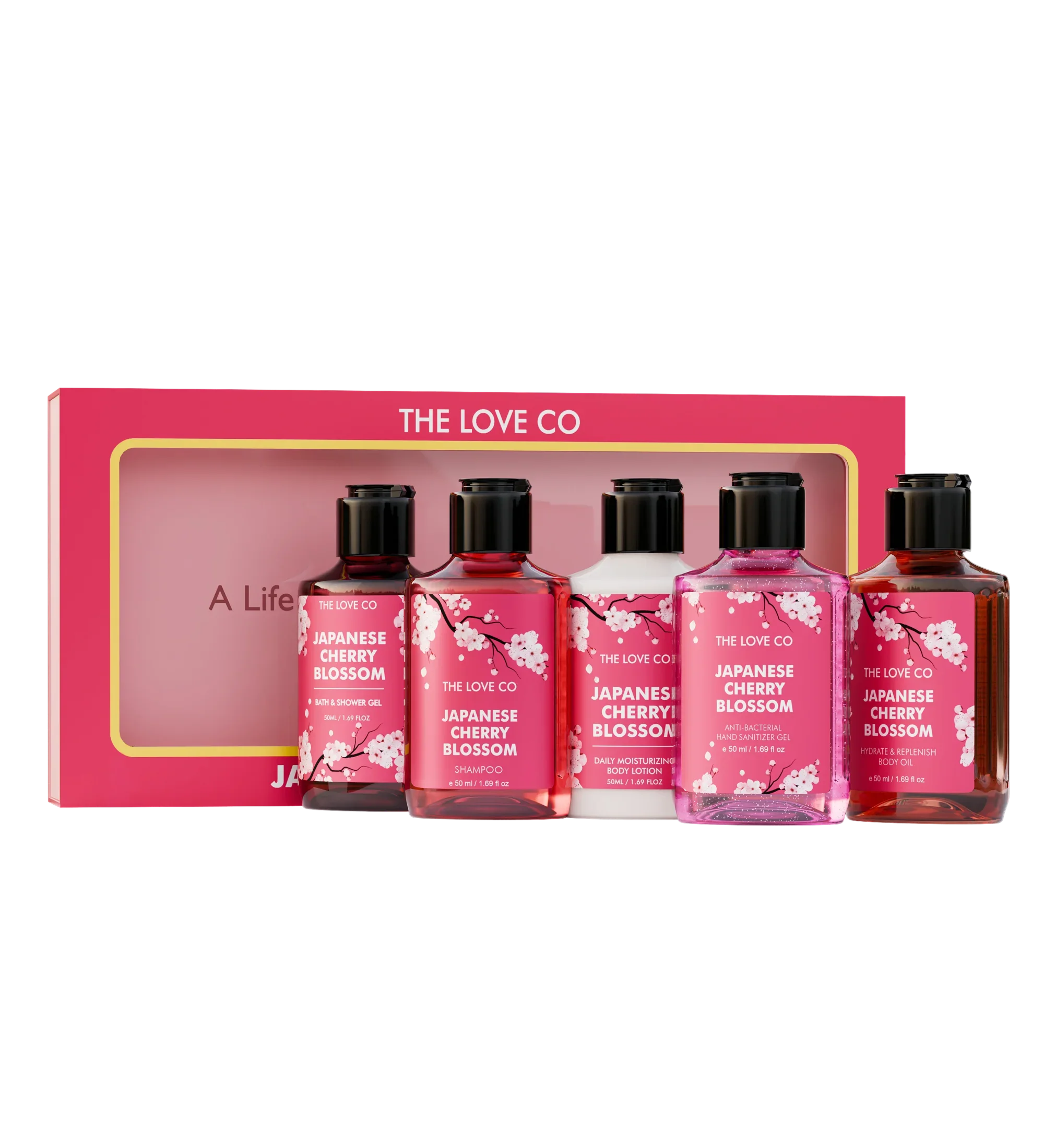
Japanese Cherry Blossom Body Wash
Scent Trail Step 1 · soft floral body wash Start the Scent Trail here. A pH 5.5, SLS-free cleanser that protects your skin barrier while it washes —...
A ritual is the smallest love you give yourself, daily.
— Hemang Jain · 20 May 2026