







The Story of Indian Perfumery: From Ancient Ayurveda to Modern Body Care
There is a moment in fragrance history that usually goes unacknowledged in the Western-centric telling of perfumery's origins. It happens somewhere in the second millennium BCE, in a civilisation spread across the Indian subcontinent, where aromatic resins are being burned in ritual fires, fragrant oils are being pressed from flowers and roots, and a medical tradition is developing that treats scent as inseparable from healing.
The history of indian perfumery attar ayurveda is a story that runs continuously from the Vedic age through the Mughal courts to the copper workshops of Kannauj today. It is, in many ways, the longest unbroken fragrance tradition in the world.
The Vedic Foundations: Fragrance as Devotion
The Rigveda — composed roughly 1500 to 1200 BCE — contains references to fragrant woods and resins used in the yajna, the sacred fire ritual. The burning of samidha (fragrant firewood) and aromatic resins were not incidental sensory details — the fragrance of the fire was understood as a carrier, the means by which the human offering reached the divine. This originary equation — fragrance as the sensory medium of the sacred — permeates Indian fragrance culture in a way that distinguishes it from Western traditions.
By the 4th century BCE, Chanakya's Arthashastra documented the trade of aromatic substances with extraordinary specificity, including anti-adulteration regulations — evidence of a sophisticated luxury market with exacting consumer expectations.
Ayurveda and the Therapeutic Dimension
Ayurveda treats aromatic plants not merely as sensory pleasures but as medicinal agents with specific therapeutic profiles. Sandalwood (chandan) is cooling and purifying. Vetiver (ushira) is extremely cooling and anti-inflammatory. Rose (Shatapatri) is cooling, sweet, and nourishing for the skin.
Ayurveda also developed gandha shastra — the science of fragrance — documenting methods for extracting aromatic materials, classifying hundreds of aromatic plants, and describing formulations for specific therapeutic purposes. The concept of taila (medicated oil), in which herbs are cooked into oil to transfer their properties, is structurally related to the attar-making process. When the attarwallas of Kannauj use sandalwood oil as the receiving medium in deg-bhapka distillation, they work within an intellectual tradition Ayurveda established 2,000 years ago.
The Mughal Era: Fragrance Elevated to Art
The Mughal Empire brought a Persian-inflected culture in which fragrance occupied the highest courtly significance. Emperor Jahangir's memoirs contain passages of unusual sensory specificity describing attars and rose waters with the attention of a genuine expert. The famous story of Nur Jahan discovering ruh gulab — the floating film of rose oil on a rose water canal — captures something true: the Mughal court's engagement with fragrance was intimate, passionate, and consequential.
It was during the Mughal period that Kannauj's rose cultivation and attar industry reached its mature form. The deg-bhapka distillation method was likely developed and refined during this period, under imperial patronage that gave skilled practitioners both incentive and generational continuity to perfect their craft.
The Colonial Interruption
French perfumery became the global standard for fine fragrance under colonial cultural hegemony. Indian attar, once the fragrance of emperors, was reframed as provincial or ethnic. The irony: global luxury perfumery was simultaneously sourcing Indian ingredients — sandalwood, vetiver, patchouli, rose — as premium raw materials while re-importing finished products as luxury. The knowledge that surrounded those ingredients in their native context was left behind.
The Present: Where Heritage Meets Future
Global consumers are actively seeking what India has always produced: genuinely natural, geographically specific, deeply traditional aromatic materials with verified provenance and centuries of use. Clean beauty, the rise of niche perfumery, the growing scepticism of synthetic fragrance — all of these trends point toward Kannauj rose, Mysore sandalwood, and Tamil Nadu vetiver.
Contemporary body care is an ideal vehicle for Indian fragrance heritage because it returns these ingredients to their oldest functions. A body lotion formulated with Kannauj rose and Mysore sandalwood is not a novelty. It is the recovery of something that was always there — the understanding that skin deserves the finest aromatic botanicals, that caring for skin is a ritual worthy of sacred ingredients.
The history of Indian perfumery is not finished. It is an ongoing practice — in the copper workshops of Kannauj, in the Karnataka forests, in the Tamil Nadu fields where vetiver roots grow toward fragrance in the red earth. That is a heritage to wear.
The full geographic and ingredient heritage: india fragrance heritage ingredients. The technique at the heart of the tradition: deg-bhapka distillation attar india. The rose that built Kannauj: kannauj rose attar india.
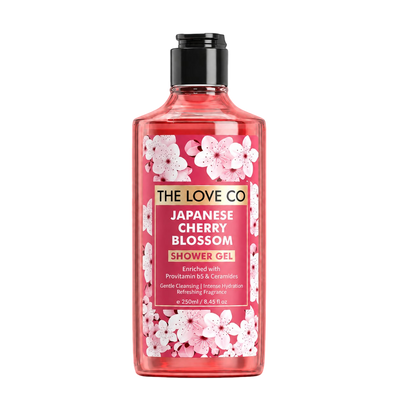
Japanese Cherry Blossom Body Wash
Scent Trail Step 1 · soft floral body wash Start the Scent Trail here. A pH 5.5, SLS-free cleanser that protects your skin barrier while it washes —...
A ritual is the smallest love you give yourself, daily.
— Meher Kapoor · 08 May 2026