Most people exfoliate occasionally, when they remember, without thinking about why or what it affects.
In a fragrance-led body care routine, exfoliation is not optional maintenance. It's the step that determines how well everything else works.
Why Exfoliation Matters for Fragrance
The outermost layer of the skin (the stratum corneum) is made up of dead, keratinised cells that are continuously shed and replaced. This layer:
- Is oil-resistant (keratinised cells repel oil-based products)
- Has no blood supply, so it doesn't interact with skin chemistry
- Acts as a physical barrier to anything applied on top of it
When you apply body oil to unexfoliated skin, the oil sits on top of this dead cell layer. Some of it absorbs into the gaps between dead cells, but the penetration is shallow. The fragrance in that oil will last 1–3 hours.
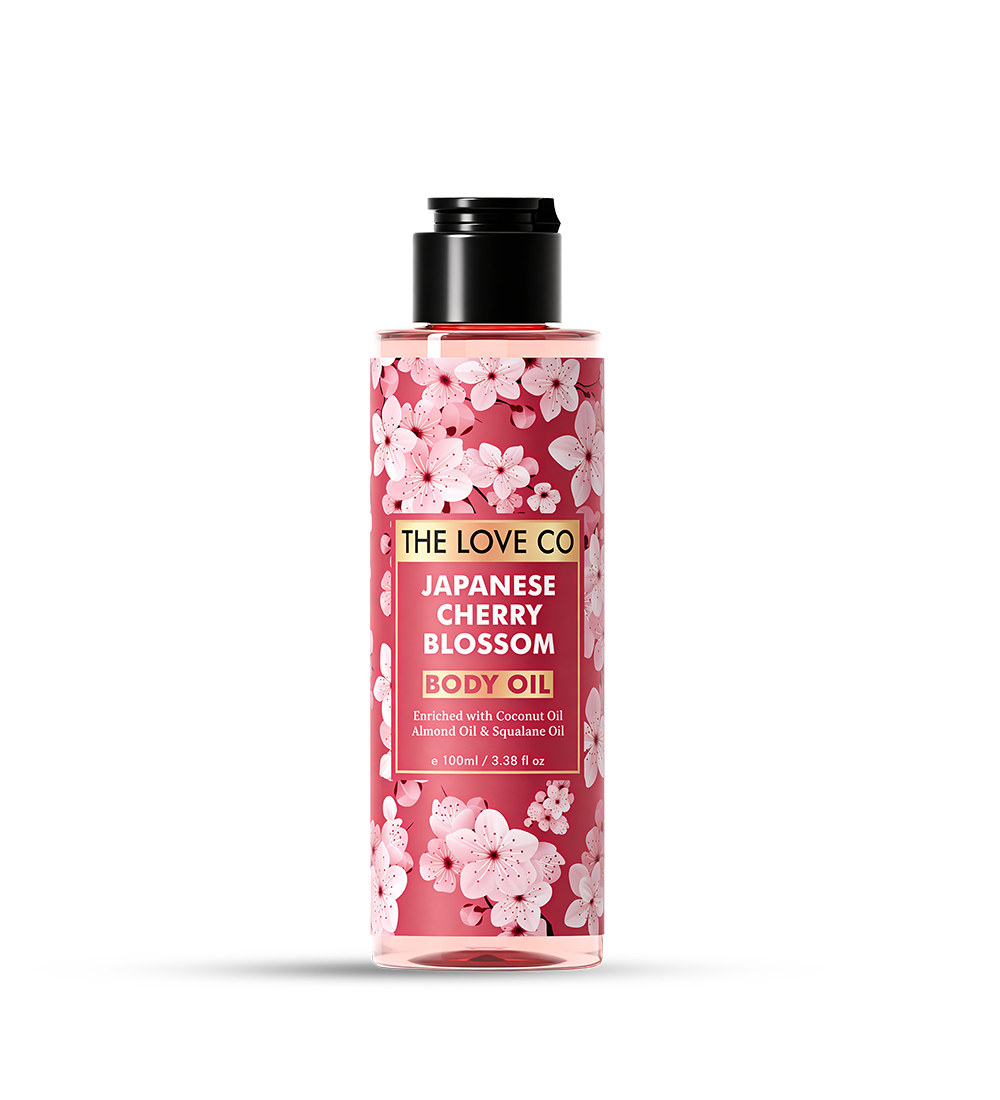
When you apply body oil to freshly exfoliated skin, you've removed the primary barrier layer. The oil reaches the viable epidermis — living skin cells with active biology. Penetration is deeper, absorption is more complete, and fragrance longevity is approximately doubled.
This is not marginal. This is the single highest-impact step for fragrance longevity in a body care routine.
The Correct Method
Frequency: 2–3 times per week. Not daily — over-exfoliation compromises the skin barrier (the acid mantle), causing redness, dryness, and sensitivity. Every other day is the practical maximum. Most people benefit most from Monday-Wednesday-Friday, leaving recovery days in between.
Material: Fine-grain sugar or fine sea salt. Avoid: - Walnut shell powder: The irregular, sharp particles cause micro-tears in the skin. This is not a matter of debate — the cosmetic science community has established this clearly. Despite still appearing in some products, it's the wrong material for skin. - Very coarse salt: Effective but harsh. Better for feet (thicker skin) than body. - Plastic microbeads: Banned in many countries for environmental reasons. Also superficial in effect.
Sugar and fine sea salt are the right tools. They dissolve as you work, which prevents over-abrasion.
How to apply: 1. In the shower, after your body wash. 2. Apply exfoliator to damp (not soaking wet) skin. 3. Work in circular motions, firm but not aggressive. 4. Start from the ankles and work upward — toward the lymph nodes. This direction supports natural lymphatic drainage. 5. Pay particular attention to: elbows, knees, inner arms, back of heels — areas where dead skin accumulates fastest. 6. Rinse thoroughly. 7. Apply body oil immediately — within 60 seconds. The exfoliated skin is at peak permeability right now.
Pressure: Medium. You should feel friction but no pain. If skin is red after exfoliation, you've been too aggressive. Reduce pressure on the next session.
Exfoliation and Fragrance: The Connection
The specific benefit to fragrance is this: the freshly exfoliated skin surface has significantly higher permeability for the next 15–20 minutes. This is the optimal window for body oil application.
Aromatic compounds in a well-formulated body oil (santalol from Mysore sandalwood, phenylethyl alcohol from Kannauj rose, khusimol from Tamil Nadu vetiver) penetrate into the viable epidermis during this window. Once there, they bond with the skin's natural oils and are released slowly through the day.
Fragrance that would last 2 hours on unexfoliated skin lasts 6–8 hours on freshly exfoliated skin with proper body oil application.
This is why the exfoliator is part of the Cleanse Ritual — not as an optional add-on, but as a functional step that determines the performance of everything that follows.
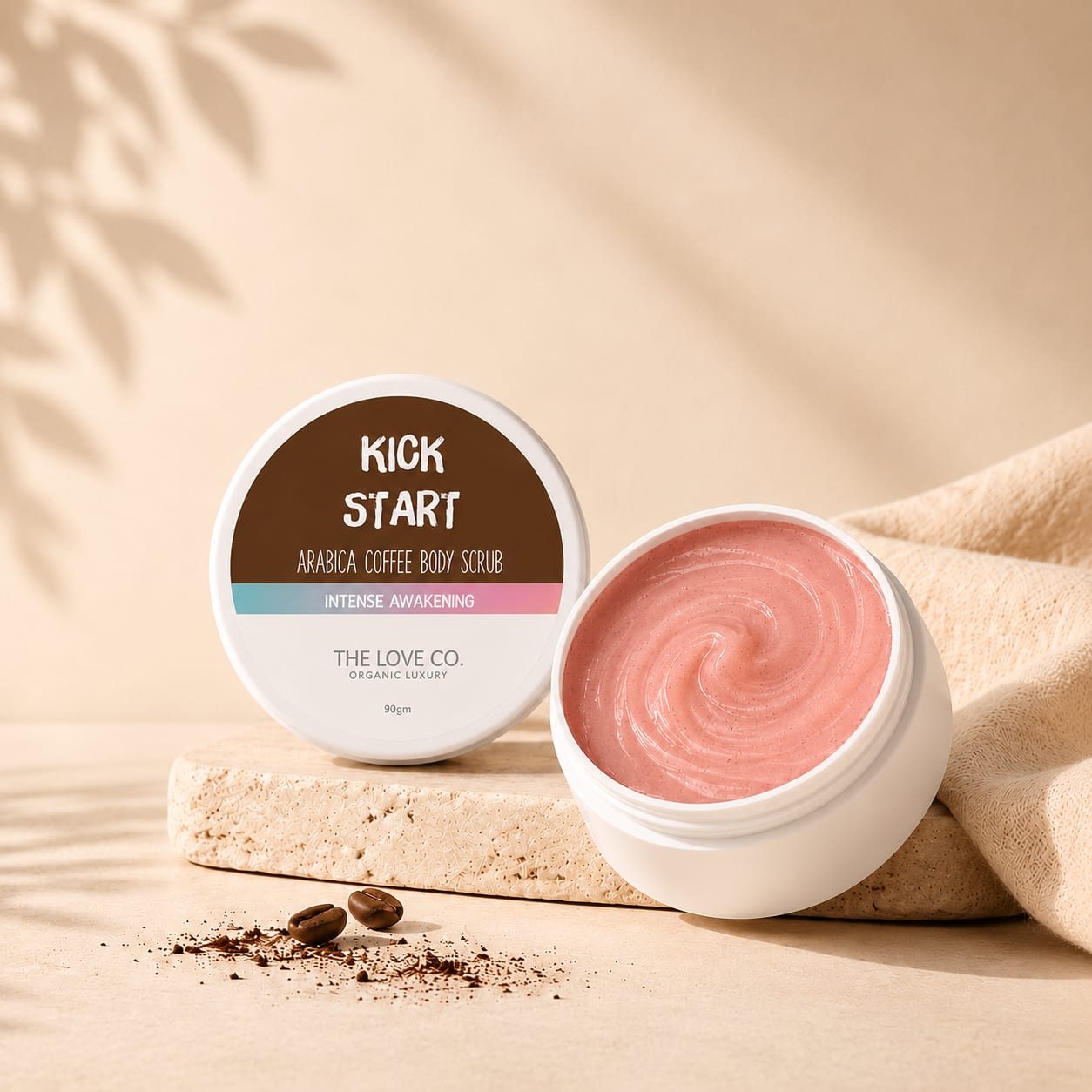
The Love Co body exfoliator is formulated for the Cleanse Ritual — preparing skin for maximum fragrance absorption from body oil and body lotion.
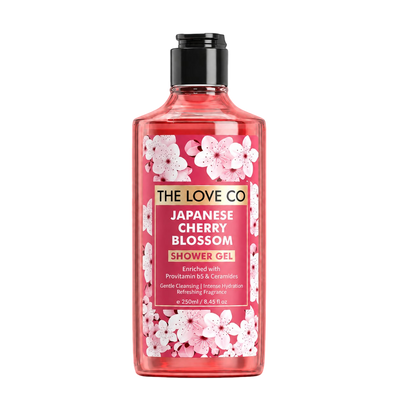
Japanese Cherry Blossom Body Wash
Scent Trail Step 1 · soft floral body wash Start the Scent Trail here. A pH 5.5, SLS-free cleanser that protects your skin barrier while it washes —...
A ritual is the smallest love you give yourself, daily.
— Hemang Jain · 19 May 2026