



In a premium Dubai perfumery, a salesperson will describe the oud as "from Assam," the sandalwood as "Mysore quality," the rose as "from Kannauj."
They know the provenance. They just don't often say "India."
Oud: The Assam Connection
Agarwood (oud) is formed in Aquilaria trees when they become infected with a specific mold (Phialophora parasitica). In response, the tree produces a dense, dark, aromatic resin — protecting the infected area. This resin is the oud.
Aquilaria grows in Assam (India), Bangladesh, Southeast Asia (Vietnam, Cambodia, Laos, Borneo). Indian Assam oud is considered among the finest: rich, complex, smoky-balsamic with a specific barnyard warmth (animalic) that the Southeast Asian varieties lack.
The Arab world's relationship with Indian oud is documented in texts going back to the 7th century. Hadith narrations reference oud for incense and medical use; the trade routes that brought oud from Assam to Arabia were among the earliest and most profitable in the ancient world.
Today, wild Assam oud is critically endangered (the trees have been over-harvested). What reaches the market is plantation-grown or increasingly synthetic. Genuine wild Assam oud commands prices of ₹20–50 lakh per kilogram — among the most expensive natural materials in commercial existence.
Sandalwood: Mysore to the Gulf
Karnataka's sandalwood reached the Arab world via the same maritime trade routes as spices and textiles. The port of Kozhikode (Calicut) on the Malabar coast was the primary export point.
Arabian documentation of Indian sandalwood (written as sandal or sandros in Arab texts) appears consistently from the 9th century onward. Al-Biruni's 11th-century encyclopaedia of India (Kitab al-Hind) includes specific mention of sandalwood cultivation and trade from the Deccan region.
The Omani perfumery tradition — which still uses sandalwood as a primary base material in traditional bakhoor (incense) and perfume compositions — traces directly to this historical import relationship.
When an Emirati perfumer selects Mysore sandalwood for a contemporary fragrance, they are following a supply chain that has been running for over 1,000 years.
Rose: The Persian-Indian Axis
The rose of perfumery — Rosa damascena — has a complex origin story. It's named "Damask" after Damascus, Syria. But the genetic origin of the damask rose is an ancient cross that includes the North African rosa gallica and possibly Indian rose varieties.
More importantly: by the time Rosa damascena cultivation became a significant industry, the Kannauj region of Uttar Pradesh was its most important growing area in the world — not the Middle East, not Bulgaria.
Persian rose water and rose oil reached the Arab world from multiple sources, but Indian attar (captured in sandalwood, making it stable for long-distance trade) was the premium product. Arab merchants specifically sought Kannauj attar. The Mughal-era trade in rose attar with the Ottoman Empire and Persian courts is historically documented.
Today, every major Middle Eastern perfume house — Ajmal, Rasasi, Abdul Samad Al Qurashi, Amouage — sources Indian rose absolute as part of their premium formulations.
The India Brand Gap
The ingredients are Indian. The knowledge is Indian. The historical trade relationship is 2,000 years old.
The brand narrative has belonged to Arab perfumers and European retailers.
For an Indian brand — The Love Co — to enter the Middle Eastern market with Kannauj rose, Mysore sandalwood, and Tamil Nadu vetiver is not expansion. It is homecoming.
The ingredients have been there for centuries.
The Indian brand story is arriving late.
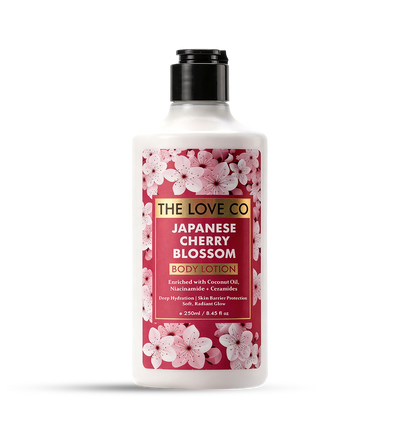
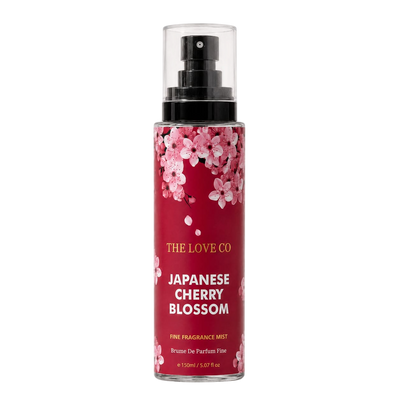
The Love Co is India's first fragrance-led body care brand, built on the ingredients that have always been the heart of the Middle Eastern fragrance tradition.
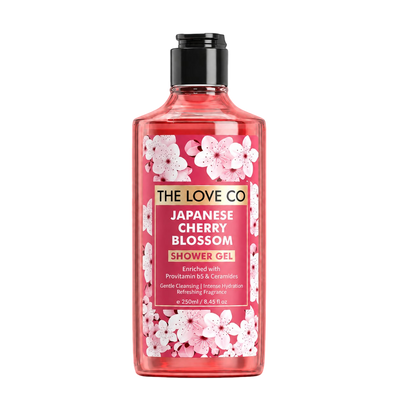
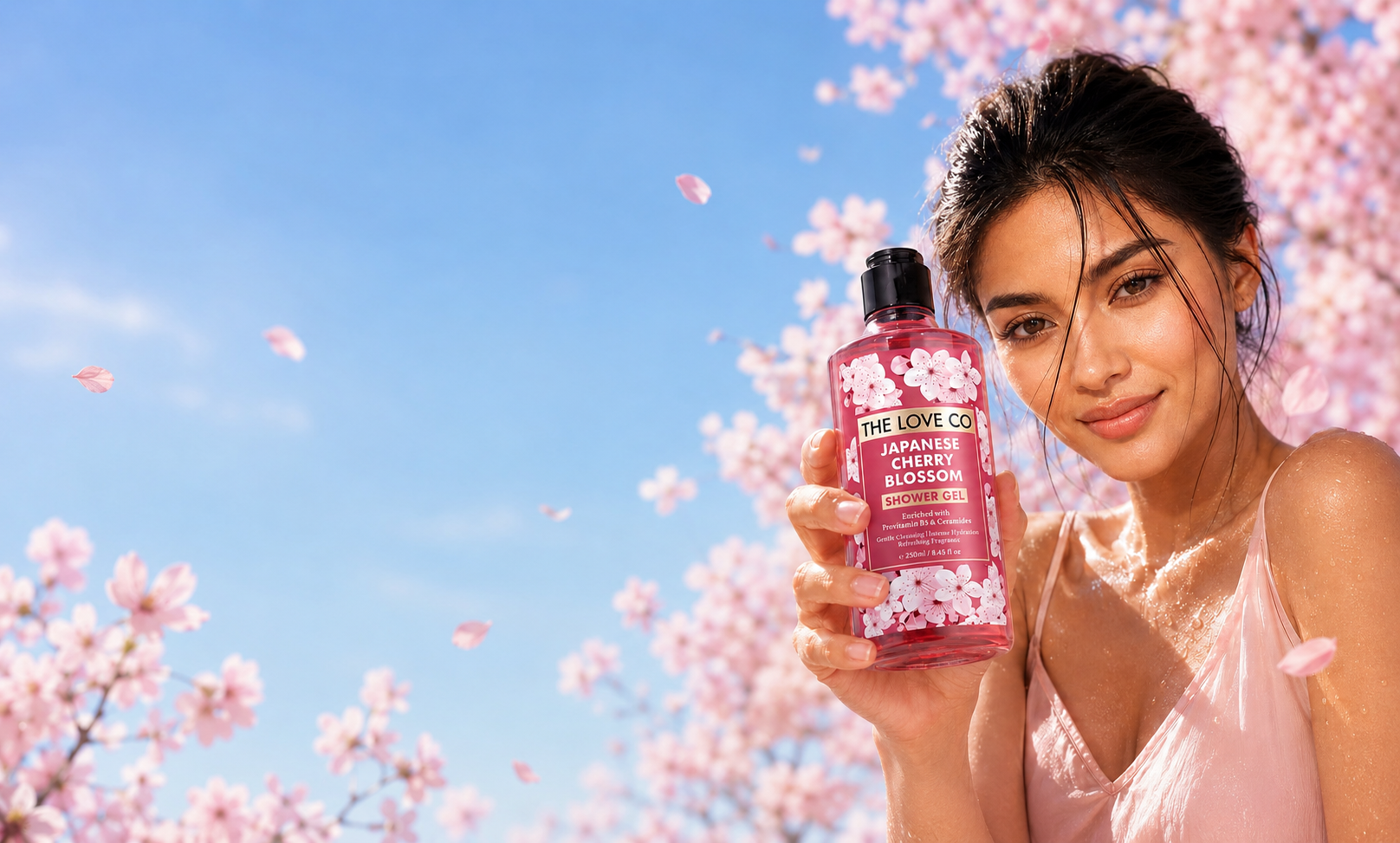
Japanese Cherry Blossom Body Wash
Scent Trail Step 1 · soft floral body wash Start the Scent Trail here. A pH 5.5, SLS-free cleanser that protects your skin barrier while it washes —...
A ritual is the smallest love you give yourself, daily.
— Hemang Jain · 19 May 2026