
The attar shop has a specific smell before you enter it.
It comes through the walls. Sandalwood base note, warm and slightly sweet, mixed with floral top notes — rose, jasmine, sometimes kewra — and underneath everything, the slightly musty sweetness of very old wood soaked in oil from decades of proximity to fragrance.
The interior is small: usually a single room or a portion of a room, with shelves of small crystal or glass bottles, stoppered with tiny glass rods, backlit so the amber and gold and near-black oils catch the light. Behind the counter, the attarwala — often a man who has been doing this for thirty years — who knows every bottle's content without reading a label.
The Kannauj Supply Chain
Most serious Indian attar shops — particularly in Lucknow, Delhi's Chandni Chowk, and the old city areas of Hyderabad and Kolkata — source from Kannauj.
Kannauj's distilleries produce attar through the deg-bhapka system: a copper still (deg) connected via a bamboo pipe to a receiver (bhapka) submerged in water. Steam carries aromatic compounds from the plant material — rose petals, jasmine, vetiver root, mitti earth — into the receiver, where they are absorbed by a sandalwood oil base.
The process is slow. High-quality Kannauj rose attar requires enormous quantities of petals — roughly 40–50 kg of petals to produce 10 ml of oil — distilled over several hours. The cost per gram reflects this.
The resulting oil is then transported to retailers, who dispense it in small crystal bottles — often 1–3 ml for higher-end varieties. The bottles are sealed with natural wax.
The Experience of Buying Attar
The attar-buying process is a specific ritual.
The attarwala applies a small amount to the back of your hand or the inside of your wrist with the glass rod, and you wait. Not thirty seconds — several minutes. The smell changes as it warms: the lighter compounds evaporate first, then the heart note emerges, then the base. The attarwala will tell you what you're smelling and when.
You might smell five or six attars this way. Each application is a small commitment — you're wearing it for at least an hour, and the combinations from multiple test applications create an accidental composition on your skin.
Good attarwalas do not oversell. They ask what you want to feel, when you'll wear it, what you want to leave behind. They make suggestions based on accumulated knowledge of how specific customers' skin chemistry interacts with specific ingredients.
This is fragrance personalisation practiced empirically for centuries, before the word existed.
Why This World Is Disappearing
The attar shop is under pressure from multiple directions:
Mass-market perfume: International fragrance brands entered India at scale. Many younger consumers encounter fragrance first through Zara, Bath & Body Works, or local EDT brands rather than through attarwalas.
Cost: Genuine Kannauj attars — particularly rose absolute and oud — have become expensive as raw material costs rise. Price-sensitive buyers shift to synthetic alternatives.
Urban retail change: Traditional market areas where attar shops cluster are being redeveloped. The small, specialised, fragrance-dedicated retail format doesn't survive modern mall architecture.
The shops that remain are often second or third generation, running on relationships — family connections to Kannauj distillers, customer relationships that span decades.
What They Preserve
These shops are living repositories of India's 5,000-year fragrance history. The knowledge held by a skilled attarwala — ingredient provenance, quality assessment, blending principles, seasonal application — represents an unbroken tradition of fragrance expertise that no laboratory has fully documented.
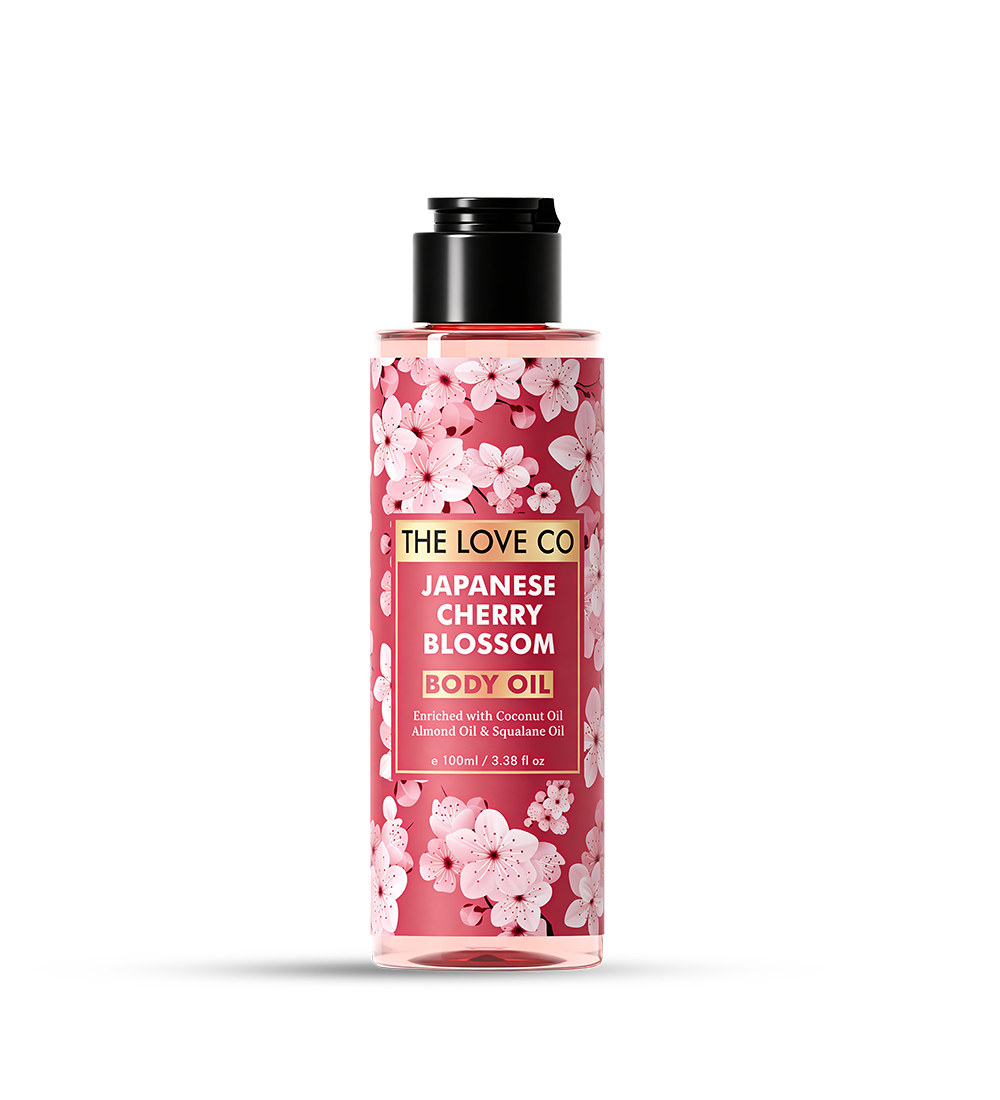
When TLC sources Kannauj rose and Mysore sandalwood, it is drawing from this same supply chain that the attar shops know intimately. The ingredients are the same. The knowledge informing their selection is the same. Only the delivery format has changed.
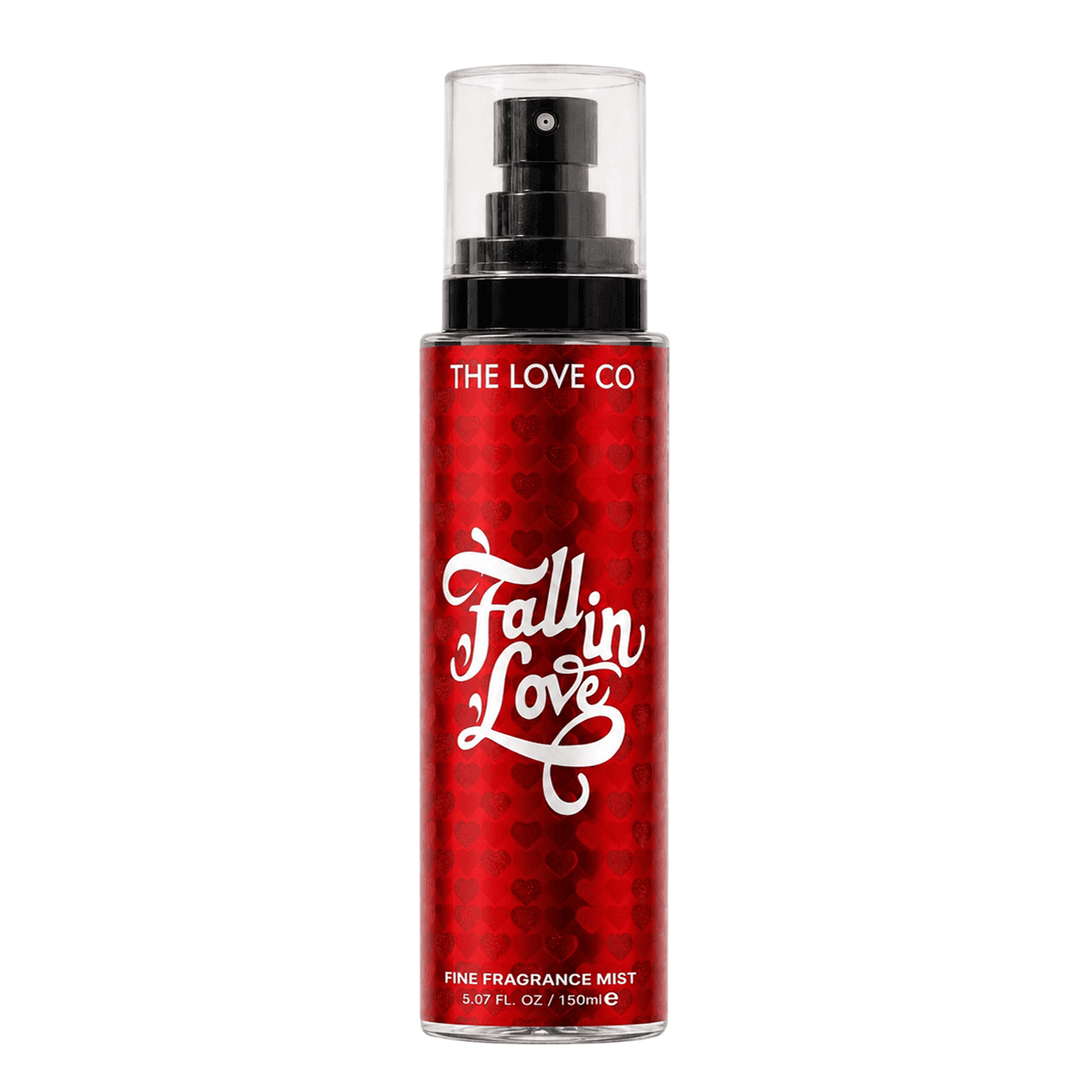
The Love Co is India's first fragrance-led body care brand — built on Kannauj's attar tradition, translated into contemporary body care.
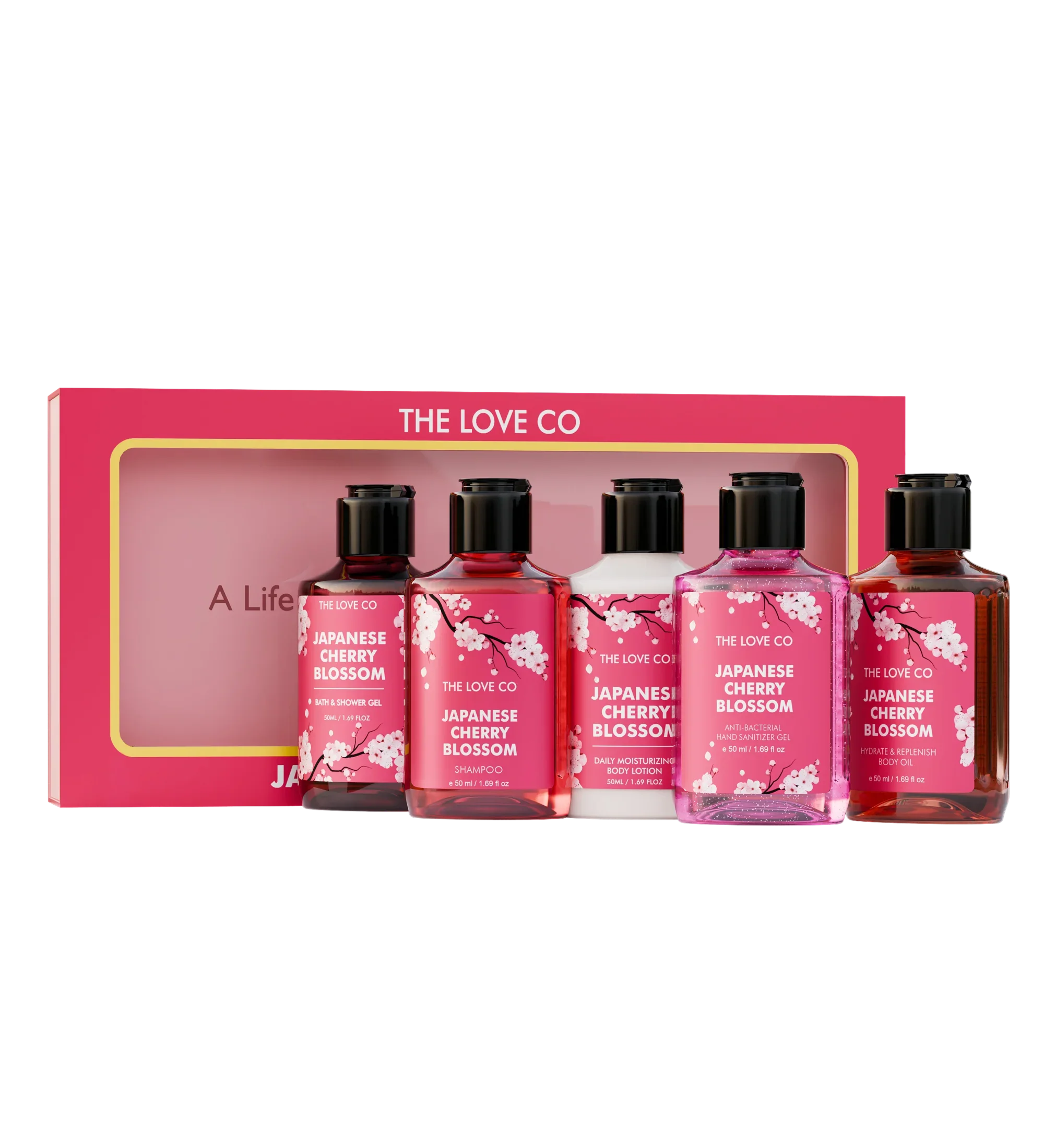
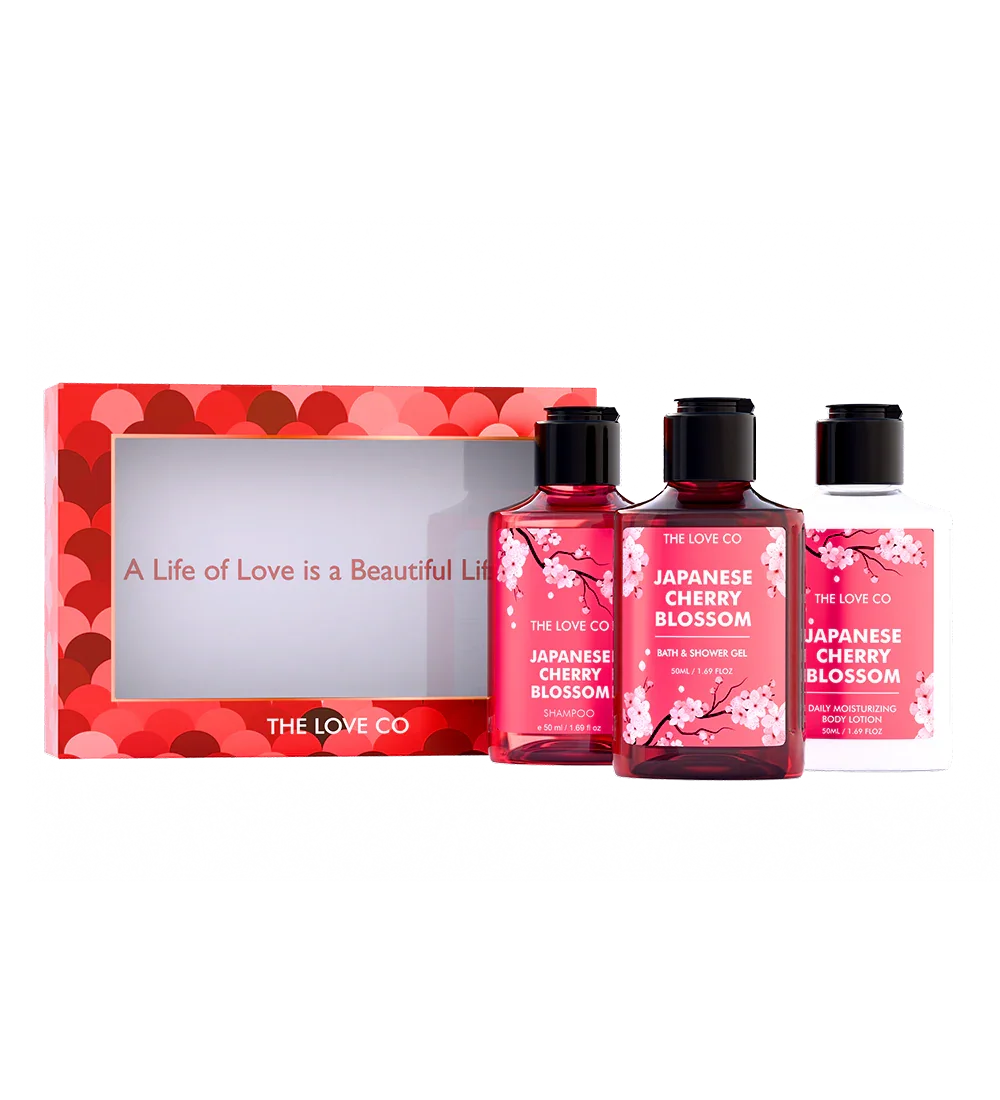
Japanese Cherry Blossom Body Wash
Scent Trail Step 1 · soft floral body wash Start the Scent Trail here. A pH 5.5, SLS-free cleanser that protects your skin barrier while it washes —...
A ritual is the smallest love you give yourself, daily.
— Hemang Jain · 20 May 2026