









There are approximately 32 million Indians living outside India. They adapt to new climates, new foods, new languages. But many carry something specific with them: a fragrance vocabulary that remains resolutely Indian.
The jasmine-scented hair oil. The agarbatti burned at home. The sandalwood in body care. The specific smell of ingredients sourced from Indian grocery stores that are more expensive abroad and harder to find, but sought out anyway.
This is not sentiment. It is olfactory memory working as designed.
Why Diaspora Fragrance Behavior Is Different
Indians abroad do something interesting with fragrance: they maintain it more deliberately than they maintained it at home.
In India, the smells of jasmine, sandalwood, and incense are ambient — they're in the environment, on the street, in neighbours' homes, available without effort. Abroad, they require deliberate action: finding the right store, ordering from India, using fragrance products specifically because they smell like home.
This deliberateness means the fragrance carries more intentional identity weight abroad than it did at home. It becomes a cultural statement rather than a default.
The Homesickness Mechanism
Olfactory memory research establishes that smell-triggered memories are the most emotionally intense and the most prone to producing the feeling of "being there."
For the diaspora, the smell of Indian ingredients does not just remind them of home. It briefly produces the felt sense of home — the temperature, the specific quality of light, the presence of family — in a way that photographs or music cannot.
This is why diaspora communities maintain fragrance traditions with such persistence. The smell of agarbatti or mitti attar is not just nostalgia for India. It is the most direct available route back to the felt experience of being there.
Fragrance as Identity Maintenance
For second-generation Indians — born abroad but raised in Indian households — fragrance plays a specific identity role. The smell of the household: puja incense, jasmine in oil, sandalwood in body care, Indian cooking — creates an Indian olfactory archive even in a non-Indian environment.
The child who grows up in Leicester or Toronto or Dubai in an Indian household carries an Indian childhood smell memory that is indistinguishable, at the neurological level, from a child who grew up in Mumbai or Delhi.
Fragrance is the most portable form of cultural transmission. It travels across borders without documentation.
The Market Gap This Creates
The Indian diaspora is one of the highest-income diaspora communities globally. They maintain strong purchasing power, strong cultural identity, and a specific, documented preference for Indian fragrance ingredients.
But the global fragrance market, until recently, has served them with Western fragrance or with Indian fragrance products that are low-quality or unavailable internationally.
Indian fragrance-led body care built on genuine Kannauj rose, Mysore sandalwood, and Tamil Nadu vetiver — at a quality level appropriate for a high-income, culturally sophisticated consumer — fills a gap that has been underserved for decades.
The diaspora doesn't just want to smell Indian. They want a product that is actually good enough to be proud of — that they can give to non-Indian friends and colleagues as a statement of Indian quality.
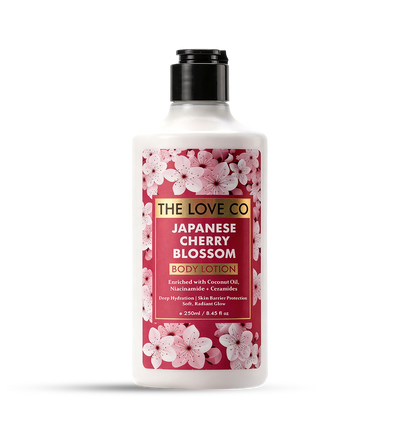
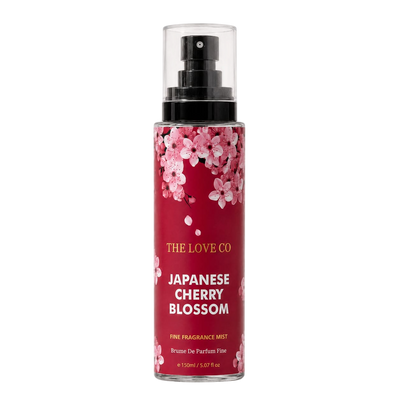
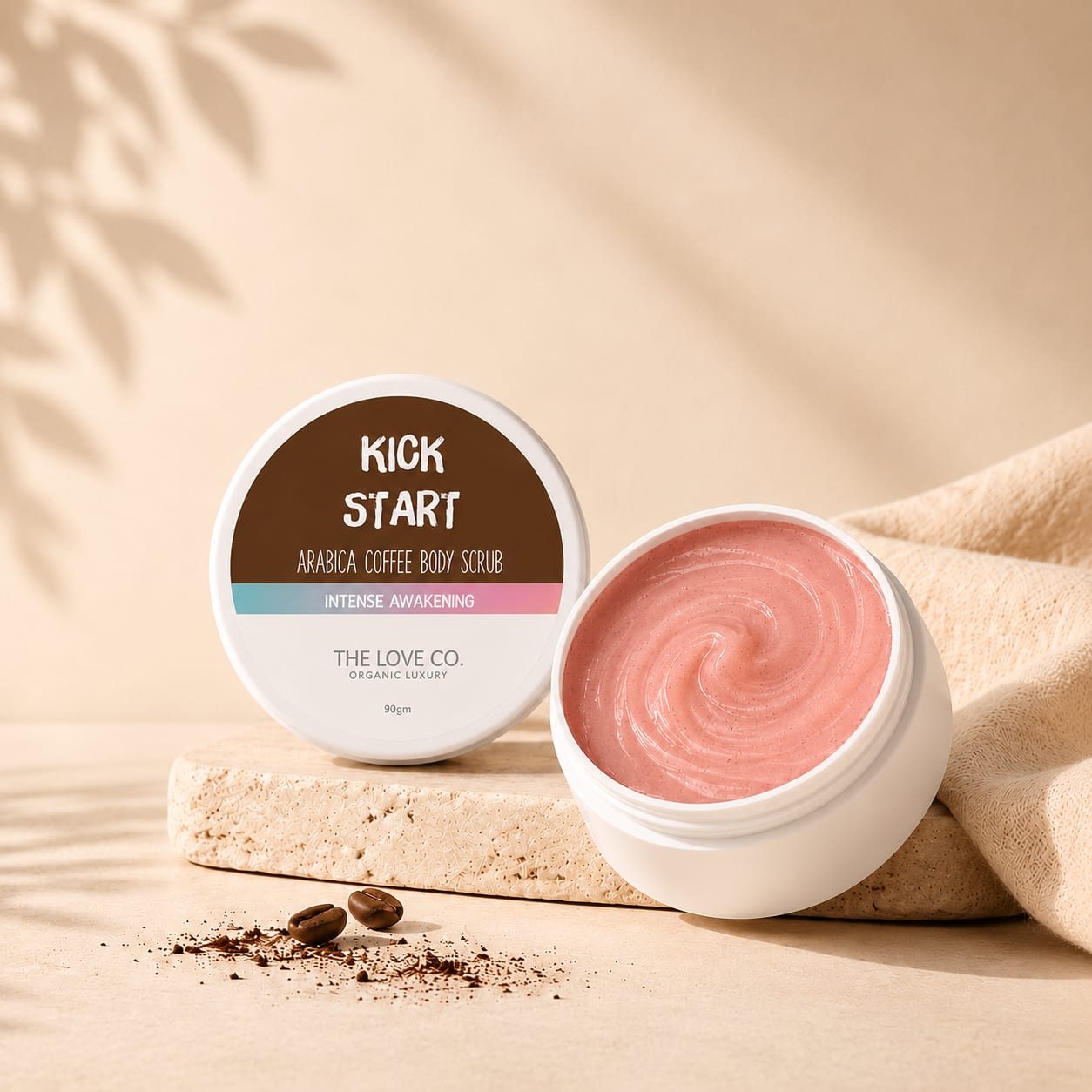
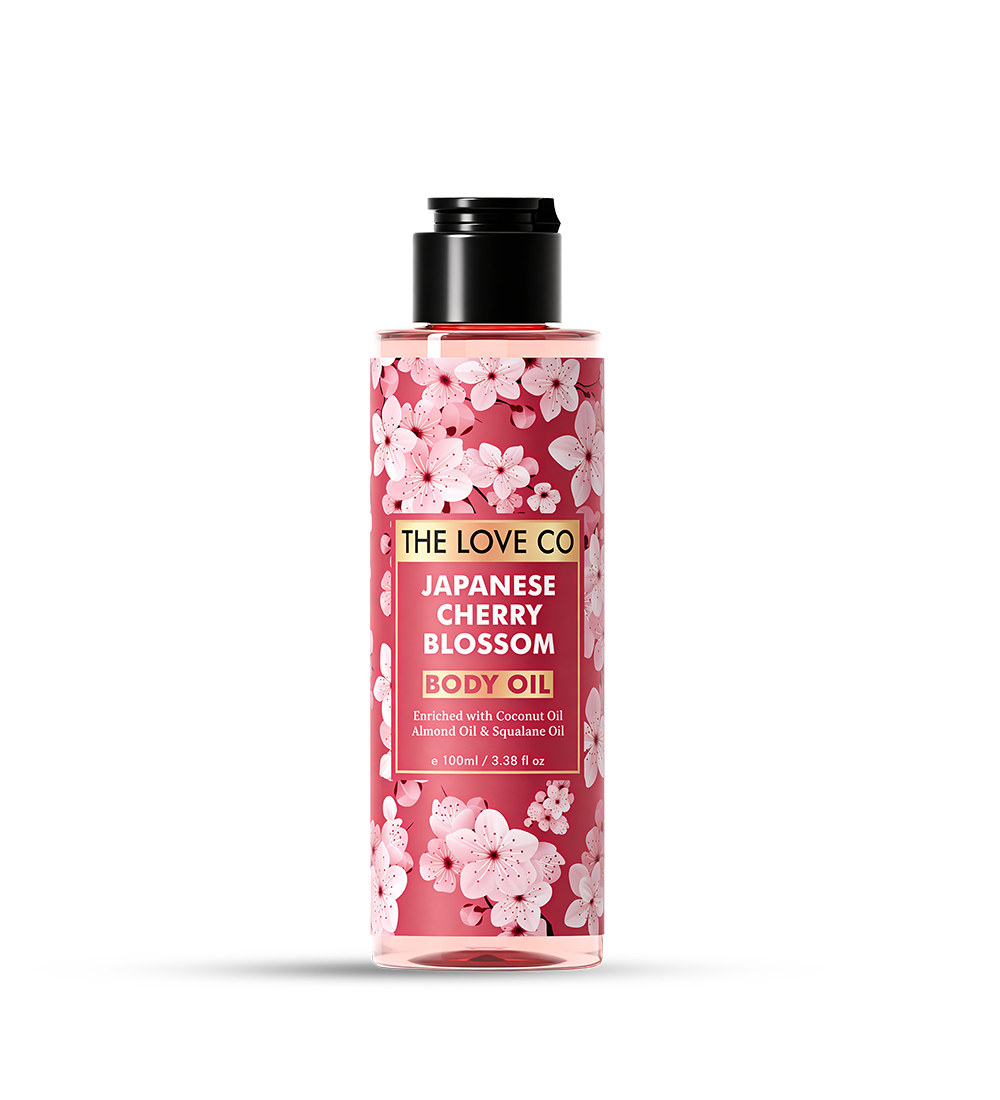
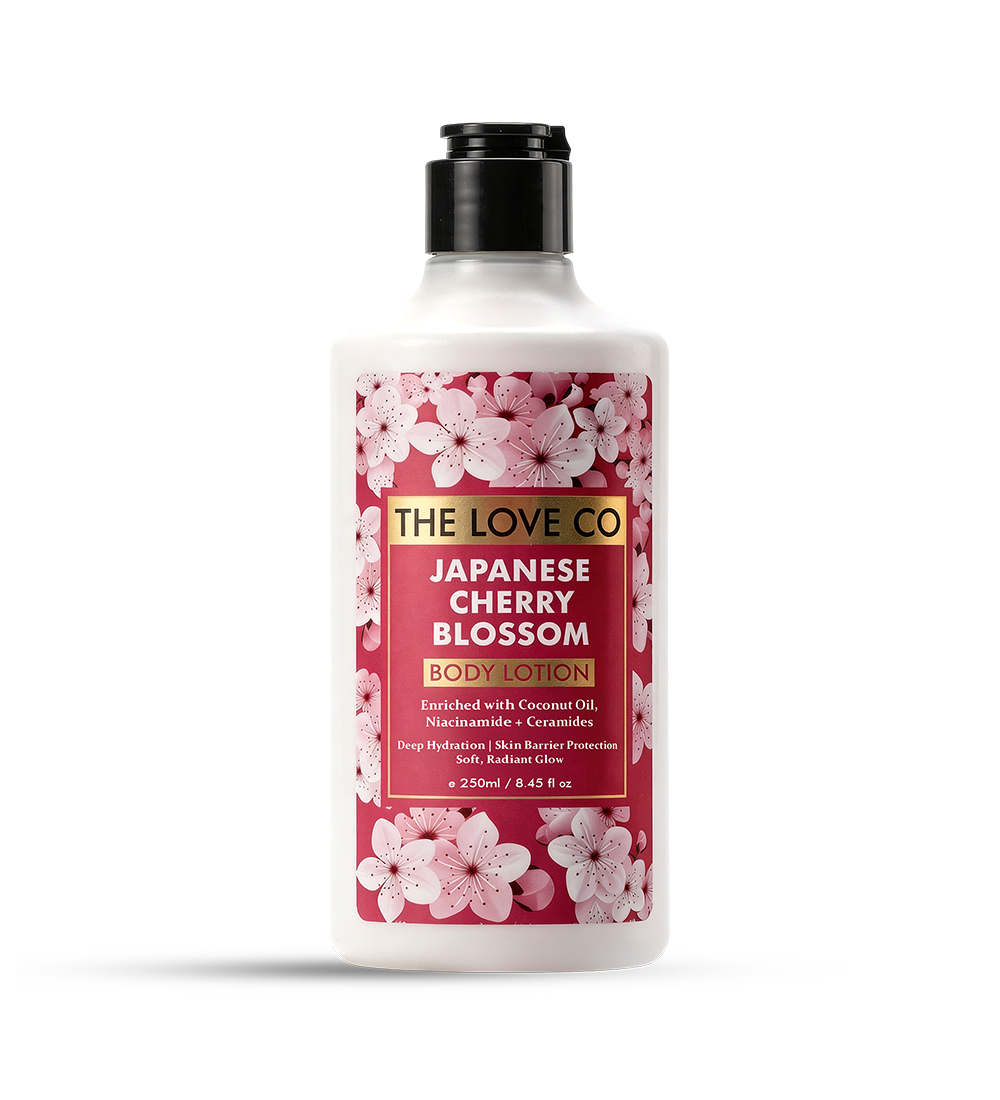
The Love Co is India's first fragrance-led body care brand — built for Indian skin, wherever in the world it is.

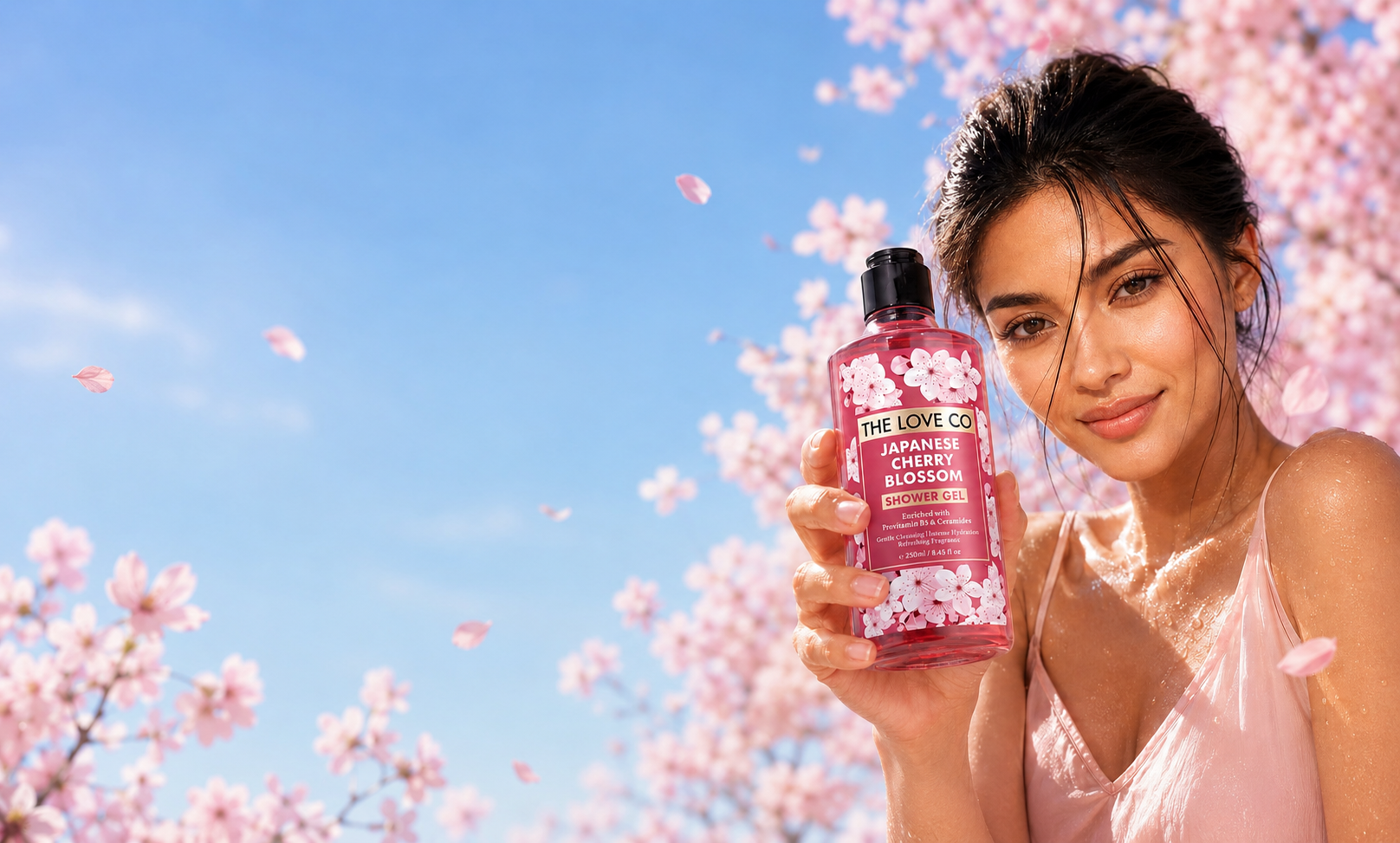
Japanese Cherry Blossom Body Wash
Scent Trail Step 1 · soft floral body wash Start the Scent Trail here. A pH 5.5, SLS-free cleanser that protects your skin barrier while it washes —...
A ritual is the smallest love you give yourself, daily.
— Hemang Jain · 20 May 2026