










Every culture expresses itself through fragrance. The question is whether anyone is listening.
French perfumery is a statement about refinement, lightness, and the aestheticisation of pleasure. Middle Eastern oud is a statement about wealth, tradition, and the sacred weight of ancient trade routes.
Indian fragrance is a statement about something older and less frequently articulated: the civilisational relationship between the body, the earth, and the sacred.
What India Chose
The three ingredients that define Indian fragrance tradition are not random. They are specific choices made over millennia by a civilisation that was thinking carefully about what fragrance is for.
Sandalwood: Cooling, grounding, long-lasting. A fixative that holds other things in place. In a hot country with a contemplative spiritual tradition, sandalwood is the smell of stability, of the mind that doesn't move with every disturbance. Mysore sandalwood — Santalum album — was available only in India, and India kept and refined it.
Rose: The most emotionally resonant of florals, warm and honeyed rather than fresh and light. Kannauj rose is warmer and more complex than Bulgarian rose — it evolved for Indian sensibility, in Indian soil. The rose of Indian perfumery is a statement about warmth over freshness, depth over lightness.
Vetiver: Earthy, grounding, cooling. A root fragrance, from below the surface. Tamil Nadu vetiver — khus — grows in the specific soil and climate of South India and produces an oil that is literally of the earth. India chose an earth-derived ingredient as one of its primary fragrance materials. This is not accidental.
The Values These Ingredients Encode
The three Indian fragrance pillars encode a consistent set of values:
Permanence over novelty: All three are base notes — they last on skin for hours, even days. Indian fragrance tradition did not develop around the ephemeral top note. It developed around what stays.
Depth over brightness: None of the three are light, fresh, or citrus-adjacent. They are warm, heavy, earth-rooted. Indian aesthetic tradition has consistently valued depth and complexity over surface brightness.
Nature over synthesis: These ingredients come from specific places — Mysore, Kannauj, Tamil Nadu. They cannot be perfectly synthesised. They carry provenance. Indian fragrance culture built its identity around ingredients that are irreducibly real.
What This Says About India
A civilisation that builds its fragrance identity around permanence, depth, and nature is not making an aesthetic choice. It is making a philosophical one.
The 5,000-year Indian perfume history is not merely a tradition of pleasant smells. It is a tradition of fragrance as a vehicle for something larger: for the sacred, for the preserved, for the real.
When Indian immigrants in London or Toronto or Dubai seek out Kannauj attar, they are not being nostalgic for a product. They are seeking the olfactory confirmation of a cultural identity — the proof, available to the most ancient of the senses, that they know where they come from.
The Gap Between Provenance and Brand
India produces the finest sandalwood, the finest rose, and among the finest vetiver in the world. These ingredients supply French maisons, Middle Eastern perfumers, and global cosmetic brands.
The provenance is Indian. The brand has been mostly French or Gulf.
For an Indian brand to claim these ingredients — to put "Kannauj rose, Mysore sandalwood, Tamil Nadu vetiver" on the label and mean it — is not a marketing decision. It is a cultural act.
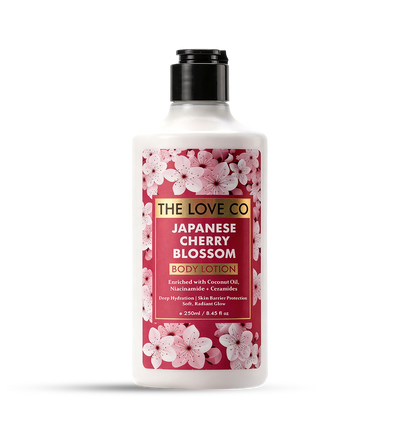
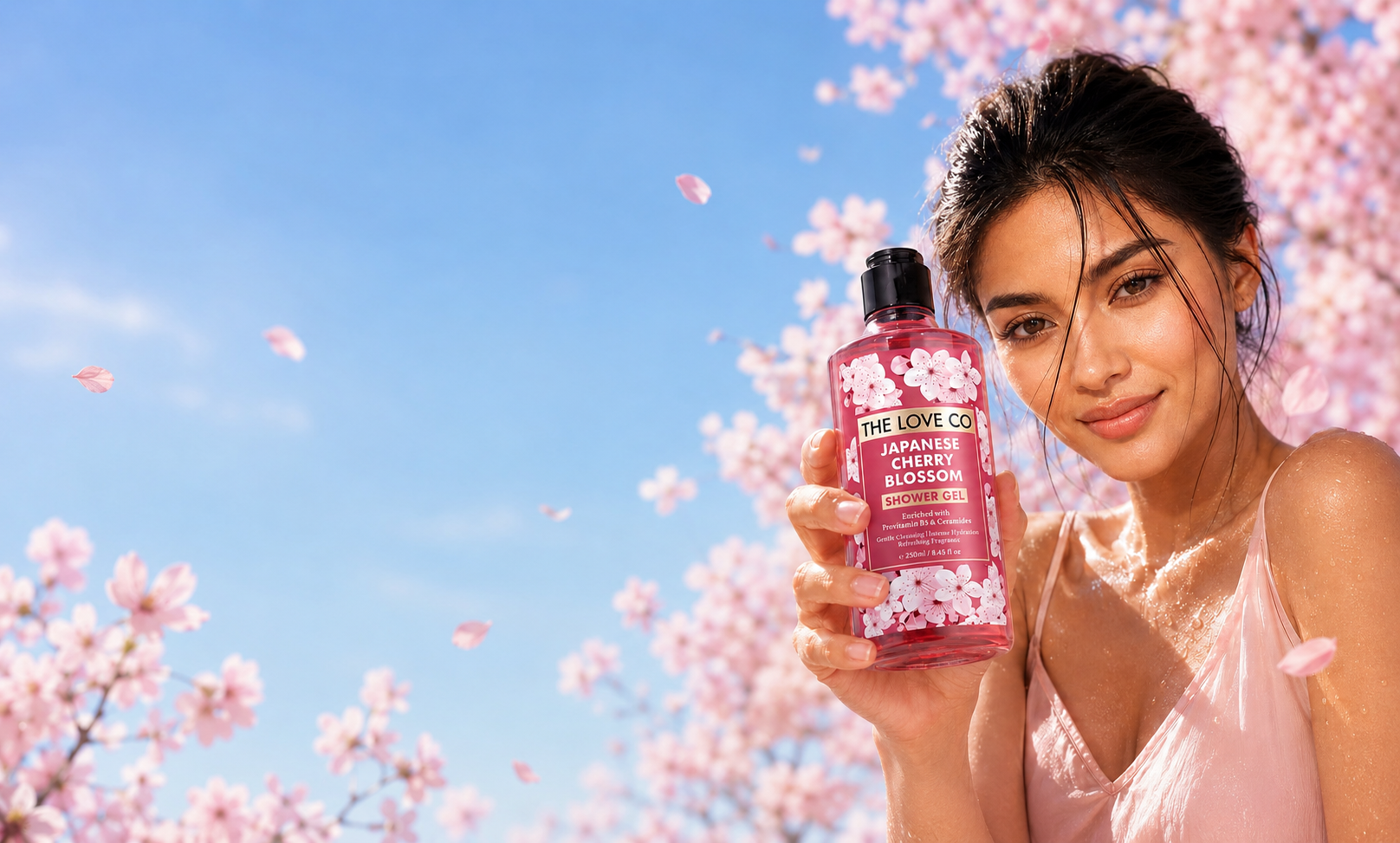
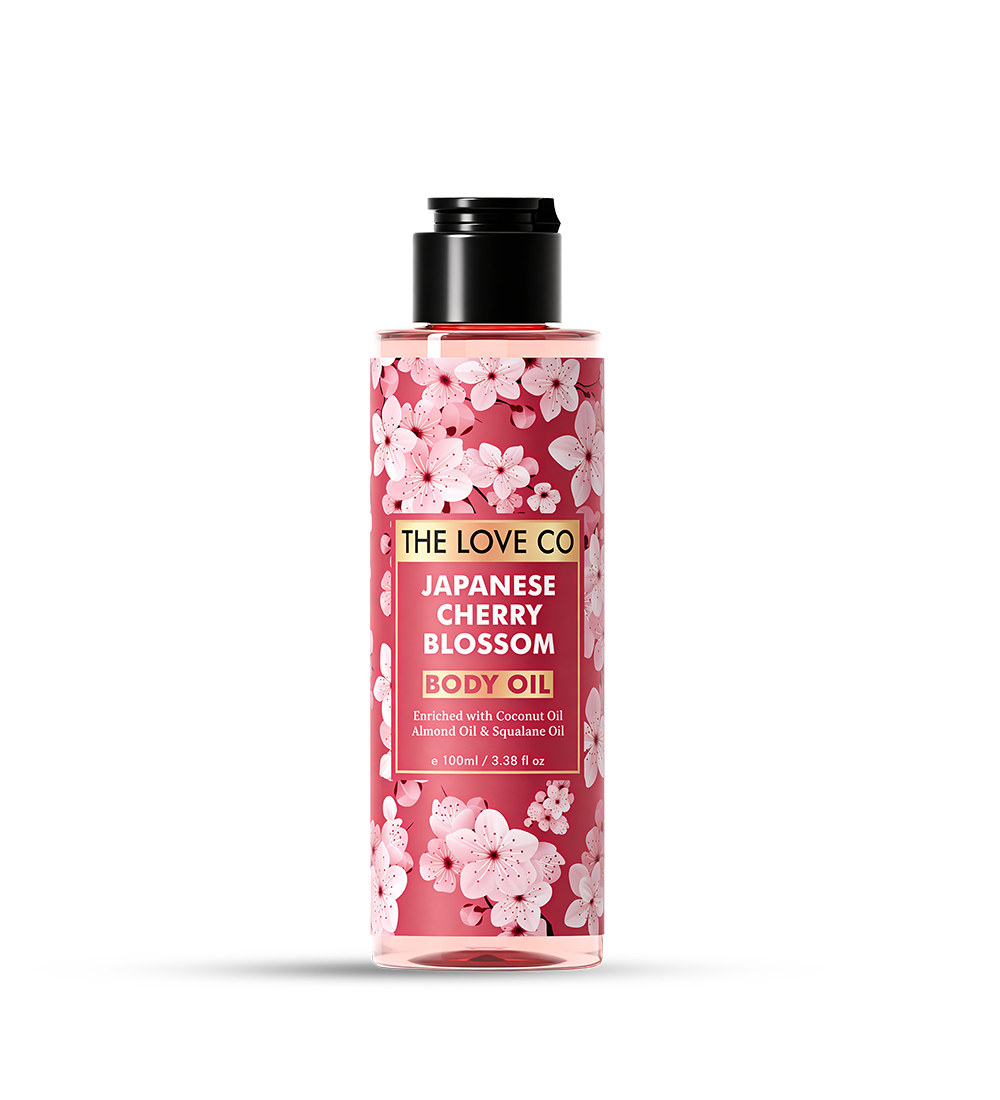
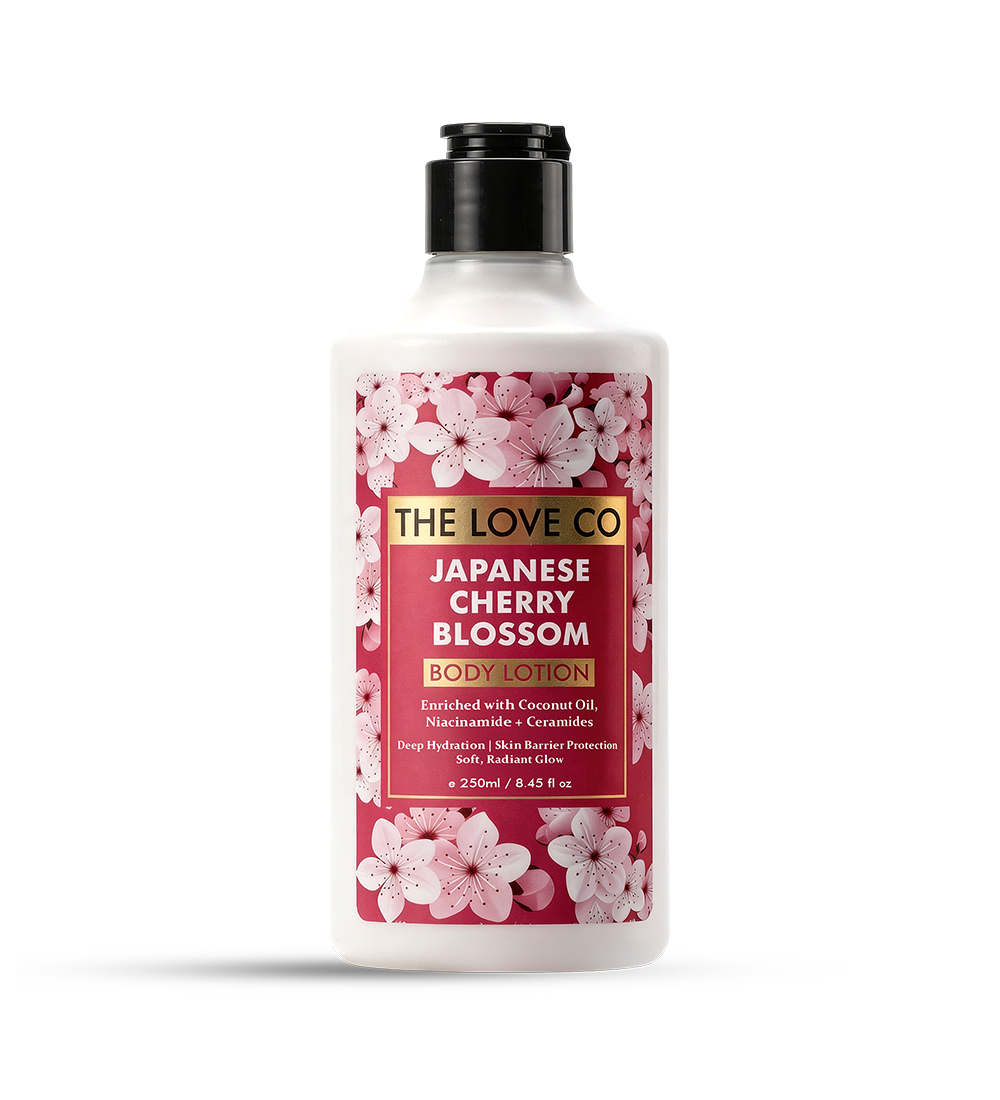
The Love Co is India's first fragrance-led body care brand. Built on Indian ingredients, for Indian skin, with a clear statement about where this civilisation's fragrance tradition belongs.

Japanese Cherry Blossom Body Wash
Scent Trail Step 1 · soft floral body wash Start the Scent Trail here. A pH 5.5, SLS-free cleanser that protects your skin barrier while it washes —...
A ritual is the smallest love you give yourself, daily.
— Hemang Jain · 20 May 2026