



Why Indian Geographic Ingredients Are the Future of Luxury Body Care
The global luxury body care market is having an identity crisis. On one side: heritage European brands offering decades of prestige but formulaic sameness. On the other: a wave of clean brands offering transparency but rarely depth. The middle ground — products with genuine provenance, traceable ingredients, authentic heritage, and extraordinary sensory quality — is almost empty.
Almost. Because indian geographic ingredients luxury body care fills that space in a way no other origin on earth can.
The Problem with Generic “Natural”
The question is not whether an ingredient is natural. The question is which natural. Argan oil from Morocco is different from generic argan oil manufactured to commodity standards. Champagne is not simply sparkling wine. Darjeeling tea is not simply tea. Geographic specificity is the qualifier that transforms a commodity ingredient into something irreplaceable.
India's Three Geographic Moat Ingredients
Kannauj Rose: Rosa damascena from Kannauj is grown in a specific microclimate — the alluvial plains of Uttar Pradesh — that produces a fragrance profile unlike Bulgarian, Turkish, or Moroccan Damask rose. More honeyed, more full-bodied, with warmth that comes from 400 years of cultivation knowledge embedded in the families who grow it.
Mysore Sandalwood: Santalum album from Mysore is CITES-protected. It takes 60 years to mature. It is produced under government monopoly. Its santalol concentration is higher than any other sandalwood species. Most global luxury houses cannot access it — not because of cost alone, but because supply is controlled.
Tamil Nadu Vetiver: Vetiver from Tamil Nadu carries the specific earthy-cool-smoky character of red laterite soil and South Indian sun. It is the anchor note that grounds a fragrance, extends its wear, and adds depth that synthetic alternatives lack entirely.
The Sourcing Moat: Why No Global Brand Can Simply Copy This
Kannauj rose requires relationships with attar-making families who operate on generational trust networks. Access is earned over years, not bought. Mysore sandalwood requires navigating a government monopoly with substantial documentation requirements — many global brands simply substitute Australian sandalwood and label it generically. Tamil Nadu premium vetiver requires relationships with specific farming communities and quality evaluation knowledge that cannot be quickly acquired.
An Indian brand with geographic proximity, cultural fluency, and established relationships across these three ingredient origins has a sourcing advantage that cannot be replicated by purchasing a premium tier of supply.
Why Terroir Matters in Body Care
When a plant grows in specific soil under a specific climate, the stresses, minerals, and microclimatic conditions it experiences shape the compounds it produces. The Kannauj rose in a body lotion is a genuinely different ingredient from rose fragrance oil. The Mysore sandalwood in a body oil is a genuinely different ingredient from synthetic sandalwood. The difference is the geography, and it is real and measurable.
The Indian Body Care Brand as Custodian
Luxury, ultimately, is not about price. It is about the depth of story, labour, knowledge, and time embedded in what you hold in your hands. By that definition, body care built on Kannauj rose, Mysore sandalwood, and Tamil Nadu vetiver is not competing for a position in the luxury market. It is defining one.
Read the full heritage context: india fragrance heritage ingredients. The individual stories: kannauj rose, mysore sandalwood, tamil nadu vetiver.
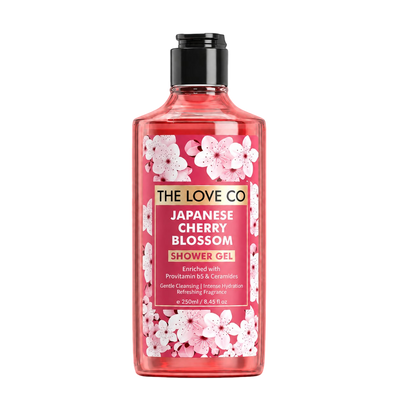
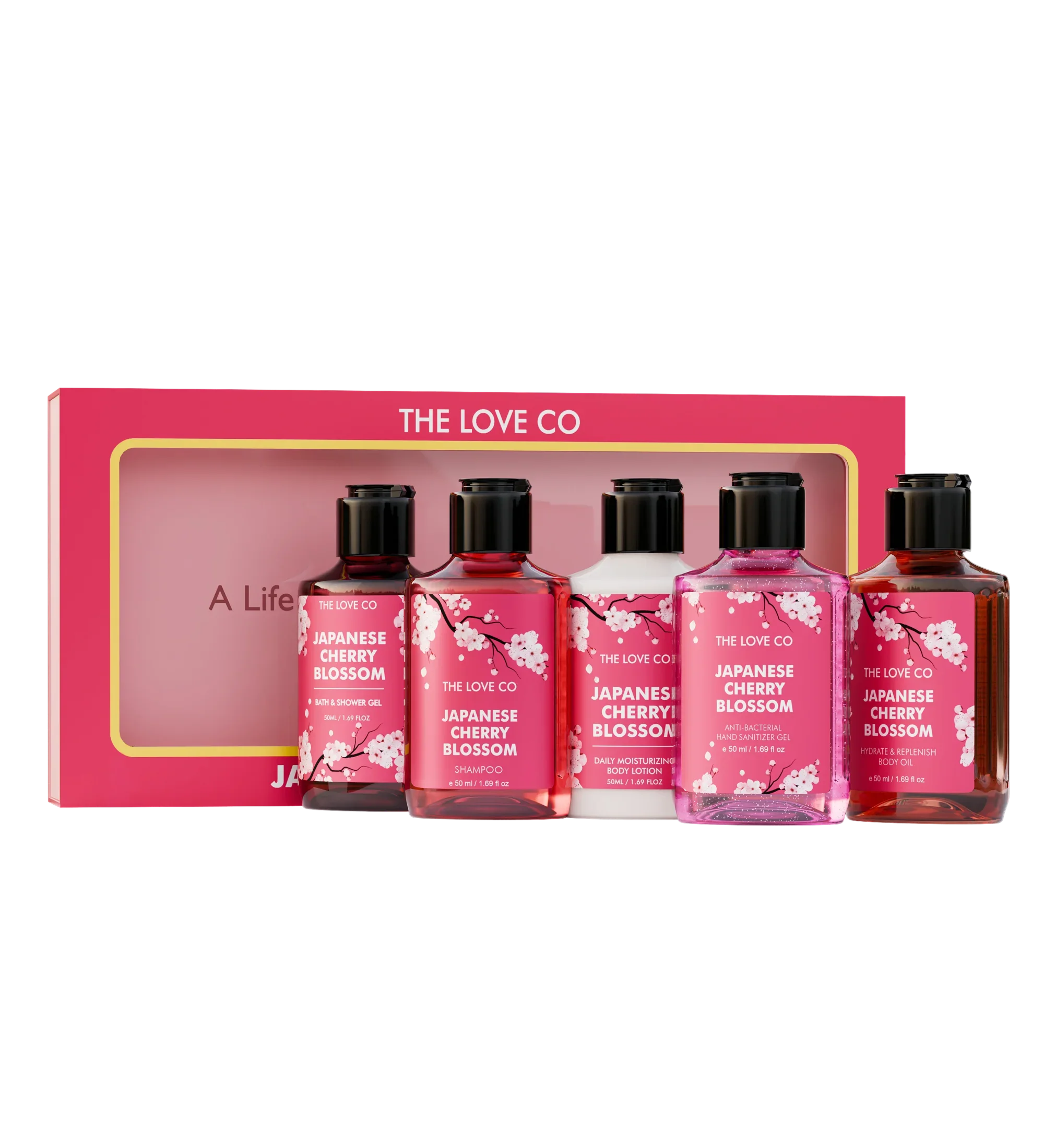
Japanese Cherry Blossom Body Wash
Scent Trail Step 1 · soft floral body wash Start the Scent Trail here. A pH 5.5, SLS-free cleanser that protects your skin barrier while it washes —...
A ritual is the smallest love you give yourself, daily.
— Meher Kapoor · 08 May 2026