



An Indian wedding does not have one smell. It has dozens, in sequence and simultaneously, changing from the pre-dawn mehendi morning to the late-night bidaai.
But there is a core vocabulary — marigold, rose, sandalwood, jasmine, agarbatti, ghee, food — that is consistent across regions, communities, and generations. The smell of an Indian wedding is one of the most universally shared and deeply encoded scent memories in Indian life.
The Wedding Fragrance Timeline
Mehendi ceremony (day or night before): The smell of fresh henna paste — earthy, slightly fermented, slightly sweet — is among the most specific scent memories of Indian wedding tradition. As henna dries, it releases a distinctive warm, hay-like smell. The ceremony also typically includes attar application, jasmine flowers, and the smell of a gathering of many women in close quarters.
Haldi ceremony: Turmeric paste — bright, earthy, slightly bitter — applied to the bride and groom as a ritual preparation and skin treatment. The smell of haldi mixed with rose water, sometimes with sandalwood paste, is the smell of the morning of transformation.
The baraat: The wedding procession with drums, horses, and dense crowds. The outdoor smell — marigold garlands, attar freshly applied, food being prepared nearby, the slight acidity of crowd sweat, the sound and smell of bandwalla bands. The smell is embodied and dense.
The mandap / wedding ceremony: Agarbatti and dhoop burning continuously. Ghee in the sacred fire — the smoke carrying fragrance upward as it has done in Indian rituals since the Vedic period. Fresh flowers in profusion: marigold, rose, jasmine, tuberose. The specific compound smell of sacred fire in an enclosed space is unmistakable.
The food service: Indian wedding food is heavily spiced and aromatic — the kitchen smells of slow-cooked curries, fresh bread, mithai being distributed, rose water-soaked sweets.
The vidaai / bidaai: The farewell ceremony, when the bride leaves. The emotional intensity is maximum. The smell present at this moment — whatever combination of flowers, fragrance, and cooking persists from the wedding — encodes with unusual permanence because of the emotional peak.
Why Wedding Smell Encodes So Deeply
Olfactory memory research establishes that emotionally intense events create the most durable smell memories. Weddings are among the most emotionally intense events in Indian life — joy, grief (at the bride's departure), love, ceremony, family, change.
Every smell present at a wedding encodes with this emotional charge. Rose, marigold, agarbatti, ghee flame — these smells arrive in any subsequent context carrying the full emotional weight of wedding memory.
This is why the smell of fresh marigold garlands can produce acute nostalgia for occasions decades past. Or why the specific combination of sandalwood and rose water triggers a quality of emotion that resists description — it is not sadness and not happiness but the larger thing that contains both.
The Fragrance Ingredients of Indian Weddings
Marigold (genda): Slightly bitter, intensely green-floral, inseparable from Indian celebration. Used in decoration, in garlands, in ritual offerings.
Rose (gulab): Rose water sprinkled on guests; rose petals on the path; rose attar on the groom. The Kannauj rose tradition is specifically connected to wedding ritual — the finest attars reserved for the most significant occasions.
Sandalwood: Present in ritual paste applied to bride and groom, in agarbatti burned throughout, in the fragrance worn by family members who observe traditional practice.
Jasmine/tuberose: The heady, indolic florals used in garlands and gajra — particularly in South Indian and Bengali weddings.
Attar on the groom: Traditional Islamic and Hindu practice of applying attar to the groom before ceremony. The specific attar used becomes permanently associated with the wedding day memory for everyone present.
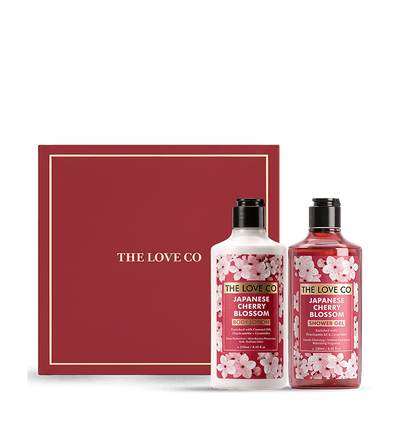
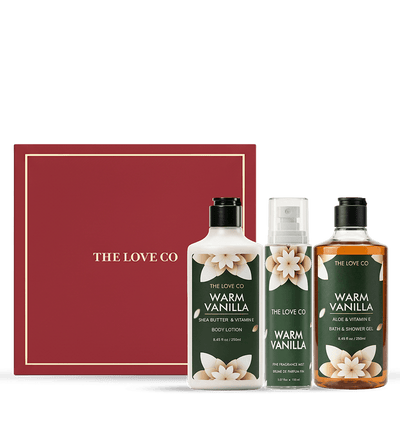
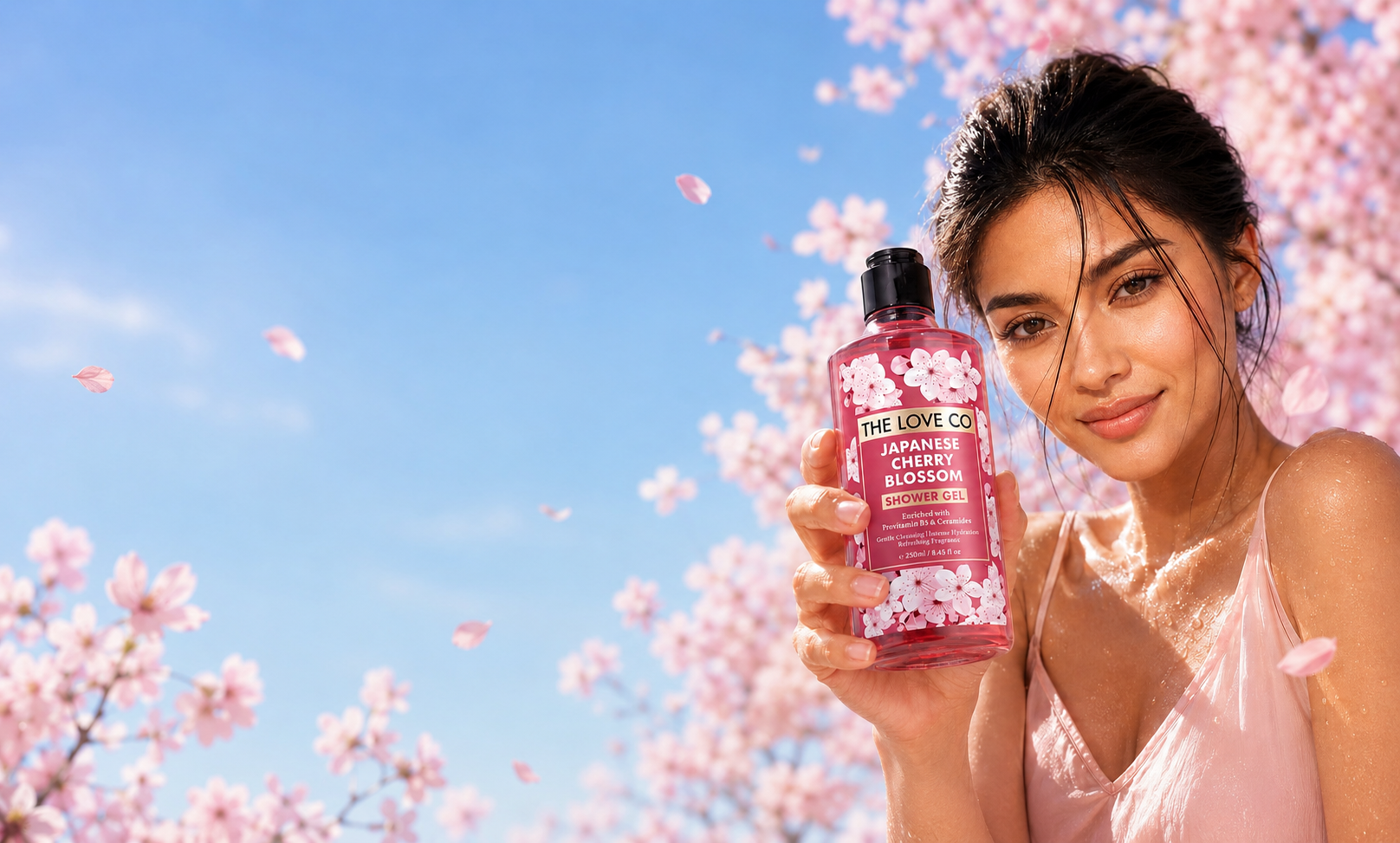
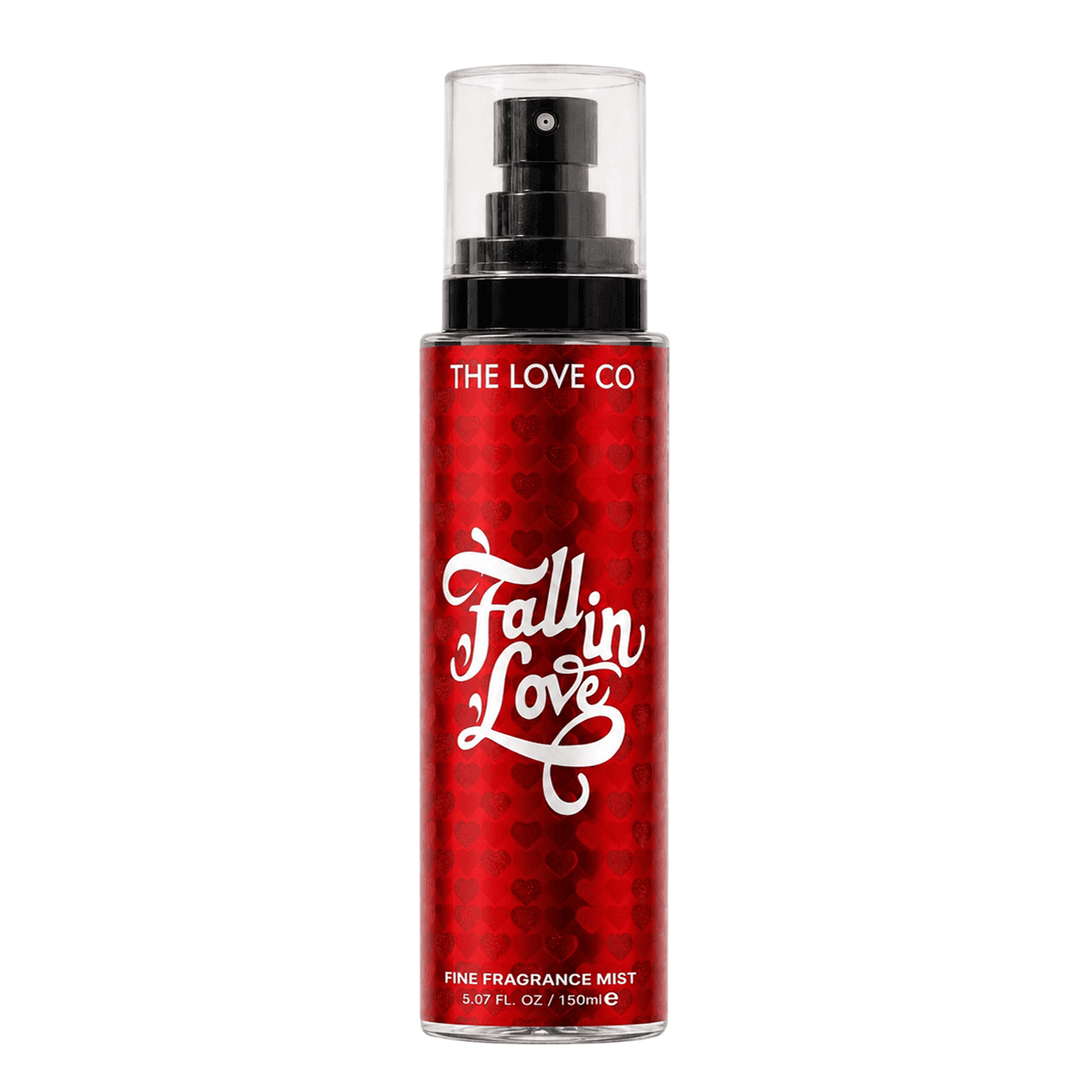
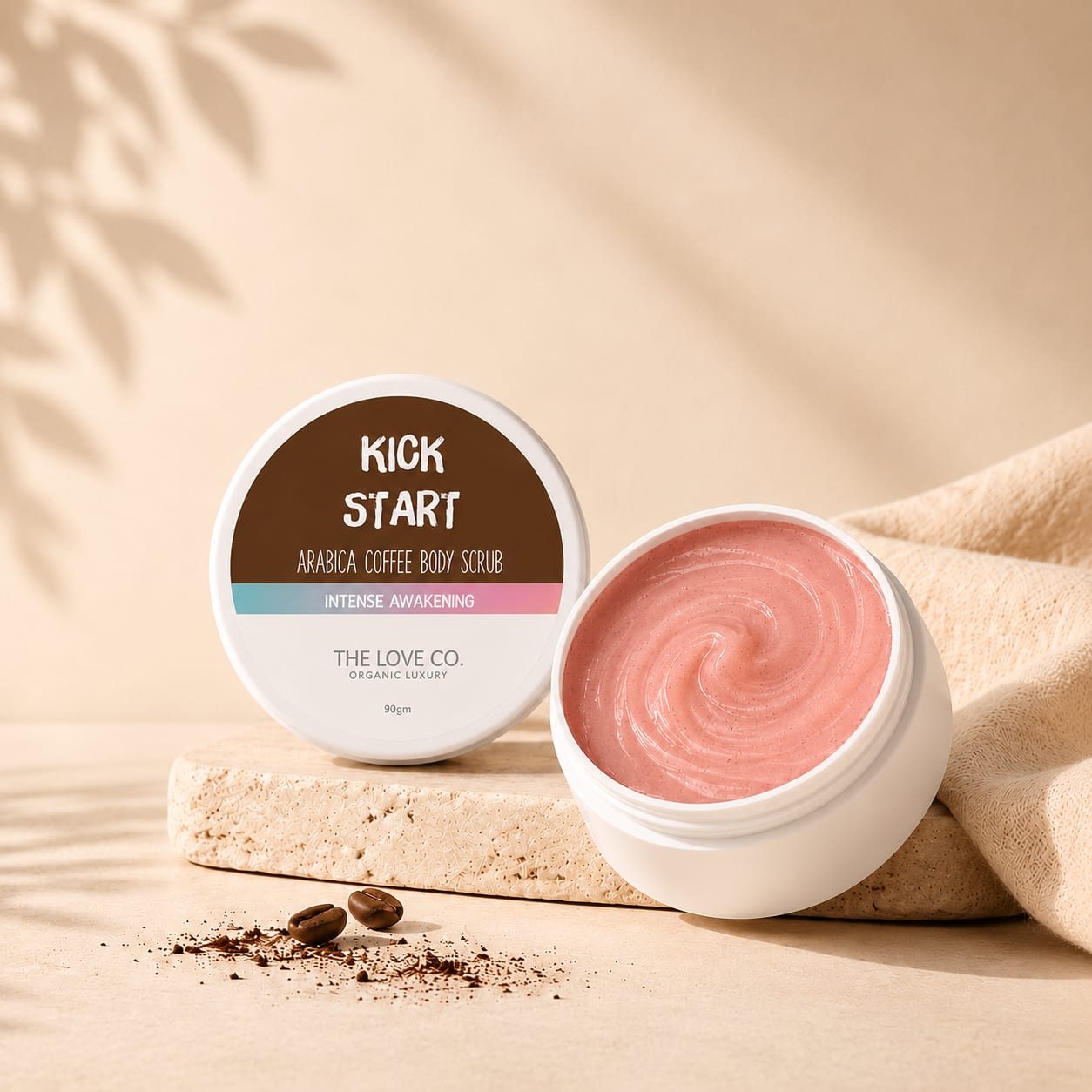
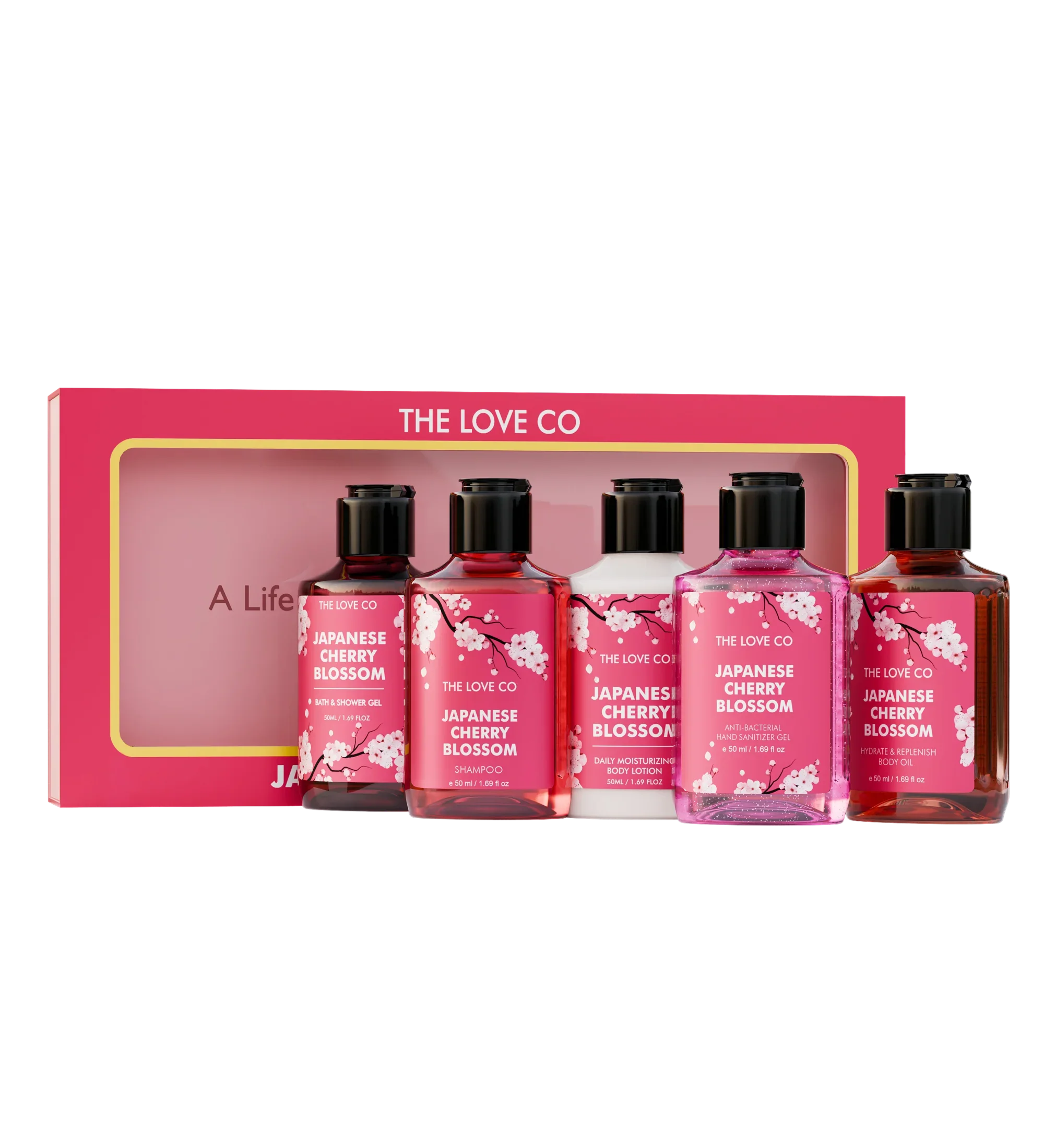
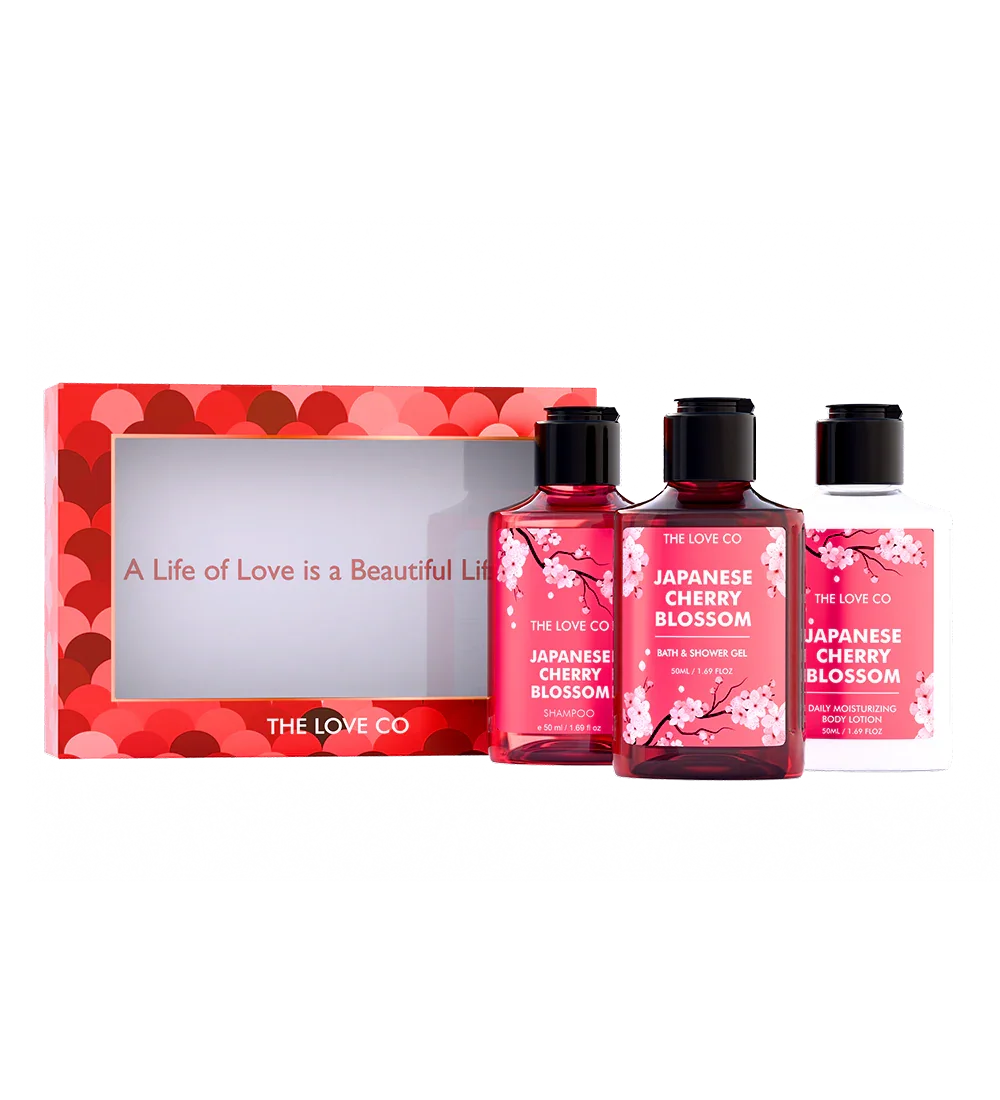
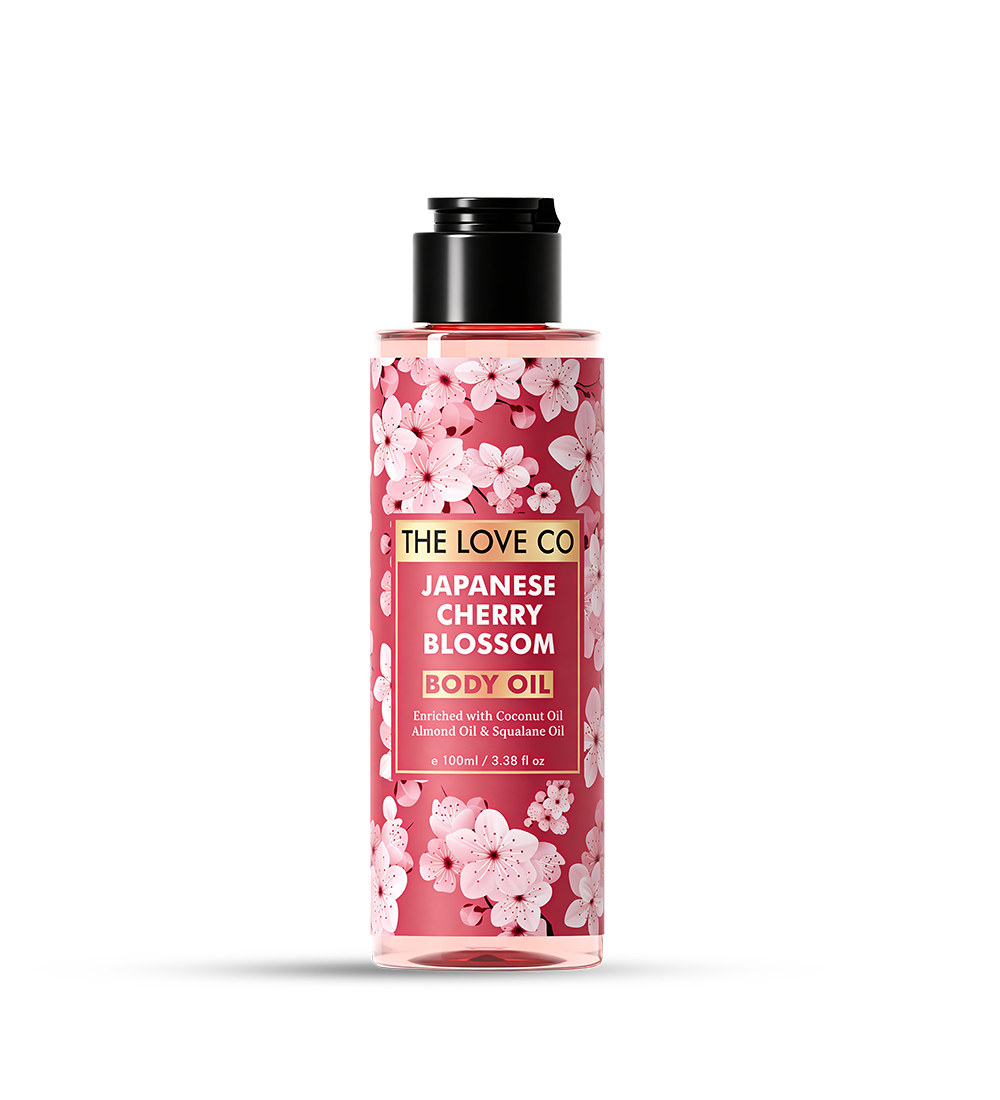
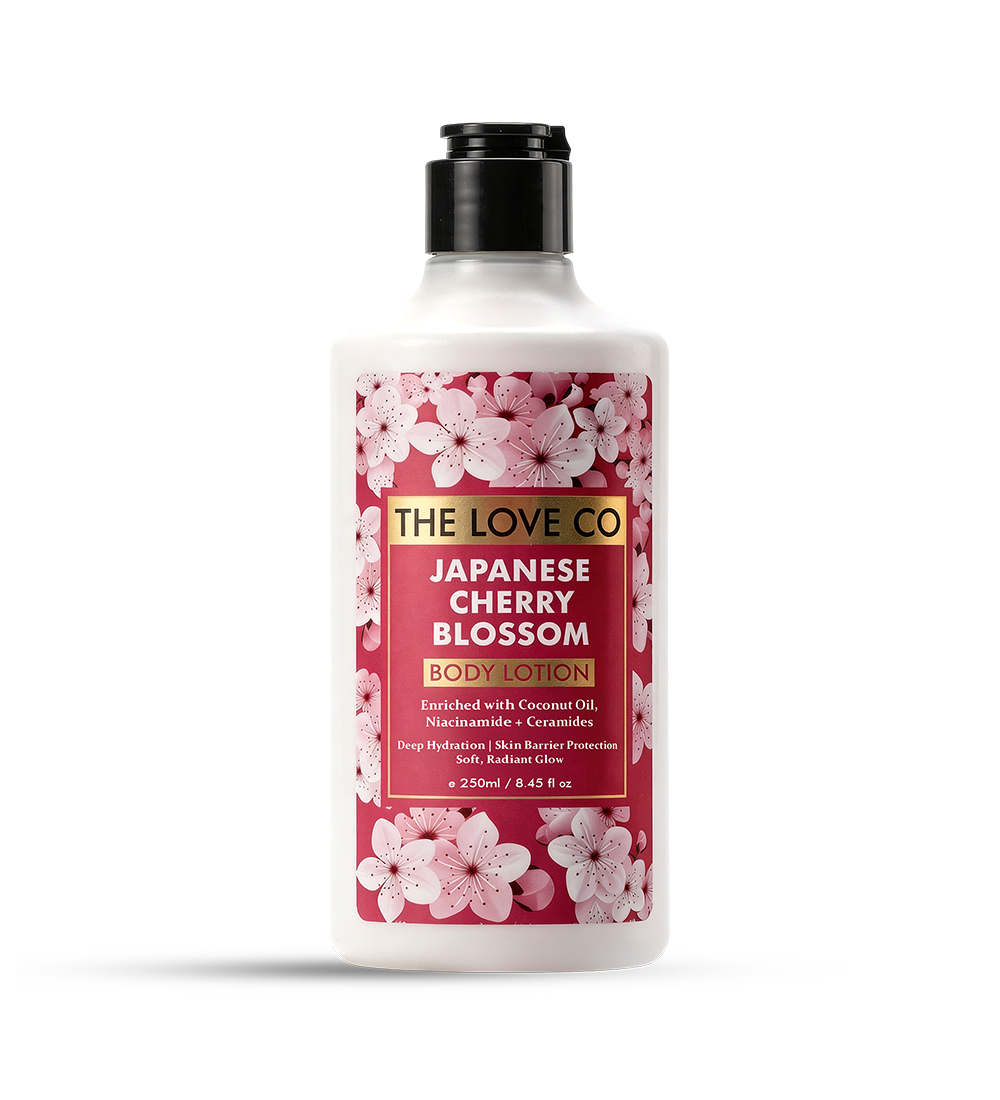
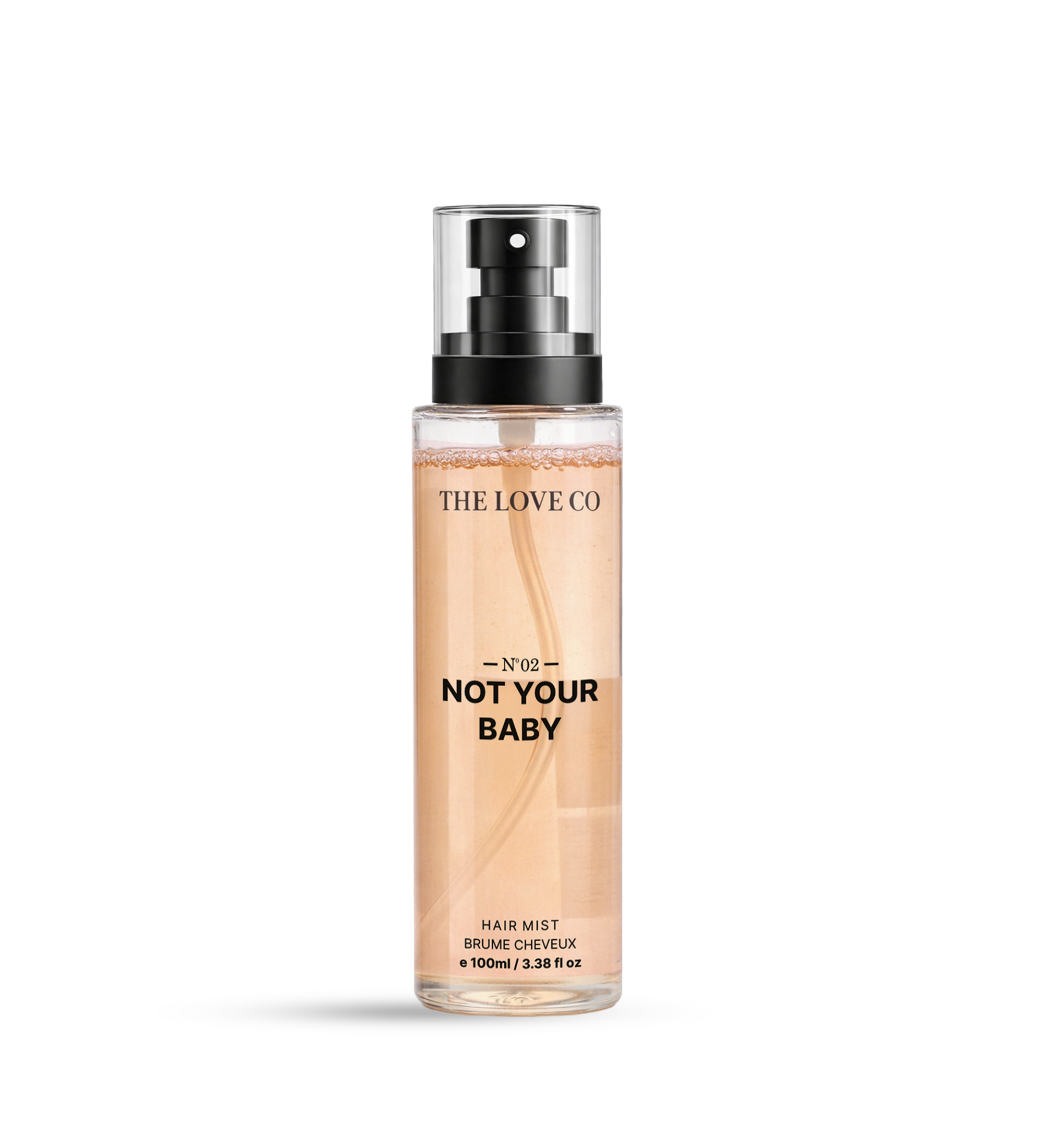
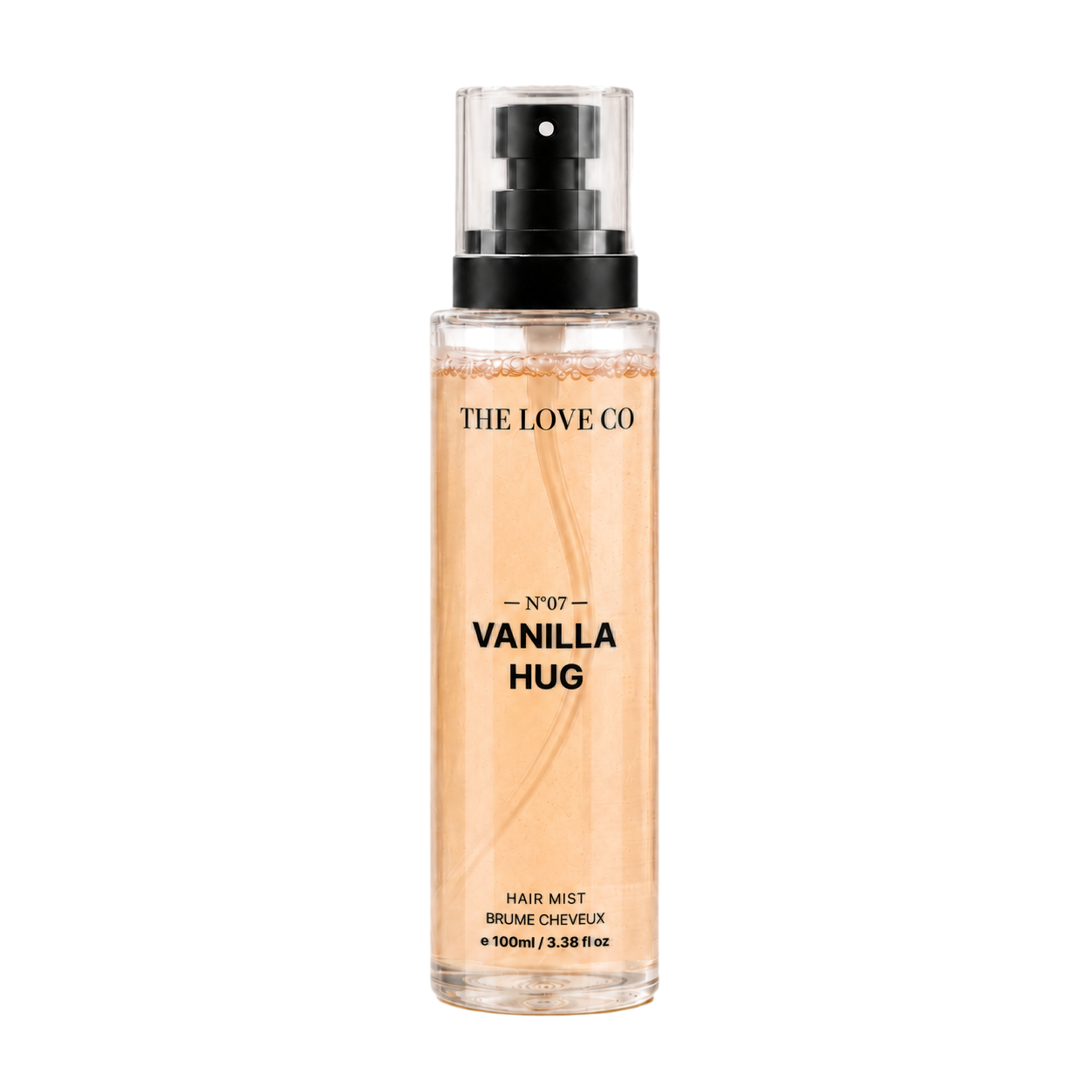
The Love Co is India's first fragrance-led body care brand — built on the ingredients of India's most memorable celebrations.
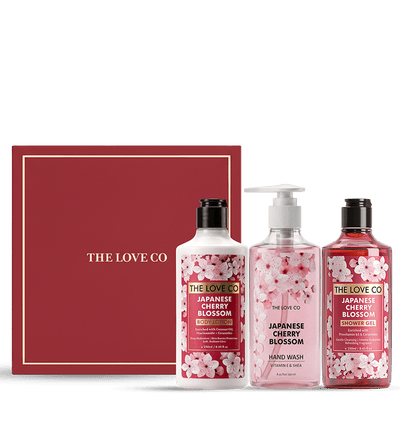
Japanese Cherry Blossom Trio Gift Set
The full Sakura trio.Three full-size Japanese Cherry Blossom essentials — the complete three-step Sakura ritual in one gift box.The ritualWash → lotion on damp skin → mist on...
A ritual is the smallest love you give yourself, daily.
— Hemang Jain · 20 May 2026