









There is a smell that arrives in India before the monsoon does.
It rises from dry earth when the first drops fall — a compound called geosmin, produced by actinobacteria in soil, released when moisture hits the ground. Scientists named it petrichor. In India, it was named much earlier and turned into perfume: mitti attar.
Mitti means earth. Attar means distilled essence. Mitti attar is exactly what the name says: the smell of rain on earth, captured in oil.
How Mitti Attar Is Made
The process is specific to Kannauj, Uttar Pradesh — the town that has been the centre of Indian perfumery for over 800 years.
In Kannauj, certain potters fire terracotta plates — khappar — at low temperatures to preserve their porous, earthy character. These plates are then distilled using the traditional deg-bhapka system: steam is passed through the plates, which absorb and then release the aromatic compounds that give baked earth its characteristic smell.
The resulting steam is passed through a sandalwood oil base, which captures and fixes the volatile compounds. The sandalwood both preserves the scent (it's a natural fixative with a very low volatility) and adds its own warmth to the composition.
The result is a dark, thin oil with a smell that is immediately recognisable to anyone who has experienced the Indian monsoon: slightly earthy, slightly metallic, wet and warm simultaneously. The smell of relief.
Why This Smell Hits So Hard
Petrichor — the geosmin compound underlying mitti attar — has a detection threshold in humans of around 5 parts per trillion. This is one of the lowest detection thresholds of any compound the human nose responds to.
You were designed to smell rain on earth at a distance.
The evolutionary explanation: early humans in rain-dependent agricultural societies needed to detect moisture approaching from far away. The sensitivity to geosmin was adaptive — it meant you knew water was coming before the water arrived.
This means petrichor doesn't just reach your nose. It reaches your nervous system. The response to mitti attar is often described as physical — a kind of involuntary loosening, a deep breath, a lowering of the shoulders.
The Cultural Layer
For India specifically, mitti attar encodes a specific emotional sequence that has been repeated across generations:
- The dry heat of summer at its worst (April–May)
- The sky darkening
- This smell arriving before the rain
- Relief
This is one of the most emotionally loaded smell memories in Indian collective life. It is the smell of end of suffering, arrival of abundance, the return of water. Olfactory memory research tells us that smells associated with strong, repeated, emotionally significant experiences encode with unusual depth.
Mitti attar triggers the relief of monsoon arrival. For hundreds of millions of Indians, it is possibly the most universal positive scent memory.
Mitti Attar in Contemporary Use
Mitti attar is applied sparingly — a small amount on the wrists or neck, or added to hair. It is not a soaking-on fragrance. Its charm is its subtlety — a smell that others notice without immediately identifying.
It is commonly worn in North India during the monsoon season, and appears in Diwali contexts as a grounding counterpoint to the heavier floral and incense notes of the festival.
In contemporary fragrance, mitti attar remains almost entirely outside the Western perfumery vocabulary. No European maison has successfully captured it. It is deeply India-specific — both in raw material sourcing (the terracotta plates, the specific soil bacteria of the Gangetic plain) and in cultural meaning.
This is, in fragrance terms, a provenance claim that cannot be manufactured.
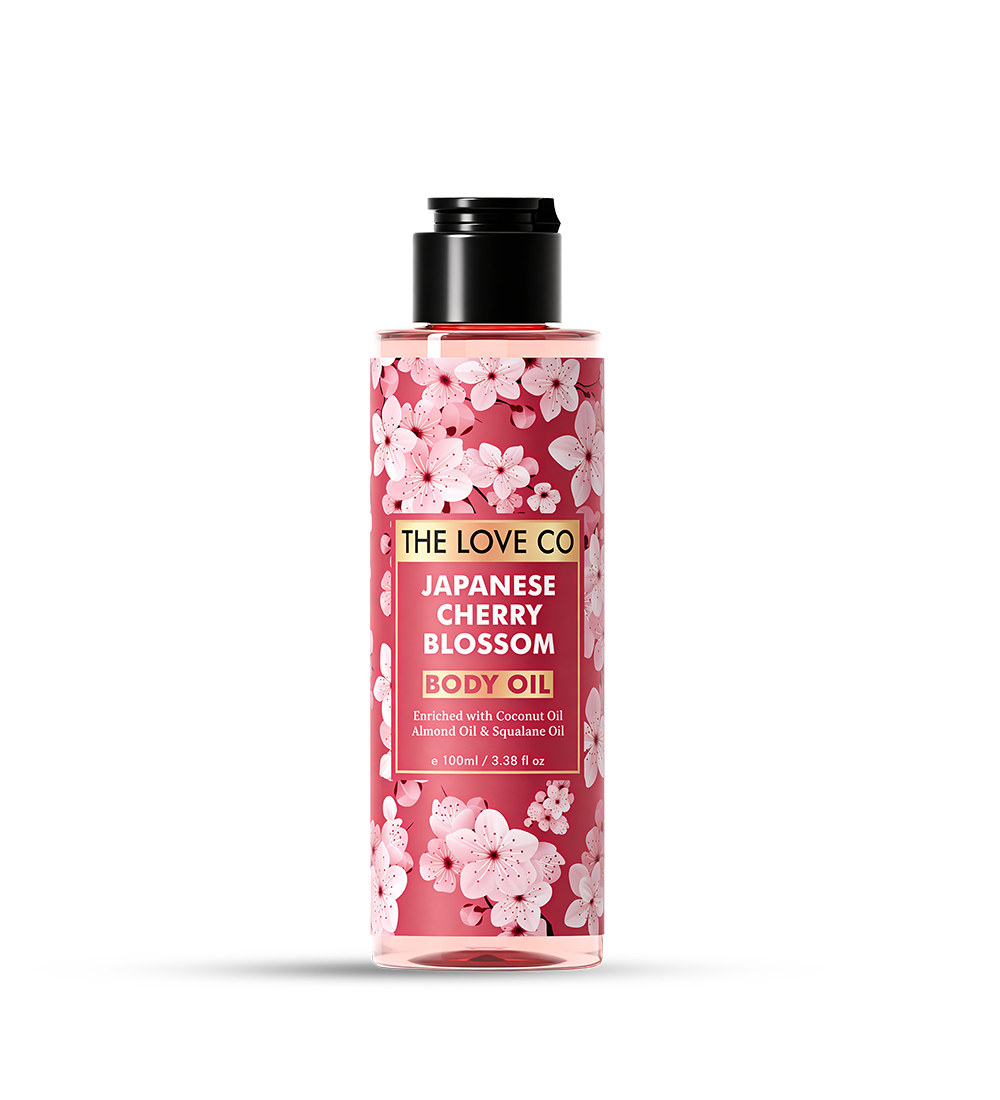
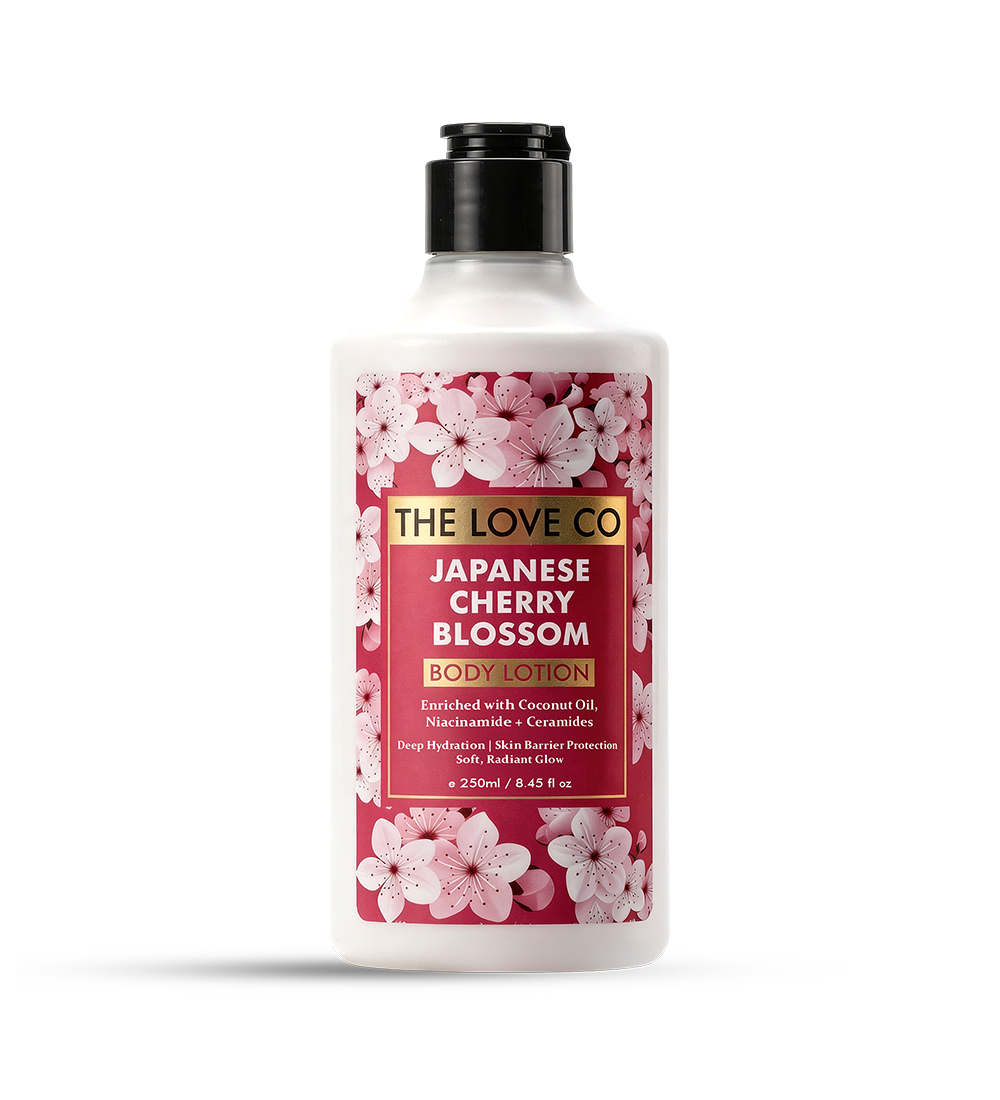
The Love Co is India's first fragrance-led body care brand — built on Kannauj's fragrance tradition, which gave the world mitti attar and the ingredients that anchor India's deepest memories.

Japanese Cherry Blossom Body Wash
Scent Trail Step 1 · soft floral body wash Start the Scent Trail here. A pH 5.5, SLS-free cleanser that protects your skin barrier while it washes —...
A ritual is the smallest love you give yourself, daily.
— Hemang Jain · 20 May 2026