












In households across India, the first smell of the day is not coffee.
It is agarbatti — incense lit at the puja room or the threshold — followed by the sharp note of camphor, the faint warmth of ghee in the lamp, and sometimes the gentle floral of rose water.
These smells arrive before full consciousness. And for people raised in puja-observing households, they produce a specific nervous system response before any deliberate thought about religion or routine.
The response is: safe. Home. This is how mornings begin.
The Neurological Mechanism
The amygdala's direct connection to the olfactory bulb means fragrance arrives at the emotional brain before it reaches conscious awareness. The puja smells — encountered daily across years of childhood — have been encoded as safety signals in the amygdala.
When they arrive in the morning, the amygdala responds with the encoded state: calm, protected, in a space that is familiar and safe. This happens in the first seconds of consciousness, before the prefrontal cortex has fully come online.
The practical effect: puja smell produces a mild parasympathetic activation — the nervous system's rest-and-digest mode — at the beginning of the day. You are physiologically calmer in the first minutes of the morning in a household where puja is performed.
This is not the pharmacological effect of the fragrance compounds alone (though sandalwood's santalol and incense compounds do have mild anxiolytic properties). It is primarily the encoding: you are safe because this smell means you are home.
The Specific Compounds of Puja
Agarbatti smoke: Contains eugenol, vanillin, various terpenes depending on the blend. The smoke-delivered compounds reach the olfactory epithelium quickly. Sandalwood agarbatti specifically delivers santalol in smoke form.
Camphor: Sharp, medicinal borneol. Clears the olfactory palette — camphor's intensity momentarily dominates and then retreats. This creates the specific quality of "cleansed air" that follows camphor burning.
Ghee flame: The combination of ghee combustion products (particularly butyric acid derivatives at very low concentration) with the smoke creates the specific "sacred flame" smell of Indian ritual. This smell has been present in Indian domestic worship for 3,500 years.
Rose water: Gentle, clean floral contrast to the heavier smoke notes. In many puja traditions, rose water or gulab jal is the final note — cool and clean against the warmth of incense.
Building a Secular Morning Ritual
The calming effect of consistent morning fragrance is available outside of religious practice. The mechanism is the same: consistent fragrance at the transition from sleep to waking, applied with attention, repeated daily.
A fragrance-led body care ritual performed consistently at the same time, in the same way, with the same ingredients, develops the same encoding: this smell means I am preparing for the day. I am calm and ready.
The ritual creates the state. The fragrance anchors it.
Over months, the smell of your body care routine becomes a signal your nervous system recognises: the day is beginning well.
The Love Co is India's first fragrance-led body care brand — built on ingredients that have always signalled the beginning of something good.

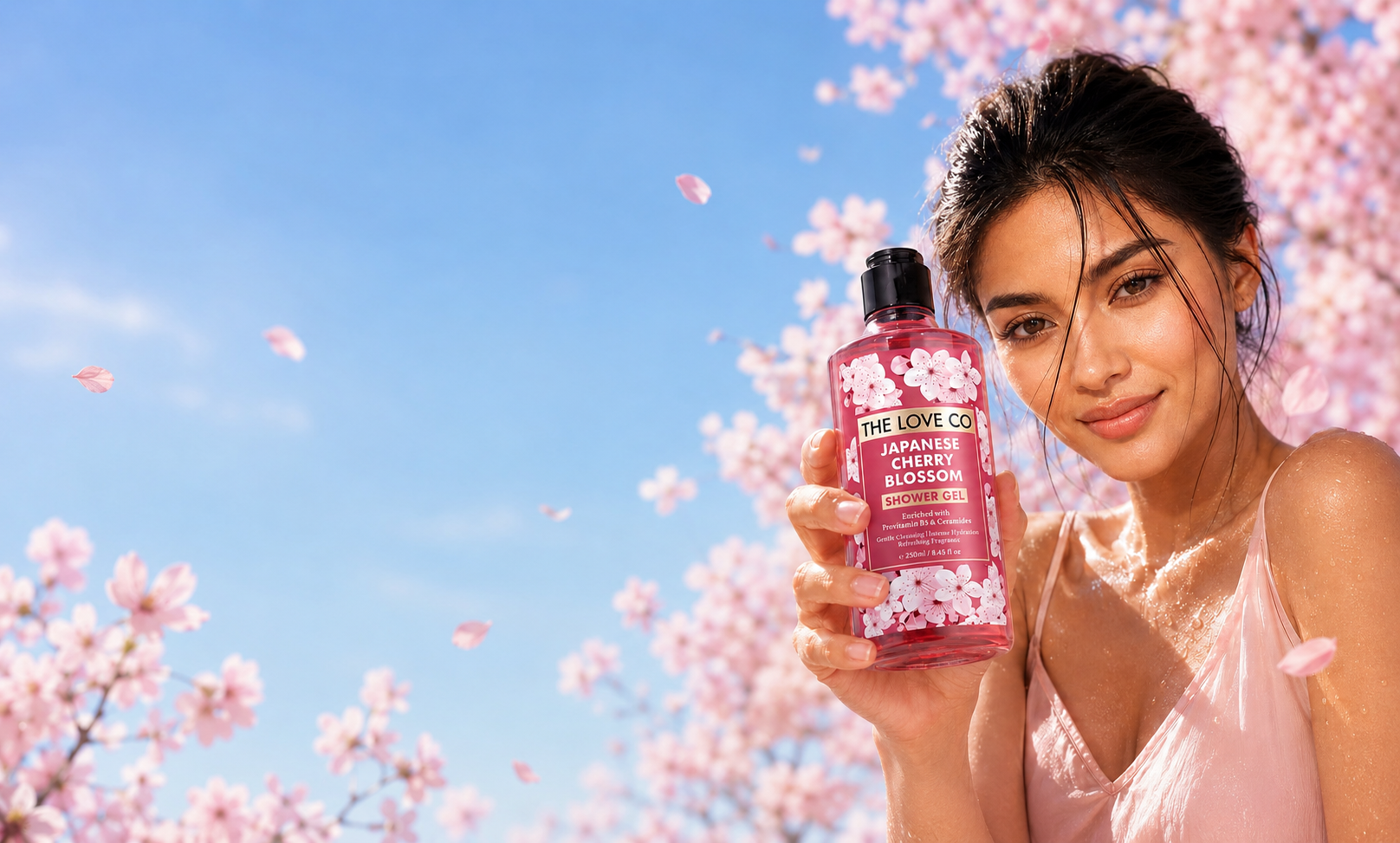
Japanese Cherry Blossom Body Wash
Scent Trail Step 1 · soft floral body wash Start the Scent Trail here. A pH 5.5, SLS-free cleanser that protects your skin barrier while it washes —...
A ritual is the smallest love you give yourself, daily.
— Hemang Jain · 20 May 2026