


Newborns cannot see clearly. They cannot speak or understand language. They have limited ability to regulate their own temperature or emotion.
But they can smell. And within hours of birth, they can identify their mother by smell alone.
The smell of your mother is the first thing you learned. It will almost certainly be the last thing you forget.
The Neuroscience of Maternal Scent
Neonatal olfactory research has established a clear picture:
- Newborns prefer the smell of their own mother's amniotic fluid over other mothers' at birth
- Within 48 hours, newborns preferentially orient toward the smell of their mother's breast milk
- By 2–3 weeks, infants show calming responses specifically to their mother's body odour
The olfactory system is functional before birth — the fetus smells the amniotic fluid, which is flavoured by the mother's diet and biology. The smell of the mother is literally the first sensory experience, beginning before birth.
This produces the deepest olfactory memory a human will ever form. Encoded during the highest-density emotional period of life — infancy, where every experience is felt at full intensity because the nervous system has no comparative database yet — and reinforced across thousands of hours of feeding, holding, and care.
What Mothers Smell Like
The biological maternal scent — skin chemistry, microbiome, sebum composition — is partly genetically determined and partly a reflection of diet and environment. But the fragrance products a mother uses consistently become part of her scent signature, encoded alongside the biological scent in the child's nervous system.
A mother who wears the same body lotion every day, uses the same hair oil, burns the same incense in the morning — her fragrance products become part of what she smells like to her child. The brand, the formula, the specific combination becomes the smell of mother.
This is why certain fragrance products produce such acute, specific responses in adults. Not the product itself — the person associated with it.
The Indian Mother's Fragrance Vocabulary
For Indian mothers, the fragrance vocabulary is specific:
Coconut oil — warm, slightly sweet, deeply familiar. Applied to the child's hair, to the mother's own hair, to skin. The smell of physical care and proximity.
Jasmine — gajra worn in hair, jasmine-scented hair oil. The smell of Indian mothers dressed for occasions.
Rose — gulab jal on the face, rose-scented cream, rose water in cooking. The gentle floral warmth of daily care.
Sandalwood agarbatti — the smell of morning in a home where puja is observed. Associated specifically with the mother who lit the incense before anyone else was awake.
These are not universal — they vary by region, community, and family. But across Indian childhood experience, some combination of these ingredients is nearly universal.
Gifting a Mother Fragrance
When you give your mother fragrance, you are doing something layered:
You are giving her something for her body — an intimate gift that says you thought about her physically, as a person who inhabits a body that deserves care.
You are potentially giving her an ingredient that has been in your own earliest memories for as long as you can remember.
And you are giving her the possibility of leaving a new fragrance layer in the memories her grandchildren will carry — extending the olfactory legacy forward.
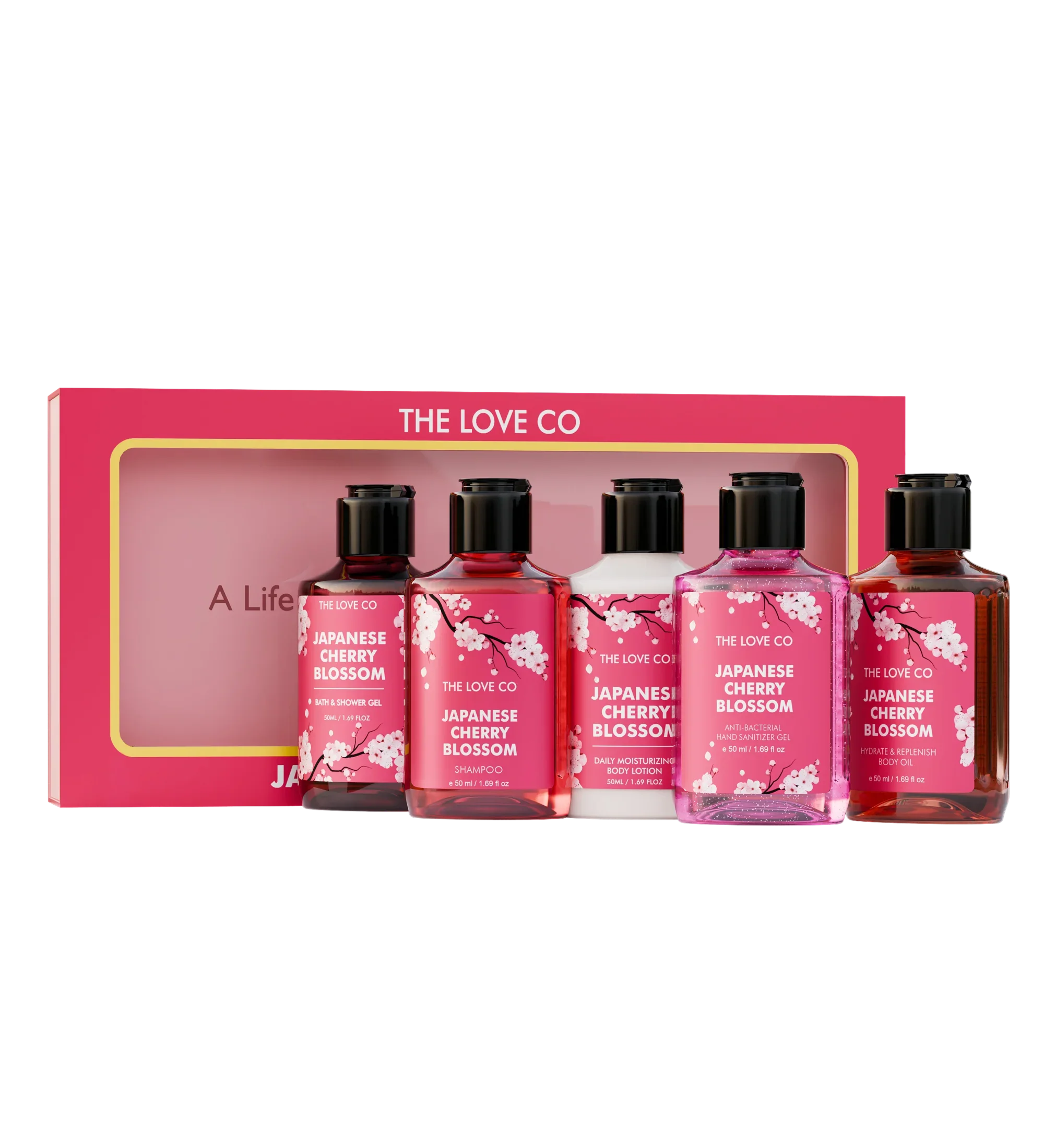
The right fragrance gift for a mother is natural, gentle, long-lasting, and built on ingredients that have always been part of Indian domestic life. A body care set she'll use every morning, not a bottle she'll save for special occasions.
The fragrance she wears daily is the fragrance her grandchildren will carry for life.
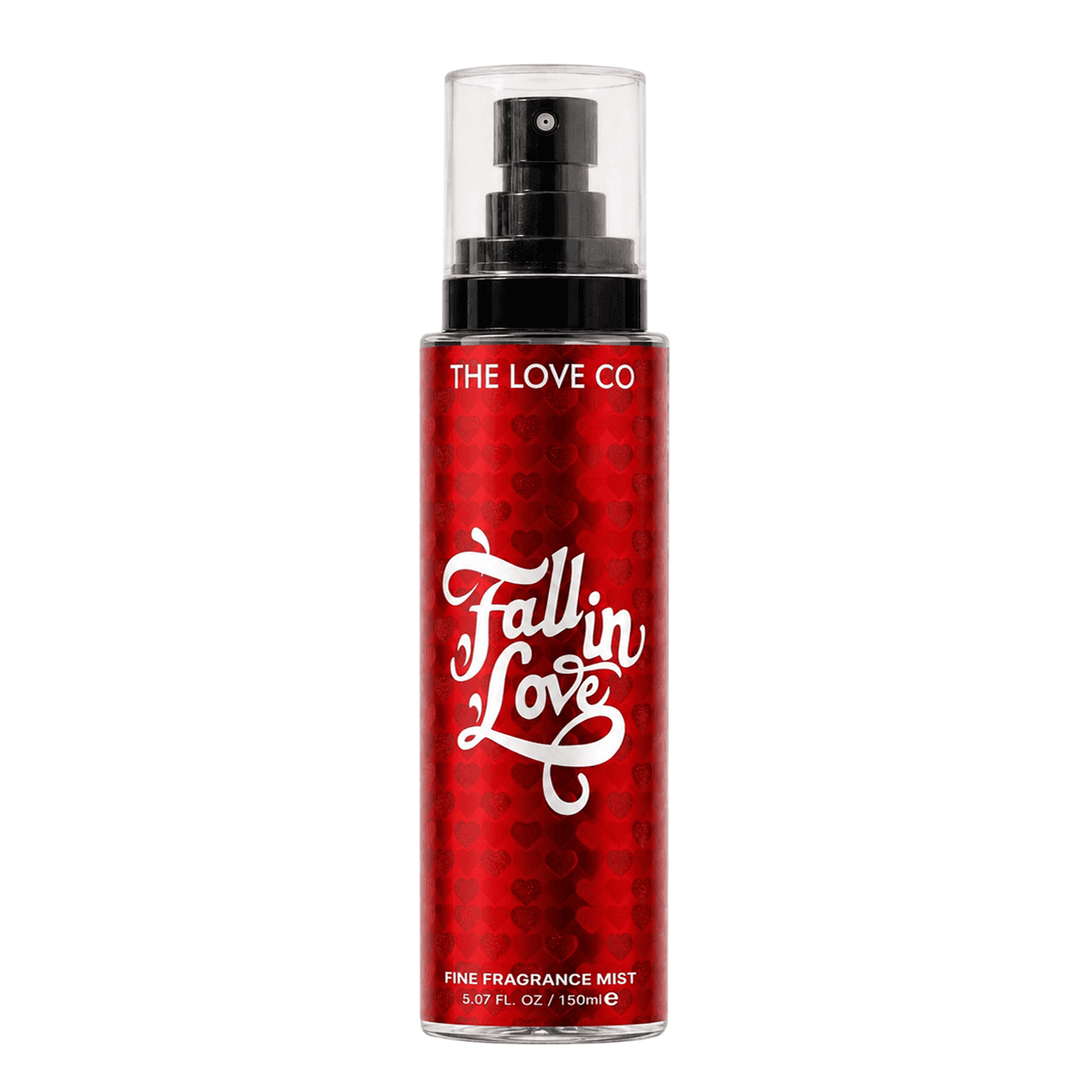
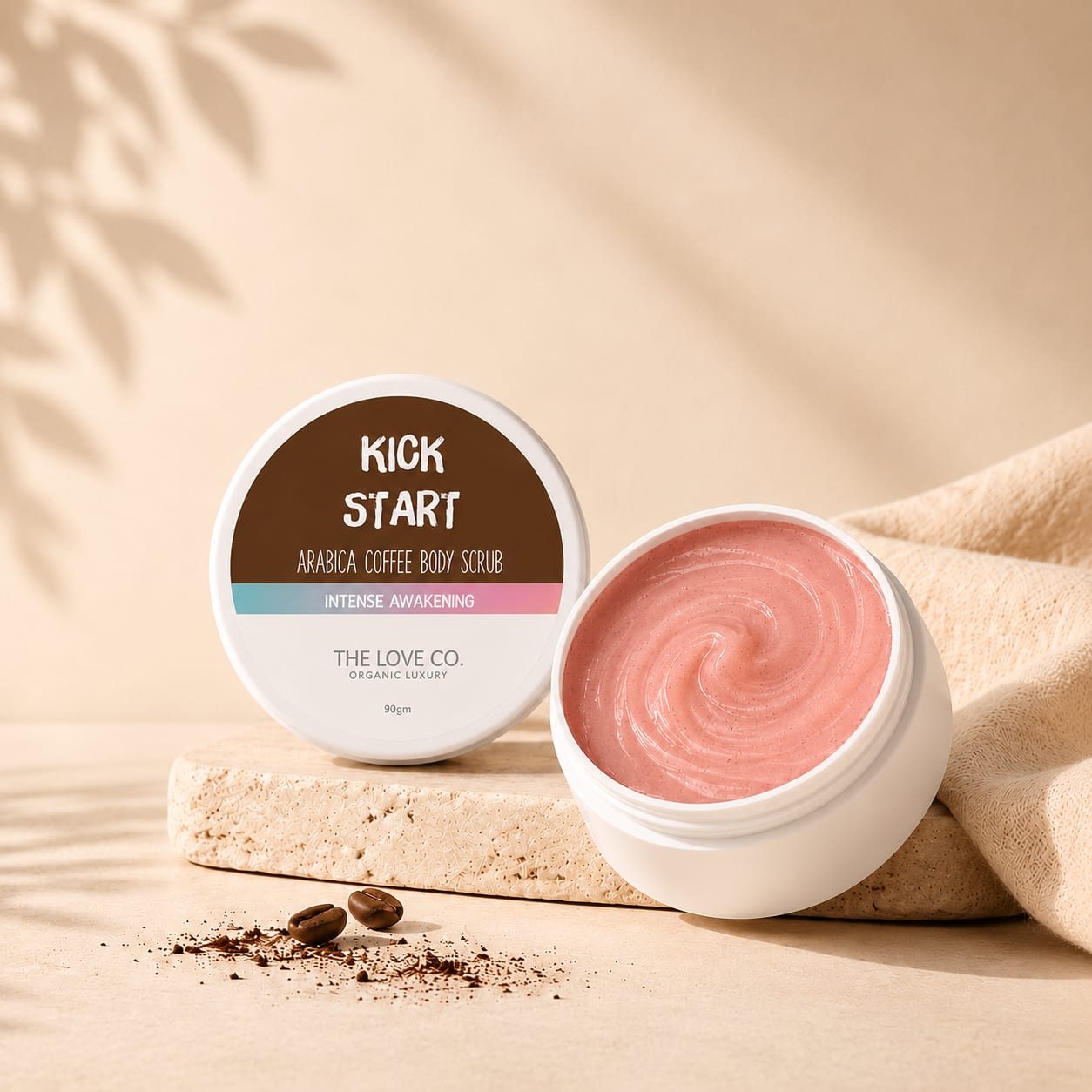
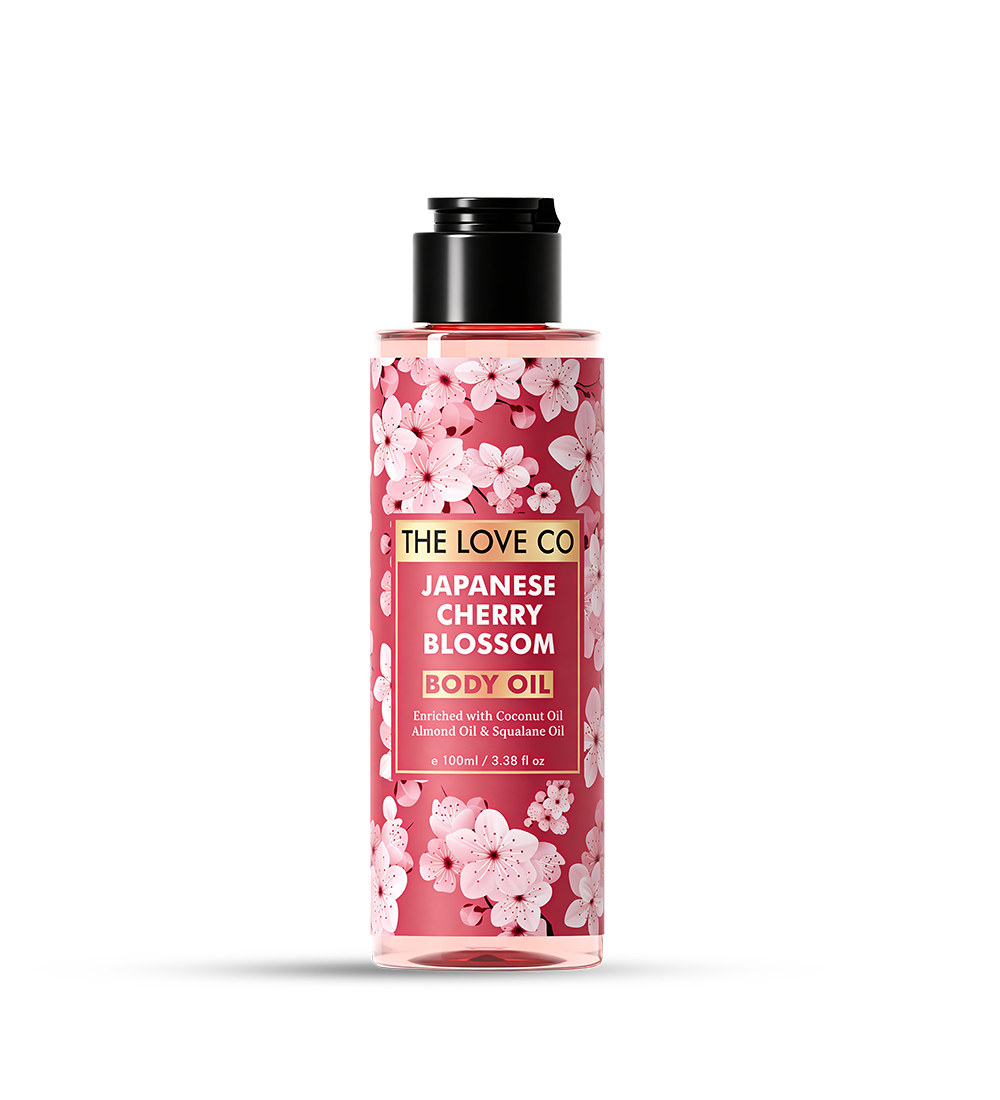
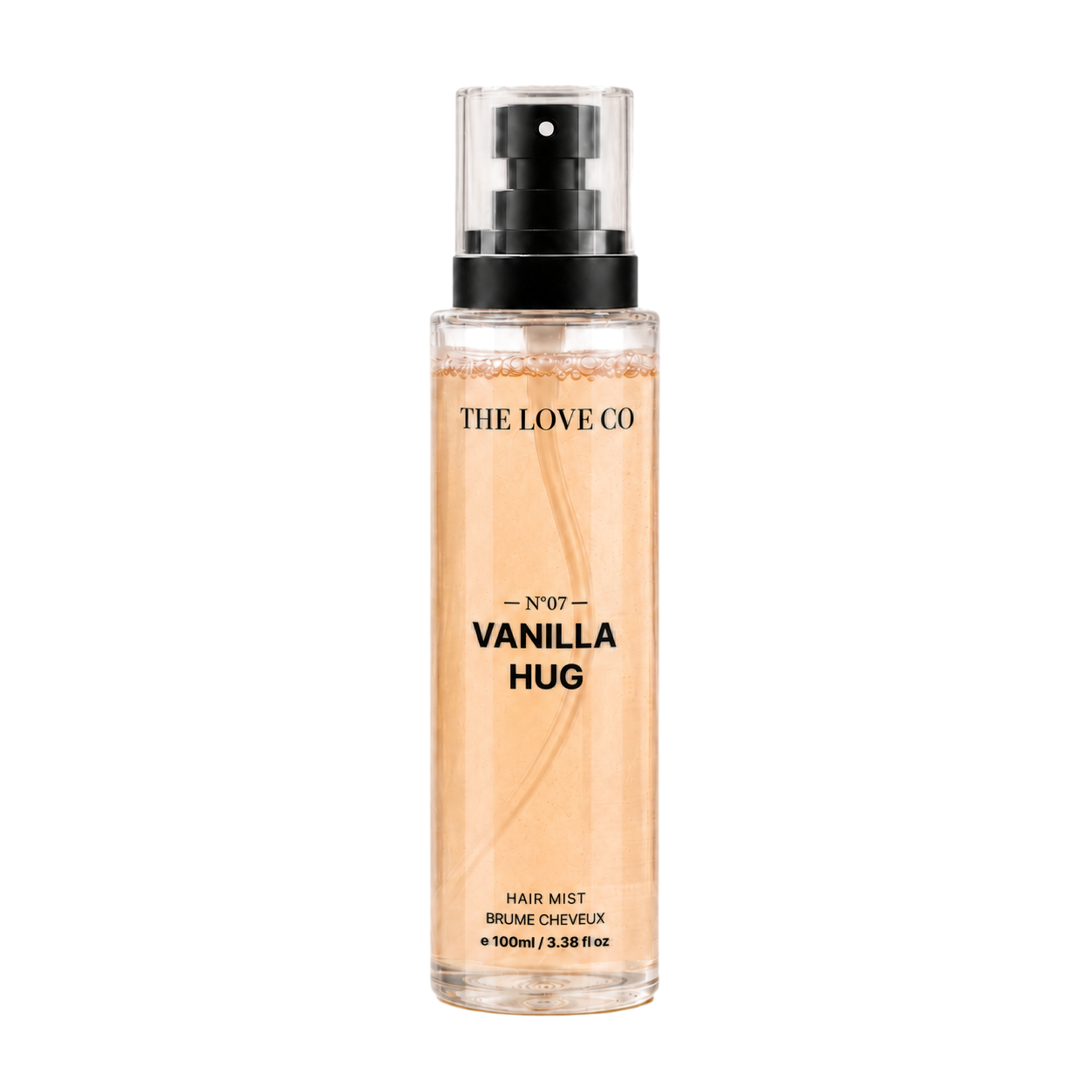
The Love Co is India's first fragrance-led body care brand — built on the ingredients of Indian maternal memory.

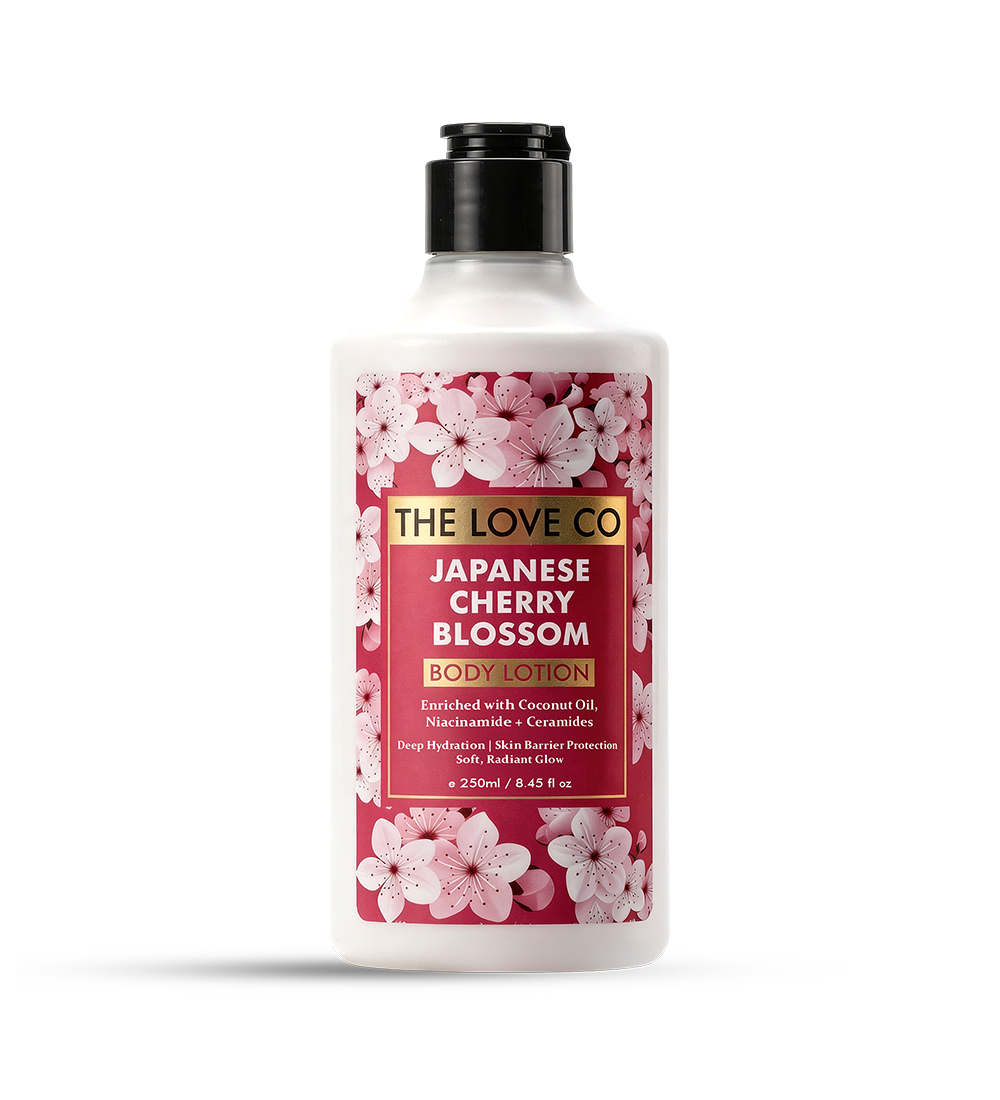
Japanese Cherry Blossom Body Wash
Scent Trail Step 1 · soft floral body wash Start the Scent Trail here. A pH 5.5, SLS-free cleanser that protects your skin barrier while it washes —...
A ritual is the smallest love you give yourself, daily.
— Hemang Jain · 20 May 2026