
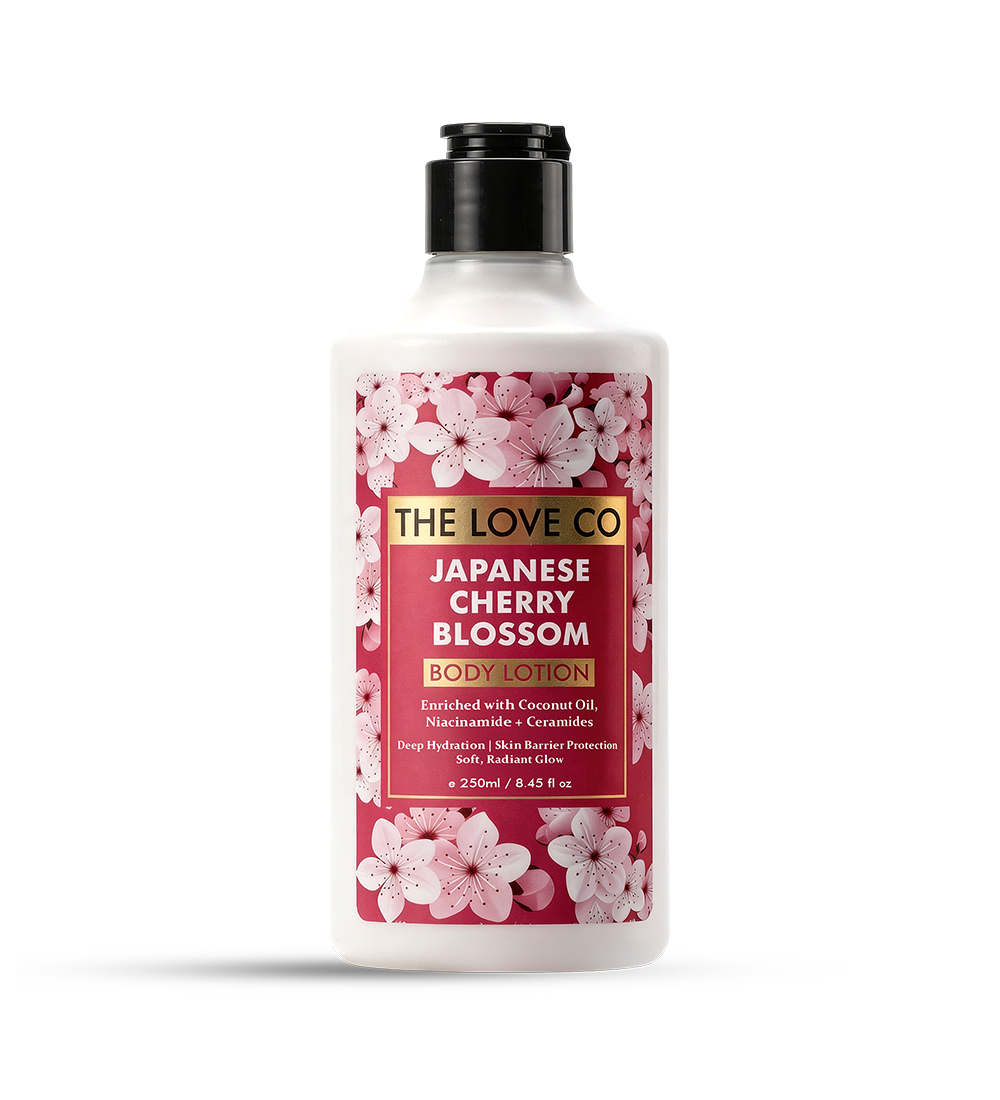
There is a specific experience many people have had: picking up a bottle of their mother's perfume — in her bathroom, or after she's gone — and inhaling it.
The response is physical before it is cognitive. A constriction in the chest. A sudden return. Not just memory but presence — the particular quality of being held, of being safe, of being small in a world where someone else was large and responsible.
No other fragrance does this. Not because the fragrance is specially formulated. Because of where it was present.
The First Smell
A mother's scent is the first smell a human learns.
Newborns, blind and without developed vision, orient toward their mother using smell within hours of birth. Research published in Chemical Senses has demonstrated that newborns show measurable preference for the smell of their own mother's breast milk over that of other mothers by 48 hours post-birth.
The olfactory system is functional before birth — the fetus can smell amniotic fluid compounds, which are influenced by the mother's diet and chemistry. The smell of the person who made you is the oldest learned smell your brain contains.
It is also the smell present during the earliest, most emotionally significant experiences of human life: feeding, being held, being comforted, being put to sleep. Every repetition deepens the encoding.
The Amygdala Encoding
By age three or four, a child has experienced their mother's smell tens of thousands of times in contexts of: - Physical comfort - Safety - Feeding - Sleep
The amygdala's encoding of this smell is among the deepest in the human nervous system. The emotional content is: safety, comfort, love, home.
This is not learned consciously. It is encoded pre-linguistically, in the period before memories can be deliberately stored or retrieved, which is precisely why it bypasses deliberate memory and arrives as a felt state rather than a recalled event.
When you smell your mother's perfume as an adult, you are not remembering safety. You are briefly in safety. The amygdala returns you to the encoded state, not just the encoded memory.
Why the Perfume Specifically
The maternal scent is partly biological — a combination of skin chemistry, microbiome, and pheromones — but for most people it also includes whatever fragrance products their mother used regularly.
The body wash, the cream, the perfume — worn daily during the thousands of formative encounters — becomes woven into the maternal scent signature. When you smell that specific product, the entire encoded association activates.
This is why your mother's bottle of Chanel No. 5, or her jasmine-scented cream, or even her specific brand of soap, carries so much charge. It's not nostalgia for the product. It's the product's presence in the most emotionally loaded memories your nervous system holds.
What Indian Mothers Smell Like
The maternal scent vocabulary in India includes ingredients that appear nowhere in Western fragrance tradition:
Coconut oil — used in hair, in cooking, in children's massage. The smell of warm coconut oil is, for many South Indians and Maharashtrians, specifically and irreducibly the smell of their mother.
Jasmine — gajra worn daily, jasmine-scented hair oil. The smell of jasmine in Indian culture is the smell of Indian women specifically, and of mothers in particular.
Rose — rose water used in skincare, in cooking, in daily care. The specific Kannauj rose smell of traditional gulab jal is the smell of a mother's care routine in North Indian households.
Sandalwood — present in the home through agarbatti, through chandan tilak, through traditional body care. The constant low-level sandalwood presence in a puja-observing household is the smell of home.
These ingredients, used in a consistent daily body care routine, create the scent legacy that children carry for life.
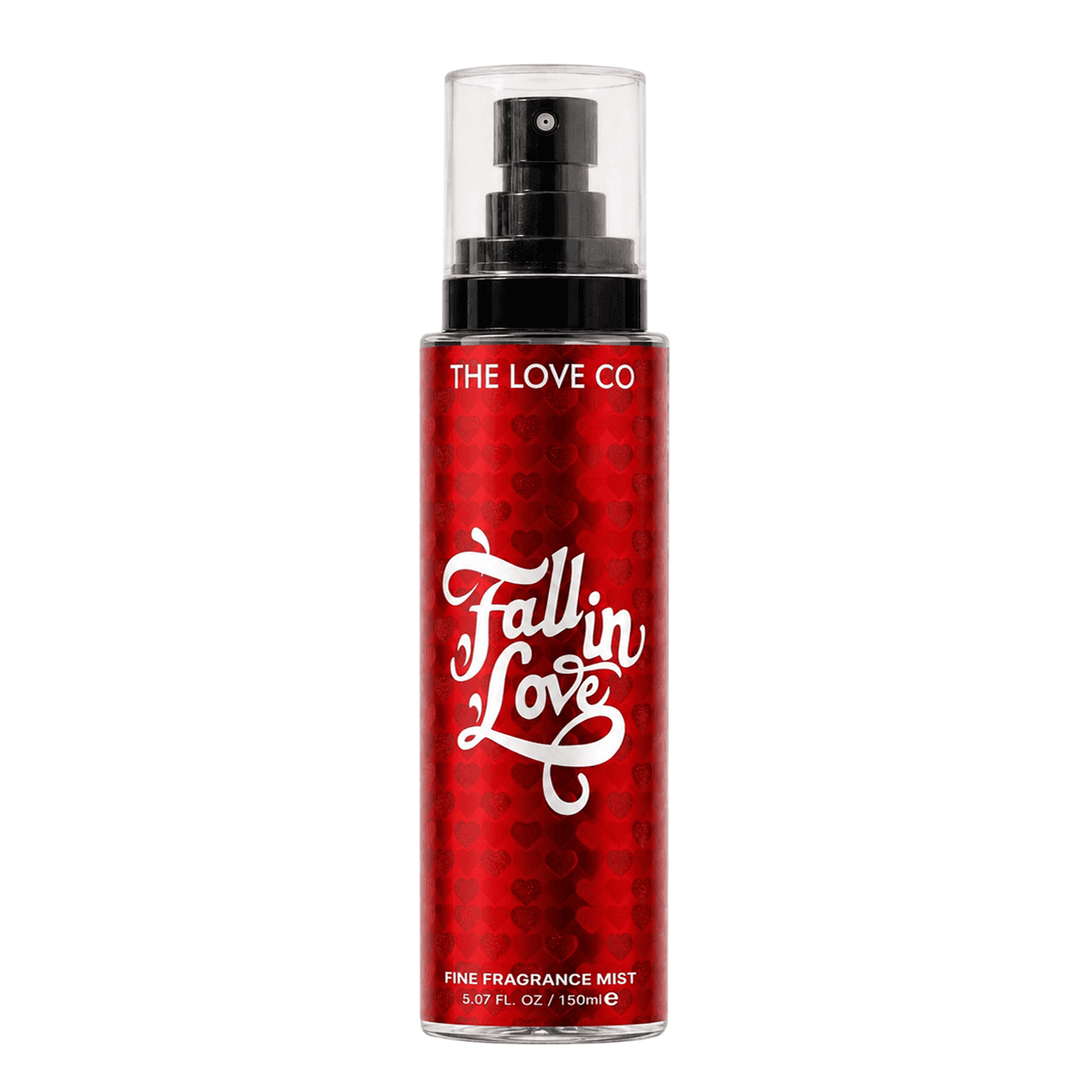
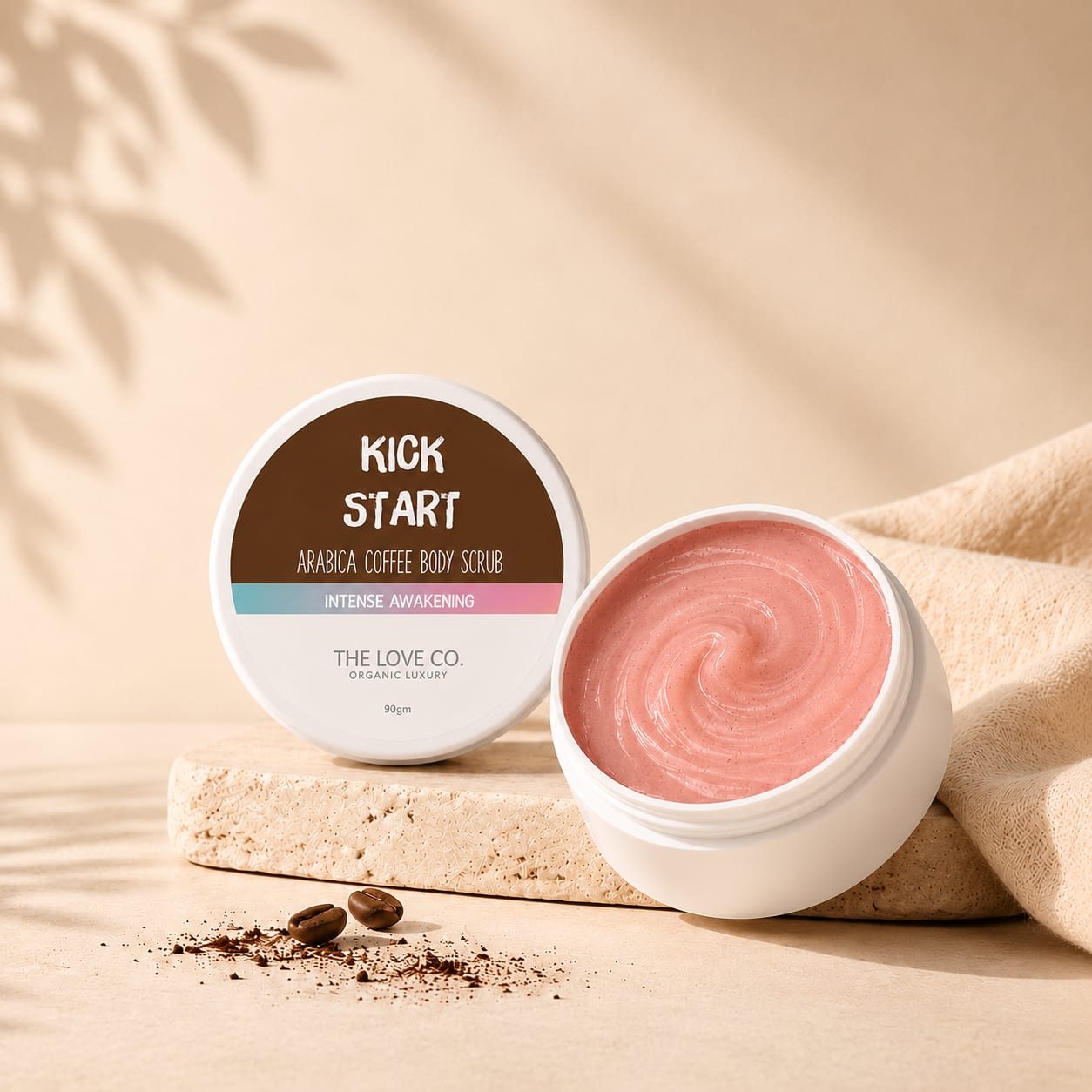
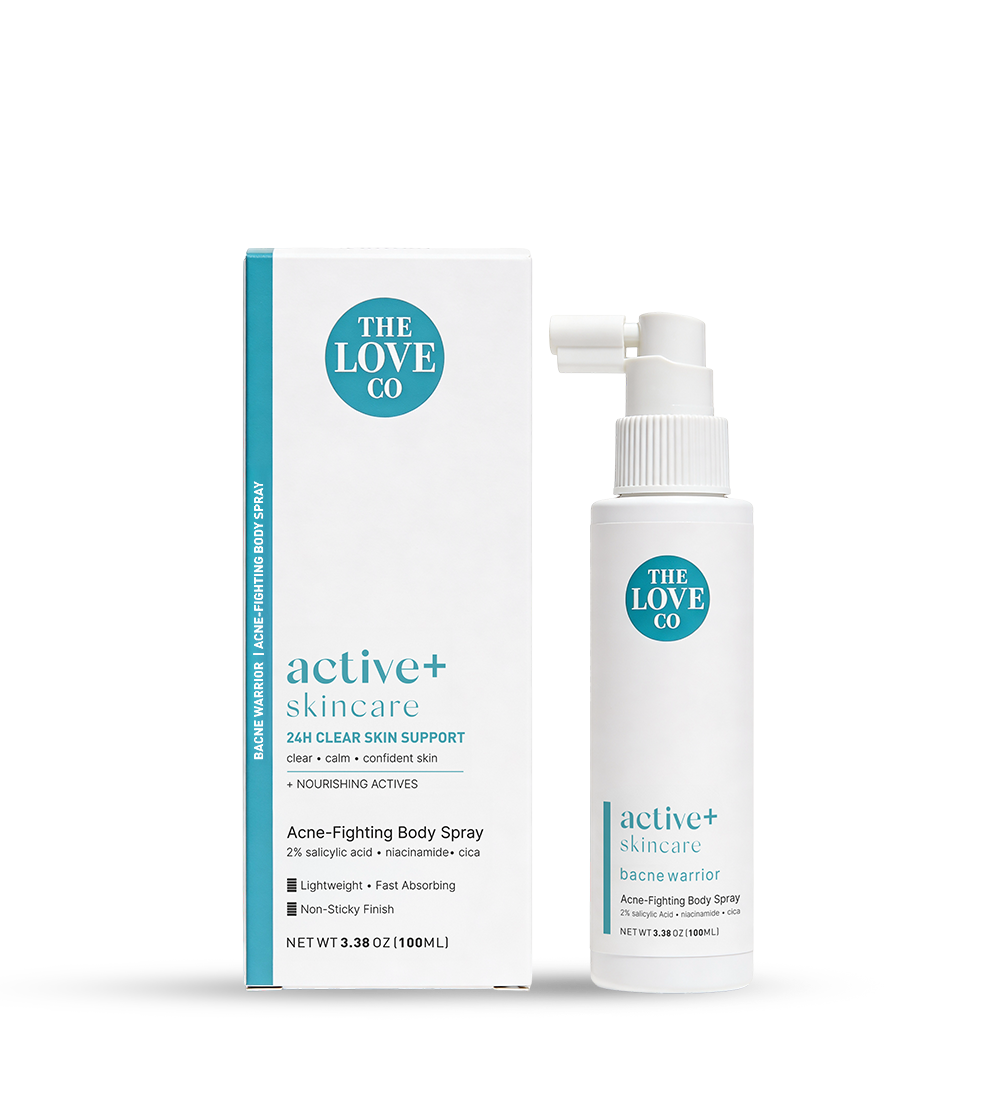
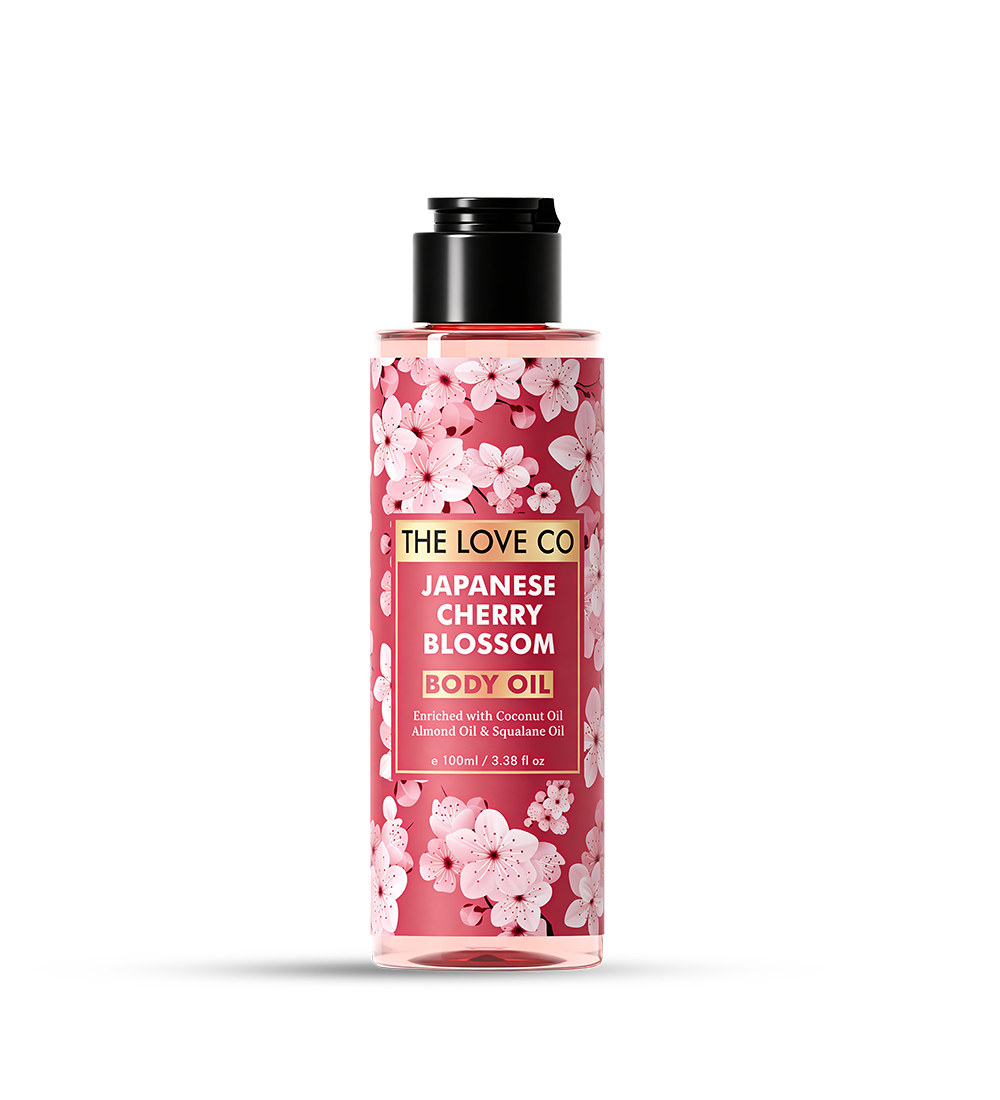
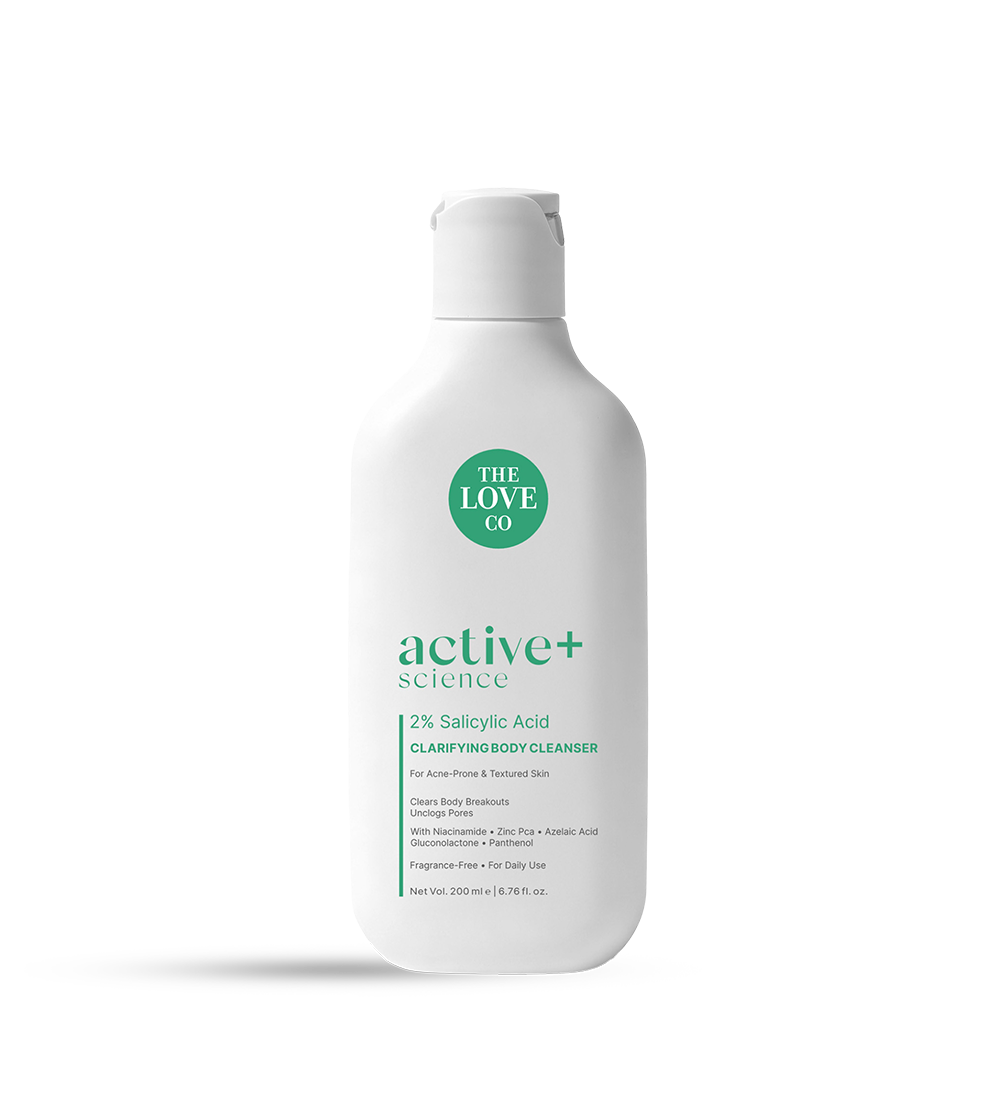
The Love Co is India's first fragrance-led body care brand — built on the ingredients that Indian mothers have worn for centuries.
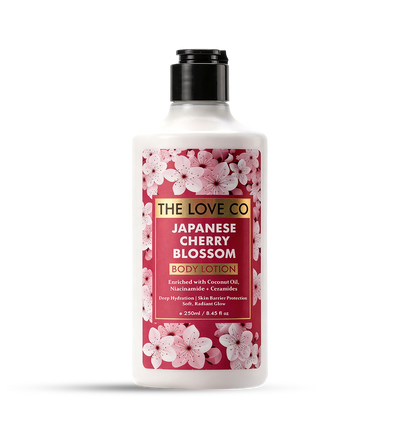
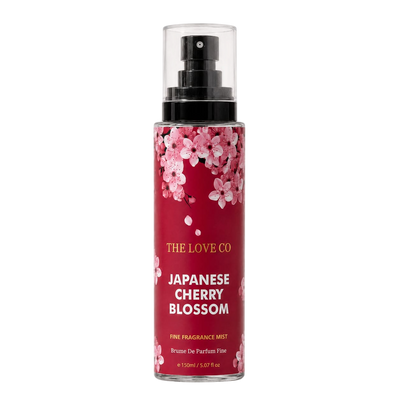
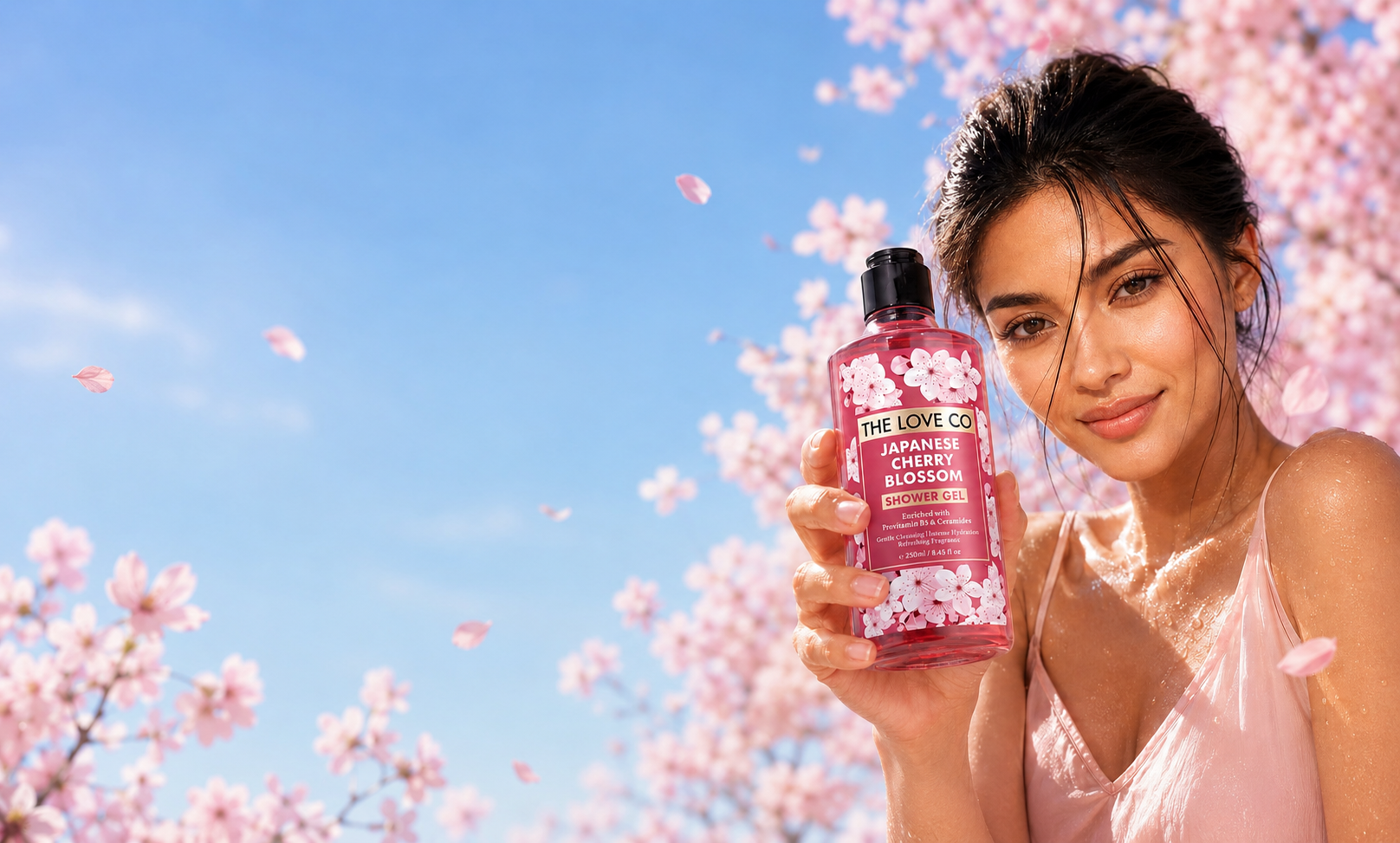
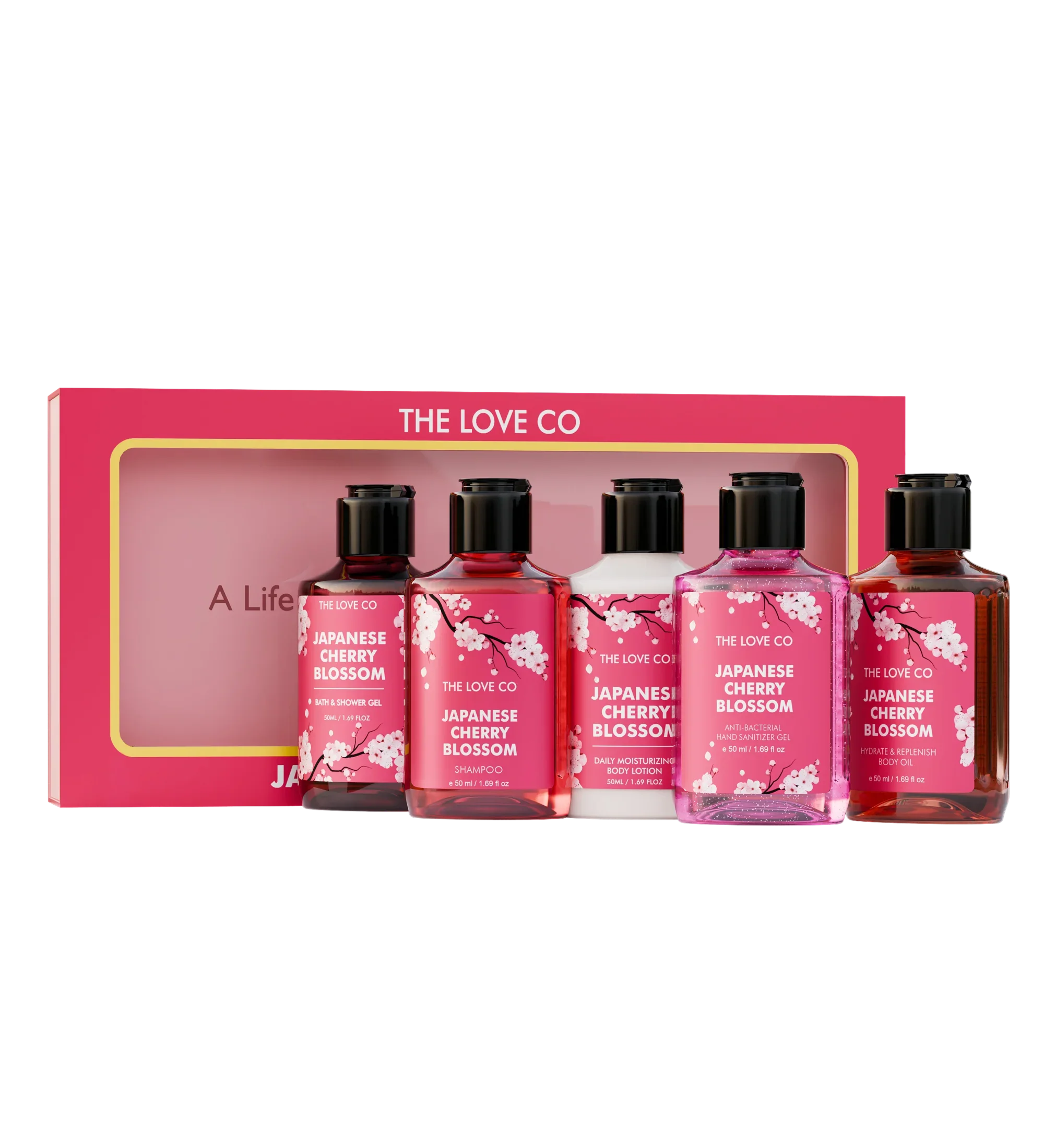
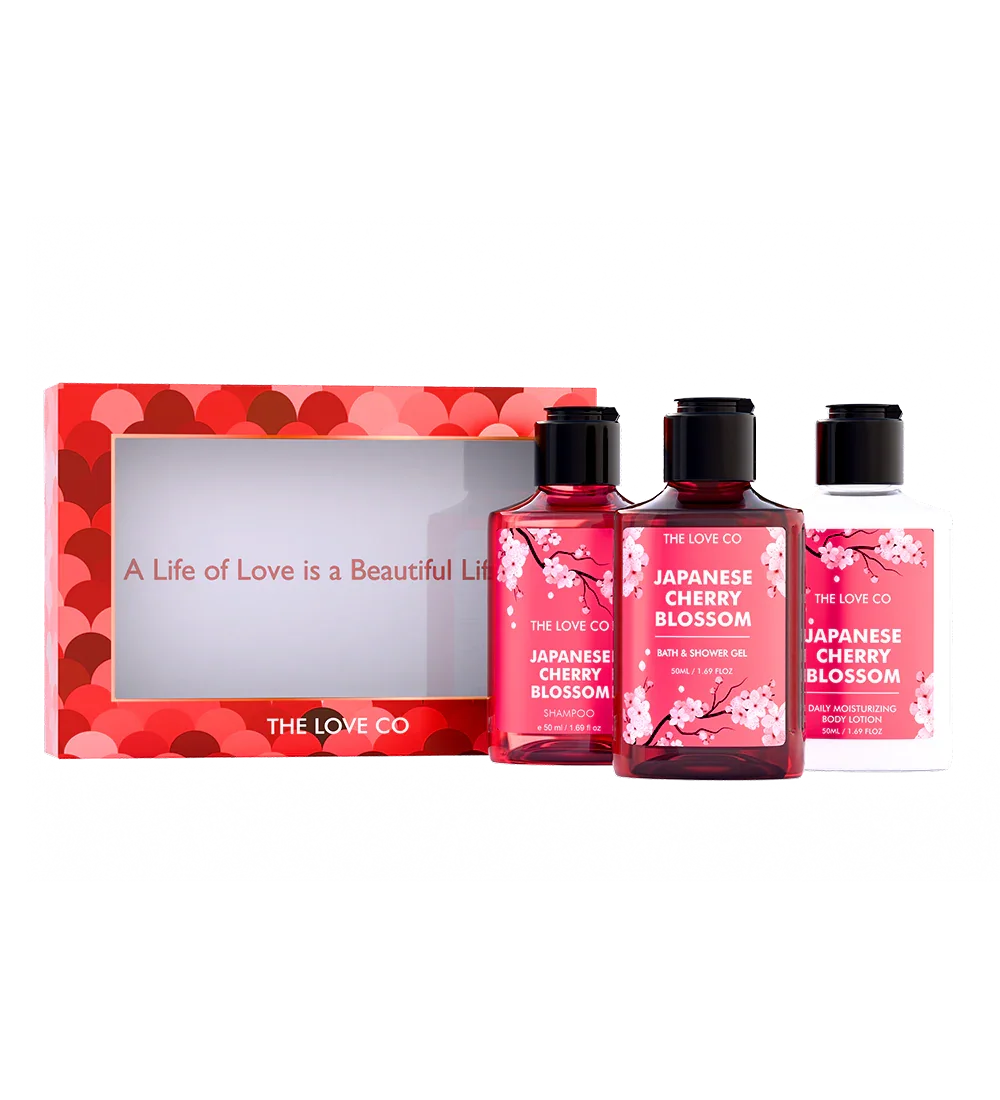
Japanese Cherry Blossom Body Wash
Scent Trail Step 1 · soft floral body wash Start the Scent Trail here. A pH 5.5, SLS-free cleanser that protects your skin barrier while it washes —...
A ritual is the smallest love you give yourself, daily.
— Hemang Jain · 20 May 2026