



Memories fade. Faces blur. Names disappear. But smells stay sharp for decades.
The smell of your childhood bedroom. The fragrance of a person you loved. The particular incense burning in a temple you visited once, twenty years ago.
Olfactory memory — the encoding and retrieval of memories through smell — is the most durable and emotionally reliable memory system humans have. And it is radically underused.
What Makes Olfactory Memory Different
All memory is encoded associatively. But olfactory memory has structural advantages over every other sensory memory type.
Direct amygdala access: Because the olfactory bulb connects directly to the amygdala — the brain's emotional processing centre — smells encode with emotional weight that visual or auditory memories don't. The emotion is embedded in the memory at encoding, not added as a tag afterward.
Hippocampal linkage: The hippocampus handles contextual memory — where you were, who was there, what it felt like. The olfactory bulb's direct hippocampal connection means smell memories are retrieved with their full context intact, not as isolated facts.
Resistance to interference: Studies show olfactory memories show less "interference" from similar memories than visual memories do. You don't confuse the smell of your grandmother's kitchen with a similar kitchen the way you might confuse photographs of similar places.
Long retention: Studies tracking olfactory memory over time found recall accuracy remained consistent across 30+ years for some odours, while visual memory of the same period declined significantly.
The Olfactory Memory System in Practice
Olfactory memories are formed through:
Repeated exposure — The same smell in the same context, reliably, over time. Morning coffee. Evening incense. A partner's shampoo. Repetition consolidates the memory and the association.
Emotional salience — Smells present during emotionally significant events — a wedding, a funeral, the birth of a child, a first relationship — encode with unusual permanence. The emotional intensity amplifies the encoding.
Novel contexts — Smells encountered for the first time in a new, stimulating environment encode strongly. The combination of novelty and context creates a distinct, retrievable memory trace.
India's Olfactory Memory Vocabulary
India has one of the world's richest olfactory cultures — centuries of deliberate fragrance use in ritual, festival, and daily life created a shared olfactory memory architecture that crosses regions and generations.
Agarbatti (incense) — present at morning puja, temples, festivals. Encodes religious routine, family mornings, sacred space. Hundreds of millions of Indians share this encoded association.
Mitti (earth after rain) — petrichor, captured as mitti attar in Kannauj's distillation tradition. The smell of relief, arrival of monsoon, summer ending.
Sandalwood — present at Hindu rituals, funerals, temples, and devotional practice. Encodes solemnity, reverence, the smell of ceremony. Mysore sandalwood is India's most culturally encoded fragrance material.
Rose — present at weddings, Eid, and devotional flower offerings. Encodes celebration, auspiciousness, the smell of best things.
These smells don't just trigger individual memories. They trigger shared cultural memory — the collective olfactory archive of a civilisation.
How to Use Olfactory Memory Deliberately
Knowing how olfactory memory works, you can use it:
To create personal memory: Choose a consistent daily fragrance — a body care system worn every morning — and it will become encoded in the memories of everyone who knows you. You become that smell to them.
To anchor emotional states: Certain fragrance compounds reliably affect mood. Vetiver grounds and calms. Rose uplifts. Sandalwood stills the mind. Worn at specific times for specific purposes, they become anchors — the smell that means "morning routine done, ready for the day."
To curate what memories you leave behind: The fragrance you wear consistently is the smell people will remember when they think of you. This is not trivial. It is the most direct way a body can be memorable.
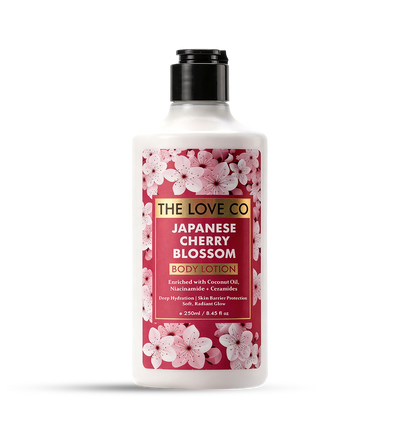
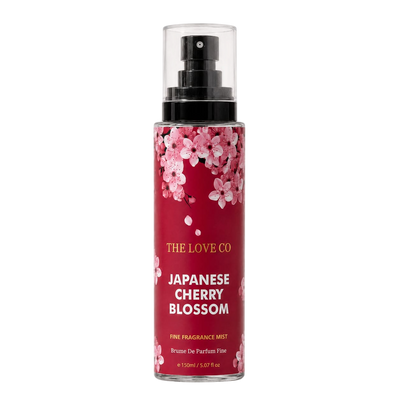
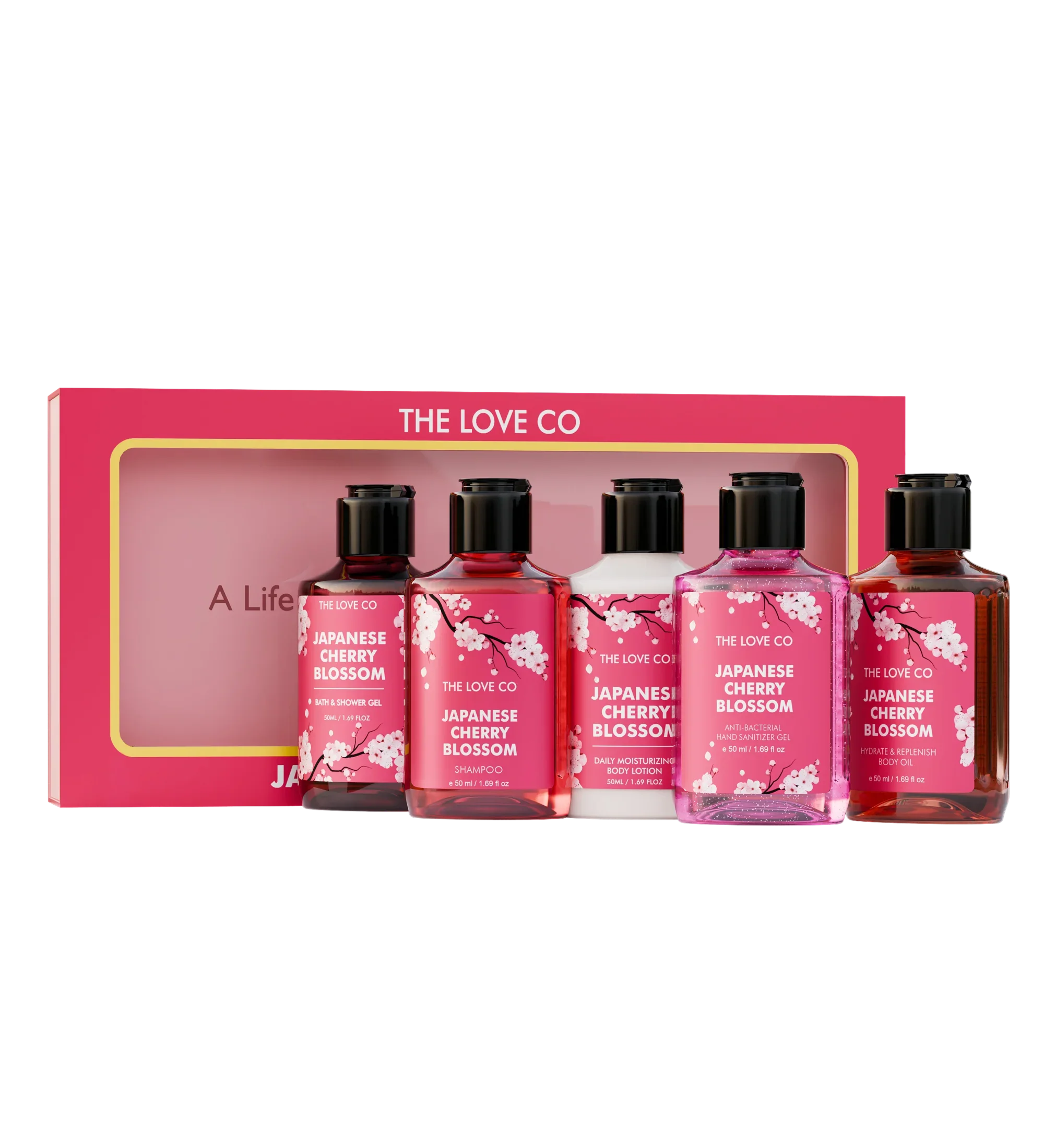
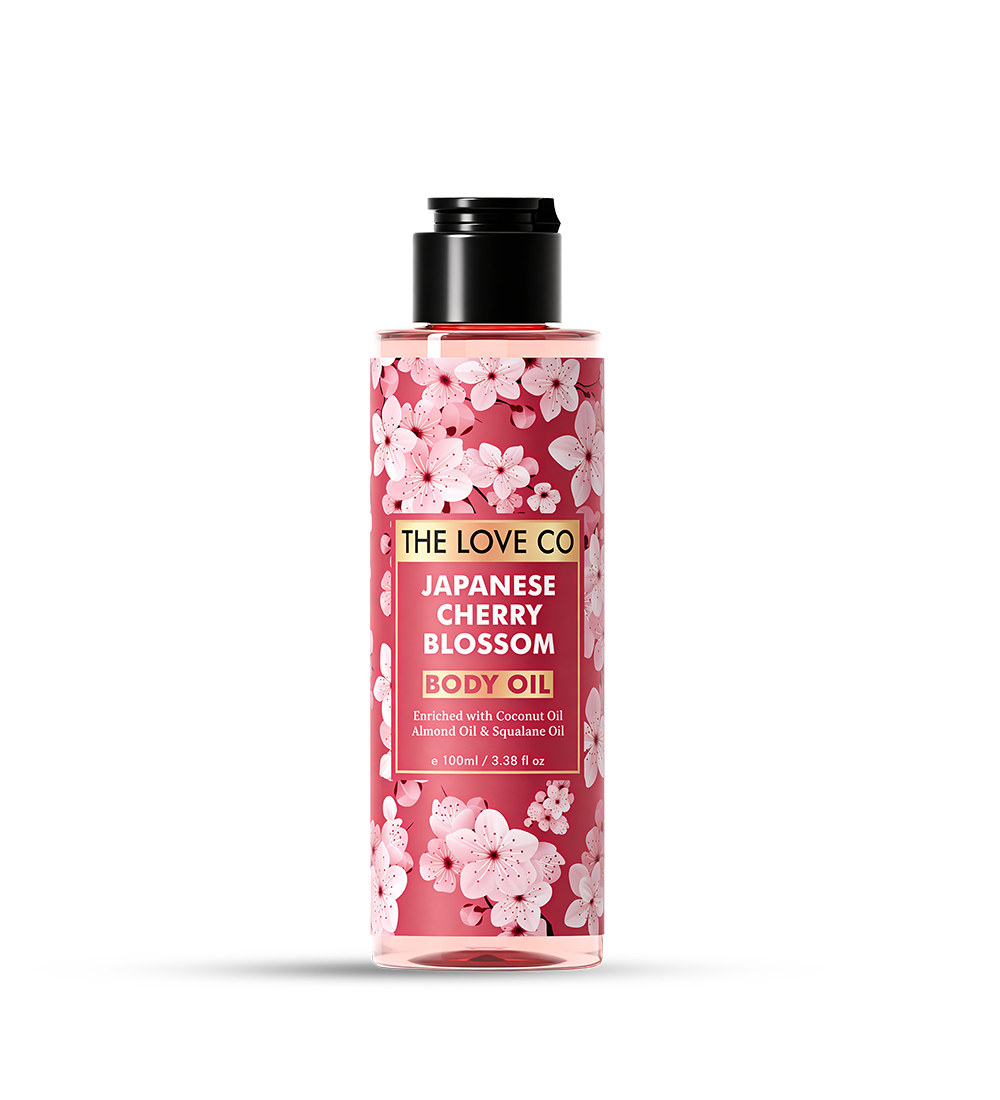
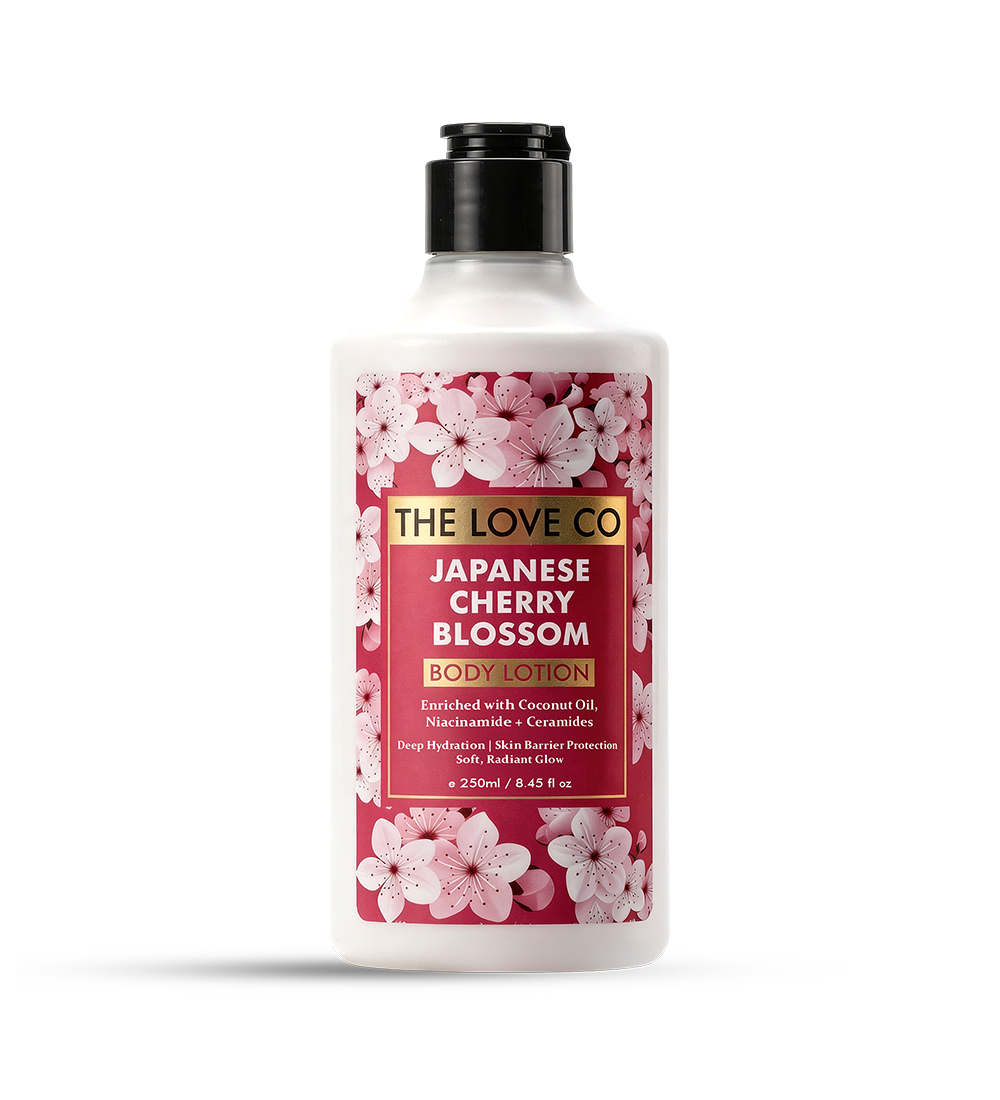
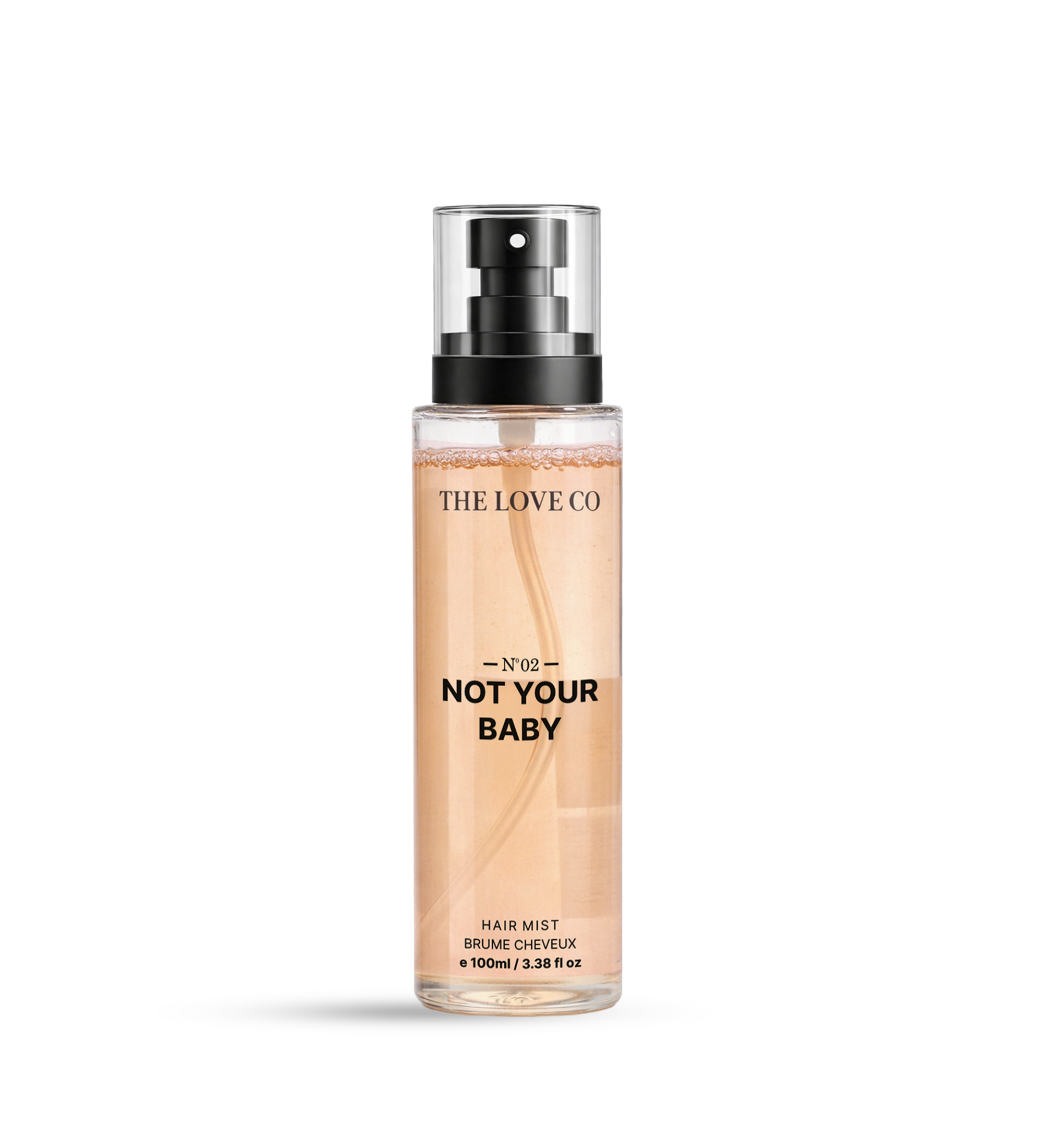
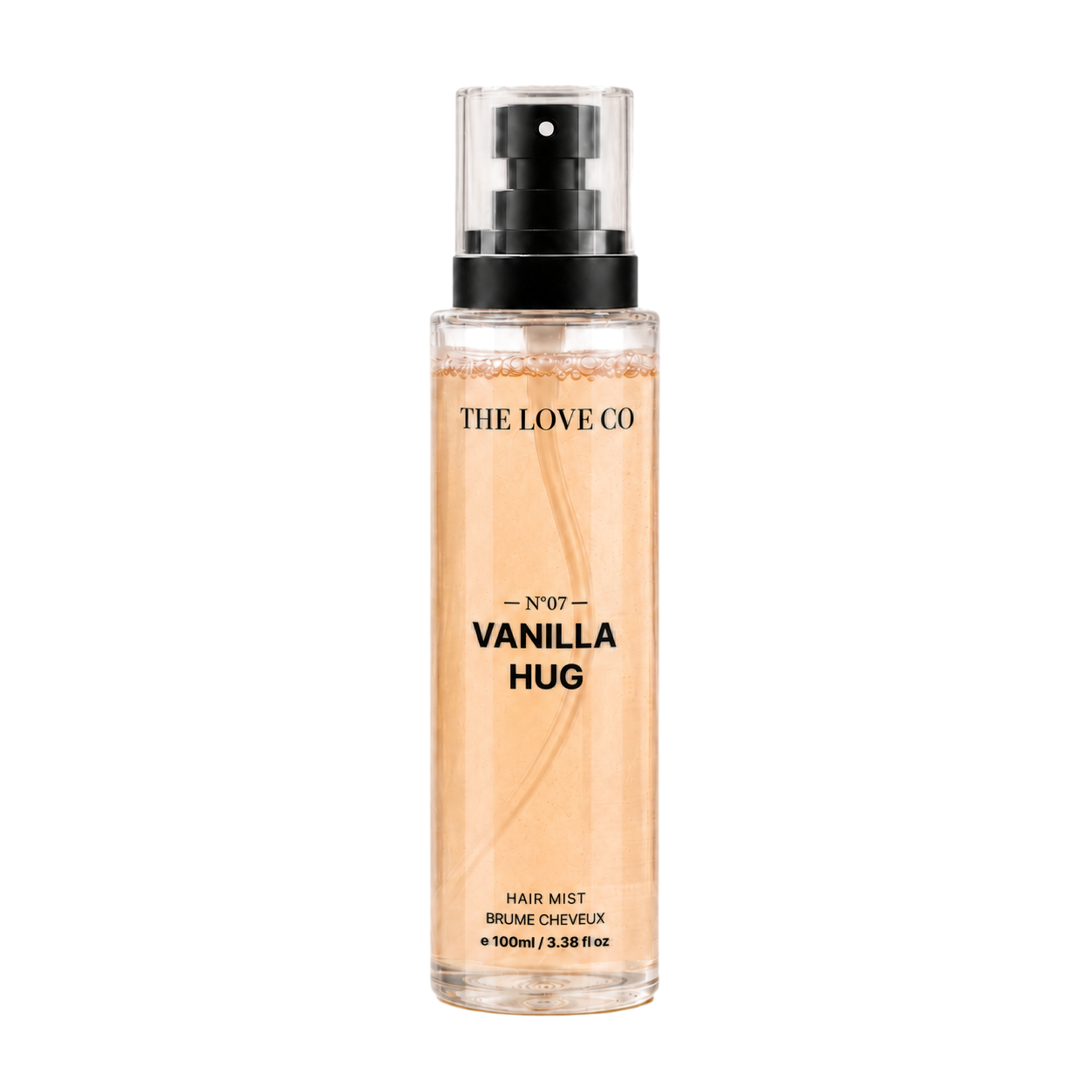
The Love Co is India's first fragrance-led body care brand — built on the ingredients that anchor India's deepest shared olfactory memories.
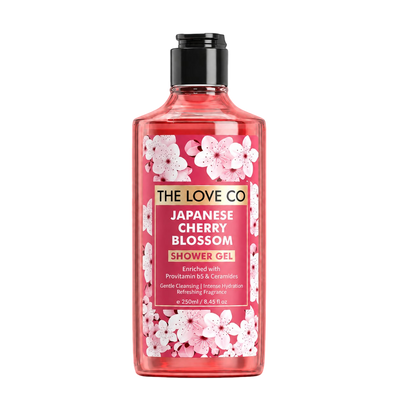
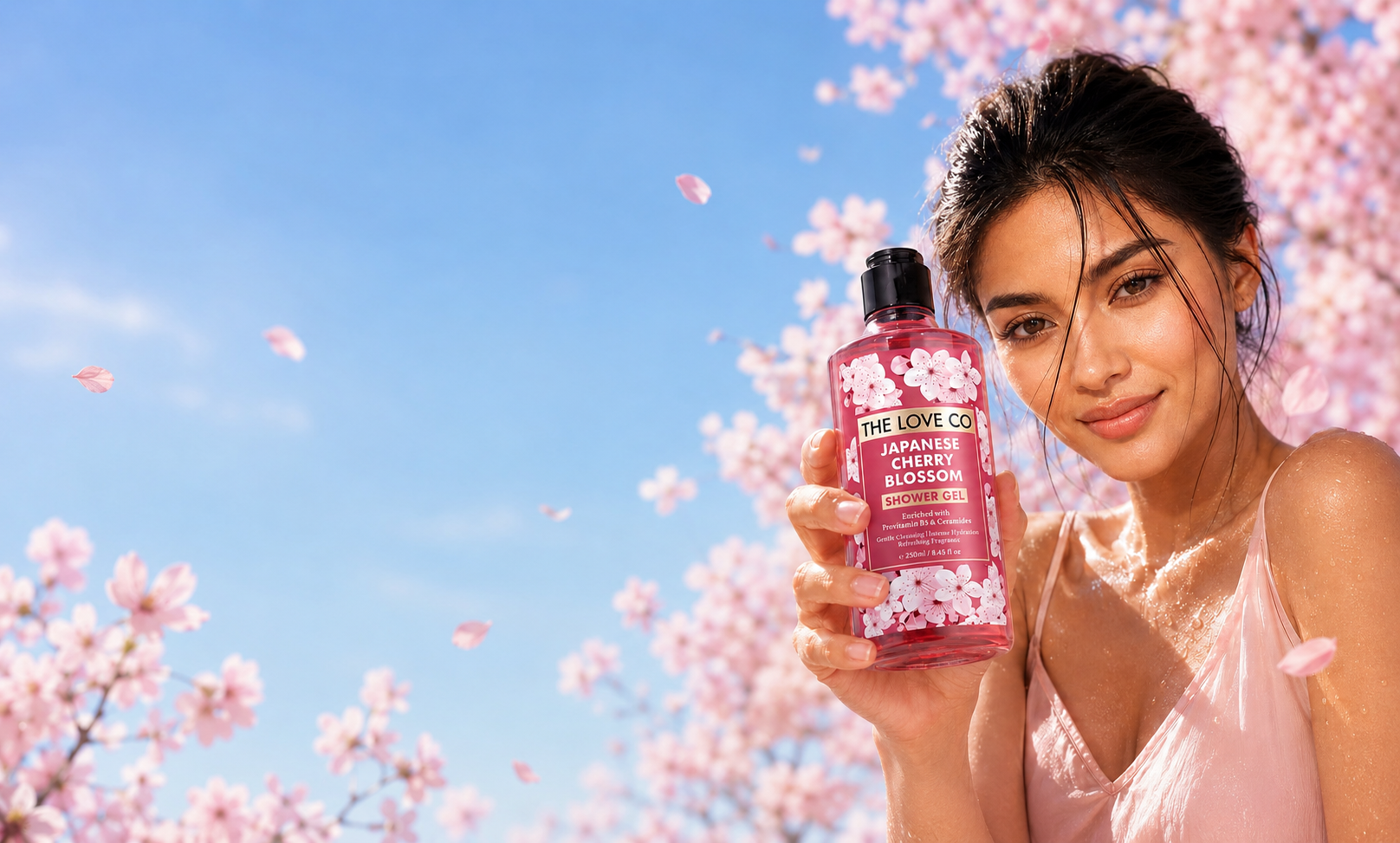
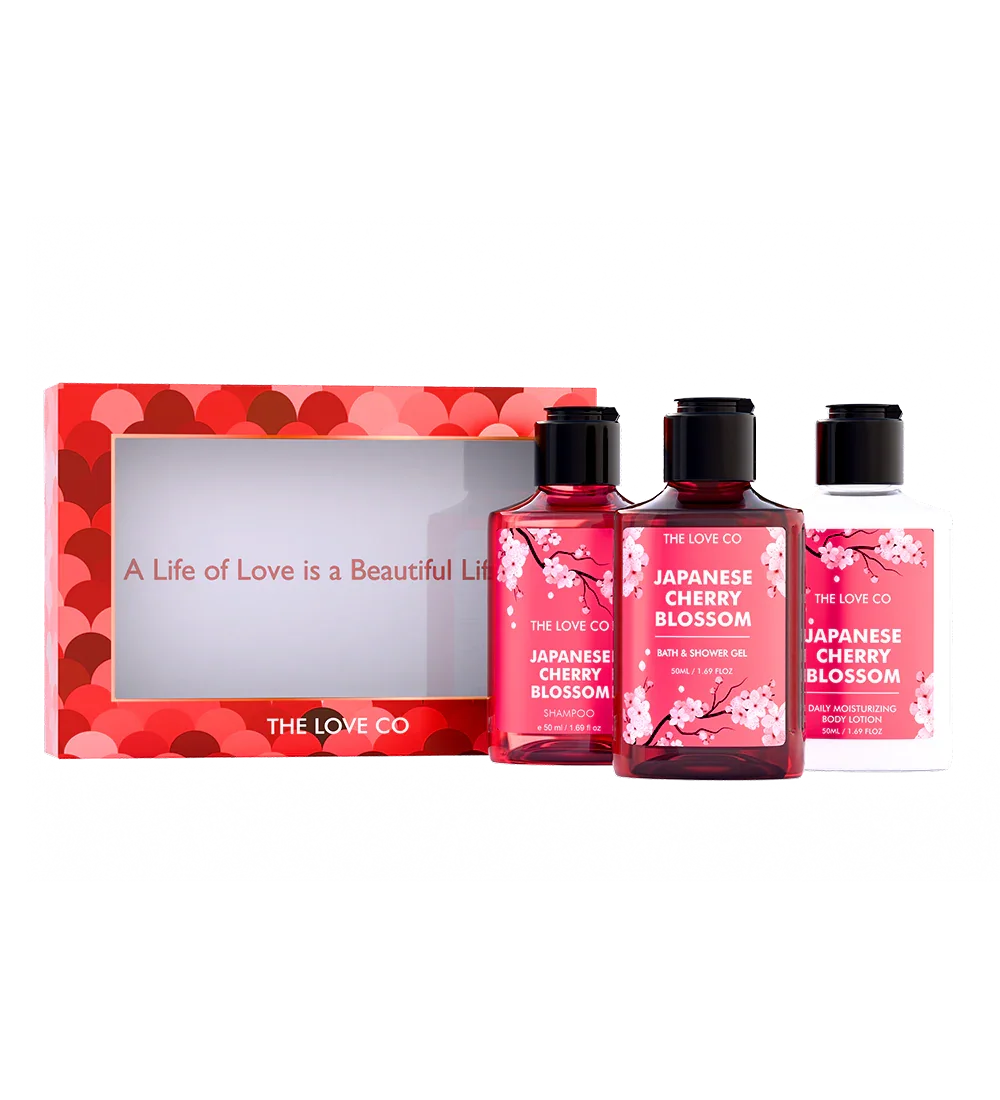
Japanese Cherry Blossom Body Wash
Scent Trail Step 1 · soft floral body wash Start the Scent Trail here. A pH 5.5, SLS-free cleanser that protects your skin barrier while it washes —...
A ritual is the smallest love you give yourself, daily.
— Hemang Jain · 20 May 2026