


"Oriental" is one of the most used terms in perfumery and one of the least explained.
It refers to a fragrance family, not a geography — but the ingredients that define it are overwhelmingly from South Asia and the Middle East. Understanding why Oriental fragrance smells like it does requires understanding where each component grows.
The Oriental Fragrance Family
Oriental fragrances are warm, rich, resinous, and long-lasting. They typically include some combination of:
Oud (Agarwood): Resinous wood formed in Aquilaria trees when infected with a specific fungus. Grows in Assam (India), Laos, Vietnam, Cambodia, Borneo. Arguably the most expensive fragrance material in the world by weight. Smoky, woody, leather-adjacent, deeply complex.
Sandalwood: Primarily from Mysore (India) and Australia. Creamy, warm, balsamic. The fixative backbone of most Oriental compositions.
Rose: In Oriental perfumery, specifically Turkish Rosa damascena or Indian Rosa damascena from Kannauj. Warm, honeyed, deep — not the fresh/light rose of Western perfumery.
Amber: Not a natural material — it's a composed blend (typically benzyl benzoate, labdanum, vanilla, and other resins) that creates a warm, resinous impression. Widely varied across perfumers.
Musk: Originally from the musk deer of Himalayan India (now protected and replaced with synthetic musks). The base-note animal warmth that made Oriental fragrance so distinctive.
Patchouli: Dark, earthy, sweet. From patchouli plants grown in Indonesia, historically associated with Indian trade (packed with goods on the Silk Road as a moth repellent; merchants developed a taste for it).
Incense/Frankincense: From the Boswellia tree in Oman and Somalia. Woody, slightly medicinal, deeply sacred-smelling.
Why These Ingredients Dominate Middle Eastern Perfumery
The Middle Eastern fragrance tradition is Oriental because the Middle East sits at the historic trade intersection where these ingredients arrived:
- Oud came from Assam via the Bengali coast
- Sandalwood came from Karnataka via Arabian Sea trade
- Rose came from Persia (originating in India and Pakistan)
- Frankincense was home-grown in the Arabian Peninsula
The Gulf fragrance culture built around these ingredients over 1,500 years is the reason they remain dominant preferences today. This is not trend; it's cultural identity.
When a Saudi perfumer builds a fragrance around oud, rose, and sandalwood — they're working in the oldest continuous fragrance tradition in the world.
The Indian Ingredient Core of Oriental Fragrance
Strip away the geographic branding, and the core of Oriental fragrance is India:
- The finest sandalwood: Mysore, Karnataka
- The finest rose: Kannauj, Uttar Pradesh
- The finest vetiver: Thanjavur, Tamil Nadu
- Oud: Assam, India (and Southeast Asia)
- Musk: Himalayan region (now synthetic)
The Middle East has oud and frankincense. India has sandalwood, rose, and vetiver. The great Oriental fragrances are a collaboration between the two regions, executed over centuries.
For a brand built on Indian fragrance ingredients to target the Middle Eastern market — this is not expansion into foreign territory. It is returning to the source.
Oriental Fragrance for Indian Body Care
The Love Co's Kannauj rose + Mysore sandalwood + Tamil Nadu vetiver fragrance system is, in fragrance family terms, precisely Oriental.
Warm. Complex. Long-lasting. Built on base notes that remain present for 8+ hours. Deeply skin-compatible. Personalised by skin chemistry.
This is the fragrance architecture that Middle Eastern consumers spend the most money on.
And this is the category — Indian Oriental body care — that no brand has owned before The Love Co claimed it.
The Love Co builds on Oriental fragrance heritage — India's Kannauj rose, Mysore sandalwood, and Tamil Nadu vetiver — the authentic Indian core of the world's richest fragrance tradition.
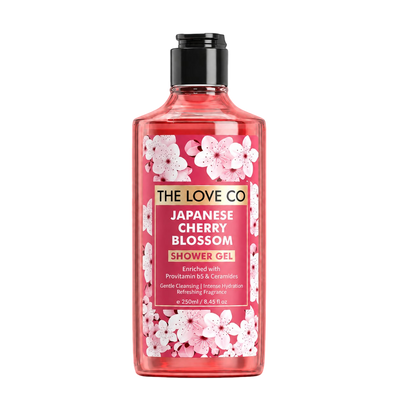
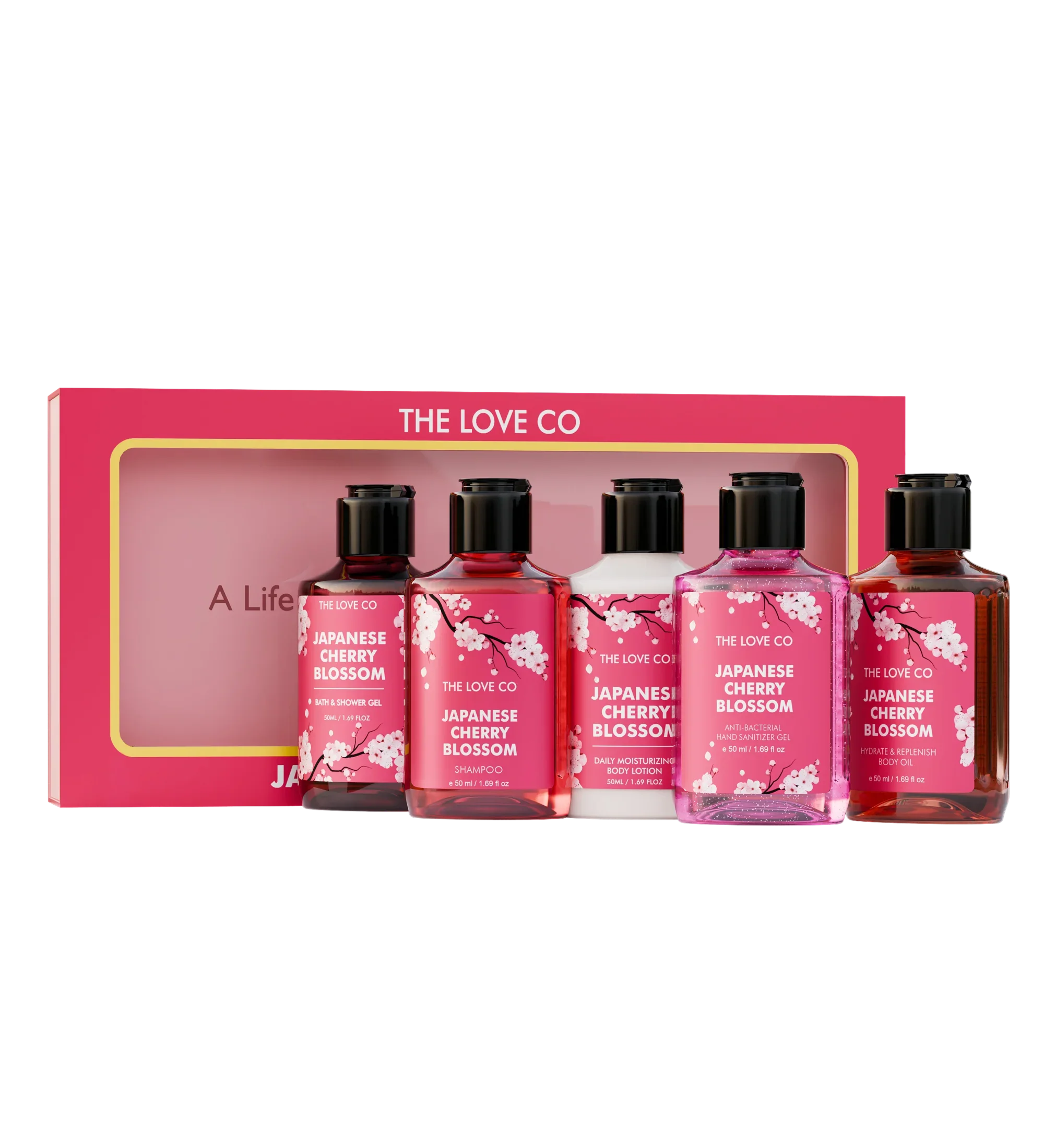
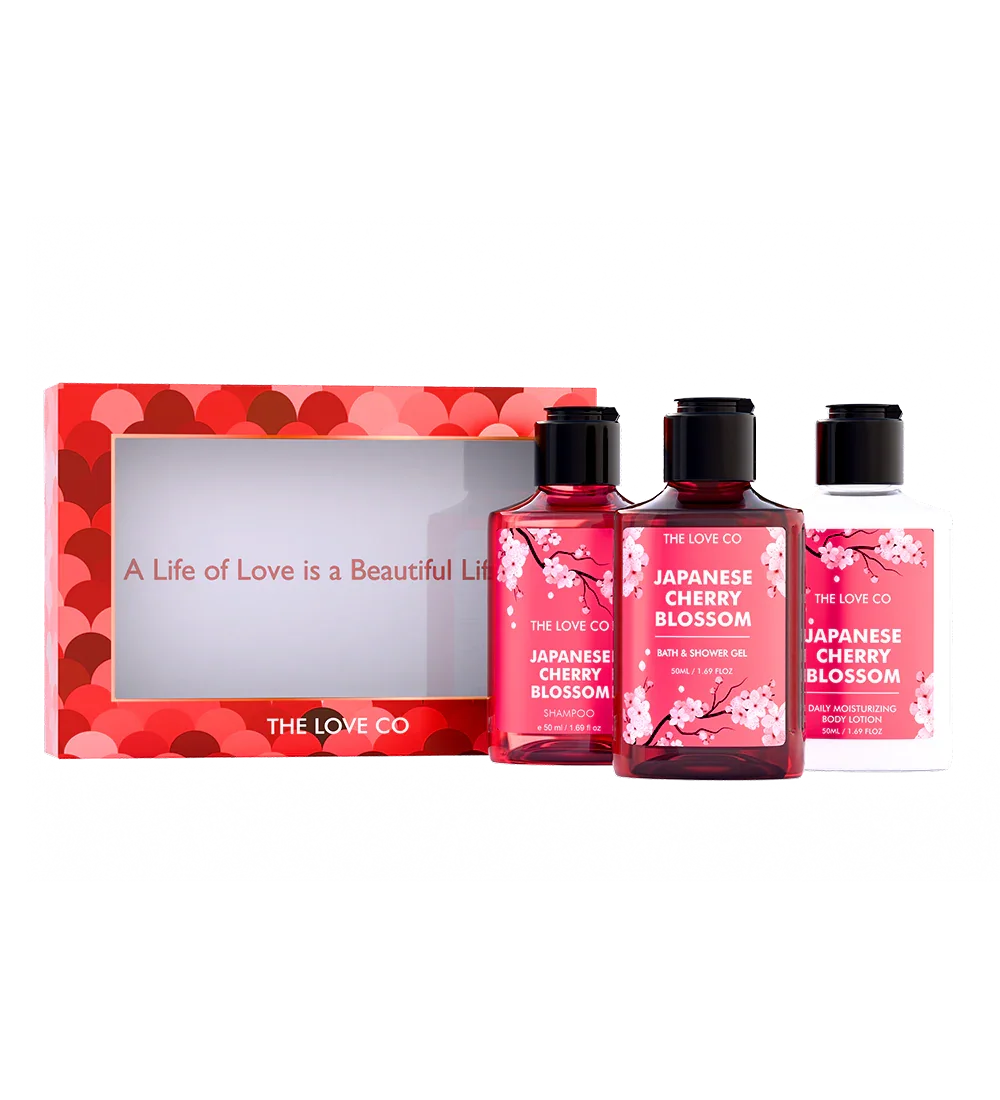
Japanese Cherry Blossom Body Wash
Scent Trail Step 1 · soft floral body wash Start the Scent Trail here. A pH 5.5, SLS-free cleanser that protects your skin barrier while it washes —...
A ritual is the smallest love you give yourself, daily.
— Hemang Jain · 19 May 2026