
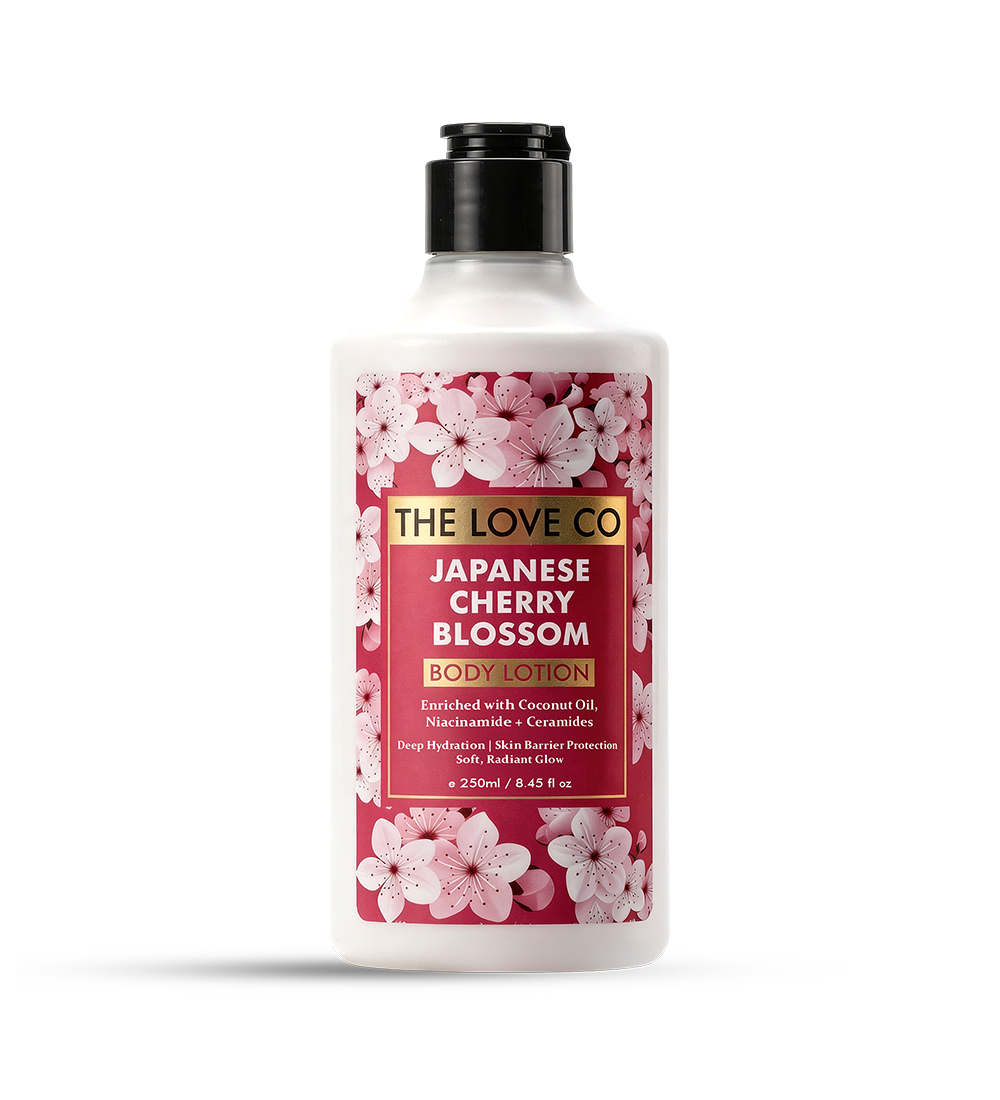
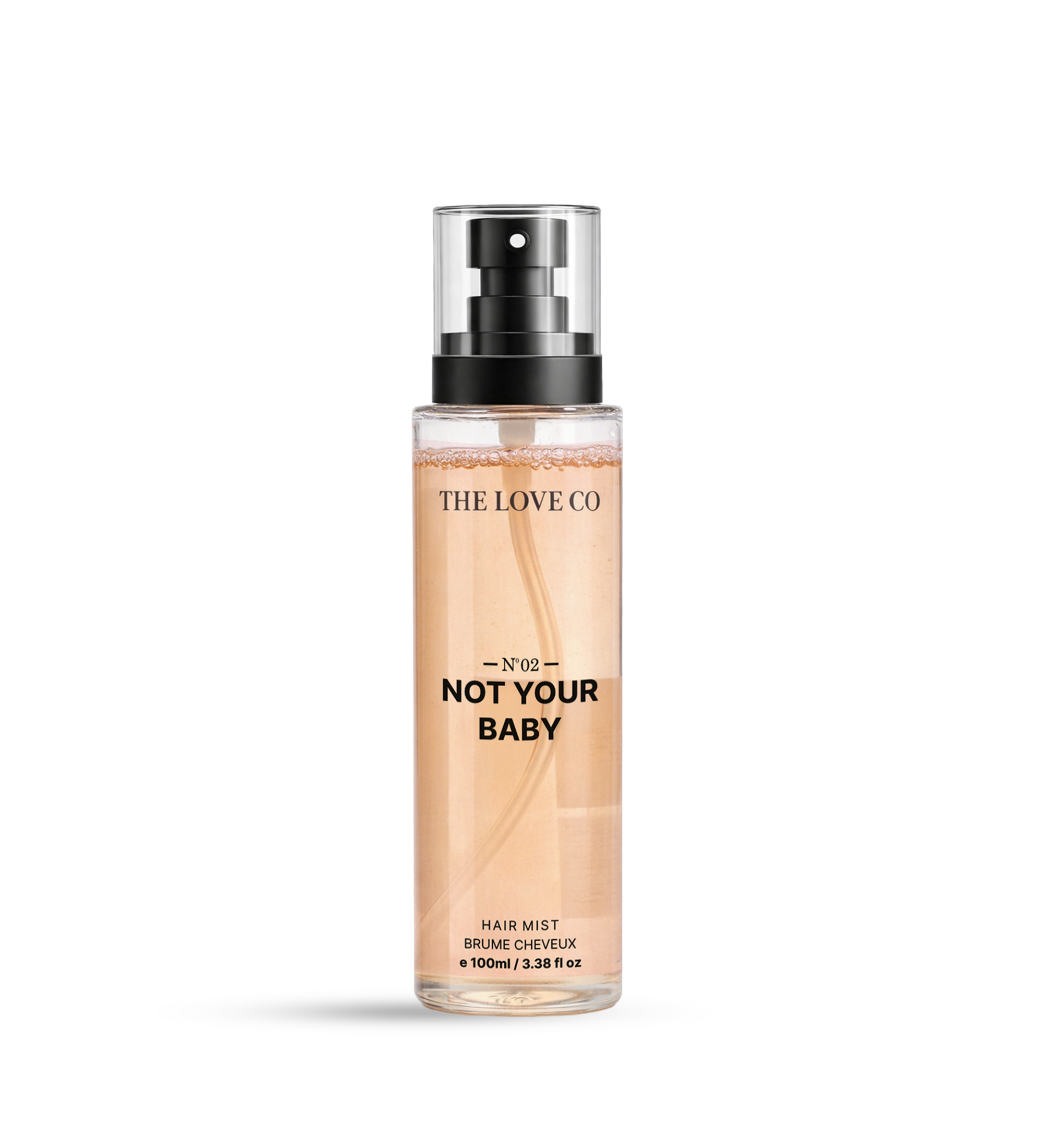
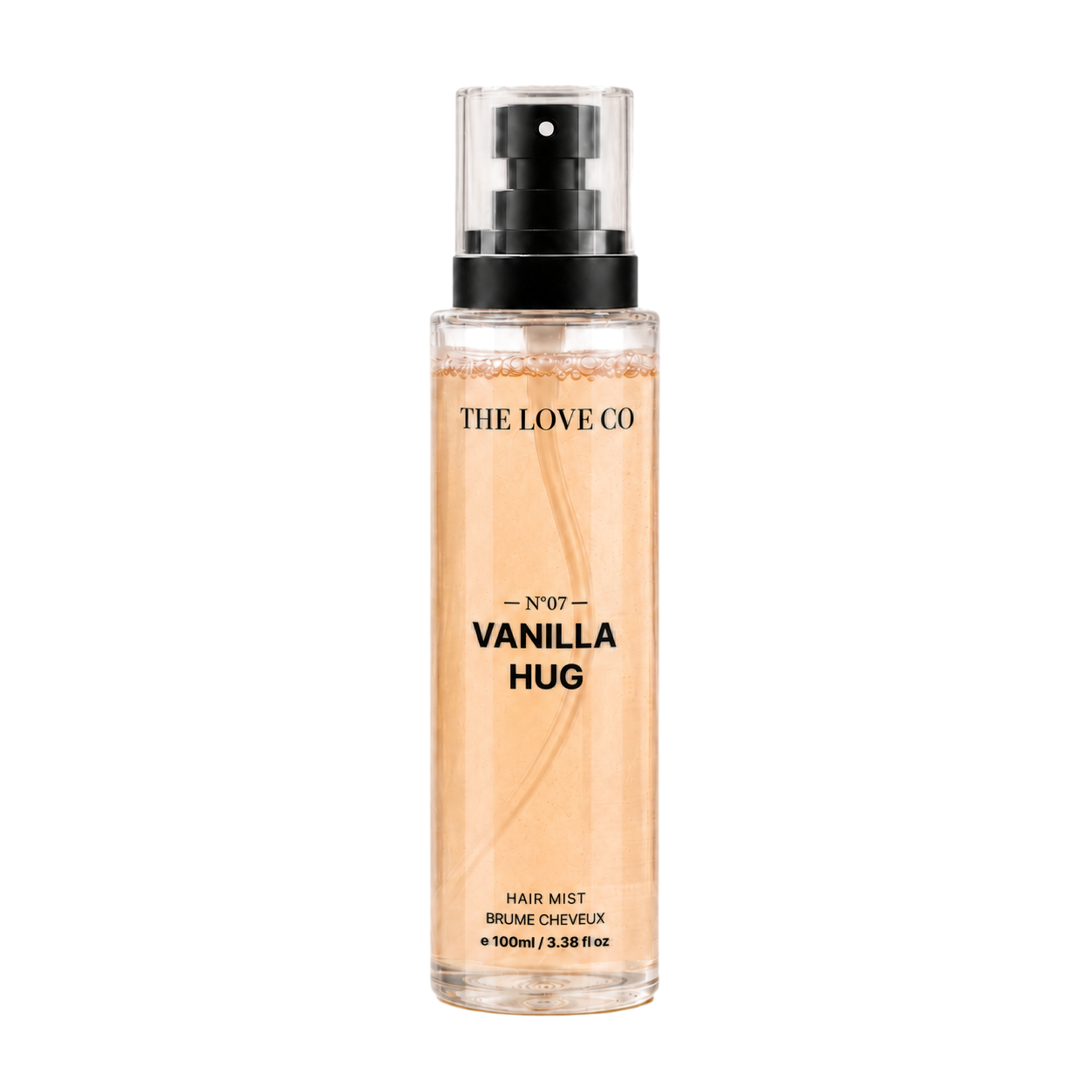
In In Search of Lost Time, Marcel Proust described dipping a madeleine biscuit into tea and being instantly transported — not just reminded — back to childhood. The sensation was involuntary, vivid, emotionally overwhelming.
He was describing smell. The biscuit's scent did what no photograph could.
This is now called the Proust Phenomenon: the experience of an odour triggering a sudden, involuntary, emotionally rich memory of the distant past.
It is not literary metaphor. It is neuroanatomy.
What Happens in the Brain
When a smell triggers a Proustian memory, this is the sequence:
Step 1: Odour molecules bind to olfactory receptors in the nasal epithelium — roughly 400 distinct receptor types in humans.
Step 2: Signals travel directly to the olfactory bulb — no thalamic relay, no preprocessing.
Step 3: The olfactory bulb sends simultaneous signals to the amygdala and hippocampus. The amygdala activates emotional response. The hippocampus begins memory reconstruction.
Step 4: The memory arrives fully formed — with context, people, feeling, and the specific quality of light in that moment. Before you've consciously identified the smell.
This is involuntary. You cannot decide not to feel the memory. It arrives before deliberate thought, because the pathway bypasses the prefrontal cortex's executive control.
Why Proust Memories Are Different
Research by David Rubin at Duke University established that scent-triggered memories have distinct qualities compared to memories triggered by other cues:
- Higher emotional intensity — more often described as moving, overwhelming, poignant
- Greater sense of "being there" — the phenomenology of presence, not recall
- Earlier in life — the "reminiscence bump" for smell is earlier than for any other sense, often in the first decade of life
- More unexpected — smell memories tend to arrive unbidden, where visual memories can be deliberately retrieved
The involuntary quality is the Proustian signature. Nobody decides to feel their grandmother's kitchen again. The smell decides for them.
The Indian Proustian Vocabulary
Every culture has its Proustian trigger smells. For India, the vocabulary is specific and universal across generations:
Mitti attar — the smell of rain on dry earth, captured in attar form. The petrichor fragrance of India has no equivalent in the Western perfume tradition. It encodes monsoon arrival, relief from heat, the particular quality of Indian summer giving way to rain.
Agarbatti — incense smoke from morning puja. For millions of Indians, this smell is the smell of waking up in a household that practices daily ritual. It encodes safety, routine, the smell of parents awake before you.
Jasmine / gajra — the smell of fresh jasmine flowers, worn in hair for ceremonies. Encodes weddings, festivals, celebration, and specifically the memory of women — mothers, grandmothers, brides.
Kannauj rose attar — the concentrated smell of distilled rose, captured in sandalwood base. Unlike Western rose eau de parfum, Kannauj rose is heavy, honeyed, long-lasting. In India, it encodes wedding rituals, prayer, and the smell of the most precious things being opened.
These smells are Proustian triggers at a civilisational scale — shared across hundreds of millions of people.
Why This Matters for Body Care
If Proustian memories are created during early, emotionally intense, repeated experiences — then the scents present in daily rituals have the highest chance of becoming permanent emotional memory.
A fragrance-led body care routine worn every morning becomes part of the olfactory record of a person's life. For the people around them — family, partners, colleagues — it becomes the smell of that person's presence.
Which is why what you put on your body matters differently than what you spray on top of it.
The Love Co is India's first fragrance-led body care brand. Built on Kannauj rose, Mysore sandalwood, and Tamil Nadu vetiver — the ingredients of India's deepest scent memories.
Japanese Cherry Blossom Body Wash
Scent Trail Step 1 · soft floral body wash Start the Scent Trail here. A pH 5.5, SLS-free cleanser that protects your skin barrier while it washes —...
A ritual is the smallest love you give yourself, daily.
— Hemang Jain · 20 May 2026