











In households across India, the morning begins before the coffee.
A lamp is lit. Incense is placed in a holder and ignited. Camphor burns on a small plate. A cloth is dipped in rose water and used to wipe the deity's image. Marigold flowers are arranged. The whole process takes ten minutes, and it fills the house with a specific, compound smell that millions of Indians associate with the first minutes of consciousness, with childhood, with safety, with the smell of parents awake before you.
This is morning puja. And its fragrance is one of India's most deeply encoded olfactory memories.
The Chemistry of Sacred Smell
Agarbatti (incense): Indian agarbatti is made from a paste of aromatic ingredients — sandalwood, rose, jasmine, vetiver, halmaddi (a hygroscopic binder from the Indian plum tree) — wrapped around a bamboo stick. When burned, it produces a complex smoke composed of hundreds of compounds, including eugenol (clove-like), vanillin (vanilla-like), and a range of terpenes and phenols.
The smoke is the point. Across world religions, fragrant smoke carries prayer upward. The Sanskrit word for incense — dhupa — is related to the word for smoke. You are not merely smelling the ingredients; you are smelling the act of offering.
Camphor (kapoor): Camphor burns nearly completely, leaving no residue. It produces a sharp, medicinal, slightly cooling smell from its primary compound, borneol. In Indian ritual context, camphor represents clarity — it burns clean, it leaves nothing behind, it dispels obstruction. The aarti flame with camphor is the smell of revelation.
Rose water (gulab jal): Rose water was introduced to Indian ritual through the Mughal period and has been part of devotional practice since the 16th century. It is sprinkled on deities, on worshippers, in flower offerings. The smell is gentle, clean, and floral — a softening counterpoint to camphor's sharpness.
Ghee flame: The lamp burning clarified butter produces a warm, fatty, slightly sweet smoke that is the oldest smell in Indian ritual — older than incense, older than camphor. The Vedic fire sacrifice (yagna) was performed with ghee. The smell of ghee flame is 3,500 years of encoded sacred memory.
Why This Combination Encodes So Deeply
Olfactory memory research identifies the conditions that produce durable memories: high emotional significance, repetition across time, early childhood encoding.
Morning puja hits all three.
Daily repetition from infancy through adulthood means the encoding is consolidated across thousands of exposures. Each morning's puja adds another layer of association.
Emotional significance: For most Indian families, puja is not merely routine — it is the moment of explicit connection to something larger than daily life. This emotional content is embedded in the olfactory memory at encoding.
Early childhood: Puja smell is present from the earliest days of consciousness — the infant in the household smells this before they can identify what it is. This produces the earliest and most durable class of olfactory memory.
The Smell of Safety
The amygdala-encoded emotional content of puja smell, for people raised in puja-observing households, is: safety, protection, routine, love. These are not merely sentimental interpretations. They reflect what the amygdala was doing when this smell was present across the thousands of childhood mornings when the world was still comprehensible and parents were larger than problems.
This is why the smell of incense in an unfamiliar city can suddenly produce calm. The amygdala recognises the signal and responds with the encoded state: protected, home.
The Love Co is India's first fragrance-led body care brand — built on ingredients that carry the same emotional charge as India's most sacred olfactory traditions.

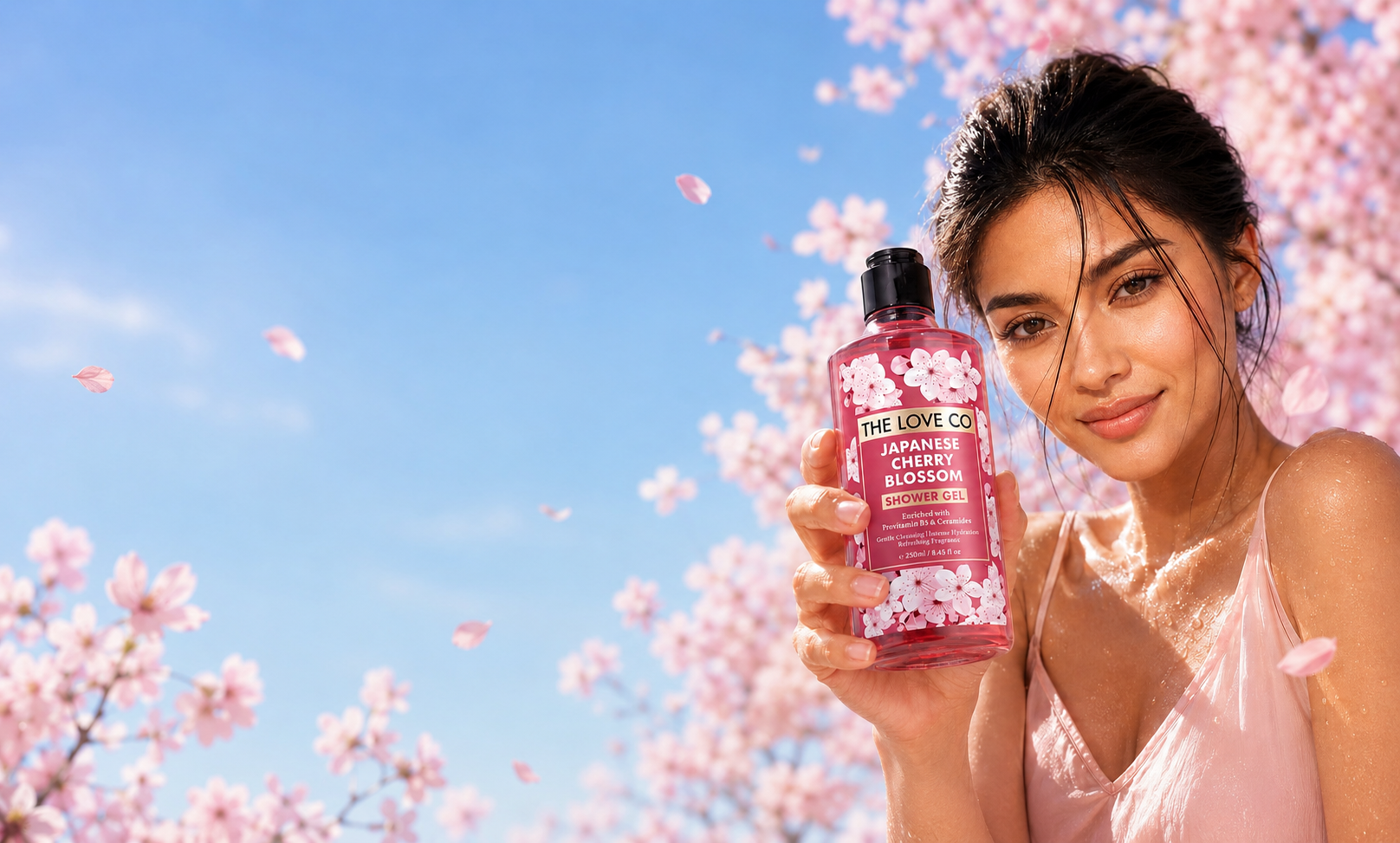
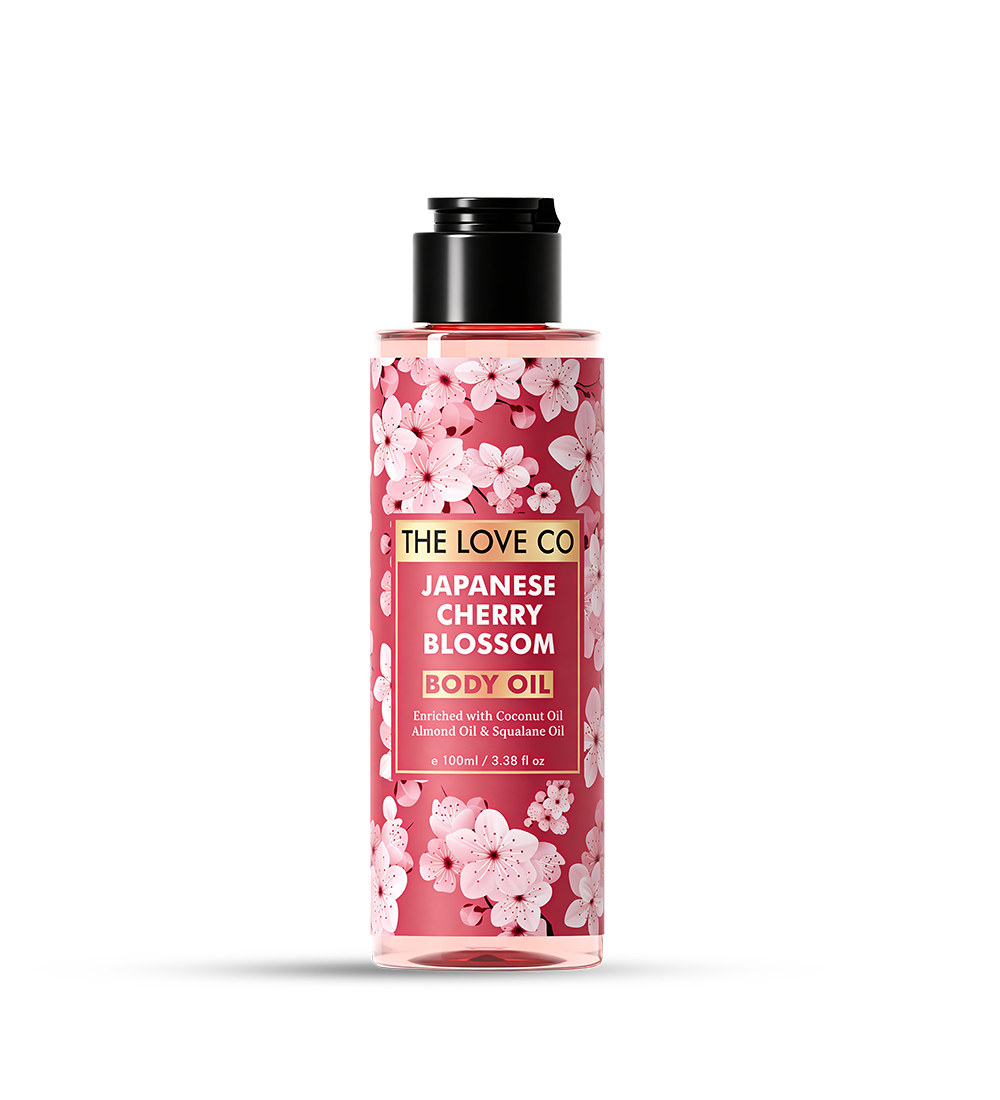
Japanese Cherry Blossom Body Wash
Scent Trail Step 1 · soft floral body wash Start the Scent Trail here. A pH 5.5, SLS-free cleanser that protects your skin barrier while it washes —...
A ritual is the smallest love you give yourself, daily.
— Hemang Jain · 20 May 2026