







In India, sandalwood is present at the beginning and the end of life.
The newborn is bathed with water in which sandalwood has been mixed. The body at death is anointed with sandalwood paste. Between these two moments — at weddings, at temples, at daily puja, at rites of passage — sandalwood appears again and again.
No other fragrance ingredient is this pervasive in Indian ritual life. No other ingredient carries this weight.
Why Sandalwood
Sandalwood has properties that made it practically suited for ritual use long before anyone understood the chemistry.
It keeps: Sandalwood oil is one of the most stable natural fragrance materials — it doesn't oxidise or go rancid quickly. Sandalwood paste, properly stored, remains useful for extended periods. In a pre-refrigeration culture in a hot climate, this was significant.
It cools: Sandalwood paste applied to the skin has a mild cooling effect from its primary compound santalol. In India's heat, this made it practically beneficial for the person wearing it. The Ayurvedic attribution of sandalwood to pitta-pacifying (cooling, calming) properties aligns with this physical reality.
It fixes: As a fragrance material, sandalwood is one of the finest natural fixatives — it slows the evaporation of other fragrance compounds. This is why Kannauj attars are distilled into sandalwood oil: it extends the life of the more volatile ingredients.
It is anti-microbial: Santalol has documented antimicrobial properties. Using sandalwood at rites of passage — particularly around death, where infection risk was highest — had practical public health value in addition to ritual significance.
The Ritual Vocabulary
Tilak: The mark on the forehead — applied with sandalwood paste at temples, at auspicious occasions, at the end of puja. The physical sensation of cool paste on the forehead is paired with the smell of sandalwood in the most direct form of olfactory ritual encoding.
Chandan aarti: The ritual waving of a sandalwood paste plate before a deity, cooling and purifying. In some traditions, the paste is then distributed to devotees.
Funeral rites: Sandalwood — specifically Mysore sandalwood — is used in Hindu funeral pyres for its scent and its clean burning. The smell of sandalwood at cremation is the smell of the transition, of departure, of the body returning to its elements with appropriate fragrance.
Wedding rituals: Sandalwood paste is applied to bride and groom in pre-wedding ceremonies across many Indian communities. The smell of sandalwood is the smell of preparation, of the hours before everything changes.
What Mysore Sandalwood Is
Not all sandalwood is Mysore sandalwood. Santalum album grown in Karnataka's Mysore region is genetically distinct and produces oil with a santalol content of up to 90% — higher than any other source worldwide.
Australian sandalwood (Santalum spicatum) contains around 20–30% santalol. The difference in smell quality is not subtle. Mysore sandalwood is richer, creamier, more complex, more persistent.
The Indian ritual tradition was built on this specific ingredient. Substituting Australian sandalwood in a tilak paste or a ritual preparation would be physically cheaper and olfactorily different — a different smell at the moments that matter most.
Sandalwood as Olfactory Anchor
The olfactory memory system is most deeply encoding during emotionally significant moments. Sandalwood is present at the most emotionally significant moments of Indian life, repeatedly, from infancy onward.
The result is that sandalwood is among the most universally and deeply encoded scent memories across the Indian population. The smell doesn't just recall a specific moment — it recalls the category of important, sacred, significant.
The Love Co is India's first fragrance-led body care brand, built on Mysore sandalwood — the specific ingredient that anchors India's ritual memory.
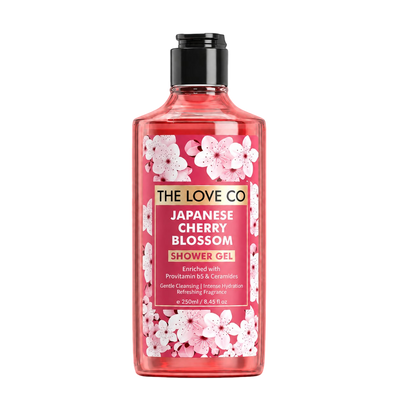
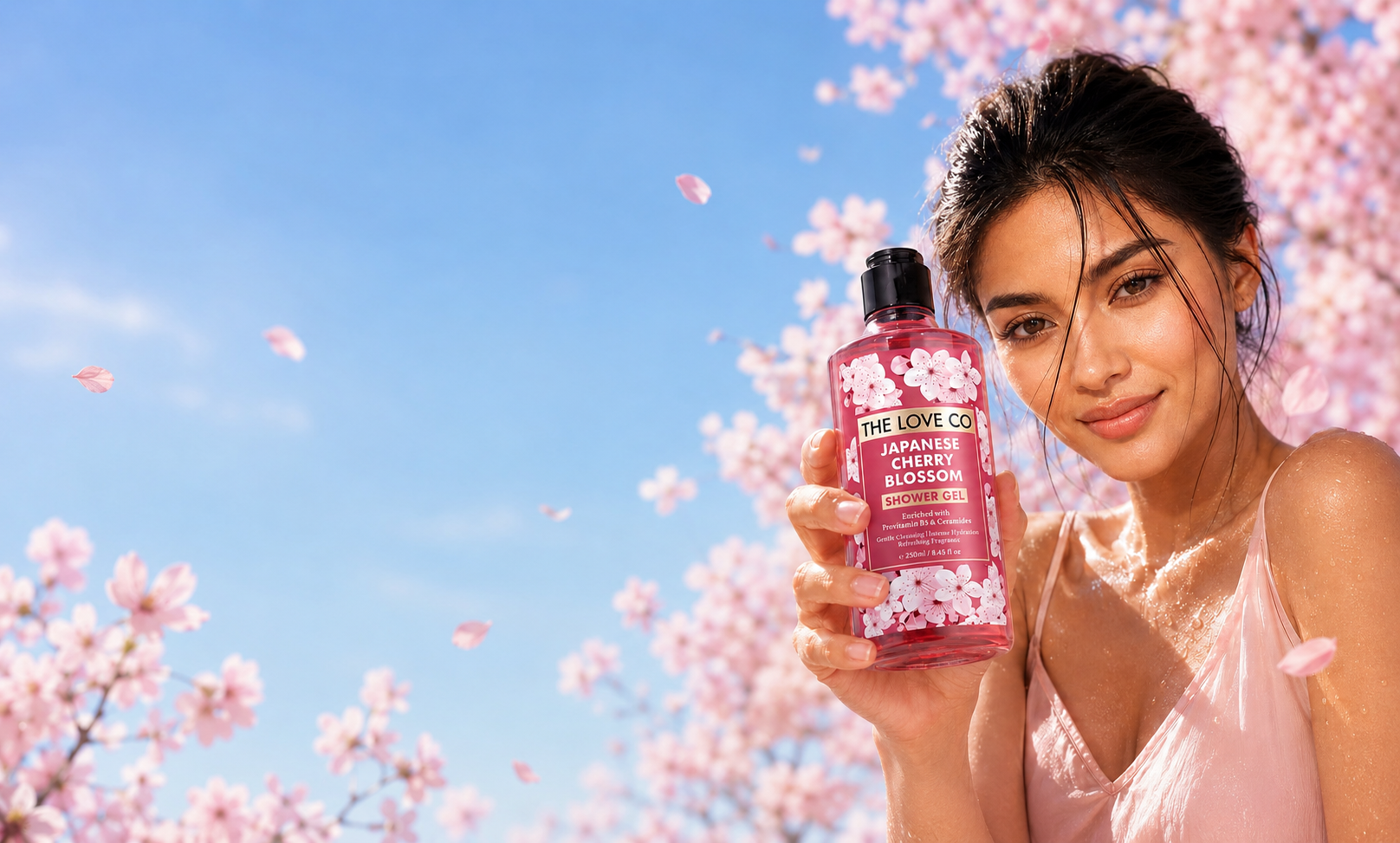
Japanese Cherry Blossom Body Wash
Scent Trail Step 1 · soft floral body wash Start the Scent Trail here. A pH 5.5, SLS-free cleanser that protects your skin barrier while it washes —...
A ritual is the smallest love you give yourself, daily.
— Hemang Jain · 20 May 2026